(Note: This article only provides process descriptions for certain consumer features visible to some users, and does not serve as promotional guidance.)
(Disclaimer: The content of this article is time-sensitive; please refer to the latest official guidelines for specific operations.)

 ▲Image/Visual China
China is undergoing a transformation driven by technological innovation. Even ordinary people who are not in the tech industry can feel the tremors of this change in their daily lives.
The voice of HarmonyOS has risen to the mainstream, and self-developed operating systems are leading terminal devices to update and replace at an unprecedented rate, gradually replacing the once-renowned Apple. As robots don their festive attire to join the “Spring Festival Gala,” netizens are busy crafting jokes to mock the “Cyber Yangge” dance, while the world has come to understand the level of China’s robotic motion control technology.
“Digital domestic products” are sweeping the globe—not just small and beautiful breakthroughs, but they are making waves in various forms, all resonating with a distinctly Chinese voice. People can find similar navigation trajectories among these companies: a spirit of breakthrough characteristic of China, infused with Eastern wisdom and philosophy, working in harmony with one another.

Written by / Ruan Baiqing

Technological Independence Leads to Cultural Confidence
In fact, just five or six years ago, China’s digital technology was still in a state of “catastrophic beginnings.” At that time, even the domestic market did not recognize domestic products, and there were no other technologies besides Android andiOS that could penetrate the market; chips were entirely reliant on imports, andAI was a distant dream. The trade war made the tech industry feel as if it had its “throat gripped by fate.”
Huawei was the first to embark on the path of self-development, a route that was later confirmed to be part of the “backup plan” initiated in2004, using over a decade of technological independence to prepare for a potential technological blockade. By around2020, the self-developed Kirin 9000 series chips, integrated with 5G baseband, had become the foundation for Huawei’s technological breakthrough. While NVIDIA chips dominated the globalAI computing market, Huawei launched a transformative initiative called the “Da Vinci Plan,” aiming to integrateAI into all products and service systems. A self-developed computing architecture, “Da Vinci,” became the technical foundation supporting this strategy. Full-stack self-development from chips to algorithms not only advanced Huawei further in the tech field but also sent a signal to the entire industry: self-developedAI architectures are not insurmountable challenges.
If the global competition in theAI field has shifted from industrial commercialization to national strategization, then the year 2023, marking the “Year of the Large Model,” has ignited the beginning of the “Hundred Model War.” While the international community debates whetherChatGPT orOpenAI is more effective, China’s self-developed dark horseDeepSeek suddenly became the focus, amassing100 million users in just a week. This has been referred to as China’s “Sputnik Moment”—similar to the launch of the first artificial satellite, Sputnik 1, by the Soviet Union in1957, a tremendous breakthrough that shocked the world.
The period when technology was “choked” has become history in just a few years. Today, Chinese tech companies can use self-developed technologies to fill a gap in the international market. If we considerAI as a highway, at this point in time, one would find that the lane for applications developed using theTransformer architecture is quite crowded. This pattern has persisted since2017, when Google released this architecture, with almost all well-knownAI—ChatGPT,DeepSeek— being algorithmically optimized based on theTransformer architecture. However, a startup calledRockAI is attempting to explore a different lane. In January2024,RockAI released the non-Transformer architecture Yan 1.0, continuously innovating thereafter. At the recently held2025 World Artificial Intelligence Conference, it further demonstrated the autonomous learning capabilities of large models, especially the native memory of large models, once again proving the value of Chinese innovation.
 ▲Shanghai Zhangjiang Hi-Tech Park Image/Visual China
Traditional large models, during each interaction with users, almost always rely on “temporary memory”—the experiences accumulated in one round of dialogue cannot be carried into the next round, and users face a “brand new” AI each time. In contrast, RockAI’s Yan 2.0 Preview model resembles a human with “long-term memory,” capable of continuously remembering users’ historical expressions, preferences, and even language styles across multiple interactions. The native memory in the parameters of large models is crucial for enhancing the productivity ofAI in the future, eliminating the need for additional “plug-in” systems; the model itself can remember and extract key information. This means that future interactions between users andAI will be more natural and efficient. While traditionalTransformer architecture models are still researching “long context engineering,”RockAI has already taken the lead in advancing to the next stage—autonomous learning.
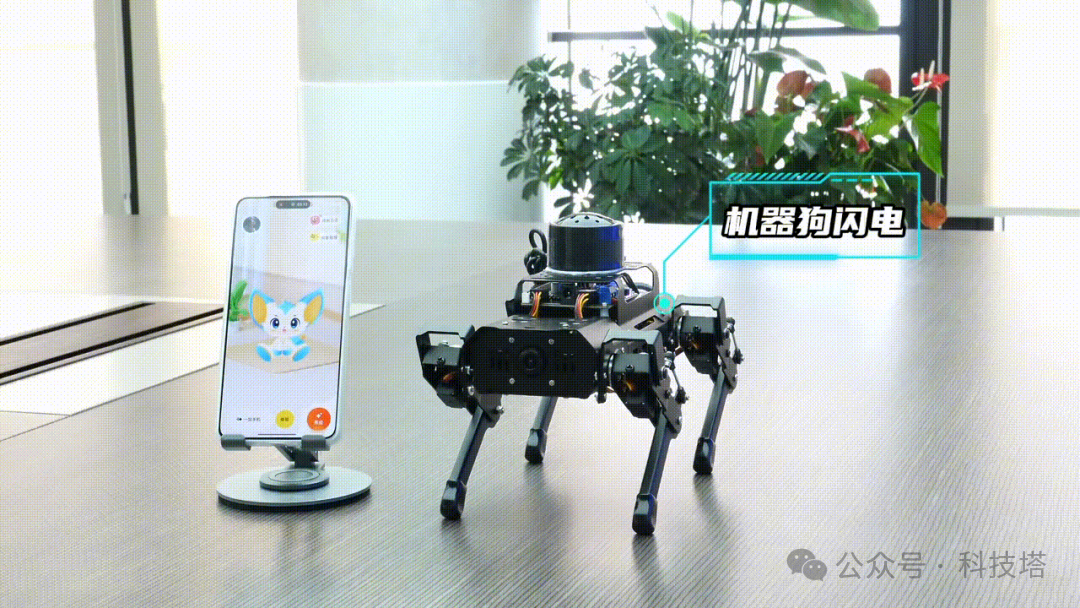
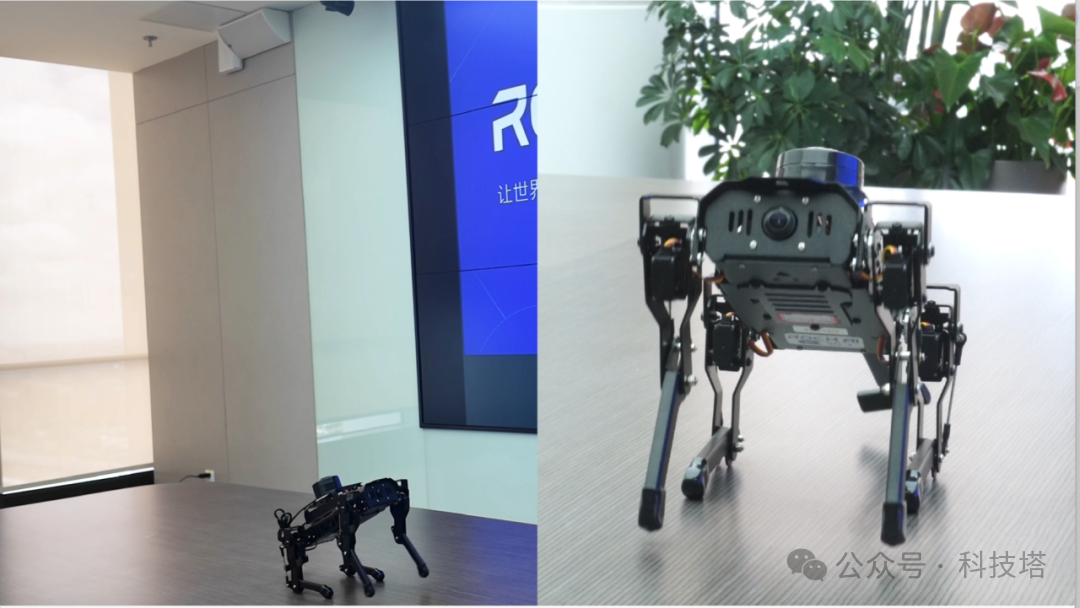
▲ A robotic dog equipped with the Yan 2.0 Preview large model featuring native memory capabilities
On this pioneering path, “offline intelligence” is crucial yet often overlooked. If most of the currently activeAI in the market are tools that people “control remotely from the cloud”—unable to operate independently once disconnected from the network or control center—then offline intelligence is akin to a biological brain, capable of perceiving, deciding, and acting autonomously without network or external instructions. In a sense, the human brain is also a form of offline intelligence.
Currently, discussions about “embodied intelligence” in the field of artificial intelligence are heated, but without offline intelligence as a foundation, embodied intelligence is almost a false proposition, as true embodied intelligence must possess the ability to learn new things, remember experiences, and flexibly respond to new environments—all of which rely on the ability to “think for itself” through offline intelligence.
Moreover, the native memory capability of the Yan 2.0 Preview model is a key step towards achieving offline intelligence. It allows large models to possess their own memory for the first time, beginning to exhibit learning and growth capabilities akin to biological entities. This marks a transition for artificial intelligence from being a “tool” to becoming a “trusted partner,” laying the technological foundation for a more human-like and autonomous future for AI.
In a broader sense, companies like Huawei, DeepSeek, and RockAI together form a puzzle of China’s digital power, representing the current “three-horse carriage” of Chinese technological innovation—Huawei lays the foundational infrastructure for the entire tech industry, DeepSeek pursues better solutions within internationally accepted frameworks, while RockAI chooses to innovate along a completely different path. They are building a moat for China’s digital innovation and self-research in different fields. Only with technological independence can there be cultural confidence. When every chip, every transistor, and every line of code bears the mark of Chinese manufacturing, what the world sees is not just a few brands, but a symbol of a generation of Chinese people striving for independence, autonomy, and resilience—a cultural confidence more powerful than any proclamation.
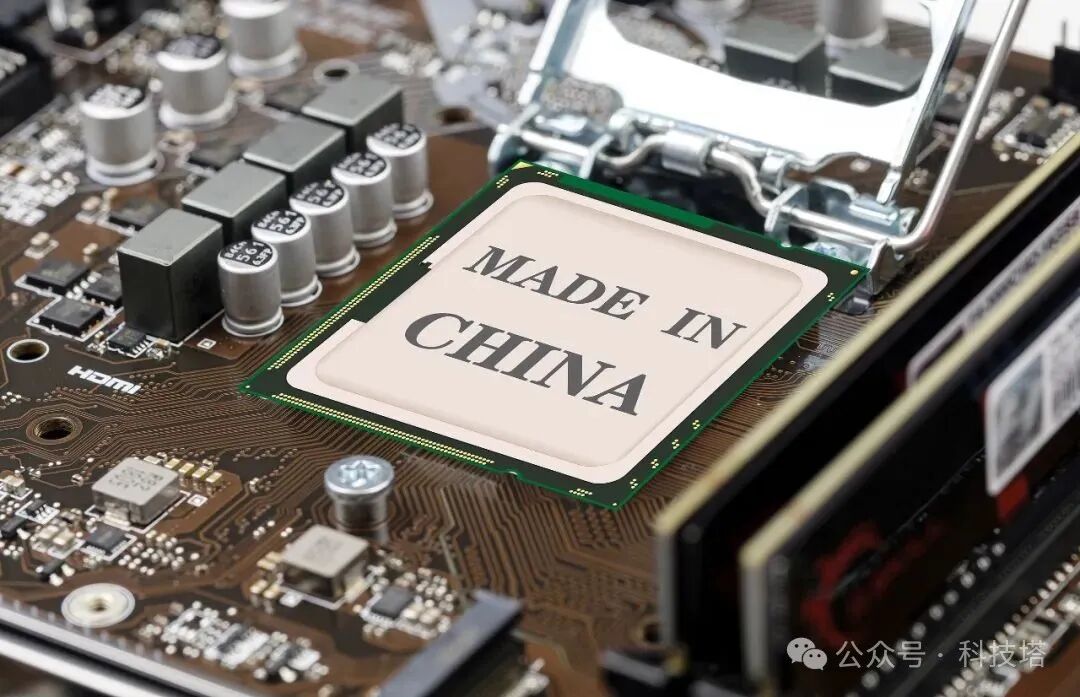
▲ Chinese manufactured chips Image/Visual China

Breaking Barriers Through “Scenes”: The Value Anchor of Technology
As domestic products collectively “go global,” they have all coincidentally anchored on a path of “breaking barriers through scenes.” When people passionately produce jokes for the Yangge robots on the “Spring Festival Gala,” developers at Yushu Technology are already gearing up to receive orders from around the world. Dressing in festive attire and integrating precise control technology into the “twisting Yangge” dance is one of the scenes created by Yushu. In fact, from quadrupeds to humanoids, Yushu has been working for years to make its products the “top flow” in the tech circle.
In 2023, robotic dogs made their debut at the Asian Games, naturally embedding motion control and dialogue models into the real work scenarios of transporting discus and javelins, quickly becoming a hot topic in overseas media. Chinese robot manufacturing IP has thus entered the international market, leading to a surge in overseas orders.
Theories and models ultimately need to step out of the laboratory and be validated in real application scenarios. Technology empowers applications, and applications allow people to see the value of technology. At the2025 World Artificial Intelligence Conference,RockAI showcased the application value of offline intelligence in areas such as privacy security, public welfare, and industrial upgrading. Among them, the AIPC, in collaboration with a leading overseas brand, emphasizes “offline usability,” enabling AI meeting assistants, AI photo albums, voice assistants, and local knowledge bases to function even without a network. While AIPC may not have a large market demand in network-rich China, it precisely fits the current state of network infrastructure in countries and regions along the “Belt and Road,” providing solutions for developing countries’ application scenarios. The theme of this year’s AI conference, “Intelligent Era, Together in Unity,” was fully presented in this innovative application. Ultimately, technology must adapt to demand, and “low computing power” and “fully offline” are technological advancements driven by the real pain points of target markets. This reflects the founding intention of RockAI: to enable every device in the world to possess its own intelligence.
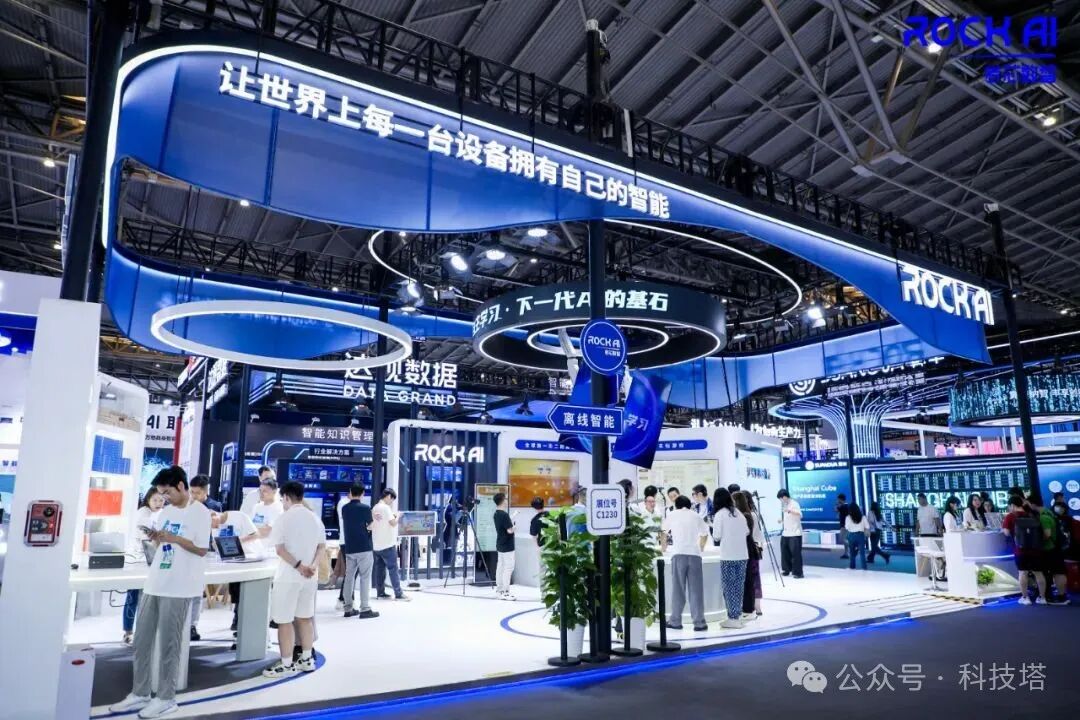
▲ RockAI booth at the 2025 World Artificial Intelligence Conference Image/RockAI provided
The rise of offline intelligence represents a leap for artificial intelligence from “network dependence” to “autonomous brain.” Because it is “offline,” it has inherent advantages in privacy and security: data does not need to be uploaded to the cloud, and users’ conversations, habits, and personal information can be completely retained locally, significantly reducing the risk of leakage or misuse.
Moreover, offline intelligence provides a smoother and more stable user experience. Even in the absence of a network or in weak network environments, intelligent systems can still respond and make autonomous decisions, no longer “stuttering” or “crashing”. Low latency and high responsiveness are particularly critical for scenarios involving smartphones, smart homes, automotive devices, and even robots.
The native memory capability also enables truly personalized services. No longer are responses uniform; instead, the system can understand users’ tones, preferences, and habits, even proactively adjusting styles and suggestions over time, constructing a more private, secure, autonomous, and truly understanding intelligent world for users.
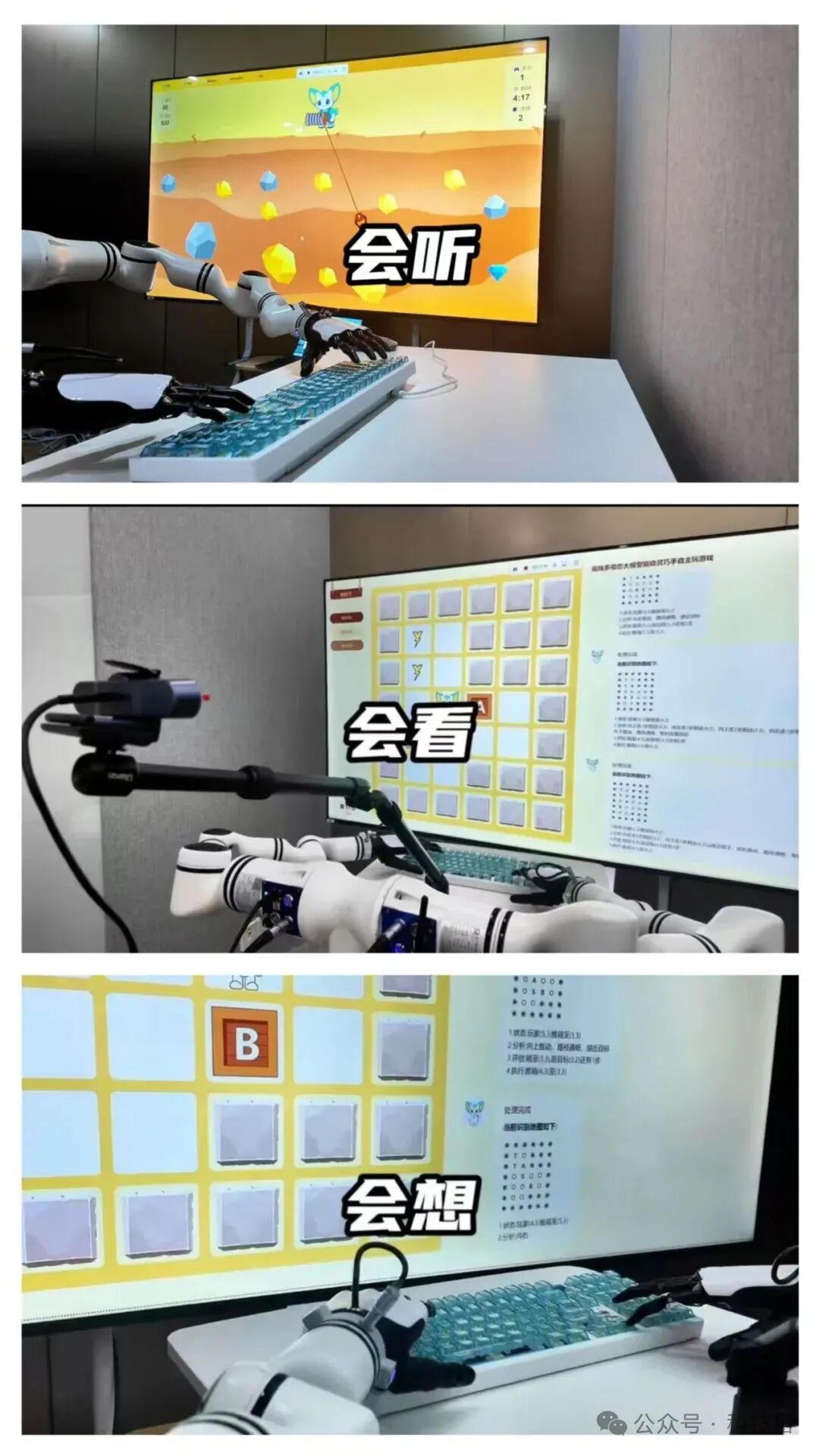
▲ A dexterous hand equipped with the Yan 2.0 Preview large model can play games autonomously
In RockAI’s vision, various devices in people’s lives can possess their own intelligence, such as televisions, routers, cameras… providing completely offline and privacy-secure large models from the edge. Perhaps at this stage, this concept has not yet been widely accepted, but the number of supporters for RockAI is growing.
Being close to the scene is the common goal of all technologies.Yushu enables robots to “step out of the laboratory,” while RockAI allows AI to “step out of the cloud”; both are reconstructing the value of scenes—not immersed in the theories of technological advancement, but allowing the application layer to speak. Thus, the “Chinese solution” seen in the international market not only possesses the strength of rapid innovation but also has a pragmatic and simple core. The essence of “new domestic products” innovation is the dual output of technology and culture.

Chinese-style “Going Global”: Adapting to Change
Before “Nezha 2,” it was hard to imagine that a Chinese film’s box office would be linked to the figure of15.4 billion yuan. The black-eyed “magic child” achieved this figure, making a significant impact on the international market, but it also represents a new route for Chinese culture to go global.
This may be considered a new approach, as Eastern stories have historically not attracted much attention from the international market. If only the core of traditional culture is present, narratives from different cultures struggle to break through globally. However, the visual imagery powered by self-developed3D technology serves as a universally understood aesthetic language.
People can glean similar “Chinese wisdom” from the overseas routes of “new domestic products.” Just as Yushu robots shock the overseas market with their cost-effectiveness, offering high-quality performance at a consumer-level price, targeting university laboratories and geek players to lower the threshold. DeepSeek soared to success by creating an open ecosystem for global developers through an open-source strategy, taking a path that others had not considered.
Meanwhile, the young innovative company RockAI, amidst the fierce “Hundred Model War,” chose not to engage in a battle on the crowded track but instead focused on non-Transformer architectures, breaking through the boundaries of large model applications and forging a path of innovative transformation.

▲ Image/Visual China
Innovation and transformation are not singular solutions. Just like in the field of AI research, regardless of the framework under which research is conducted, whether as a “technological revolutionary” or an “algorithm optimizer,”RockAI andDeepSeek are ultimately pursuing the same goal. Under different frameworks, technology complements each other, achieving excellence within existing frameworks while also paving the way for independence. The “twin flowers” of ChineseAI are quietly collaborating; these digital innovation companies are essentially doing the same thing: jointly completing the puzzle of China’s digital power, promoting “digital domestic products” to every corner of the world.
Perhaps this is a reflection of China’s technological innovation in the current era. Building independent strength with technological hard power, expanding the breadth of demand through scene understanding, and seeking target markets with globally adaptable solutions, achieving the dual output of “technology + culture.” Chinese tech companies are constructing a digital technology community, breaking through together, and delivering technological and cultural confidence to the world. From Huawei chips to Yushu robots, and then to innovative architecture companies like RockAI, the breakthrough of Chinese technological innovation is never a solitary endeavor, nor a battle of technical routes, but a demonstration of collective breakthroughs of Chinese innovative technological power, embodying the wisdom of China in the intelligent era, as well as the “harmony in diversity” beyond technology.