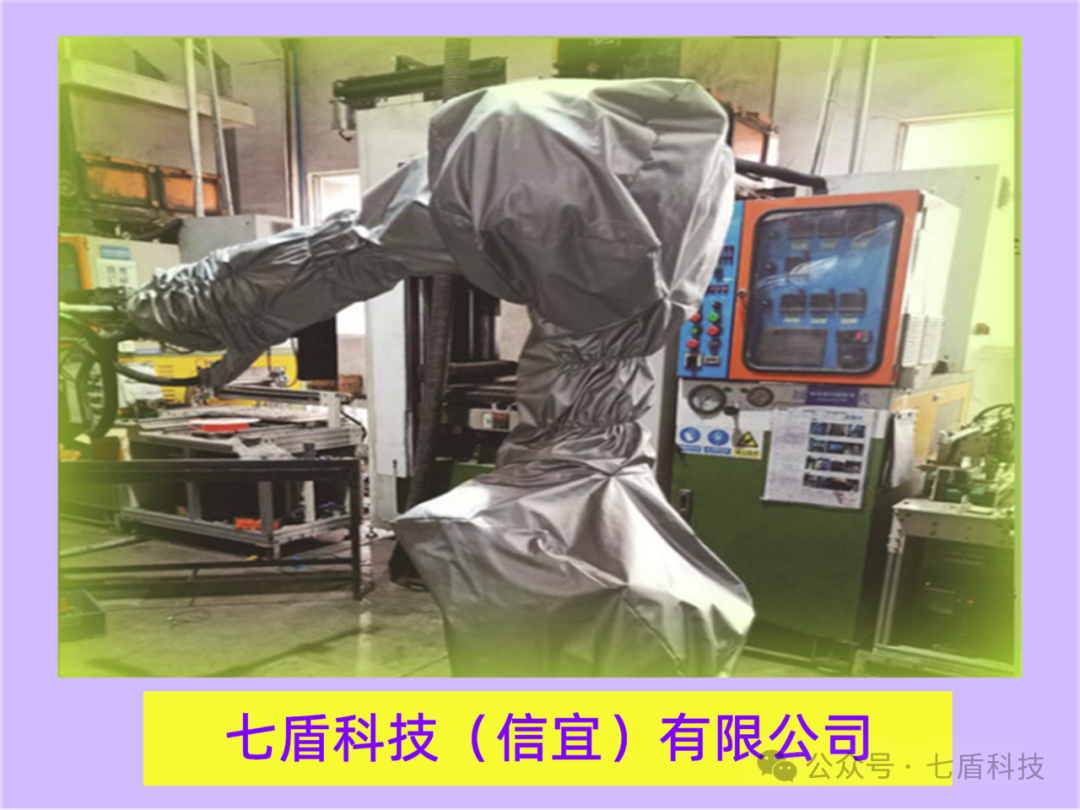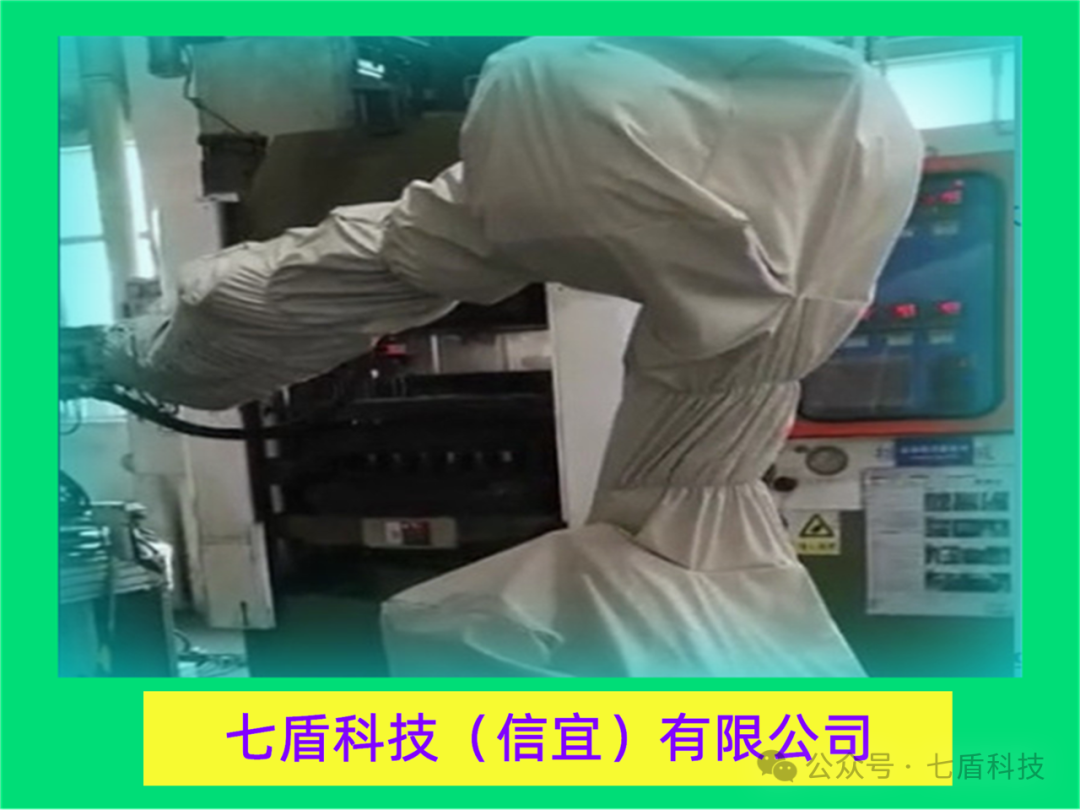
Key considerations for die casting robot protective gear encompass a series of important factors regarding the working environment, personnel protection, and equipment maintenance. In the die casting industry, robots are often used to perform highly repetitive, strenuous, or hazardous tasks, such as handling and grinding. This not only improves work efficiency but also ensures employee safety. However, the die casting robots themselves also require appropriate protection to ensure stable and reliable operation. Below, we will delve into the key usage considerations for die casting robot protective gear.
First, selecting the appropriate protective gear for die casting robots is an essential step. Due to the high temperatures, high pressures, and dust generated during the die casting process, the protective gear needs to have sufficient heat resistance, pressure resistance, and dust protection capabilities. When selecting, one should consider the size, shape, and working environment of the robot to ensure that the protective gear can fully cover the robot and withstand various pressures and temperatures that may be encountered during actual operations.
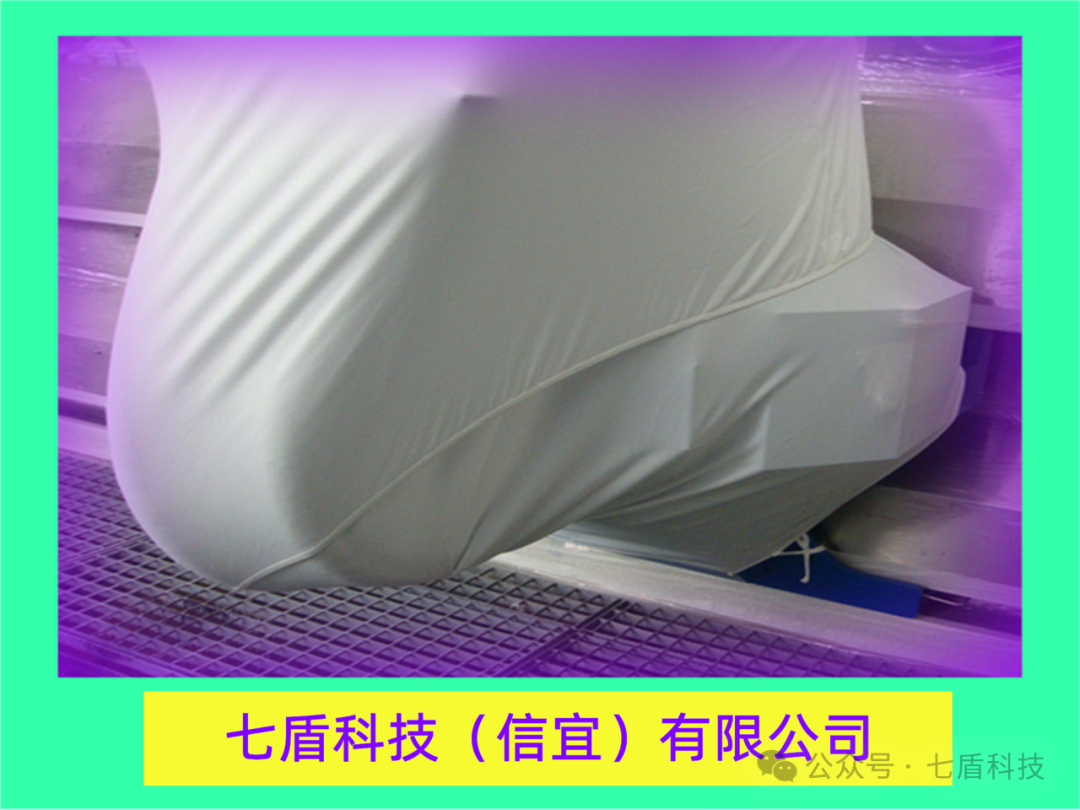
Secondly, regular inspection and maintenance of the protective gear are also very important. After prolonged use, the protective gear may experience wear and aging, which can affect its protective performance. Therefore, it is recommended to conduct regular inspections and replace the protective gear promptly if any issues are found.
Furthermore, it is necessary for operators to understand how to properly use and maintain the protective gear. This includes not only how to put on and take off the protective gear but also how to store it to maintain its performance and extend its lifespan. For example, the protective gear should be kept out of prolonged exposure to sunlight, as this may lead to material degradation; at the same time, it should not be stored in environments with excessively high or low humidity to prevent material deformation or damage.
In summary, considerations for die casting robot protective gear involve multiple aspects, including selecting suitable protective gear, regular inspection and maintenance, and educating operators on the correct use and storage of the protective gear. Through these measures, the die casting robots can be effectively protected, ensuring stable and reliable operation in various working environments. Additionally, this can reduce equipment maintenance costs and downtime, thereby improving overall production efficiency. Therefore, attention to and understanding of the considerations for die casting robot protective gear is undoubtedly an important aspect of enhancing work efficiency and safety.