Case Summary
Name: Mr. Shan
Chief Complaint: Missing right maxillary first molar (tooth 17), affecting chewing function, the patient requests implant restoration.
Preoperative Examination
Intraoral Examination
Tooth 17 extracted over a month ago, no redness or ulceration in the edentulous area, good mouth opening, and no clicking in the bilateral temporomandibular joints.
Radiographic Examination
Preoperatively, the patient underwent CBCT imaging, planning the implant site at tooth 17, with buccolingual alveolar bone width of 16.3mm and bone plane distance to the maxillary sinus floor of 13.6mm.
Treatment Plan
Preoperative Preparation
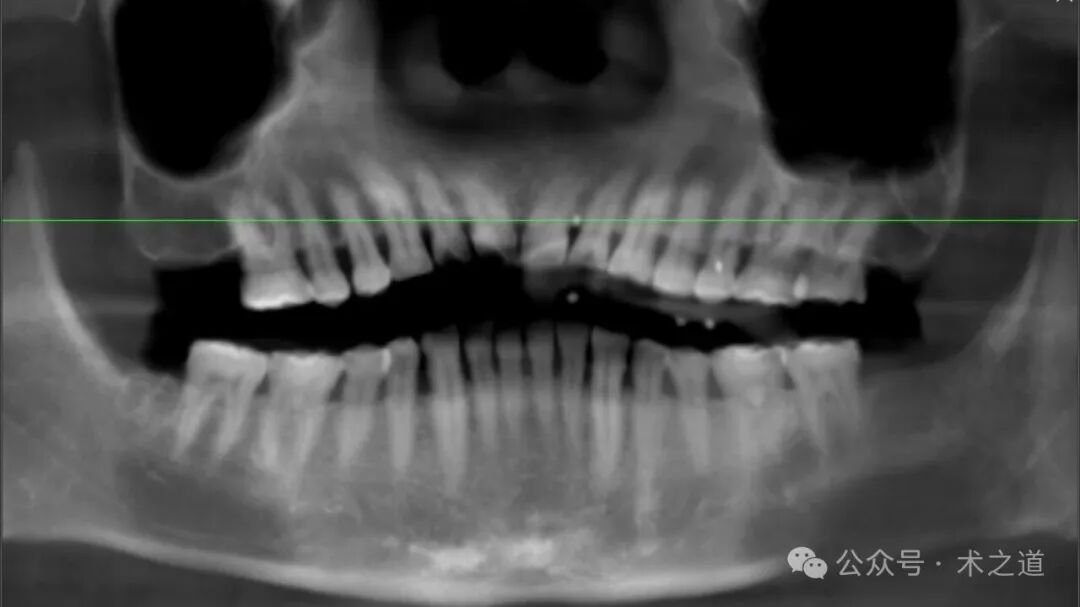
Figure 1 Wearing the oral position locator and taking CBCT
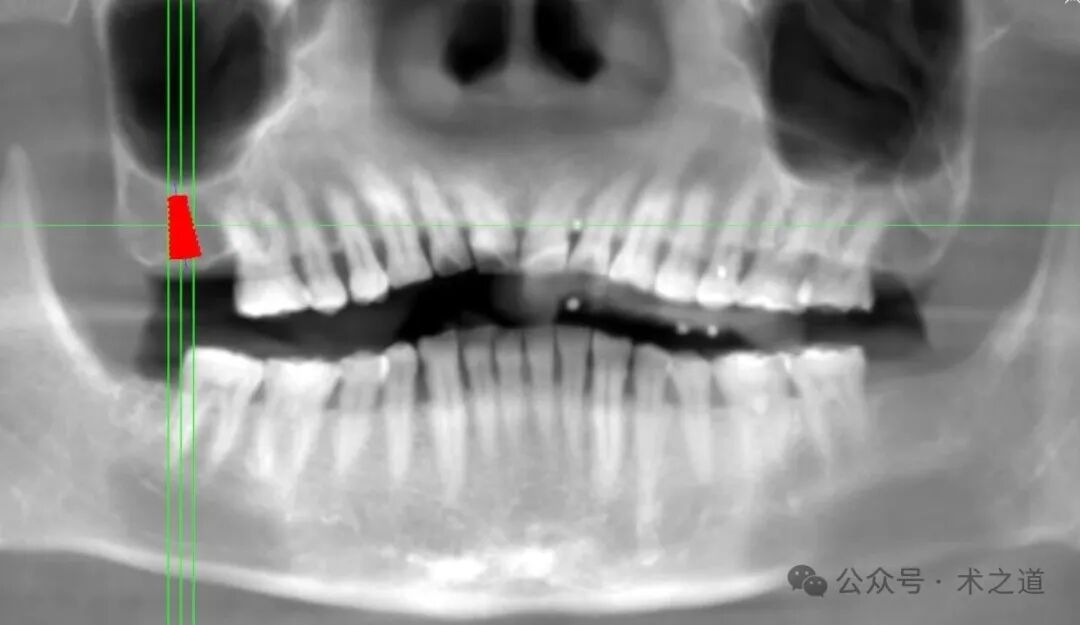
Figure 2 Preoperative implant position design
Traditional manual implantation in the maxillary posterior tooth area is limited by narrow space, and the surgeon often relies on tactile feedback, which can lead to inaccuracies in implant position, depth, or angulation due to hand tremors or angular deviations, thus affecting long-term stability;
The dental implant surgical robot completes a three-dimensional reconstruction of the jawbone using the patient’s CBCT images, allowing for preoperative planning of the optimal position, angle, and depth for the implant; it utilizes an optical tracking system to capture the relative position of the drill and the patient’s jawbone in real-time, displaying the drilling depth and direction on a monitor. When the drill approaches the preset safety boundary of the maxillary sinus floor, the system automatically slows down or stops to avoid perforation of the sinus membrane;
Implanted a 4.8mm*10mm bone-level implant at tooth 17..Postoperative Evaluation
Postoperative Radiographic Evaluation
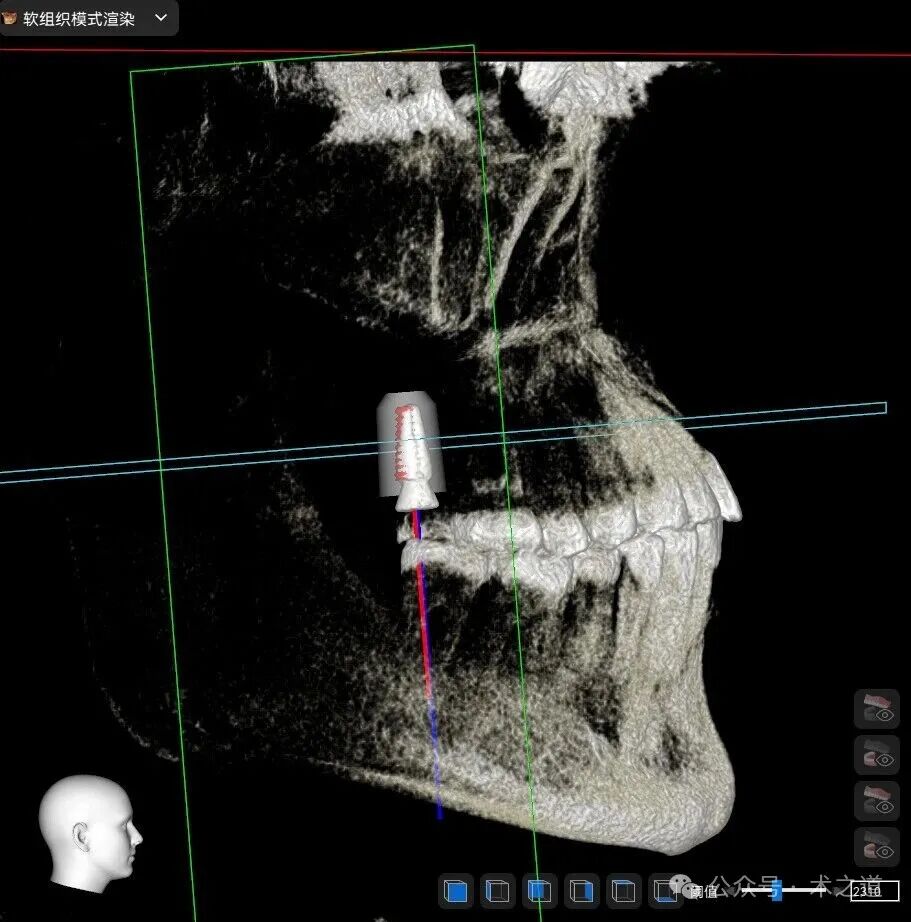
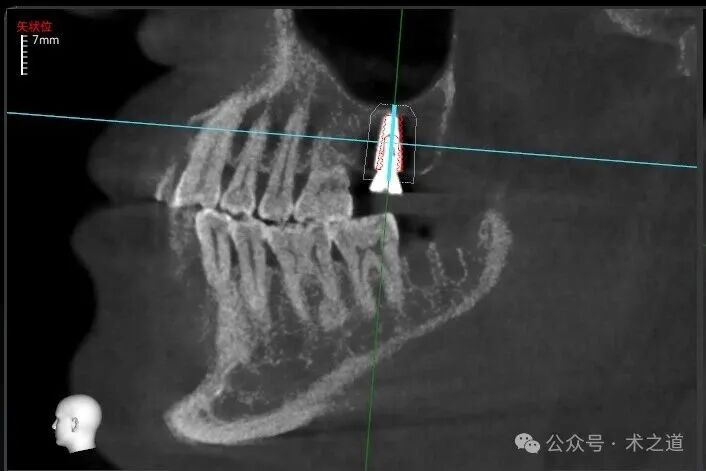
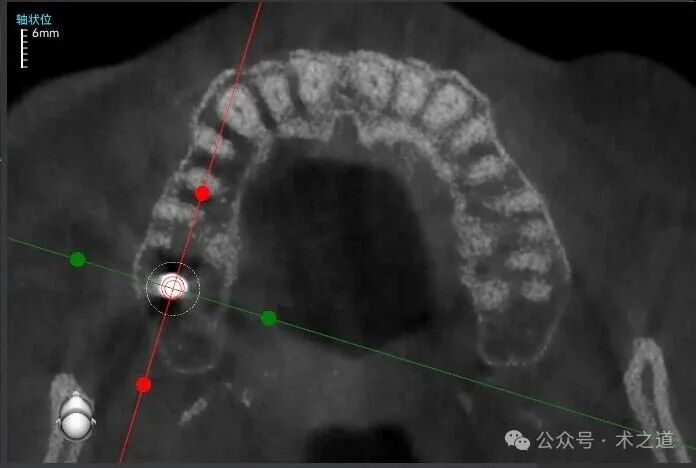
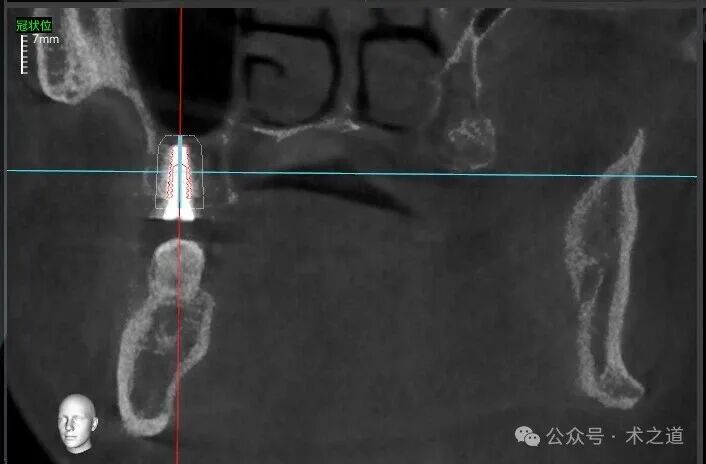
Figure 3 Postoperative implant position
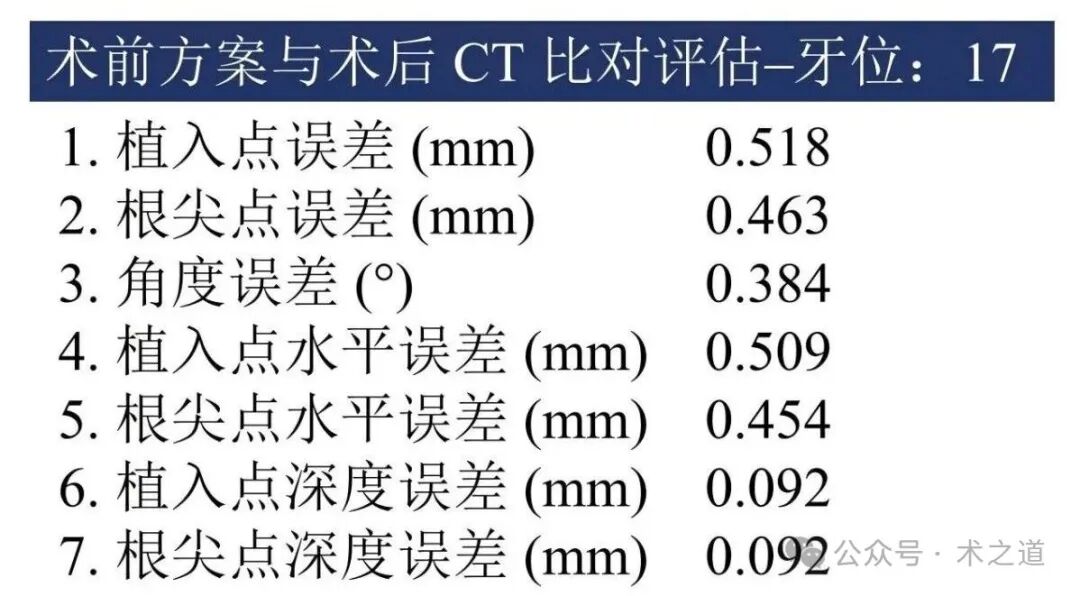
Figure 4 Comparison evaluation of postoperative implant position
ConclusionThe dental implant surgical robot combines artificial intelligence and robotic technology to provide a more reliable and safer treatment experience for both patients and doctors, ultimately making the implant surgery less invasive, allowing for faster recovery, and significantly enhancing the overall treatment experience and long-term outcomes.
Full Process Three-Dimensional Planning
The entire process covers preoperative, intraoperative, and postoperative phases: precise preoperative planning based on CBCT data; utilizing robotic arms for precise drilling and implantation during surgery; and real-time verification of accuracy through image fusion technology postoperatively, ultimately achieving precise implant placement and reliable quantification of clinical outcomes.
Precision Execution
Real-time capture and synchronization of the patient’s slight movements through the optical positioning system ensure precision and stability in surgical operations.
Real-Time NavigationThe entire surgery is conducted under real-time navigation of three-dimensional images, with a six-dimensional force sensor providing precise force feedback to the robotic arm, continuously monitoring and adjusting the operational force, surpassing traditional tactile feedback in both visual and tactile aspects, ensuring the precision and safety of the implant.