From Chang’e 5 to Lunar Bases: In 2020, the Chang’e 5 mission brought back 1731 grams of lunar soil, and scientists discovered that these “space sands” hold the key to building lunar bases—they can be directly used for 3D printing! Today, the China Deep Space Exploration Laboratory has developed the world’s first lunar soil melting 3D printer, and by 2030, we may establish the first human habitat on the Moon.
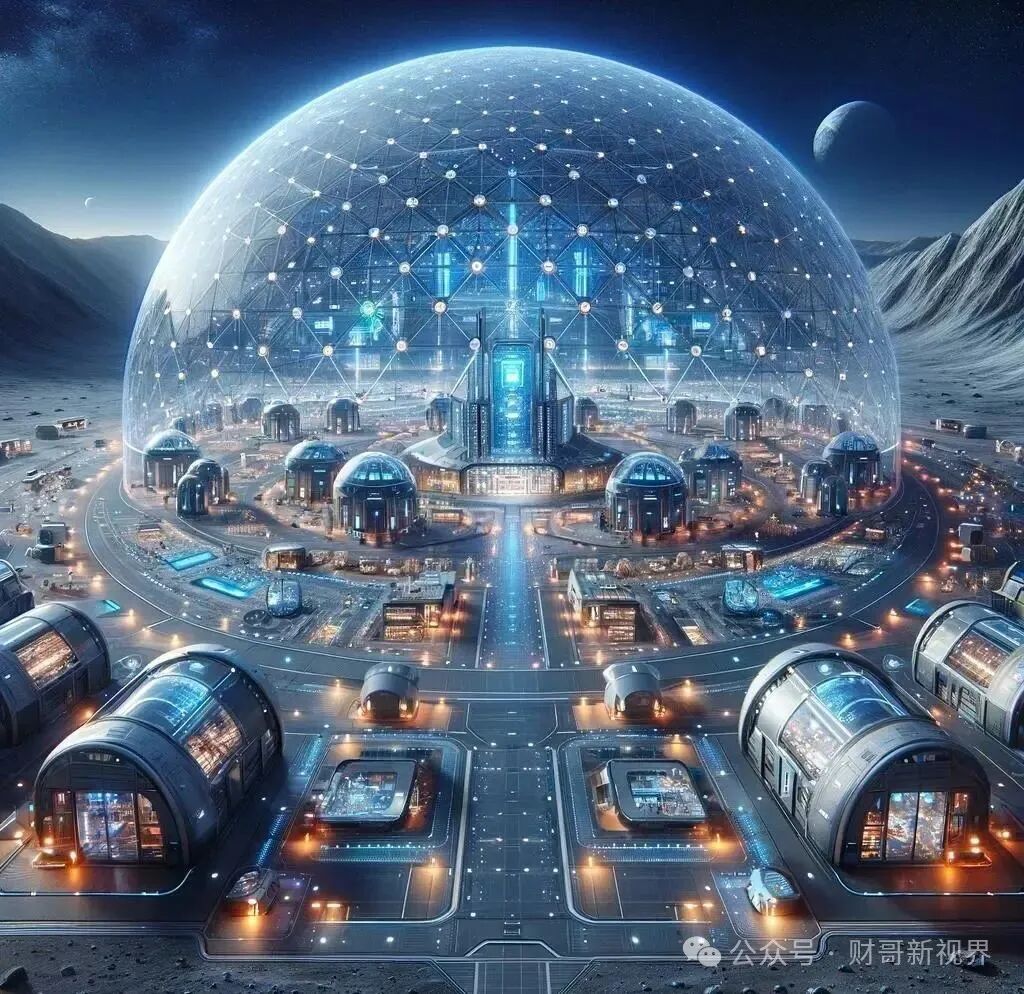
1.Lunar Soil: An Unusual “Space Building Material”
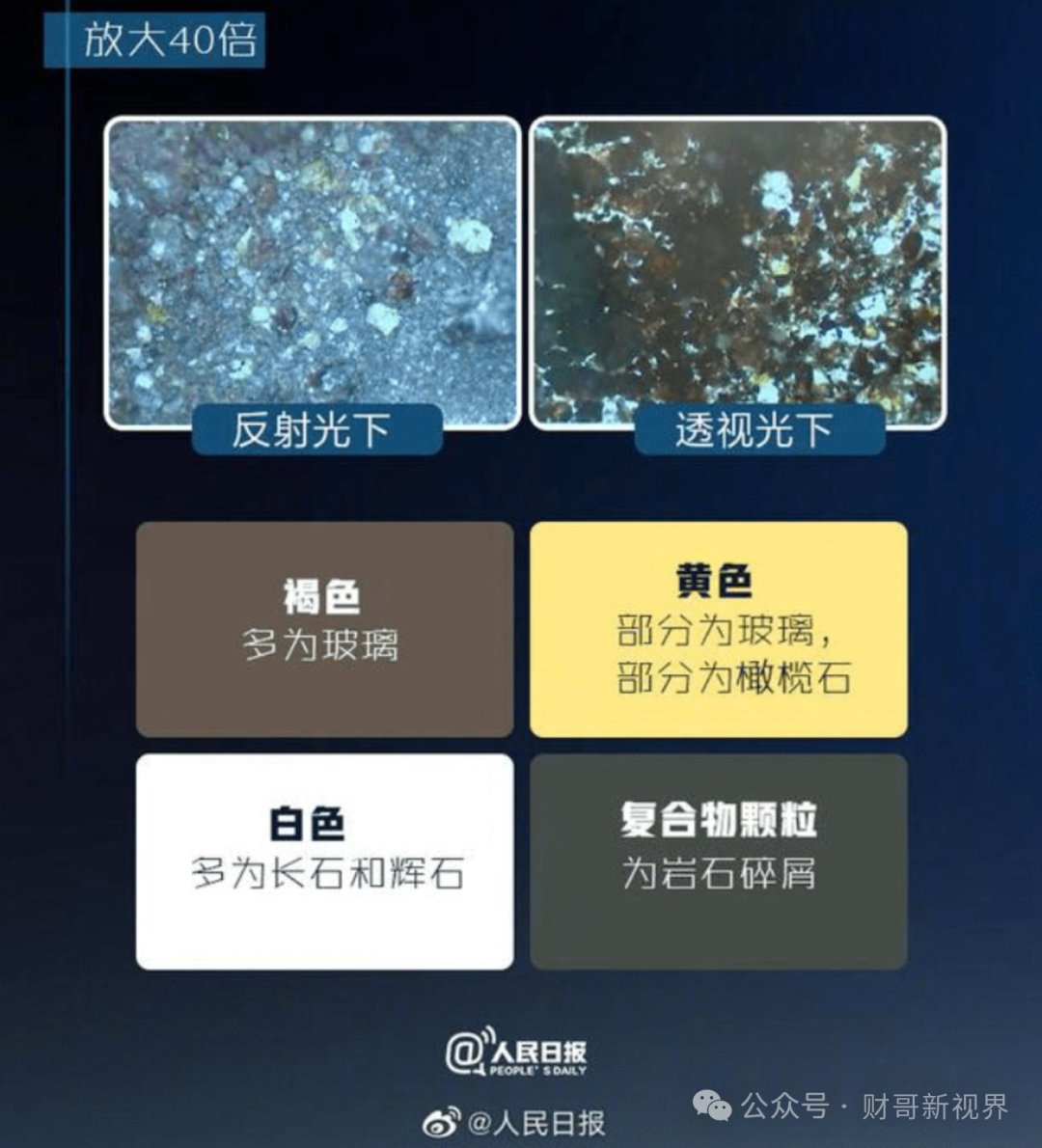
lComposition Revealed
Lunar soil consists of 42% oxygen, 21% silicon, 13% iron, and various metal oxides, fundamentally different from terrestrial soil: Zero organic matter: devoid of moisture and microorganisms
Sharp particles: Billions of years of meteorite impacts have created angular debris, with an average particle size only as thick as a hair (60-80 microns)
Self-magnetic: Micrometeorite bombardment produces nano-sized iron particles that can adhere to equipment surfaces
lThree Major Technical Challenges
Extreme temperatures: The temperature difference on the Moon can reach 300℃ between day and night
Electrostatic adhesion: The dry environment causes lunar dust to contaminate equipment like “magnetic powder”
Bonding issues: Lack of moisture renders traditional cement ineffective
Scientists’ solution: Tsinghua University has created “lunar concrete” with a compressive strength of 31MPa using high-performance fibers and simulated lunar soil, meeting standard construction requirements!
2. 3D Printing: The Game Changer for Lunar Construction
(1) Timeline of Chinese Technological Breakthroughs
|
Year |
Achievements |
Institutions |
|
2018Year |
3D printing lunar soil components using stereolithography, achieving strength exceeding international standards by 2 times |
Chinese Academy of Sciences |
|
2023Year |
Beihang University used simulated lunar soil to 3D print sample bricks, obtaining 60mg of real lunar soil from Chang’e 5 for research |
Beihang University |
|
2024Year |
Concentrated solar energy melting printer (1300℃ high-temperature forming, precision error<5%) |
Deep Space Exploration Laboratory |
(2)Core Technology Analysis
Solar Melting Technology
Principle: Focus sunlight using mirrors→Conduct heat through optical fibers→Layered melting of lunar soil[91]
Advantages: No need for transport adhesives, lunar soil serves as raw material
Photopolymer Printing
Breakthrough: High solid content lunar soil paste forms three-dimensional shapes, reducing shrinkage by 40%
Application: Future lunar base outer walls can be printed with heat dissipation channels
3. Global Race: Countdown to Lunar Factories
1.China’s Roadmap
2024Year: Chang’e 6 will collect samples from the far side of the Moon
2026Year: Chang’e 7 will search for water ice at the lunar south pole
2028Year: Chang’e 8 will conductin-situ construction verification using lunar soil
2.International Layout
Europe: Plans to 3D print living modules using lunar soil by 2025
NASA: Developing basalt lunar bricks with strength exceeding that of special concrete
Russia:By 2025, verification of resource utilization at the lunar south pole
4. Future Outlook: Sci-Fi Scenarios for Lunar Bases
1.Energy Self-Sufficiency Systems
Oxygen extraction from lunar soil:NASA has entered the experimental stage for melting lunar soil to produce oxygen
Titanium iron ore electrolysis:1 ton of lunar soil can extract150kg of liquid oxygen
2.Intelligent Construction Revolution
Robotic Swarms: Autonomous printing of radiation protection domes
Lunar Soil Fibers: High-strength building materials+spacesuit materials (Pacific Space Center achievements)
3.Deep Space Springboard
The lunar base will serve as a “refueling station” for Mars missions—producing 90% of fuel on-site, reducing costs by a hundredfold
Conclusion: A Manufacturing Revolution Across Earth and Moon
When Apollo astronauts first collected lunar soil, no one imagined that this dust would become the cornerstone of humanity’s interstellar colonization. From the melting printer in an Anhui laboratory to the lunar soil bricks developed by the Beihang team, China is turning science fiction into reality. Perhaps soon, when we gaze at the night sky, we will see the shimmering3D printing lasers on the Moon—the dawn of humanity becoming a “multi-planet species”.
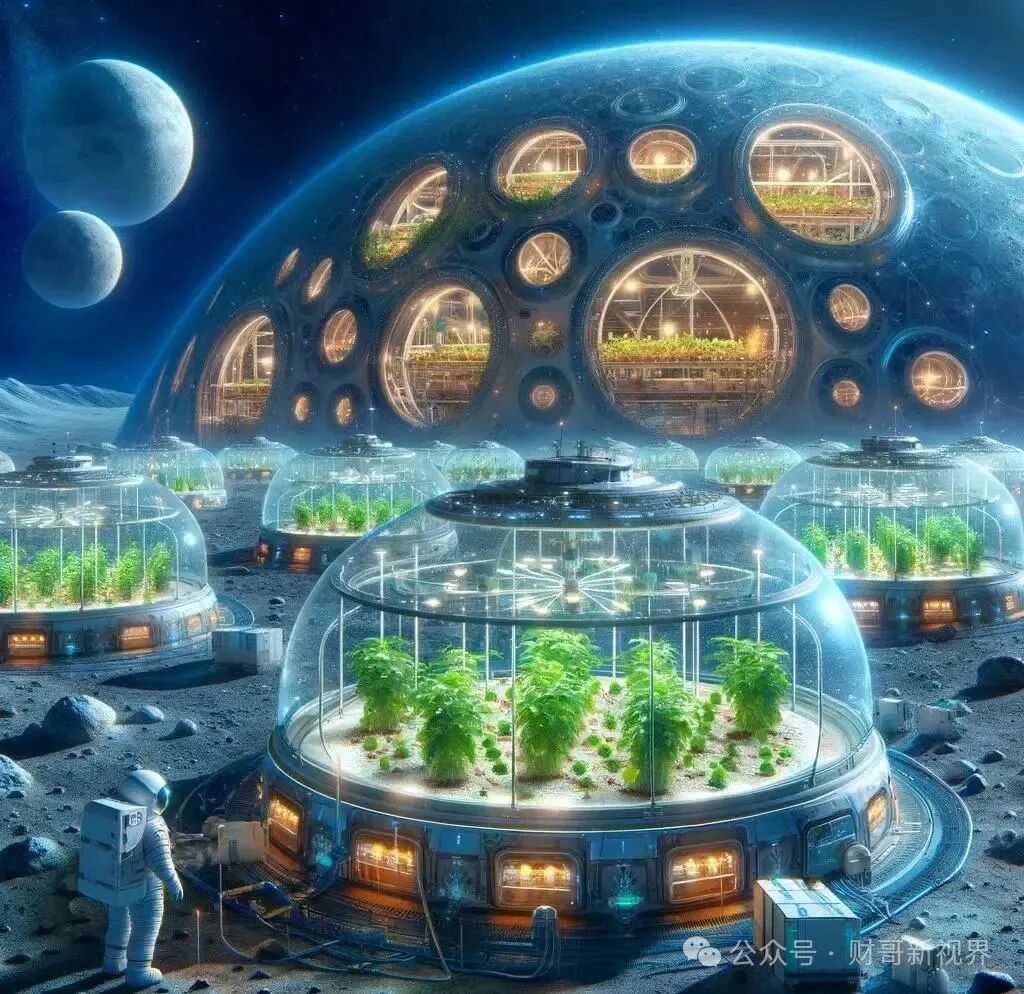
The ultimate challenge of lunar soil printing may beto create life support systems in a vacuum—but scientists believe that through the fusion of lunar water ice and3D printing, this “eighth continent” will eventually nurture all life.
This article references authoritative literature: NASA’s “Lunar Sourcebook”, the Chinese Society of Astronautics’ “Lunar Research Station Resource Utilization Roadmap”, and the Chinese Academy of Sciences’ lunar soil characteristics report.