From the extensive use of the so-called “Iranian Little Motorcycle” known as the “Shahed-136” suicide drone by the Russian military in the Russia-Ukraine conflict, to threats from high-ranking U.S. military officials to use a massive number of unmanned equipment to create a so-called “hellish landscape” in the Taiwan Strait, the underlying strategy is remarkably consistent: “To deploy and utilize unmanned combat equipment on a large scale, aiming to exhaust and destroy the opponent’s war resources, ultimately achieving the effect of overwhelming the adversary.”Since the goal is to pursue quantity, the related equipment naturally cannot be too expensive or complex; otherwise, large-scale procurement and production would be difficult to achieve. Today, China’s proposed solution may very well be the optimal answer for the foreseeable future.
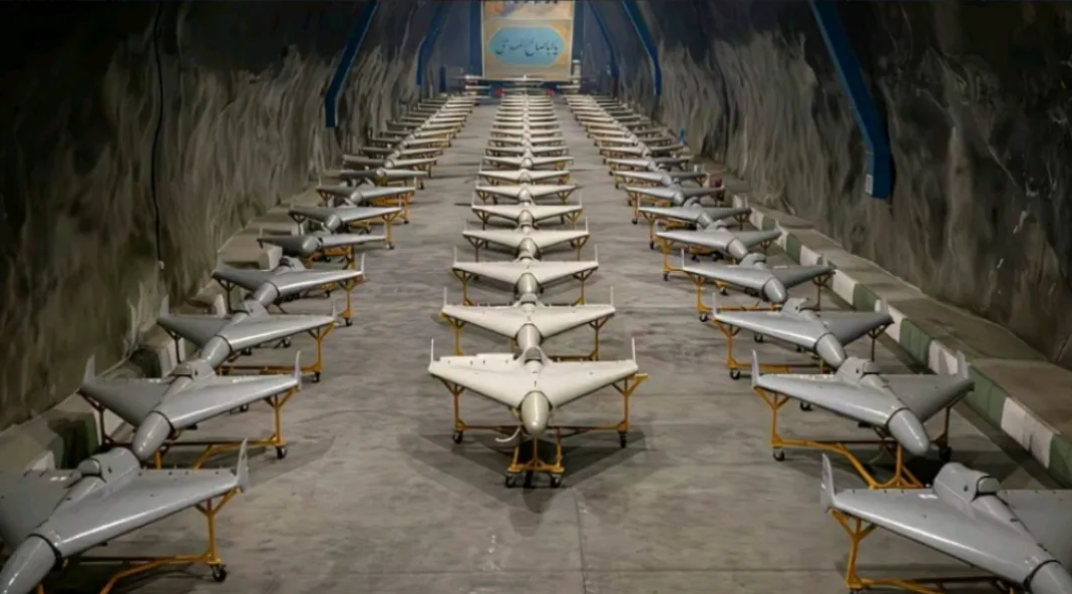 Cost-effective “Iranian Little Motorcycle”
The official account of the China Aviation Engine Group, “China Aviation Engine,” announced that a 3D printed ultra-simple lightweight micro turbojet engine developed independently by the China Aviation Engine Research Institute has successfully completed its first flight verification in Inner Mongolia.Reportedly, this is a turbojet engine with a thrust of 160 kilograms and a maximum flight altitude of 4,000 meters..
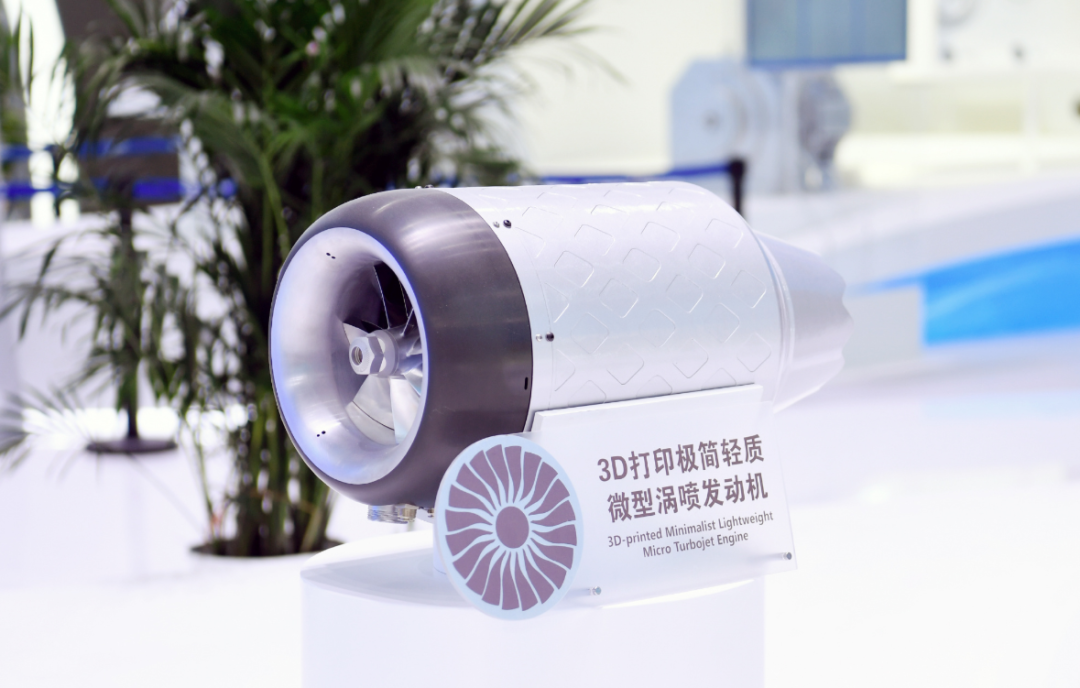 Domestic 3D Printed Turbojet Engine Revealed
At this point, some may say, “I thought it was a new type of aviation engine with significant thrust, but it only has 160 kilograms. What can that do?” Indeed, for those accustomed to the advancements in medium and high-thrust aviation engines in China, a small thrust level of 160 kilograms may seem uninteresting.However, it is important to note that on the modern battlefield, small thrust aviation engines have significant potential, serving as power systems for small cruise missiles, small drones, and loitering munitions..
 Domestic 3D Printed Turbojet Engine Completes First Flight Verification
A small turbojet engine with a thrust of 160 kilograms can essentially drive aircraft with a takeoff weight of 500 to 600 kilograms, allowing for sustained flight at speeds of several hundred kilometers per hour. If the fuel consumption can be controlled at an ideal level, achieving a flight range of 200 to 400 kilometers is not an unattainable goal.So, what type of aircraft would possess the aforementioned performance characteristics? Many may already have the answer in mind. That’s right, it is the suicide drone/loitering munition..
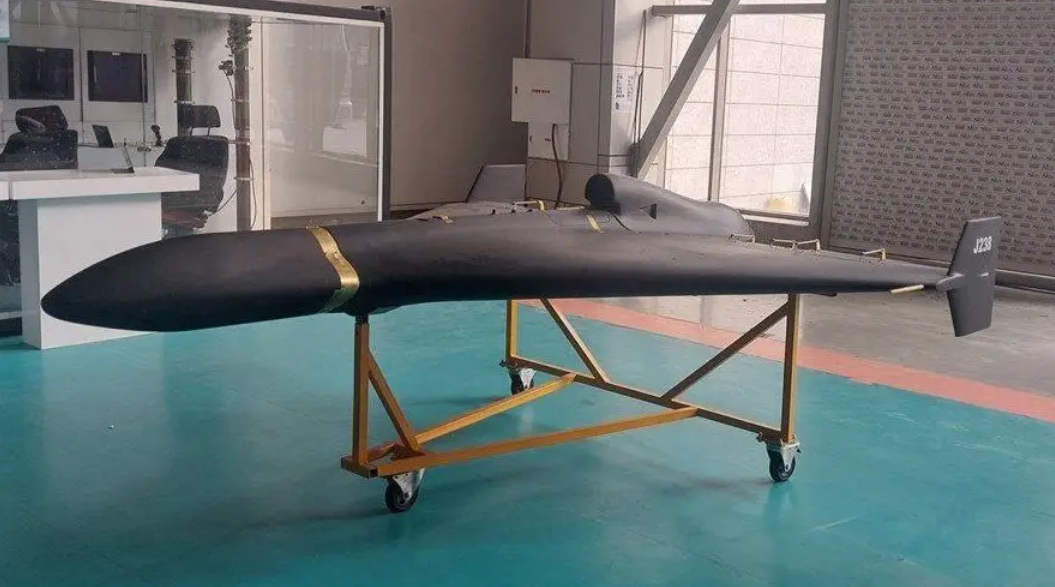 “Shahed-238” Equipped with a Turbojet Engine
We know that after the “Shahed-136” gained fame on the Ukrainian battlefield, Tehran introduced its upgraded version, the “Shahed-238,” which is equipped with a turbojet engine. While maintaining the two major advantages of the “Shahed-136″—low cost and ease of manufacture—the “Shahed-238” has significantly increased its flight speed by switching from a turboprop engine to a turbojet engine, thereby enhancing its penetration capability and ability to strike time-sensitive targets.
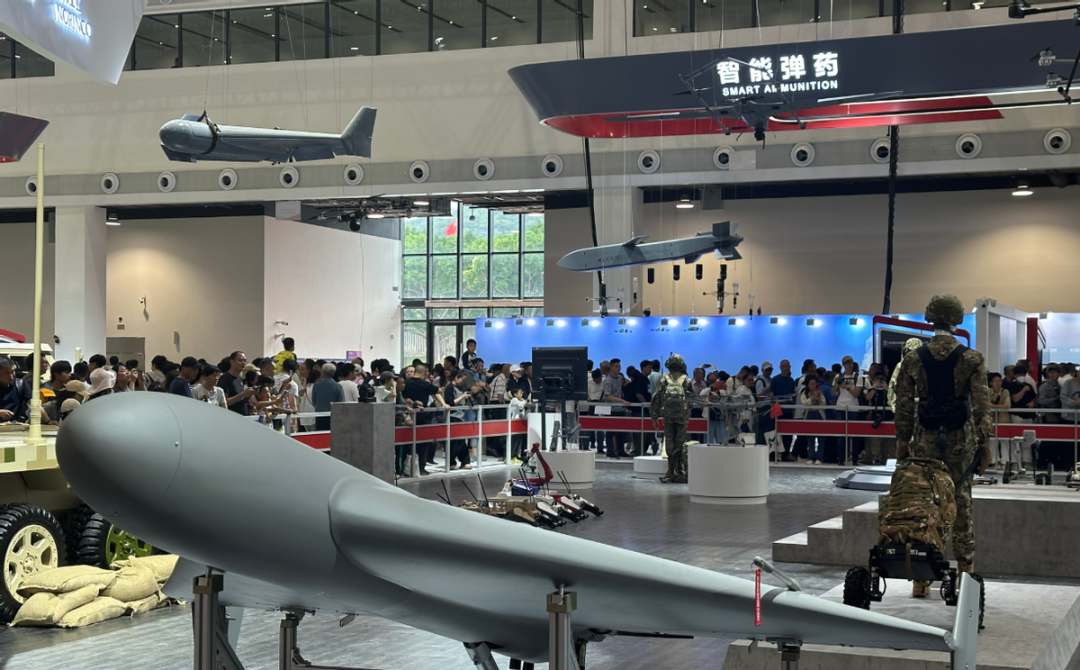 Domestic Suicide Drone Similar to the “Shahed-136”
In China, with this domestically produced 160-kilogram thrust small turbojet engine, we are likely to create a product with a cost lower than that of the “Iranian Little Motorcycle.” The reason is simple: this engine utilizes 3D printing technology, which inherently reduces production difficulty and time, resulting in lower production costs and higher output within a given timeframe. Initially, when Russia imported the “Shahed-136,” its unit price was believed to reach $20,000, which already amazed many with its “cost-effectiveness.”Now, thanks to the application of 3D printing technology, the domestic suicide drone/loitering munition equipped with this small turbojet engine will likely be significantly lower than the $20,000 per unit price..
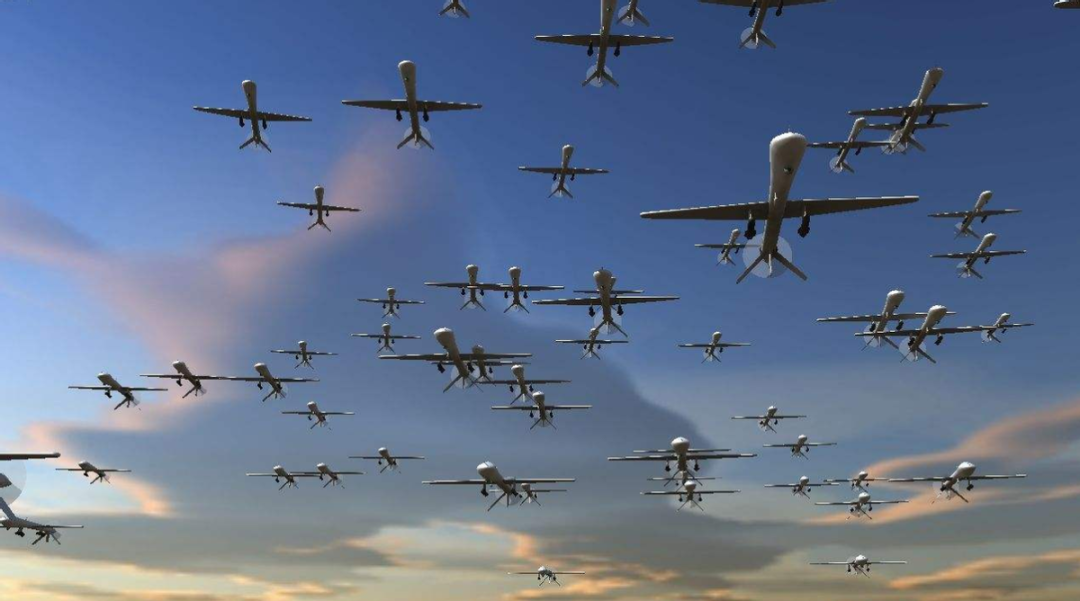 “Hellish Landscape” May Be Achieved by China
With low cost + rapid mass production + a range of 200 to 400 kilometers, upon careful consideration, the domestic suicide drone/loitering munition equipped with this engine is poised to deliver swarm-style strikes against various targets on the “First Island Chain.” Even if the strikes are not successful, it would still lead to significant consumption of the opponent’s air defense munitions, aptly described as the “Happy Bomb of the First Island Chain.” “Using 1 million suicide drones/loitering munitions to overwhelm the ‘First Island Chain'” is no longer just a dream. As the saying goes, “The U.S. is responsible for proposing the concept, while China is responsible for realizing it.” The true “hellish landscape” may only become a reality in China.