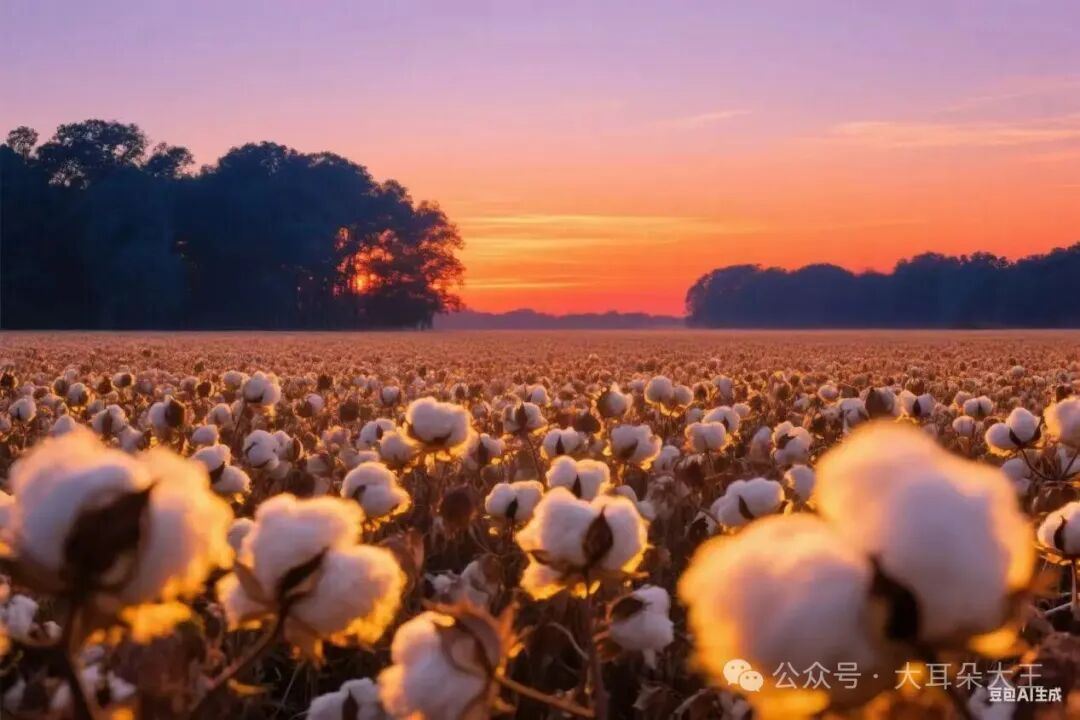
In the fields of Xinjiang, technology is redefining agriculture. As IoT sensors delve into the soil and blockchain technology records the growth journey of each crop, traditional farming is becoming unprecedentedly intelligent and precise. This scene unfolds simultaneously in the lush GAP medicinal material base and the vast smart cotton fields, showcasing the tremendous power of digital transformation in Xinjiang agriculture.
In the Hotan region, Xinjiang’s first licorice GAP technology innovation demonstration base has become a model for “digital agriculture.” Here, the traditional practice of relying on weather and experience has been replaced by a highly intelligent system. IoT technology forms the “nerve endings” of the system: various sensors deployed in the fields continuously collect data on soil moisture, temperature, pH, nutrient content, as well as air temperature and humidity, and light intensity. This real-time data is transmitted to a big data platform, where it is analyzed and processed, allowing the system to automatically make decisions, triggering the drip irrigation system for precise watering and fertilization, or sending pest and disease alerts to the administrator.
This not only greatly enhances the efficiency of water and fertilizer use, which is particularly significant for water-scarce Xinjiang, but more importantly, it ensures that licorice grows in the most suitable environment, fundamentally guaranteeing the stability of the yield and quality of medicinal materials, which is the core requirement of GAP standards.
Meanwhile, the same technology is widely applied in Xinjiang’s vast cotton fields. Smart cotton fields utilize an integrated monitoring system of “sky, air, and ground” through satellite remote sensing, drone patrols, and ground sensors to achieve macro control and precise management of cotton growth, soil moisture, and disaster conditions. Cotton farmers can view field data and remotely control irrigation equipment through a mobile app, becoming “new farmers at their fingertips.”
If IoT and big data solve the question of “how to grow well,” then blockchain technology aims to address the question of “how to verify clearly.” Whether it is GAP medicinal materials or sustainable cotton, consumers and buyers are most concerned about how the claimed “green,” “sustainable,” and “high quality” can be validated.
Blockchain technology, with its immutable and traceable characteristics, perfectly serves as a “digital trust machine.” In the licorice GAP base, every step from seed source, planting operations, agricultural records, environmental data to harvesting, processing, testing, and transportation is digitally recorded on the blockchain. Ultimately, a unique QR code is generated. After scanning the code, consumers can see the complete “lifecycle story” of this package of licorice, including videos of its growing environment, irrigation records, pesticide residue testing reports, and all information is authentic and credible.
This is entirely consistent with the working principle of the sustainable cotton traceability system. Each certified Xinjiang cotton package also has its own “digital ID,” recording which farm it came from, what water-saving and energy-saving technologies were used, and whether it meets social responsibility standards. This extreme transparency builds an unbreakable market trust and serves as the technological foundation for product brand premium.
Digital technologies such as IoT, big data, and blockchain are blurring the boundaries between GAP medicinal materials and smart cotton fields. They collectively point to a future where agriculture is no longer a “black box operation,” but a transparent, intelligent, efficient, and trustworthy modern industry. By deeply integrating digital technology into these two advantageous industries, Xinjiang not only installs a strong engine for its high-quality development but also provides a leading practical model for the digital transformation of agriculture in China.