Journal Introduction: Precision Agriculture (IF: 6.6)
Online Date: 2024.02.27
First Author: Josephine Bukowiecki; Corresponding Author: Josephine Bukowiecki
Author Affiliation: Institute of Agricultural and Crop Sciences, Kiel University
01 Research Background and Challenges
Precision agriculture relies on the rapid and accurate assessment of the Green Leaf Area Index (GAI) and total nitrogen uptake (total N) during the crop growing season to support crop modeling, yield prediction, drought stress assessment, and nitrogen fertilizer optimization. In recent years, the rapid development of drone (UAV)-based remote sensing technology has facilitated high spatiotemporal resolution monitoring of GAI and total N. However, the rapid iteration of existing sensing technologies and high sampling costs have led to a lack of unified calibration references for single UAV multispectral sensors, specifically manifested in:
(1) Difficulty in constructing cross-crop unified models — Different crops exhibit variations in spectral response, canopy structure, and nitrogen accumulation patterns, making empirical models based on a single vegetation index often lack cross-crop applicability.
(2) Limited sensor band configuration — The existing four-band (green, red, red edge, near-infrared) configuration struggles to simultaneously meet the optimal sensitivity requirements for different crops and parameters (GAI, total N), restricting the model’s transferability.
(3) High dependence on field sampling — Model calibration requires a large amount of destructive sampling, which is time-consuming and costly, hindering long-term and large-scale promotion.
(4) Insufficient monitoring of key growth stages — Reliable inversion of total N is mainly limited to the pre-flowering period, and the nitrogen redistribution and dry matter accumulation processes post-flowering are challenging to accurately capture with existing methods.
(5) Limited extrapolation and generalization capabilities — Under conditions of high GAI canopies, lodging, or complex canopy structures, model performance may exhibit underestimation or bias.
02 Research Methods and Content
To address the above issues, this study developed a calibration system for GAI and total N inversion based on UAV multispectral sensors, using a dataset from multiple locations in Germany from 2017 to 2022, focusing on four common crops: silage maize, winter barley, winter rapeseed, and winter wheat. Specifically, it includes:
(1) Establishing GAI inversion models for the entire growing season for the four crops, as well as pre-flowering total N inversion models, and independently evaluating them using data from independent years and experimental sites;
(2) Assessing the feasibility of constructing a unified GAI and total N inversion model, and introducing binary factors for winter barley and winter rapeseed to correct the growth stage variations in the GAI/total N ratio;
(3) Calculating the PAR during the growth cycle based on the GAI curve (LOESS interpolation) to examine the relationship between radiation absorption and final dry matter; simultaneously, examining the correlation between total N at the last UAV flight before flowering and the harvested nitrogen yield/yield.
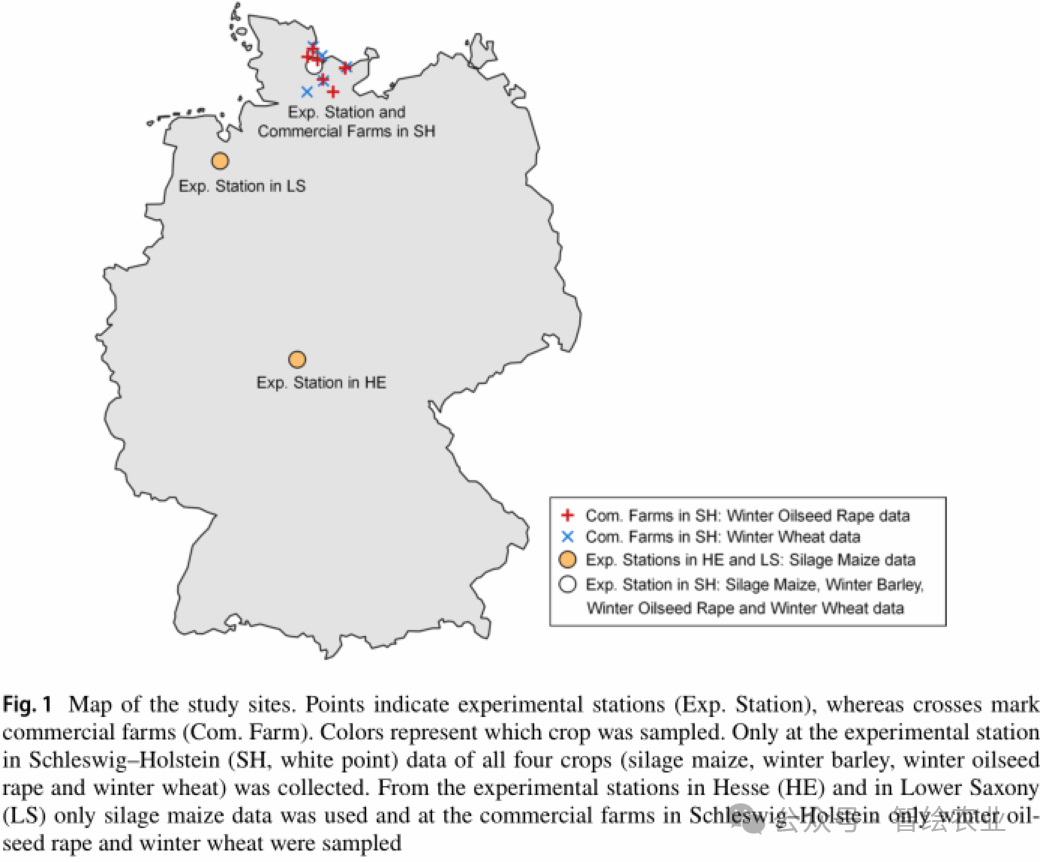
Figure 1. Research Area
03 Research Results and Conclusions
This study calibrated GAI estimation models and pre-flowering total nitrogen uptake assessment models for four important crops (silage maize, winter barley, winter rapeseed, and winter wheat) based on UAV multispectral measurements throughout the entire growing season. The results indicate that these calibrations provide accurate results for crop parameters as well as GAI and Total N predictions for each crop, but due to the limitations of the wide bands of UAV sensors, a unified model for the four crops could not be established. Additionally, in the calibration model for Total N, significant variations in the GAI/N ratio during the nutritional growth stages of winter rapeseed and winter barley need to be fully considered.
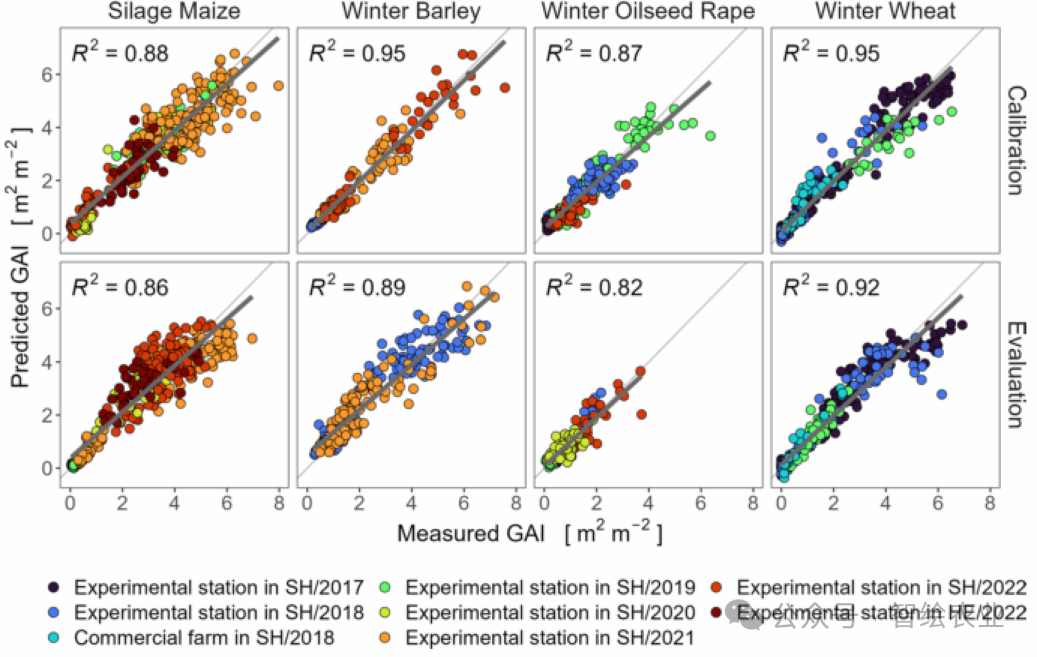
Figure 2. GAI Inversion Results
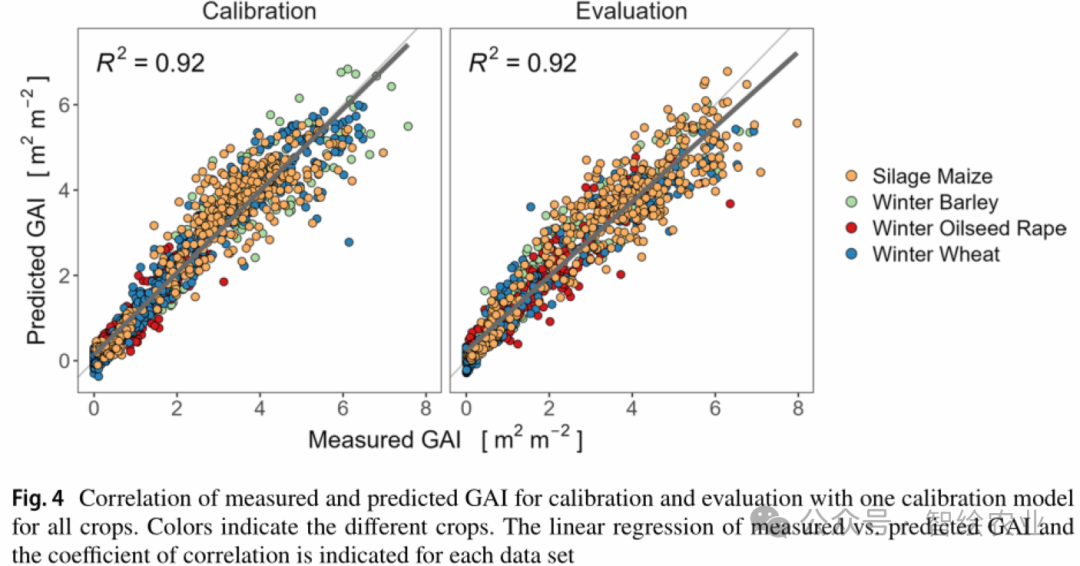
Figure 3. GAI Unified Model Effect
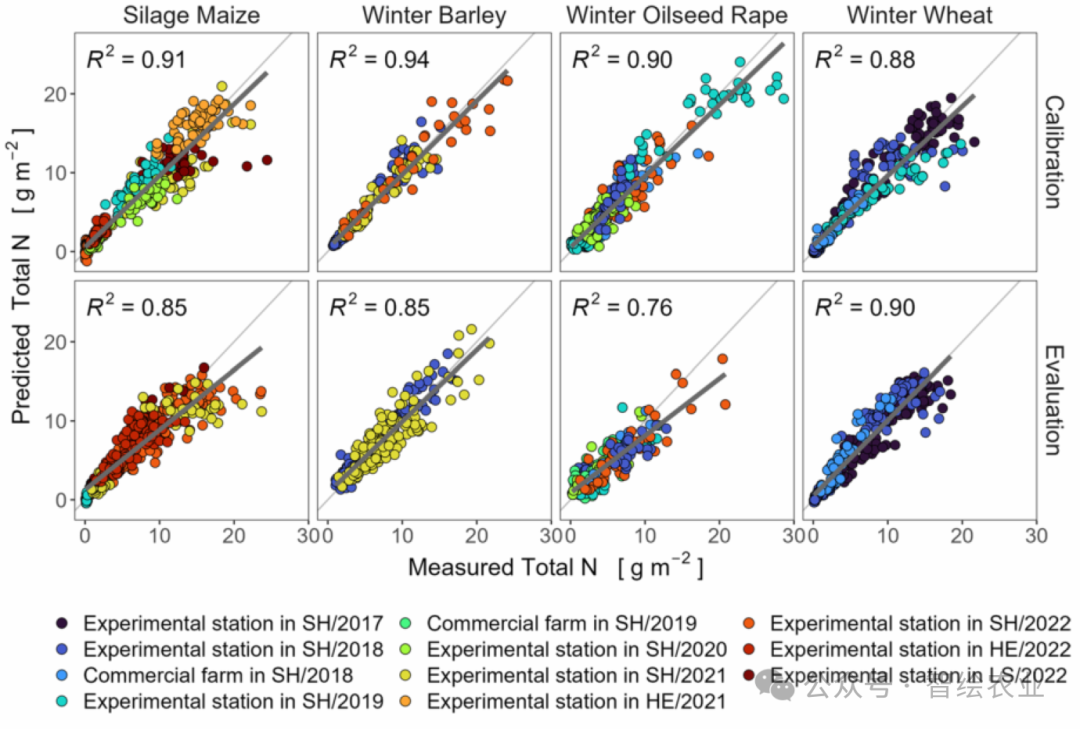
Figure 4. Total N Inversion
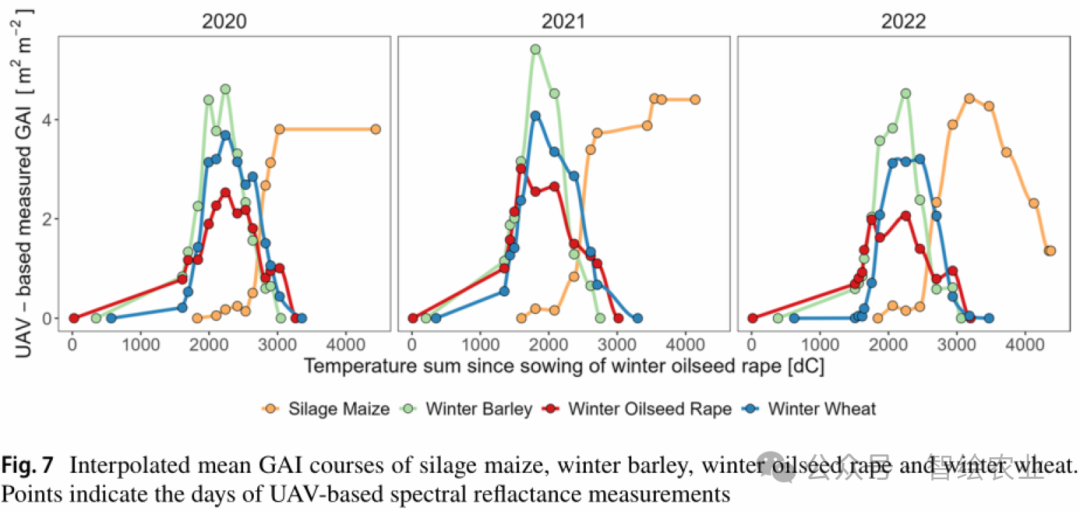
Figure 5. GAI Curve Based on UAV Inversion and LOESS Interpolation 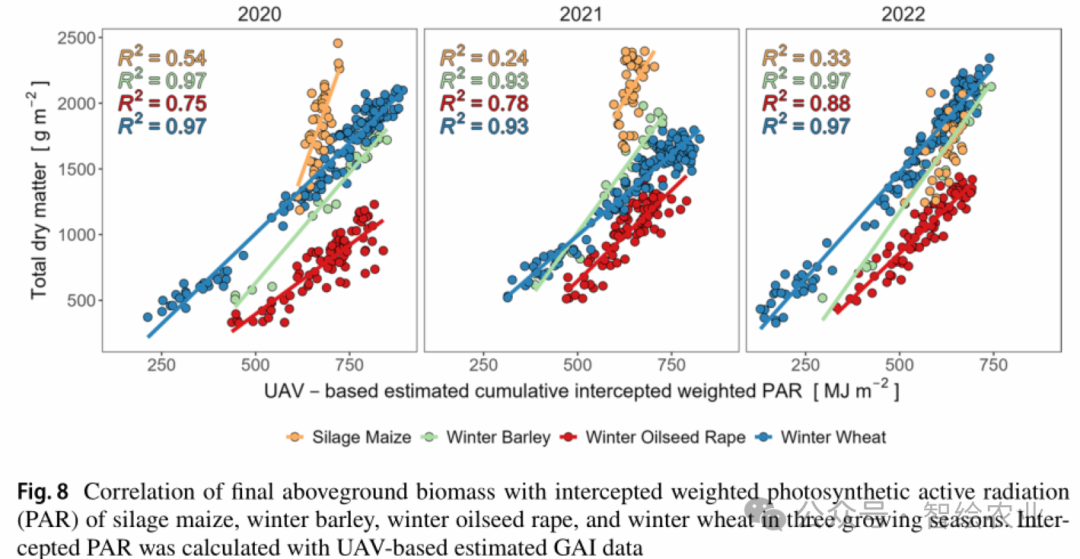
Figure 6. Total Biomass Simulation Assessment Based on GAI Curve
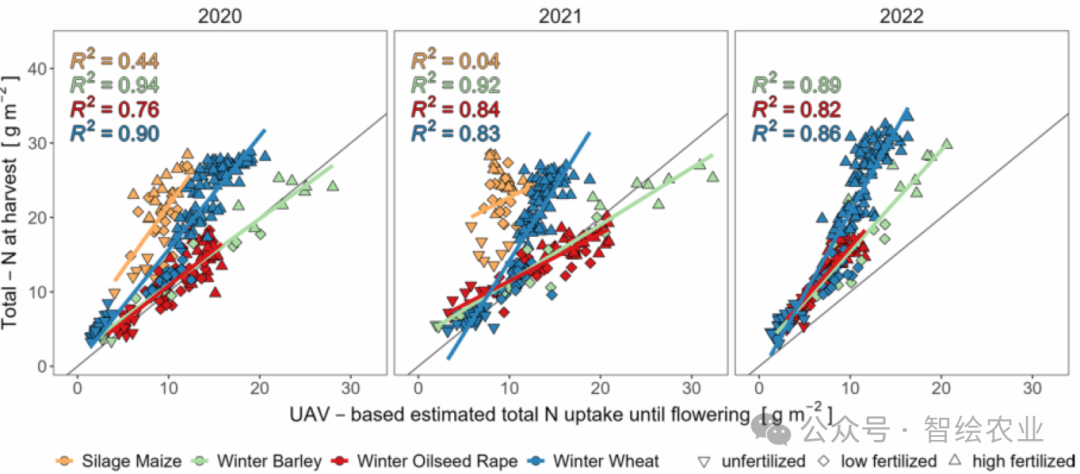
Figure 7. Relationship Between Pre-Flowering Nitrogen Uptake Monitoring and Total Nitrogen
04 Implications for Future Research
This study discusses the limitations of the transferability of calibration models between different sensors and crops, while also assessing the predictive performance of UAV monitoring data on crop production status. The results can provide references for subsequent model transfer, sensor selection, and agricultural benefit assessment.
Click to read the original text and view the original link