Click the blue text to follow us
In the traditional electric cooker field, issues such as dry burning hazards, rough temperature control, and nutrient loss have long troubled users. The innovative application of Lingmai’s micro infrared temperature sensor, utilizing non-contact precise temperature measurement technology, injects “smart genes” into electric cookers, ushering in a new era of healthy cooking.
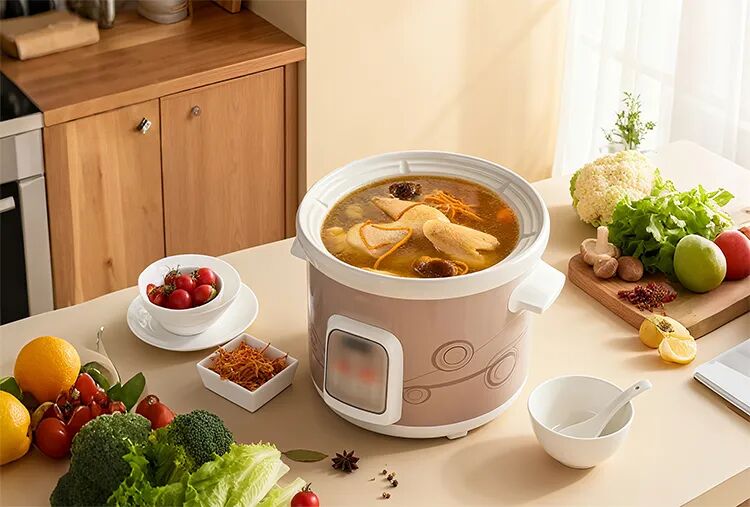
1. Non-contact Temperature Measurement: Breaking Traditional Limitations to Achieve “Sensationless” Precise Temperature Control
Traditional electric cookers rely on contact temperature probes, which have many pain points: probes can be contaminated by food, temperature response is delayed, and installation positions limit the measurement range. Lingmai’s micro infrared temperature sensor uses MEMS thermopile technology to receive infrared energy radiated from the surface of food in the pot, achieving real-time temperature measurement without physical contact. Its core advantages are reflected in:
· Fast Response: During the transition from low-temperature slow cooking to high-temperature boiling in electric cookers, the sensor can quickly respond to temperature changes, significantly improving upon traditional NTC thermistors, allowing for more timely temperature control.
· High Precision Measurement: Through a high-precision ADC chip and customized algorithms, high-precision measurement is achieved across a wide temperature range, ensuring the accuracy of temperature control.
2. From “Single Point Temperature Measurement” to “Full Domain Intelligence”
Despite its small size, Lingmai’s micro infrared temperature sensor can play a significant role in temperature control for electric cookers, helping them transition from “single point temperature measurement” to “full domain intelligence”.
Dry Burning Protection: When moisture in the electric cooker evaporates, causing the pot temperature to rise abnormally, the sensor can instantly sense this change, with a response speed far exceeding that of traditional mechanical temperature controllers, quickly triggering power-off protection. Tests on a certain brand of electric cooker showed that after equipping this sensor, the incidence of dry burning accidents was significantly reduced, providing a solid guarantee for cooking safety.
Nutrient Locking: When stewing high-end ingredients, it can accurately monitor the critical temperature for collagen denaturation, using advanced algorithms to control heating power fluctuations within a minimal range, maximizing the retention of nutrients in the ingredients, allowing users to enjoy healthy and delicious meals.
3. Intelligent Recipe Ecosystem: Transforming “Cooking Mysticism” into Quantifiable Data
In the process of upgrading electric cookers to smart technology, Lingmai’s micro infrared temperature sensor plays a key role, facilitating the easy realization of intelligent recipe functions.
The sensor possesses high-precision temperature sensing capabilities, able to capture subtle changes in pot temperature in real-time and accurately. Relying on Lingmai’s unique customized algorithms, traditional cooking experiences such as “slow simmering” and “quick boiling” are cleverly transformed into three-dimensional curves of time – temperature – power, allowing for tailored heating plans for each dish. For example, in soup preparation, the sensor will strictly control temperature and power according to the curve, ensuring that the nutrients in the soup are fully integrated, resulting in a rich flavor.
At the same time, combined with preset programs, the sensor constructs a rich database of ingredient characteristics, recording key parameters such as thermal conductivity and moisture content of various ingredients, forming a digital model. When different ingredients are added, users can adjust the heating strategy according to their needs; for instance, when stewing meat, it can not only shorten cooking time but also significantly improve deboning rates.
4. Promoting the Localization of Infrared Temperature Sensors
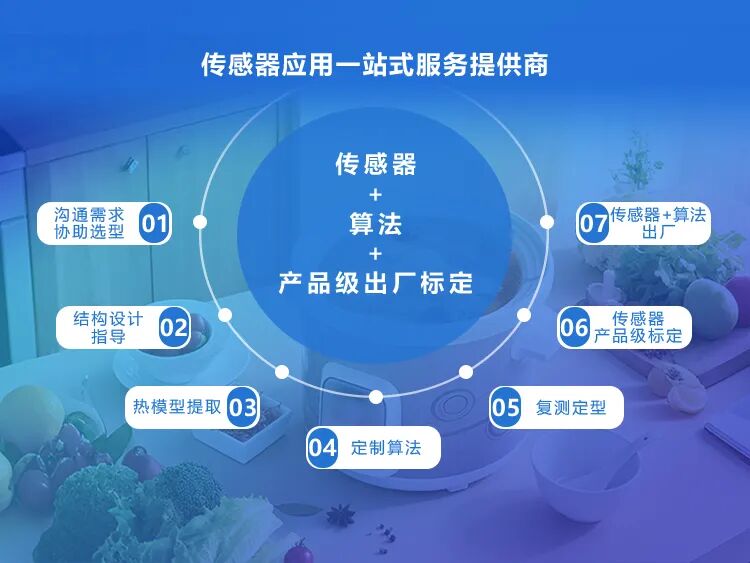
Lingmai Micro, centered around its unique core advantages of “sensor + algorithm + product-level factory calibration”, effectively lowers the application threshold of infrared temperature sensors in the electric cooker field. It adopts a modular design, providing standard interface modules, significantly compressing development cycles and reducing hardware adaptation costs, assisting customers in rapid development and production; it offers factory calibration services, allowing customers to go directly into production without secondary calibration, saving production time and costs, promoting the widespread application of sensors in the electric cooker industry. When non-contact temperature measurement technology meets the intelligent recipe ecosystem, Lingmai Micro redefines electric cookers, upgrading them from cooking tools to multidisciplinary “temperature engineers”. This kitchen revolution driven by infrared technology will benefit more families pursuing quality living in the future.