Sensor
As modern information technology develops towards 2025, the importance of sensors is increasing. The Internet of Things, artificial intelligence, the metaverse, and autonomous driving… all rely on sensors.
Sensors naturally transform into the extension organs connecting humans to machines, themselves, and the natural environment, from smart voice devices to smartphones, from energy platforms to industrial equipment. With billions of data transmission devices connected to the internet, they are changing our ways of living and working with unprecedented breadth.
In Daily Life
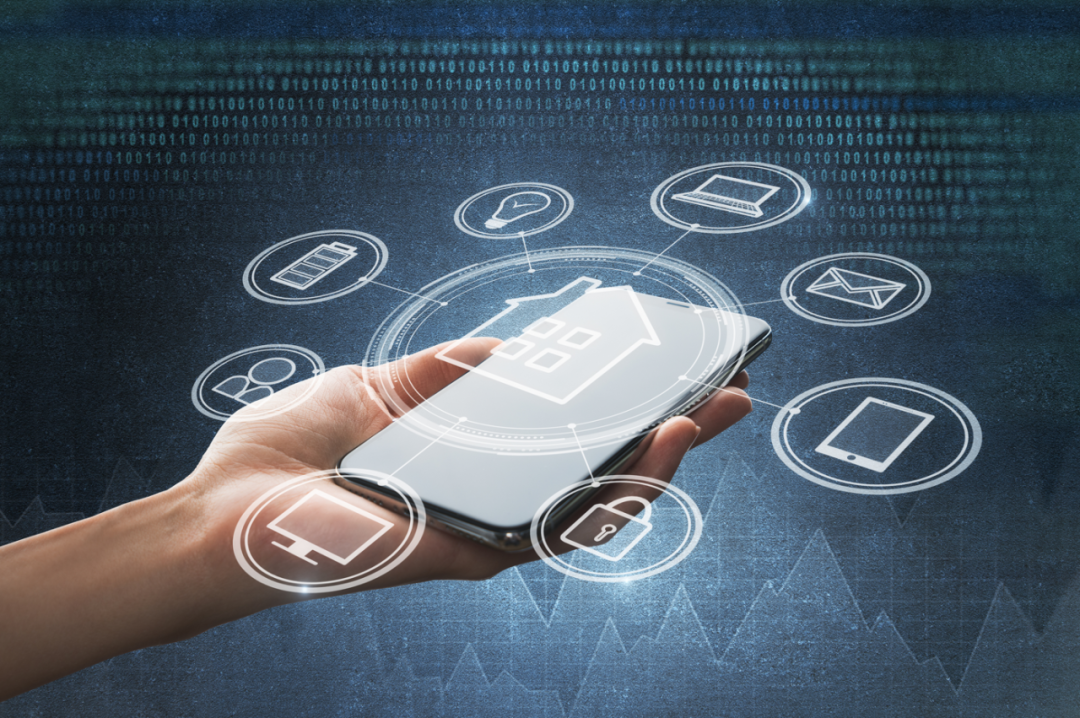
In daily life, new sensors are weaving a smarter, more considerate, and more invisible service network:
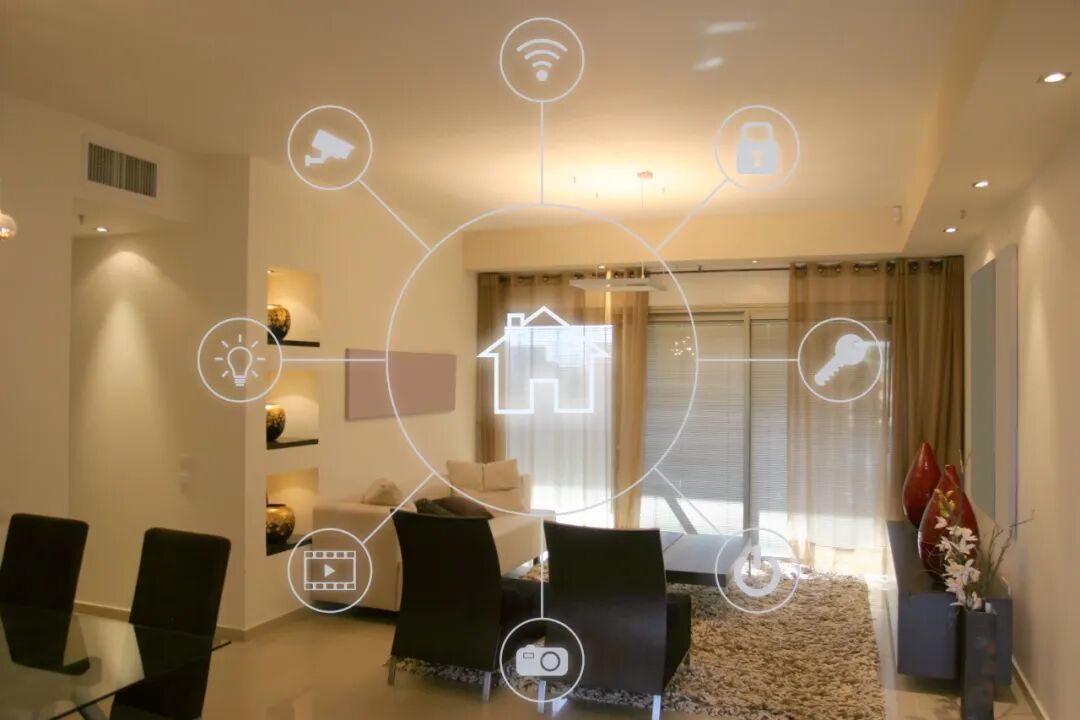
1. The “seamless” evolution of smart homes,with significantly enhanced environmental perception capabilities:
-
Millimeter-wave radar sensors can accurately sense human presence, posture (such as fall detection), and breathing rate, while protecting privacy (non-camera);
-
New gas sensors can sensitively identify air components (such as formaldehyde, CO2, specific volatile organic compounds VOC), and even “smell” food spoilage or fire hazards;
-
Multi-sensor fusion allows for more precise, energy-efficient home environment adjustments (temperature, humidity, light, air purification) without user intervention, creating a truly “understanding” comfortable space.
2. Personalized services at your fingertips:
New sensor networks embedded in public places (retail, transportation hubs), combined with edge computing and AI, can anonymously perceive crowd density, emotional tendencies (through voice/facial micro-expression analysis), and environmental comfort levels, providing managers with optimized decision-making bases while pushing more personalized information and services to users (such as guiding the best path based on crowd flow, adjusting lighting and music based on the environment).
In the Industrial Field
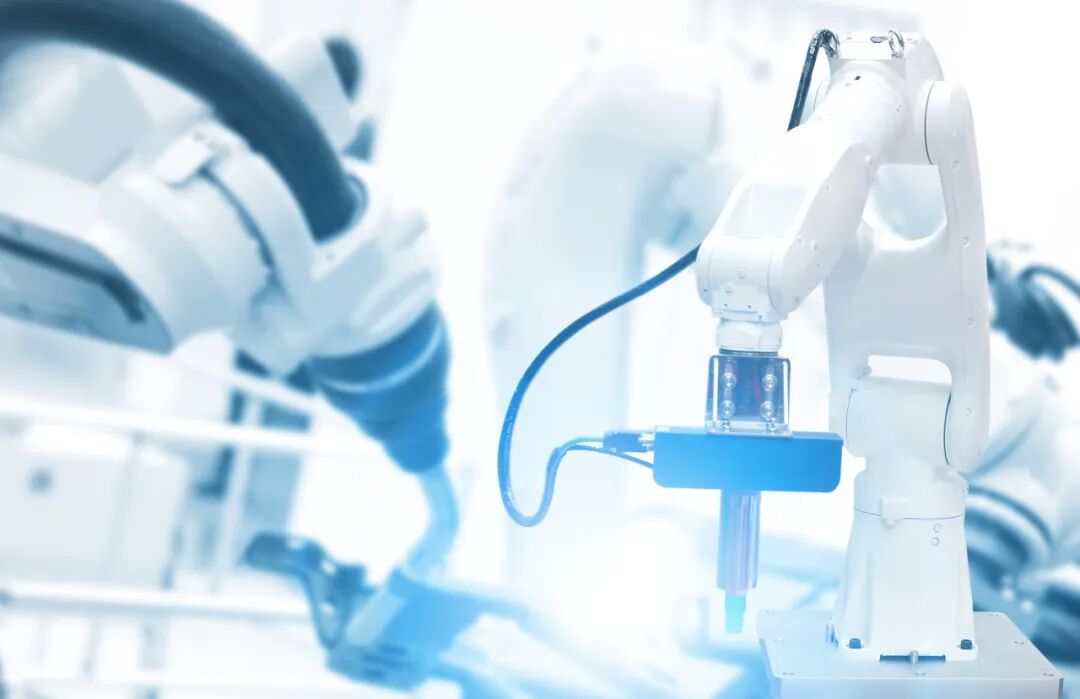
New sensors are the core driving force behind smart manufacturing, efficiency leaps, and safety guarantees:
1. The popularization and deepening of predictive maintenance:
The new generation of industrial sensors (such as MEMS accelerometers, acoustic emission sensors, fiber optic sensing, wireless vibration temperature sensors) have higher precision, longer lifespan, stronger anti-interference capabilities, and self-diagnostic functions.
They are densely deployed on critical equipment, monitoring minute vibration changes, temperature anomalies, stress deformation, lubrication status, etc., in real-time. Combined with AI algorithms, they can not only predict failures but also accurately diagnose the root causes of failures and remaining lifespan, transforming passive maintenance into proactive, on-demand maintenance, greatly reducing downtime losses and operational costs.
2. Precise mapping of “digital twins”:
Building high-fidelity digital models of physical entities (equipment, production lines, factories) requires massive, real-time multidimensional data input. New multi-physical field sensors (simultaneously sensing pressure, temperature, flow, chemical composition, deformation, etc.) and high-precision positioning sensors provide a continuous stream of accurate “nourishment” for digital twins, achieving real-time, dynamic, high-precision mirroring of the physical world in the virtual world for simulation optimization, remote monitoring, and collaborative decision-making.
Smart Ecosystem
The application of IoT sensors goes far beyond smart homes or industrial machinery; they form the foundation of a broader smart ecosystem,promoting services in sustainable agriculture, smart city development, and smarter healthcare.These ubiquitous sensors continuously collect massive amounts of data and upload it to cloud platforms, greatly enhancing the visibility of system operations, achieving automated process control, and providing a solid data foundation for advanced data analysis and forecasting.
The deep integration of IoT technology across various industries is a global trend towards a highly interconnected environment and smarter systems. By leveraging the ability of sensors to interact with the environment in real-time, we are building a world that is more agile, sustainable, and efficient.

END

You can contact us through the following ways:
Phone: 13860472539
WeChat: ripusmart
Email: [email protected]
Website: http://www.ripuaiot.com/ (Click to read the original text)
↓ Long press to identify the QR code to follow us ↓
Ripu IoT, Edge Intelligence Solution Expert