Special Statement: The cases mentioned in this article are not recommendations, only technical or financial analysis, and should not be used as any investment basis. The stock market has risks, and investment should be cautious!
The dexterous hands of humanoid robots, as the core medium for interaction between robots and the external environment, directly determine the practical value of robots and are hailed as “magic hands.” The quality of perception and feedback from the dexterous hands directly affects the learning efficiency of the robot’s “brain” (AI model) and is a key hub for human-robot interaction. They carry core operational functions, relying on the dexterous hands for precise execution of complex actions such as threading a needle, screwing, and holding a cup.
The core tracks of humanoid robot dexterous hands include:
Hollow Cup Motors: Hollow cup motors, due to their small size and high power density, have become the “core joints” of dexterous hands. The Tesla Optimus requires six motors for a single dexterous hand, with two hollow cup motors in the thumb joint and one in each of the other four fingers.
Micro Ball Screw: The micro ball screw plays a core role in the linear actuators of humanoid robots, with the processing difficulty lying in internal thread grinding. As the humanoid robot industry expands, the demand for screws is expected to continue to grow.
Tendon Cables: Tendon cables mimic the structure of human hand tendons, transmitting motor power from external sources (such as the wrist) to the finger joints to achieve bending and stretching actions. Tesla’s humanoid robot has stringent requirements for tendon cable performance, with a single tendon cable needing to be 1.0mm in diameter and 30 centimeters long, with a strong emphasis on precision metrics.
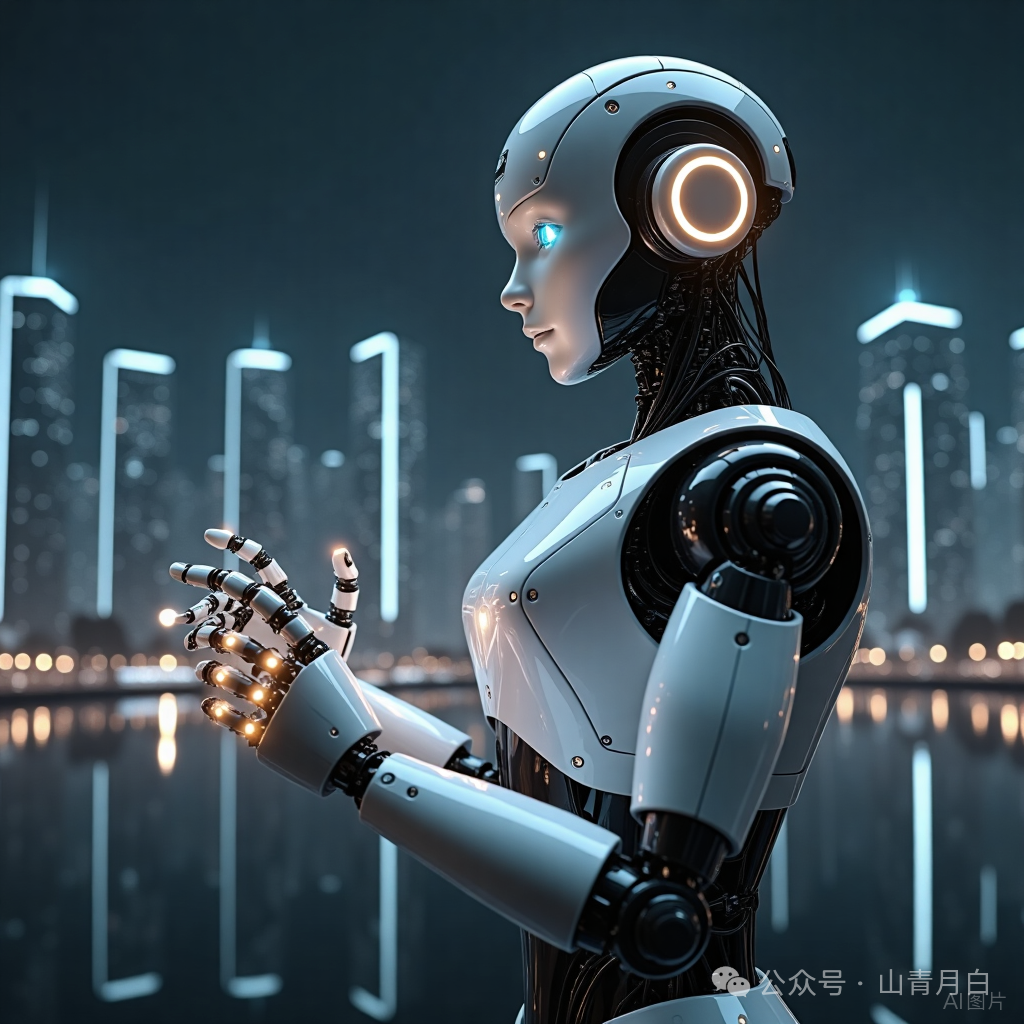
Sensors: Sensors are the “tactile nerves” of dexterous hands, perceiving pressure distribution, temperature, and material like human skin through materials such as conductive rubber and graphene films. New flexible tactile sensors achieve innovation through flexible substrates and miniaturized designs.
Drive System: The hollow cup motors and precision reducers are the core of the drive system, needing to meet requirements for high degrees of freedom, multi-modal perception, and precise control.
Transmission System: Gear, worm gear, connecting rods, screws, and tendon drive rods each have their advantages and disadvantages. Among them, the tendon cable + screw compound drive can improve transmission accuracy while ensuring flexibility, exemplified by Tesla’s third-generation dexterous hand.
Perception System: Multi-modal perception is an established trend, including force/torque sensors, flexible sensors (electronic skin), and MEMS pressure sensors, focusing on enhancing sensitivity and stability.
The significance of developing humanoid robot dexterous hands for the local landscape includes:
Driving Growth in Flexible Automation Demand: Dexterous hands have become core components in logistics sorting, collaborative robots, precision assembly, and household service robots. Their high flexibility, high output, and high integration characteristics accelerate the deployment of robots in diverse scenarios, opening up a potential market worth billions of dollars.
Promoting the Implementation of Embodied Intelligence Algorithms: TetherIA.ai provides AICopilot software and Sim 2 Real toolchains for remote operation scenarios, supporting the practical implementation of embodied intelligence algorithms and accelerating the commercialization of robotic technology.
Lowering Technical Barriers and Costs: A dual strategy of open-source and commercial development, such as TetherIA.ai’s development of a low-cost, highly practical fully open-source dexterous hand, is expected to be priced at around $300, becoming the industry’s most optimal open-source solution and accelerating the popularization of dexterous hand technology in academia and industry.
Driving Maturity and Scaling of the Industry Chain: The gradual reduction of cost barriers has become an important driving force for the scaling of the dexterous hand industry. Some domestic manufacturers have achieved independent research and development of key components such as drive motors and precision sensors, breaking free from import dependence, and significantly reducing production costs for dexterous hands through optimized structural design and manufacturing processes, creating favorable conditions for reducing costs in humanoid robot systems and moving towards large-scale production and sales.
Expanding Application Scenarios and Commercialization Paths: From an independent value perspective, dexterous hands can exist separately from specific robot bodies and serve multiple fields through interface adaptation, making them a core component in the humanoid robot industry with clear demand and commercialization paths.
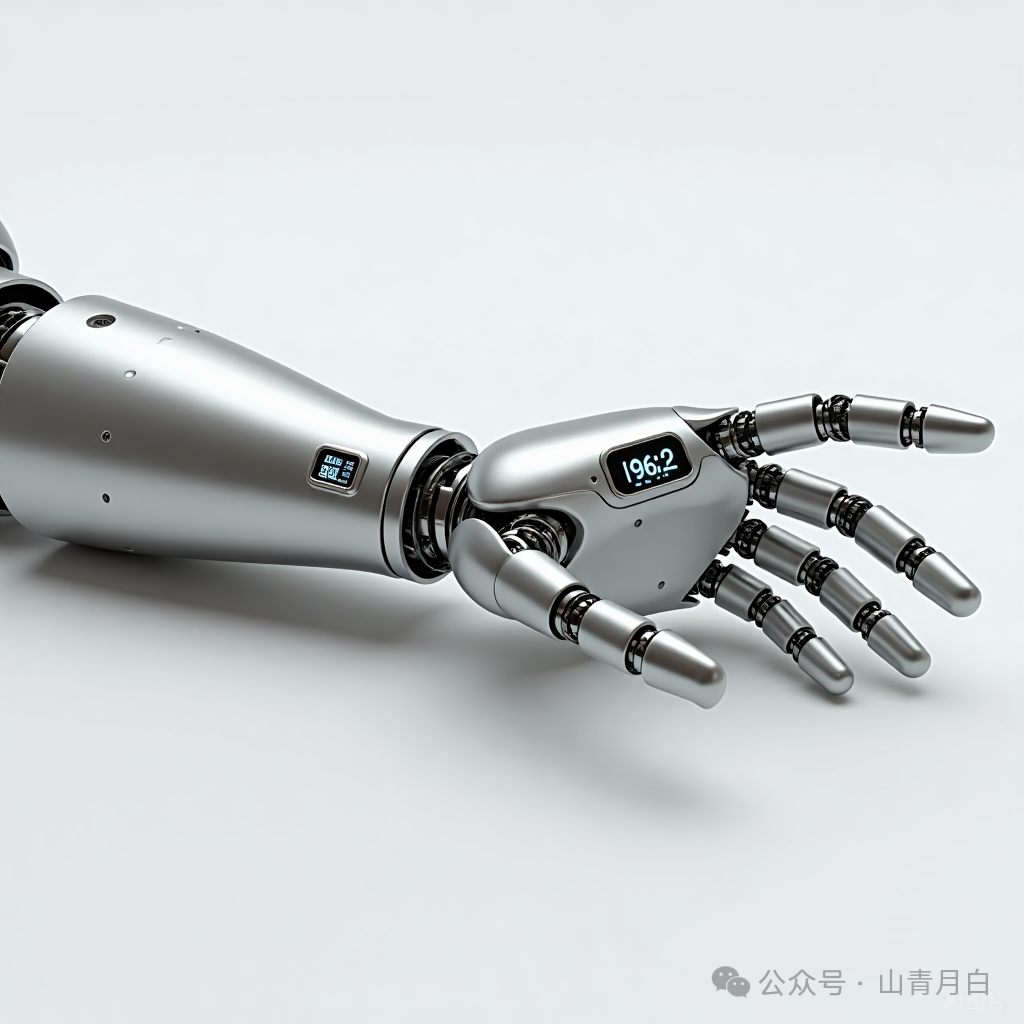
Policy Support and Optimization of the Industrial Environment: National industrial policies provide a good industrial environment for the implementation of dexterous hand projects, with related policy systems constructing a complete support framework, providing strong policy guarantees for projects from multiple dimensions such as industrial structure adjustment, industry development innovation, and industry development goals.
Technological Iteration and Market Potential: The technology of dexterous hands is accelerating iteration, with favorable policies and breakthroughs in artificial intelligence and other technologies leading to continuous upgrades in the technology of the dexterous hand industry and gradual expansion of the industry scale. Its application boundaries are constantly widening, extending from industrial scenarios to diverse fields such as healthcare and education.
Capital and Market Attention: Dexterous hands have become key to the mass production of robots, and the value chain of the dexterous hand industry is attracting attention from A-share companies. The market prospects are broad, with the global market for robotic dexterous hands expected to reach $1.921 billion by 2025 and exceed $3 billion by 2030.
The dexterous hand is a key component for humanoid robots to achieve refined operations and intelligent interactions, and its importance can be reflected in the following aspects:
Quality of Perception and Feedback: The quality of perception and feedback from dexterous hands directly affects the learning efficiency of the robot’s “brain” (AI model) and is a key hub for human-robot interaction.
Core Operational Functions: Dexterous hands carry core operational functions, relying on precise execution for complex actions such as threading a needle, screwing, and holding a cup.
Key to Industrialization: Dexterous hands are the “last centimeter” of humanoid robot industrialization, with their performance directly determining the practical value of robots, making them the “magic hands.”
High Cost Proportion: The price of dexterous hands accounts for 20%-30% of the total cost of humanoid robots, making them the highest proportion of components.
Core of Technological Iteration: Tesla founder Elon Musk emphasized that the core challenge for the Gen3 humanoid robot lies in the “hands and forearms,” with the research and development difficulty and engineering effort of dexterous hands potentially accounting for half of the entire machine’s development.
Commercialization Implementation: The high versatility and low-cost balance of dexterous hands are key to commercialization, with performance optimization directly driving humanoid robots towards large-scale production.
Scene Expansion: The flexibility and load capacity of dexterous hands determine the application range and depth of robots in industrial, medical, and household service scenarios.
Value of the Industry Chain: The value chain of the dexterous hand industry is attracting attention from A-share companies, with broad market prospects, and the global market for robotic dexterous hands expected to reach $1.921 billion by 2025 and exceed $3 billion by 2030.
Related Companies:
Nanshan Zhishang, Henghui Security, Gaoce Co., Ltd: Products from Nanshan Zhishang and Gaoce Co., Ltd have received small batch orders from robot manufacturers, and Henghui Security has received invitations from well-known manufacturers to enter the tendon cable material field.
Tetheria.ai: Founded by core members of Tesla Optimus dexterous hands, it has received millions of dollars in funding, with products adopting a rope-driven hybrid solution, expected to complete the development of high-degree-of-freedom dexterous hands by the end of the year.
Changsheng Bearings: Closely cooperating with the robot industry chain, products are applied to self-lubricating bearings at joints and components related to dexterous hands.
Jiangsu Leili: Independently developed hollow cup motors, precision gearboxes, etc., forming a comprehensive motion control system solution covering dexterous hands.
Dayang Motor: Layout of axial flux motors, suitable for the dexterous hand segment of robots.
Qinchuan Machine Tool: Subsidiary Hanjiang Machine Tool is a leading domestic screw manufacturer with a foundation in the research and manufacturing of planetary roller screws.
Hengli Hydraulic, Best, Wuzhou Xinchun, Beite Technology, Shuanglin Co., Ltd, Zhenyu Technology: Layout of planetary roller screws, some have achieved small batch orders.
Hanwei Technology, Audiwei, Fule New Materials: Provide tactile sensors applied to the perception functions of dexterous hands.
Jingyan Technology: Exclusively supplies the gear assembly for Zhiyuan Robot’s dexterous hands, with a single machine value exceeding 4000 yuan.
Lingyi Intelligent Manufacturing: Full industry chain layout, providing core hardware and complete assembly services for humanoid robots.
Reise Intelligent: Provides motion control solutions, independently develops high-end hollow cup motor modules, and has received small batch orders.
Zhaowei Electromechanical: Launched the high-degree-of-freedom dexterous hand DM17, cooperating with multiple robot companies.
Yuequan Bionics, Yinshi Robotics, Lingqiao Intelligent: Focus on dexterous hand products, with applications already in medical rehabilitation and industrial grasping scenarios.
Yushu Technology, Qiangnao Technology: Yushu Technology showcased the humanoid robot G1, while Qiangnao Technology displayed an intelligent bionic hand, achieving mass production and application in the field of embodied intelligence.
Leju Robotics: Launched the full-size humanoid robot “Kua Fu,” which has entered factories to perform empty box return tasks.
Haier: Released the humanoid robot “HIVA,” focusing on household service scenarios.
Kangdao Medical: Developed an intelligent rehabilitation robot to help patients achieve self-care.
Hexagon: Mounted a 3D laser scanner on a robotic dog to form a self-inspection solution.
Fengguang Precision: Showcased independently developed core components for humanoid robots, including harmonic reducers and joint modules.
Disclaimer: The above is for reference only and does not constitute investment advice.