Hongban Technology: A Strong Player in the PCB Industry
In an era of rapid technological development, every transformation in the electronics industry relies on the support of key components. Printed Circuit Boards (PCBs), as critical electronic interconnects in electronic products, function like the “nervous system” of these products, playing a vital role. Hongban Technology is a formidable player in this field.
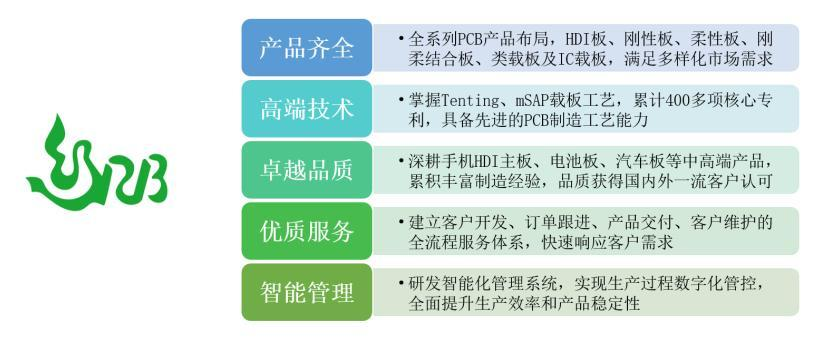
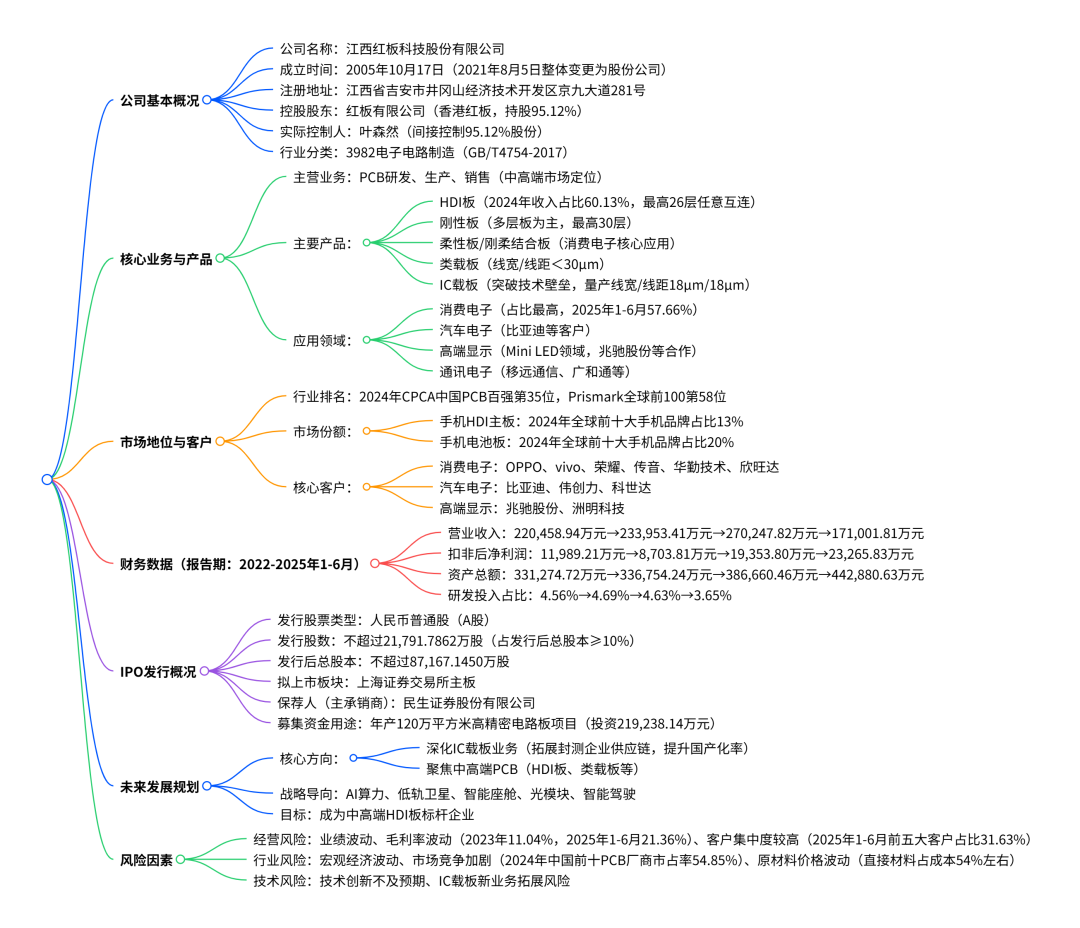
Founded on October 17, 2005, Hongban Technology has focused on the research, development, production, and sales of printed circuit boards (PCBs) for many years. Its products are positioned in the mid-to-high-end application market, covering various types such as HDI boards, rigid boards, flexible boards, rigid-flex boards, carrier boards, and IC carrier boards. These products are widely used in consumer electronics, automotive electronics, high-end displays, and communication electronics, closely related to our daily lives. For instance, the smartphones we hold may use HDI boards produced by Hongban Technology, enabling stronger performance and a thinner body; various electronic control systems in cars also rely on Hongban Technology’s PCBs to ensure safety and intelligent driving experiences.
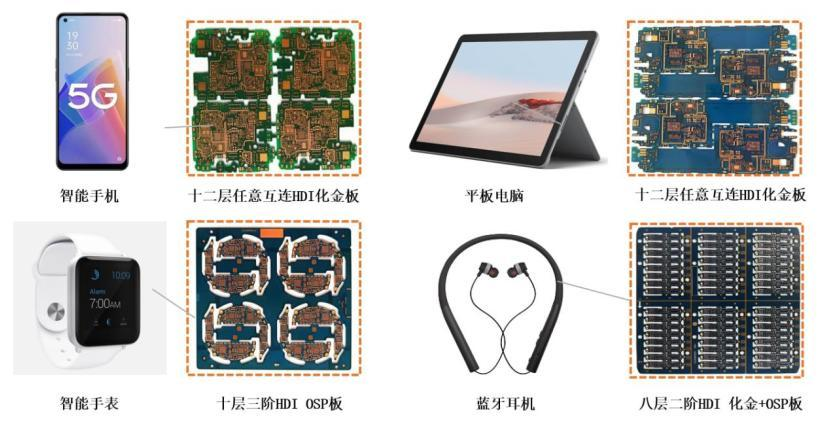
In terms of industry position, Hongban Technology ranks well both domestically and internationally. In the 2024 comprehensive ranking of the top 100 PCB companies released by the China Electronic Circuit Industry Association, the company ranked 35th; in the 2024 global top 100 PCB companies list published by Prismark, it ranked 58th. It is also a major supplier of mobile HDI motherboards for 8 of the top ten smartphone brands globally, with products covering well-known consumer electronics brands such as OPPO, vivo, Honor, Xiaomi, Samsung, Transsion, Huawei, and Motorola. In 2024, Hongban Technology provided 154 million mobile HDI motherboards and 228 million flexible battery boards and rigid-flex battery boards to the top ten global smartphone brands, a performance that underscores its significant position in the industry.
Twisted IPO Path, Finally Welcoming Dawn
The path to listing for Hongban Technology has not been smooth, but rather filled with twists and challenges. As early as September 2021, Hongban Technology took its first step towards the capital market by signing a listing guidance agreement with CITIC Securities Co., Ltd., officially starting the listing guidance filing process. This news caused quite a stir in the PCB industry at the time, as everyone was filled with expectations for this strong company, believing it would create a wave in the capital market.
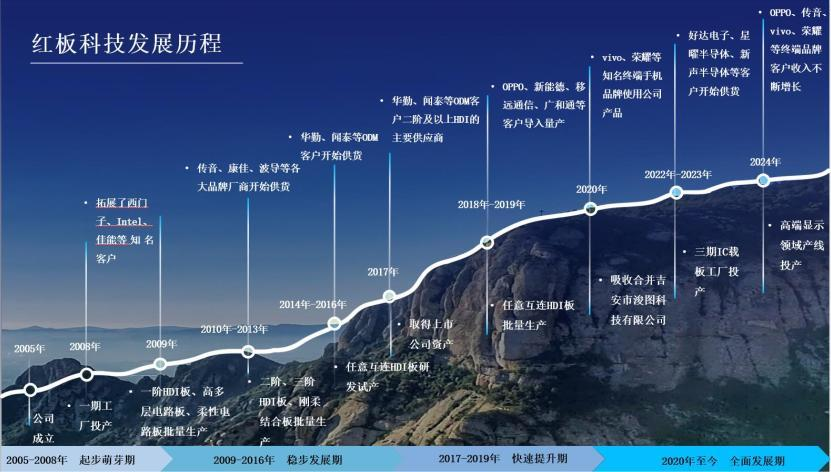
However, plans could not keep up with changes. On April 29, 2022, Hongban Technology suddenly submitted materials to the Jiangxi Securities Regulatory Bureau to terminate the guidance filing. This unexpected move surprised the market, leading to a flurry of speculation. Later, Hongban Technology explained that due to adjustments in the company’s strategic planning, it needed to reassess its listing plans. This suspension lasted for quite a long time, leaving many wondering if Hongban Technology’s path to listing was interrupted.
Fortunately, Hongban Technology did not give up on its dream of going public. After a period of reflection and preparation, in July 2023, Hongban Technology restarted its listing guidance, this time choosing Minsheng Securities Co., Ltd. This shift also demonstrated Hongban Technology’s determination and confidence in going public, as it readjusted its strategy, hoping to leverage Minsheng Securities’ strength to achieve its listing goals.
On December 29, 2023, Hongban Technology submitted its prospectus to the Shenzhen Stock Exchange main board, a key action that once again attracted market attention. After a long wait and preparation, Hongban Technology finally stood at the starting line for its IPO. This submission of the prospectus means that Hongban Technology is one step closer to going public, and the market is filled with curiosity and expectations for its future performance. Everyone is watching how this deeply rooted company in the PCB industry will deliver its report card in the capital market.
Impressive Achievements and Potential Crises
(1) Business Highlights
Hongban Technology has many impressive performances in its business. It has established long-term stable partnerships with many well-known companies in the industry, with its customer base covering consumer electronics, automotive electronics, high-end displays, and communication electronics. In the consumer electronics sector, in addition to providing mobile HDI motherboards and flexible battery boards, rigid-flex battery boards to the top ten global smartphone brands mentioned earlier, it also supplies PCBs to audio equipment manufacturers such as Sennheiser and Goer, ensuring the stable operation of high-quality audio devices. In the automotive electronics sector, clients include Flex, KOSTAL, Magor, and Melexis, and it has successfully entered the supply chain system for intelligent driving and intelligent cockpit of BYD, providing key support for the intelligent development of automobiles. These collaborations not only reflect the high quality and reliability of Hongban Technology’s products but also showcase its market recognition across different fields.
(2) Financial Fluctuations
From the financial data, Hongban Technology’s operating revenue during the period from 2022 to 2024 was 2.205 billion, 2.34 billion, and 2.702 billion yuan, showing a steady growth trend. The net profit was 141 million, 105 million, and 214 million yuan, with gross profit margins of 13.28%, 11.04%, and 13.98%, showing some fluctuations. In 2023, the company experienced a situation of “increased revenue without increased profit”; although revenue saw slight growth, net profit dropped sharply by 25.53% year-on-year. This was mainly due to intensified competition in the domestic PCB industry, as the company took on some low-priced orders to improve capacity utilization, leading to a decline in product sales prices, particularly for HDI boards, which saw a significant price drop of 19.94% year-on-year in 2023 and 5.26% year-on-year in 2024. The company was forced to adopt a strategy of “trading price for volume”; although sales volume increased, profit margins were compressed, leading to a decline in gross profit margins. However, in 2024, the company’s operating performance achieved a “V-shaped reversal”, with a revenue growth rate of 15.5%, and net profit attributable to the parent company doubled year-on-year, surging by 103.8%. This was due to the rapid growth in sales revenue from terminal brand customers, breakthroughs in key customer development, and the simultaneous increase in order scale and profitability in the consumer electronics sector; at the same time, the company strategically laid out in the high-end display sector, with new production lines launched in 2024, further enhancing revenue scale through capacity release and rapid order growth; additionally, the company optimized its customer order structure, leading to an increase in gross profit margins, while maintaining stable period expenses, driving profit growth to exceed revenue growth.
| Project | January-June 2025 | 2024 | 2023 | 2022 |
| Operating Revenue | 171,001.81 | 270,247.82 | 233,953.41 | 220,458.94 |
| Operating Costs | 126,668.59 | 218,908.83 | 196,855.47 | 182,715.42 |
| Operating Gross Profit | 44,333.22 | 51,339.00 | 37,097.94 | 37,743.53 |
| Operating Profit | 28,006.66 | 24,588.64 | 11,905.63 | 15,219.67 |
| Total Profit | 27,741.03 | 24,605.47 | 11,620.87 | 15,284.33 |
| Net Profit | 23,985.21 | 21,391.41 | 10,492.60 | 14,065.91 |
(3) Financial Concerns
In terms of finances, Hongban Technology also faces some potential risks. During the reporting period, the company’s accounts receivable balance has been rising year after year, with accounts receivable balances of 622 million, 758 million, 919 million, and 1.136 billion yuan from 2022 to the first half of 2025, accounting for 28.21%, 32.42%, 34.00%, and 33.22% of the current operating revenue, respectively. The large scale of accounts receivable and its increasing proportion year by year indicate that the company faces certain pressures in cash recovery. If accounts receivable cannot be collected in a timely manner, it may affect the company’s liquidity and normal operations. Although the company claims that the year-end accounts receivable balance continues to increase and that post-period collections are good, with no relaxation of credit policies to increase sales revenue, this risk cannot be ignored.
Additionally, fluctuations in raw material prices are also a significant issue. The main raw materials used in the company’s production operations include copper-clad laminates, copper balls and powder, gold salts, prepregs, and copper foils, which are significantly affected by the prices of commodities such as copper and gold in the international market. From 2022 to 2024 and in the first half of 2025, the proportion of direct materials in the company’s main business costs was 54.35%, 53.74%, 54.60%, and 57.56%. If the procurement prices of major raw materials rise sharply in the future, and the company fails to effectively respond to the pressure of price increases, it will adversely affect the company’s profitability. For example, in the first half of 2025, due to the increase in prices of major raw materials, the company’s direct material costs increased, leading to a 7.73% increase in unit costs compared to the previous year. This not only compresses profit margins but also poses challenges for the company’s cost control and profitability.
Industry Outlook and Opportunities for Hongban
From the industry outlook, Hongban Technology faces numerous development opportunities. According to Prismark’s forecast, the global PCB market is expected to maintain stable growth over the next five years, with a projected compound annual growth rate of 5.2% for global PCB output value from 2024 to 2029, reaching an estimated $94.661 billion by 2029. This growth trend is primarily driven by the booming development of downstream application industries, such as 5G communication, cloud computing, smartphones, smart cars, and new energy vehicles, which continue to drive demand for PCBs. Particularly, the rapid development of artificial intelligence, which increases the demand for data volume and computing power, is prompting further upgrades in hardware, including chips and PCBs, providing new growth momentum for the PCB industry. For instance, AI servers, due to their higher overall PCB value, will drive rapid growth in the AI server PCB market, which is expected to become one of the fastest-growing areas in the PCB sector.
Against the backdrop of the gradual recovery of the global PCB market, Hongban Technology, with its layout in the mid-to-high-end PCB market, is expected to benefit significantly. Its products are widely used in consumer electronics, automotive electronics, and other popular fields, closely aligning with market demand. In the consumer electronics sector, the recovery of the smartphone market has brought more orders for Hongban Technology’s HDI board business; in the automotive electronics sector, with the trends of vehicle intelligence and electrification, Hongban’s cooperation with companies like BYD has also laid a solid foundation for its development in this field.
Moreover, the global industrial migration in the PCB sector also presents opportunities for Hongban Technology. Since 2006, mainland China has surpassed Japan to become the world’s largest PCB production base, with PCB output and value ranking first globally. The proportion of PCB output value from mainland China has risen from 8.1% in 2000 to 56.0% in 2024. Located in mainland China, Hongban Technology can fully leverage domestic advantages in labor, resources, policies, and industrial clustering to further consolidate its market position. At the same time, the ongoing development of the “China + N” model has made Southeast Asia a beneficiary region of industrial transfer, allowing Hongban Technology to expand overseas markets through reasonable layout, achieving broader business coverage and growth.
The Road Ahead Remains Long
The IPO journey of Hongban Technology witnesses its persistence and progress in the PCB industry. Now standing at a critical juncture for listing, it possesses both the advantages accumulated over the years and faces numerous challenges. From intensified industry competition to fluctuations in raw material prices, and the financial pressures from accounts receivable, each issue requires careful handling by Hongban Technology. However, at the same time, the recovery of the global PCB market, the booming development of downstream application industries, and the opportunities brought by industrial migration also paint a hopeful development blueprint for Hongban Technology.
In the future, can Hongban Technology leverage the support of the capital market to further enhance its competitiveness, expand market share, and achieve greater breakthroughs in technological innovation and business expansion? How will it respond to industry changes, mitigate potential risks, and achieve sustainable development? These questions are worth our attention and consideration. We welcome everyone to leave comments in the comment section, sharing your views and expectations for the future development of Hongban Technology, and discussing the development trends in the PCB industry.