Recently, due to changes in the public account push policy, the latest articles from the public accounts you follow will no longer be automatically pushed to you. Therefore, if you do not want to miss the article information from this public account, please make sure to set this public account as a star to avoid missing important articles in the future. Thank you!Content:
According to foreign media reports, as the demand for artificial intelligence infrastructure construction surges, the global shortage of storage chips is intensifying. Several American consumer electronics manufacturers have warned that they may raise prices for some products!
Prices are rising across the board: High-end storage is the first to go “out of control”
Since 2025, storage chip manufacturers such as Samsung, SK Hynix, and Micron Technology have gradually raised the prices of DRAM/NAND products, with prices for storage modules, SSDs, and server memory reported to be changing daily—this is referred to in the industry as the “super cycle” of the storage industry.
Market data shows that at the end of September, the price of mainstream DDR5 16 Gb chips was $7.68, which surged to about $15.5 just one month later, marking a monthly increase of 102%. At the same time, prices for mature specifications like DDR4 have also risen significantly, with some products nearly doubling compared to the beginning of the year.
In the fourth quarter of 2025, the contract price of DRAM increased by more than 75% compared to the same period last year, while the contract price of NAND Flash also rose by 20%–30%. Faced with ongoing supply shortages, some manufacturers have already suspended external pricing, leading to tight market resources and instances of hoarding and high premium transactions.
Samsung raises prices by 150%
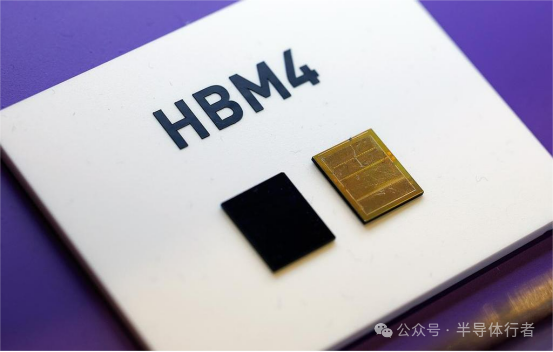
It is noteworthy that the price fluctuations surrounding high-bandwidth memory (HBM) have exacerbated the overall market tension. According to industry insiders, Samsung’s previously supplied 12-layer stacked HBM3E had a relatively low unit price, but for the 12-layer stacked HBM4, the goal is to match SK Hynix, maintaining a price around the mid-$500 range, which represents an increase of over 150% compared to the previous HBM3E supply price.
It is reported that Samsung’s HBM4 features include superior speed compared to SK Hynix’s products, and the previously supplied 12-layer stacked HBM3E was priced about 30% lower than SK Hynix’s similar products. However, due to certification delays, some products were supplied at lower prices to other companies, which lowered the average unit price, with the HBM3E supply price around $200. This time, it was reported that Samsung requested to align the HBM4 supply price with Nvidia and SK Hynix, raising it to over $500, which is an increase of over 150% compared to before.
Industry analysts believe that the current significant price increase of storage chips is driven by two main factors. First, the “insatiable” demand for high-performance storage from AI servers and data centers. Compared to traditional servers, AI training and inference require more DRAM and NAND, leading to a rapid increase in demand for high-bandwidth and high-capacity storage.
Second, manufacturers are shifting production capacity towards high-bandwidth memory (such as HBM) and AI-specific storage. Manufacturers including Samsung, SK Hynix, and Micron are shifting their production lines to high-profit product lines like HBM, further tightening the supply of traditional DDR/NAND.
Storage chips, as key components in products like PCs and servers, account for 10%–70% of the total material cost (BOM). Morgan Stanley’s estimates show that if hardware manufacturers do not take any hedging measures, a 10% increase in storage prices will put downward pressure of 45 to 150 basis points on their gross margins.
The institution is therefore relatively cautious about the profitability of hardware companies in 2026, with its earnings per share (EPS) forecast 11% lower than the market consensus.
As original manufacturers continue to shift production towards high-end storage and the expansion of AI infrastructure accelerates, the industry generally believes that this round of price increase cycle will be difficult to alleviate in the short term, and the entire supply chain still needs to be better prepared for fluctuations in storage supply.
· END ·Disclaimer: The content and views are for sharing and learning purposes only! The information cited in the text comes from public sources.
Recommended Reading:
Interpretation: Regarding the U.S. Department of Defense listing Huahong and other 8 Chinese companies as military-related enterprises!
Breaking! Japanese giant closes factory in China! The era of tens of thousands of workers ends.
Tesla and General Motors begin to “remove the Chinese supply chain”!