
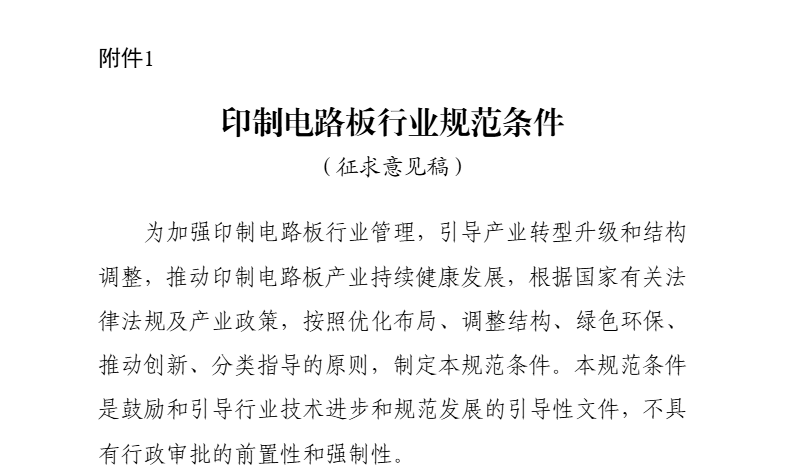
Recently, the Department of Electronic Information of the Ministry of Industry and Information Technology officially released two drafts for public comment: the “Regulatory Conditions for the Printed Circuit Board Industry (2025 Edition)” and the “Management Measures for the Announcement of Printed Circuit Board Industry Standards (2025 Edition)”. The opinions propose strict control over the expansion of production capacity for printed circuit board projects with low technological levels. Through multiple rigid requirements, the aim is to accelerate the elimination of backward production capacity and concentrate resources on developing high-end products. For the LED display industry, PCB (printed circuit board) is a key component (accounting for 8%-25% of costs), and its price fluctuations and adjustments in industrial policy will directly affect the operational logic of the entire industry chain. Currently, the PCB industry is under dual pressure from price hikes and policy constraints, and this overlapping effect will accelerate the reshuffling of the industry and have a profound impact on the LED display sector.
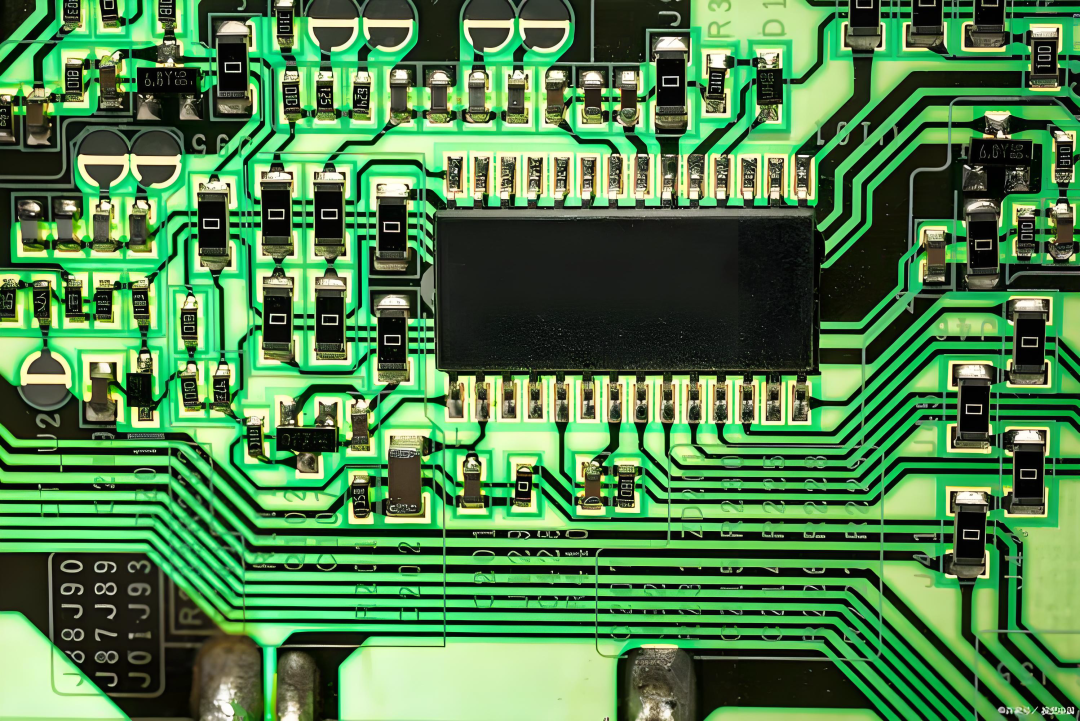
When the structural price hike meets policies aimed at promoting industrial upgrades, the combined effect will significantly accelerate the “reshuffling” process of the PCB and downstream LED display industries.
Policies aimed at eliminating inefficient production capacity will force small and medium-sized enterprises to either upgrade their technological paths or exit the market. This “targeted demolition” adjustment will significantly compress the survival space of mid-to-low-end PCB companies, prompting accelerated differentiation—some companies with transformation potential may acquire resources through mergers and reorganizations, while participants with insufficient technological reserves face bankruptcy risks.
It is worth mentioning that in October, several companies announced PCB price hikes, with a single increase of about 10%. This round of price increases is driven by both objective factors such as rising raw material costs and policy-driven supply-side contractions. The new regulations strictly limit low-level capacity expansion, leading to restricted growth in effective market capacity, compounded by increased fixed costs from environmental protection and smart manufacturing upgrades, forcing companies to transfer pressure through price increases. For the LED display industry, under the cost transmission mechanism, LED companies face a dilemma: if they maintain the original pricing system, profit margins will be compressed; if they raise prices simultaneously, it may weaken market competitiveness. This pressure will compel the industry to undergo structural adjustments—on one hand, promoting products towards higher added value, and on the other hand, accelerating technological iterations to reduce unit costs. For example, some companies may reduce PCB usage by optimizing packaging processes or adopt new substrates to replace traditional materials, thereby building differentiated competitive advantages.
It is important to note that the interaction between policy and market forces may produce nonlinear effects. During the reshuffling process of the PCB industry, the speed and scope of capacity contraction may exceed expectations. If low-end capacity is cleared too quickly, it may lead to a temporary supply shortage, further increasing price volatility. In this case, LED display companies need to proactively lay out risk hedging strategies—this includes locking in raw material costs through futures markets and reducing dependence on specific materials through technological innovation. At the same time, the industry clustering effect encouraged by policies may bring new development opportunities, with industrial parks that have location advantages likely to attract upstream and downstream companies to form a collaborative innovation ecosystem, providing more cost-effective supporting services for the LED display industry.
The dual effect of policy guidance and market price increases, while potentially bringing about rising costs and transformation pains for the LED display industry in the short term, is ultimately a necessary stage for the industry to transition from “quantity” growth to “quality” leaps. A PCB industry with more concentrated resources, higher technological barriers, and more orderly competition will provide more stable and advanced foundational material support for the downstream LED display industry, ultimately driving the entire optoelectronic display industry towards high-quality development.
In Conclusion
In summary, this policy adjustment is essentially a catalyst for industrial upgrades. The PCB industry is shifting from a “scale expansion” to a “quality first” development model, which will compel the LED display industry to reassess its value creation paths. LED companies need to find a dynamic balance between cost control, technological research and development, and market expansion: on one hand, reducing dependence on traditional PCBs through process improvements and material substitutions, and on the other hand, leveraging policy dividends to increase investment in high-end product research and development.
This transformation is not only about short-term survival but is also a key variable that will determine the industry landscape over the next decade. With the in-depth application of new technologies such as AI and 5G, the demand for high-density interconnect PCBs will continue to grow, and companies that can quickly respond to technological changes will gain an advantage in the new round of competition. The industry reshuffling driven by policies is essentially clearing the way for high-quality development, and those companies that can grasp technological trends and optimize resource allocation will ultimately stand out in the industrial reconstruction.
Previous Highlights
Major Release! 13 Measures to Promote Private Investment, Interpreting the Huge Business Opportunities Behind LED Displays
Display Weekly | Top Ten Cities in the New Display Industry Announced; Huaxia Liade’s Transparent Film Screen Passes DCI Certification
MIP Technology Accelerates Implementation, Capacity Expansion Releases New Vitality in the Industry!
Global First GL-PLC LED Smart Distribution Box, China Electric Strong Energy 2025 National Partner Conference Opens New Distribution Ecosystem!