1. Summit Remarks: The US Attempts to Maintain Chip “Advantage”
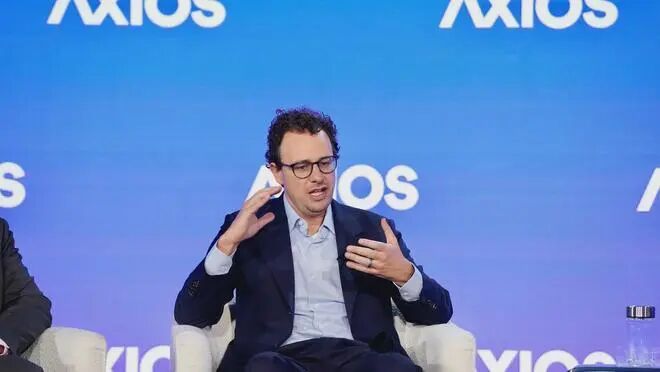
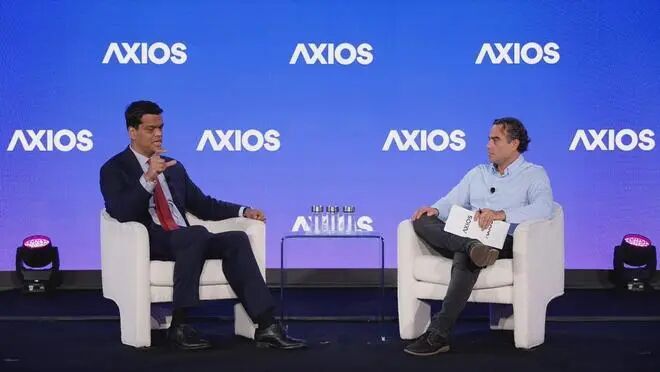
On September 17, local time, at the AI + DC Summit hosted by the US news site “Axios”, Dario Amodei, CEO of the US AI startup Anthropic, claimed that the US’s dominance in the chip sector might be its “only advantage” over China, which must be “protected”. He exaggeratedly stated that AI technology could control the fate of nations and the future of “freedom and democracy”, asserting that defeating China in this technology is crucial, regardless of how dangerous the technology is or what protective measures are needed.
Coincidentally, Sreeram Krishnan, a senior AI policy advisor at the White House, also stated at the summit that the US needs a “metric for victory” to win in the AI competition with China, proposing market share as a measure of US success.
2. Chip Sales: The Dilemma of US Companies and China’s Stance
Reuters previously reported that US chip manufacturer Nvidia launched several “downgraded special edition” chips for China, but faced a cold reception from Chinese buyers. For instance, the AI chip RTX6000D, tailored for the Chinese market, has seen weak demand, with several Chinese tech giants refusing to place orders.
“Axios” pointed out that the issue of chip acquisition has become the “hottest friction point” between the two major economies of the US and China. During the Trump 2.0 era, companies like Nvidia and AMD were allowed to sell chips to China by “offering tribute” of 15% of their sales revenue in China, but the US chip industry still faces contradictions between “national security interests” and reality. On one hand, China has already acquired a large number of US-designed chips and will continue to develop domestic chips; on the other hand, the Trump administration’s policies are erratic, halting the export of Nvidia’s “special edition” H20 chips, AMD’s MI308 chips, and similar AI chips to China in April under the guise of “national and economic security interests”, only to suddenly approve the export of H20 chips to China in July.
Recently, China has become increasingly cautious about the use of H20 chips by Chinese enterprises. On July 31, Chinese authorities summoned Nvidia, demanding explanations and relevant documentation regarding the security risks of backdoor vulnerabilities in the H20 computing power chip. An article from “Yuyuantan Tian” specifically criticized the H20 chip as “not environmentally friendly, not advanced, and not safe”, deeming it “not a good choice”.
3. Export Controls: US Double Standards and China’s Position
Earlier this year, China’s DeepSeek made headlines globally, with Trump stating it “should sound the alarm for the US industry”. Although Amodei insisted on January 29 in a blog post that he does not view DeepSeek itself as a “competitor”, he emphasized that export controls in the AI field are more important than ever, claiming that the rise of DeepSeek makes US control over chip exports to China “even more crucial”.
However, US Secretary of Commerce Gina Raimondo stated in an interview in July that allowing Chinese companies to continue using US technology is in the US’s interest, as the US hopes to stay a step ahead of China in technology to ensure that China continues to purchase US semiconductors, needing to sell enough to China.
Chinese Foreign Ministry spokesperson Guo Jiaqin has emphasized that China consistently opposes politicizing, weaponizing, or using technology and trade issues as tools, as this approach is detrimental to both sides. On July 24, Guo also pointed out that China has always advocated for all parties to jointly promote an open, inclusive, and beneficial AI, rather than highlighting confrontational competition, and should pursue shared intelligent dividends for common development.
4. AI Strategy: The US “At All Costs” and Internal Disagreements
On July 23, President Trump delivered a speech at the AI summit in Washington, announcing the “AI Action Plan” and signing relevant executive orders, which is referred to as the “At All Costs” AI strategy. Trump claimed that the US will win the AI race and will strive to lead global development. “Axios” reported at the time that this plan aims to ensure the US’s leading position in AI over China, enabling US companies to develop and scale rapidly.
Earlier this month, Michael Kratsios, director of the White House Office of Science and Technology Policy, stated that the Trump administration is trying to simplify the bureaucratic processes in AI development. However, Krishnan revealed at the summit that the White House’s executive order will disqualify AI projects with so-called “woke consciousness” from receiving federal funding, with the policy focus on so-called “truth-seeking”, aiming for transparency in model data sources and avoiding ideological interference. This series of measures exposes the serious “left-right issues” that also exist within the US in the field of AI.
–END–