
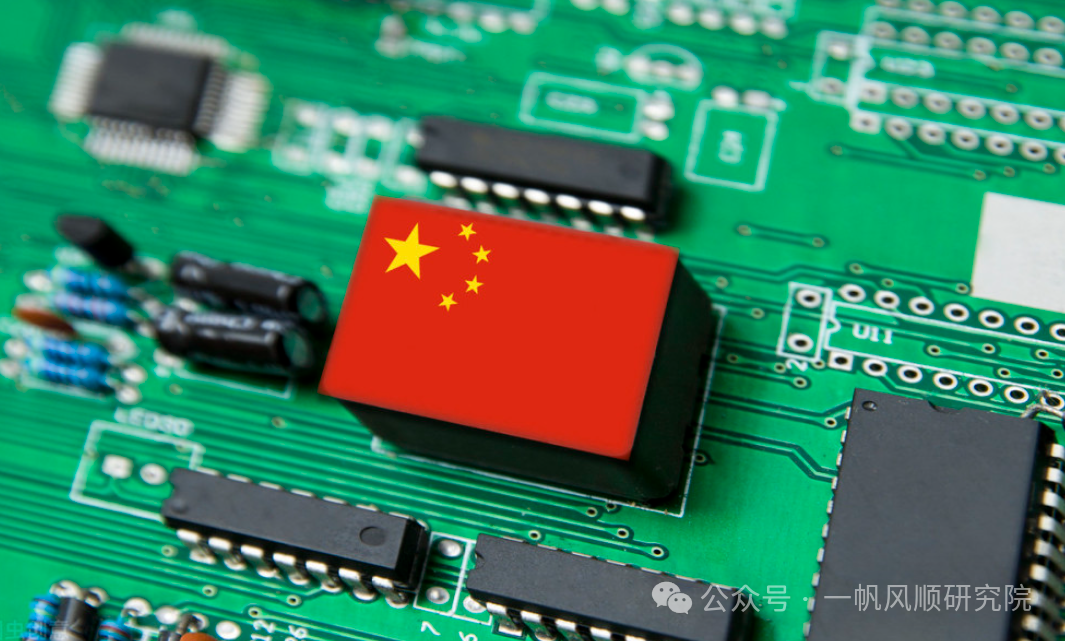
Analysis of Core Leaders and Risks in the Domestic Chip Industry Chain
Domestic chips are key to the semiconductor industry, covering design, manufacturing, packaging and testing, and equipment materials, and are central to achieving technological self-sufficiency. The following outlines the 10 core A-share leaders in the domestic chip industry chain, analyzing concepts and risks:
1. Chip Design Stage
(1) Cambricon – U
Core Concept: Leader in AI chip design, focusing on cloud and edge AI chips, covering computing cards and intelligent modules, suitable for large model training and inference needs, benefiting from the explosion of AI computing power and domestic substitution.Risks: Rapid technological iteration (upgrading large model computing power requirements, architectural innovation), high R&D investment (over 50% of revenue), difficult to achieve profitability in the short term; business relies on AI industry demand, intense market competition (NVIDIA, Huawei Ascend), overseas giants monopolizing the high-end market, making domestic substitution challenging; high customer concentration (cloud vendors, research institutions), order fluctuations affected by AI investment cycles, poor performance stability.
(2) SMIC
Core Concept: Leader in wafer manufacturing, focusing on 14nm and above mature processes, providing foundry services for domestic chips, covering scenarios such as mobile phones, IoT, and automotive electronics, benefiting from domestic substitution and growth in demand for mature processes.Risks: Advanced processes (7nm and below) constrained by technology and equipment (e.g., EUV lithography machines), slow breakthroughs, intense market competition (TSMC, Samsung); business relies on chip design companies, order fluctuations affected by consumer electronics and automotive industry cycles (e.g., decline in mobile phone shipments); high geopolitical risks (equipment import restrictions), capacity expansion and technological upgrades hindered, rising costs.
2. Chip Design – Sub-segments
(3) Montage Technology
Core Concept: Leader in memory interface chips, focusing on DDR5 memory interface chips and PCIe Retimer, providing high-performance interconnect solutions for servers and PCs, benefiting from AI server computing power upgrades and domestic substitution.Risks: Rapid technological iteration (upgrading from DDR5 to DDR6, new interface standards), high R&D investment, compressed profit margins; business relies on memory module manufacturers and server customers, order fluctuations affected by AI computing power investment cycles (e.g., large model server procurement); intense market competition (Rambus, IDT), overseas giants monopolizing the high-end market, making domestic substitution challenging, and slow expansion of new businesses (e.g., CXL chips), single performance growth.
(4) GigaDevice
Core Concept: Leader in storage chips and MCUs, focusing on Nor Flash and MCUs, covering scenarios such as automotive electronics, IoT, and consumer electronics, benefiting from domestic substitution and growth in demand for automotive intelligence.Risks: Intense competition in the storage chip market (Micron, SanDisk), high technical barriers (slow layout of NAND Flash), small profit margins; MCU business squeezed by overseas giants (Renesas, STMicroelectronics), small market share, and long certification cycles for automotive electronics (3-5 years), slow market expansion; business relies on consumer electronics and automotive industry cycles, large order fluctuations, poor performance stability.
3. Chip Manufacturing – Equipment and Materials
(5) North Huachuang
Core Concept: Leader in semiconductor equipment, focusing on etching machines, PVD, CVD, providing core equipment for wafer manufacturing and packaging and testing, benefiting from domestic substitution and capacity expansion of wafer fabs.Risks: High technical barriers for advanced equipment (e.g., EUV lithography machines, 5nm etching machines), slow breakthroughs, intense market competition (Applied Materials, Tokyo Electron); business relies on wafer fabs and packaging and testing companies, order fluctuations affected by semiconductor investment cycles (e.g., equipment procurement slows during overcapacity); high geopolitical risks (equipment export restrictions), technical exchanges and component imports hindered, rising costs.
(6) Shanghai Silicon Industry
Core Concept: Leader in semiconductor silicon wafers, focusing on 300mm large silicon wafers and SOI wafers, providing basic materials for wafer manufacturing, benefiting from domestic substitution and capacity expansion of wafer fabs.Risks: High technical barriers for large silicon wafers (yield, purity), slow breakthroughs, intense market competition (Shin-Etsu Chemical, SUMCO), overseas giants monopolizing the high-end market, making domestic substitution challenging; business relies on wafer fabs, order fluctuations affected by semiconductor investment cycles, slow performance growth, and large price fluctuations in raw materials (polysilicon), making cost control difficult.
4. Chip Packaging and Testing Stage
(7) JCET
Core Concept: Leader in chip packaging and testing, focusing on advanced packaging (e.g., SiP, Fan-Out), providing packaging and testing services for AI chips and automotive electronics, benefiting from domestic substitution and growth in demand for advanced packaging.Risks: High technical barriers for advanced packaging (e.g., CoWoS, 2.5D/3D packaging), high R&D investment, compressed profit margins; business relies on chip design companies, order fluctuations affected by consumer electronics and automotive industry cycles; intense market competition (ASE, Amkor), overseas giants monopolizing the high-end market, making domestic substitution challenging, and capacity expansion constrained by environmental policies, rising costs.
(8) Tongfu Microelectronics
Core Concept: Collaborative enterprise in chip packaging and testing, focusing on power devices and automotive electronics packaging and testing, suitable for scenarios such as new energy vehicles and photovoltaics, benefiting from domestic substitution and growth in demand from the new energy industry.Risks: Similar to JCET, high technical barriers for advanced packaging, high R&D investment; business relies on customers in the new energy industry, order fluctuations affected by industry cycles (e.g., pace of photovoltaic expansion); intense market competition (overseas packaging and testing companies), small profit margins, and consumer electronics packaging and testing business impacted by declining mobile phone shipments, slow performance growth.
5. Industry Chain Coordination and Extension Stages
(9) ZTE Corporation
Core Concept: Leader in communication chips and equipment, focusing on 5G baseband chips and network equipment, providing “chip + equipment” solutions for communication operators and industry customers, benefiting from domestic substitution and the evolution of 5G demands.Risks: Intense competition in the communication chip market (Qualcomm, Huawei), high technical barriers (baseband chips at 7nm and below), small profit margins; business relies on communication operators, order fluctuations affected by 5G investment cycles (e.g., slowdown in 5G base station construction); high geopolitical risks (restrictions in overseas markets), slow international business expansion, single performance growth.
(10) Will Semiconductor
Core Concept: Leader in CIS chips and semiconductor distribution, focusing on image sensors (CIS) and automotive electronic chips, covering scenarios such as mobile phones, automobiles, and security, benefiting from domestic substitution and growth in demand for automotive intelligence.Risks: Intense competition in the CIS chip market (Sony, Samsung), high technical barriers (high pixel, high dynamic range), compressed profit margins; business relies on mobile phone and automotive industry cycles, large order fluctuations (e.g., decline in mobile phone shipments impacting CIS demand); intense market competition (overseas semiconductor distribution companies), small profit margins in distribution business, and long certification cycles for automotive electronic chips, slow market expansion, poor performance stability.
Overall Risk Summary of the Industry Chain
Technical Challenges and Ecological RisksDomestic chips face triple barriers of advanced processes (e.g., 7nm and below), high-end equipment (e.g., EUV lithography machines), and core architectures (e.g., x86, ARM ecosystem), with high R&D investment (leading companies account for over 20% of revenue). If breakthroughs are slow or ecological construction is difficult, they will be long-term monopolized by overseas giants, leading to stagnation in performance growth.Market Cycles and Competition RisksEach segment is significantly affected by cycles in consumer electronics (mobile phones, PCs), automotive, and AI computing power, with significant order reductions during industry downturns (e.g., decline in mobile phone shipments), leading to severe performance fluctuations; compounded by competition from overseas giants (NVIDIA, TSMC), profit margins are compressed, making domestic substitution challenging.Geopolitical and Supply Chain RisksSemiconductor equipment and materials are highly dependent on imports (e.g., lithography machines, photoresists), and geopolitical conflicts (e.g., export restrictions) can lead to supply chain disruptions, hindering capacity expansion and technological upgrades, rising costs, and poor performance stability.
The core logic of the domestic chip industry chain is “Self-control + Technological Breakthrough”, in the short term, mature processes and sub-segments (e.g., AI chips, automotive chips) drive performance; in the long term, breakthroughs in advanced processes, high-end equipment, and ecological construction are needed to adapt to future demands such as AI computing power, 6G, and automotive electronics. Investment must be cautious of technical risks, cyclical fluctuations, and geopolitical issues, focusing on companies’ R&D capabilities, progress in domestic substitution, and ecological binding capabilities. (Note: This article is based on publicly available information to outline the logic of the industry chain and does not constitute investment advice. The stock market has risks, and decisions should be made cautiously.)
Article content is a compilation of publicly available information, primarily for learning and communication purposes, and does not make any recommendations. Investment carries risks, and trading is at your own risk; it does not constitute investment advice to anyone. Caution is advised when referencing online sources!