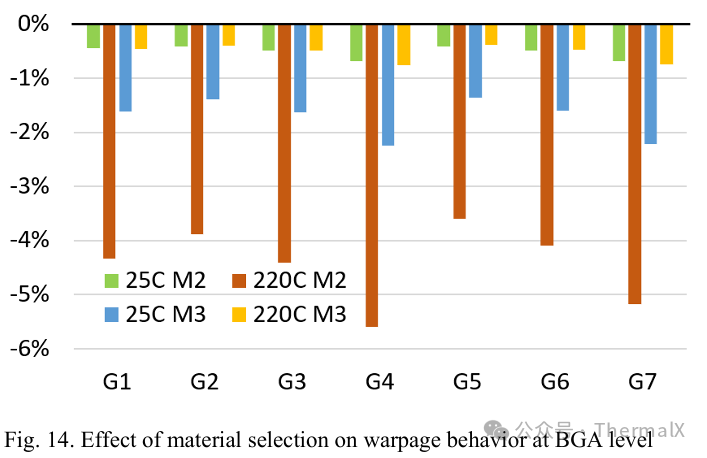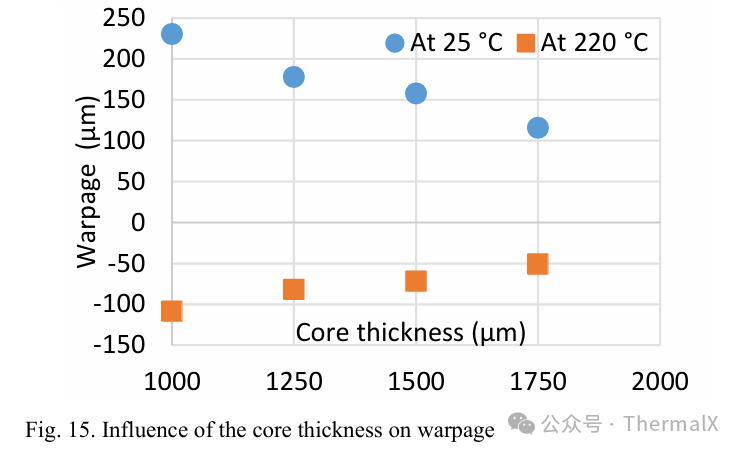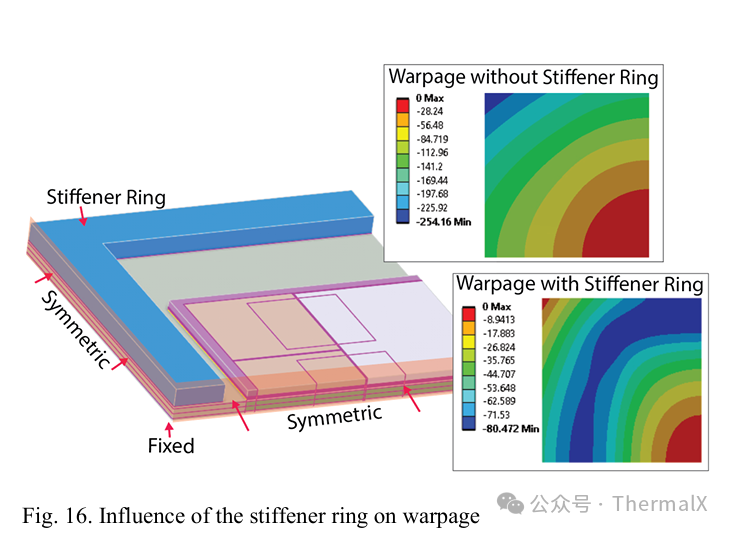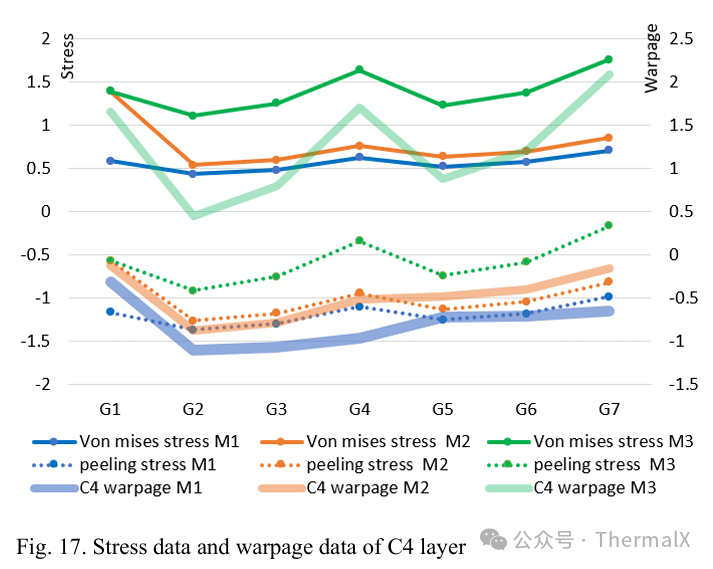
This article was published in 2024 by Binghamton University, State University of New York, and Nagase Industrial Co., Ltd.
Advantages of Organic Interposers (from Kimi):
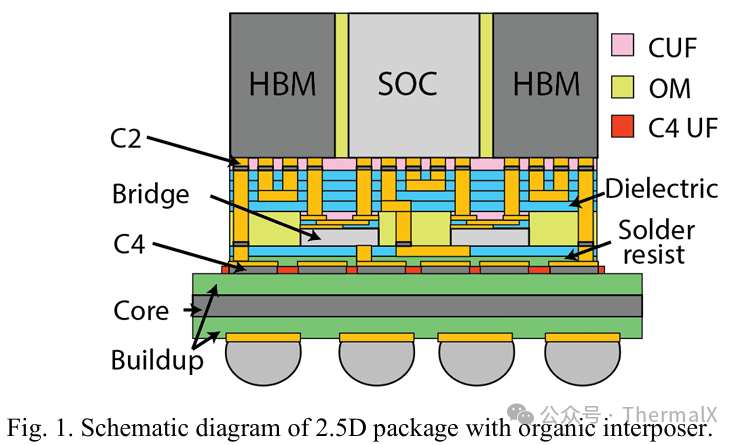
An organic interposer is a component used in semiconductor packaging technology that provides electrical interconnections between chips (such as CPUs or GPUs) and the package substrate. Compared to traditional silicon interposers, organic interposers typically have lower costs and more flexible manufacturing processes. Here are some key features and advantages of organic interposers:
-
Material Composition: Organic interposers are typically made from low dielectric constant (low-K) polymer materials, which help reduce signal transmission delays and improve performance.
-
Electrical Interconnections: Copper traces and vias are arranged on the organic interposer to achieve electrical connections between the chip and the package substrate.
-
Coefficient of Thermal Expansion (CTE): The CTE of organic materials is generally higher than that of silicon materials, which helps reduce CTE mismatch between the chip and the package substrate, thereby lowering thermal stress.
-
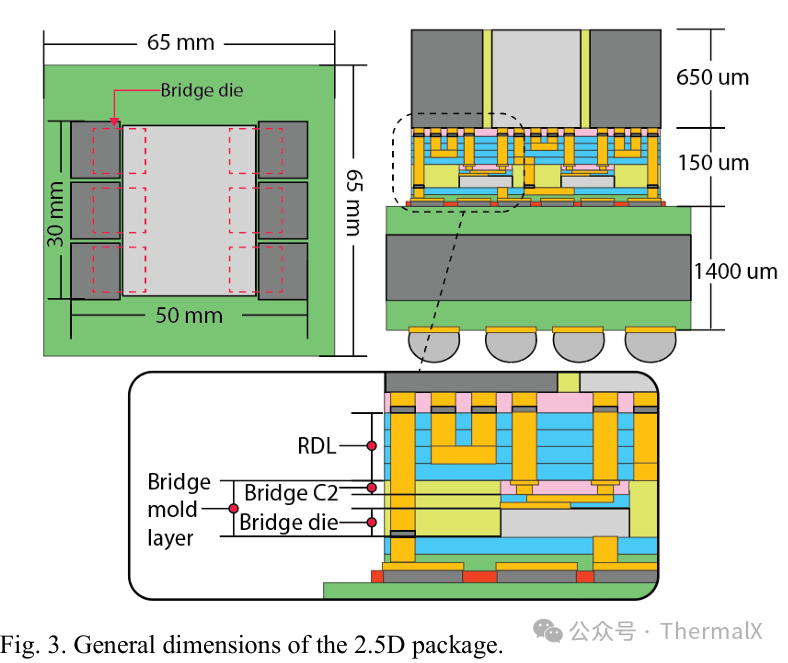
Redistribution Layer (RDL): Organic interposers can integrate redistribution layers that act as buffer layers, helping to alleviate stress generated due to CTE mismatch between the chip and substrate, thus improving the fatigue life of C4 connections.
-
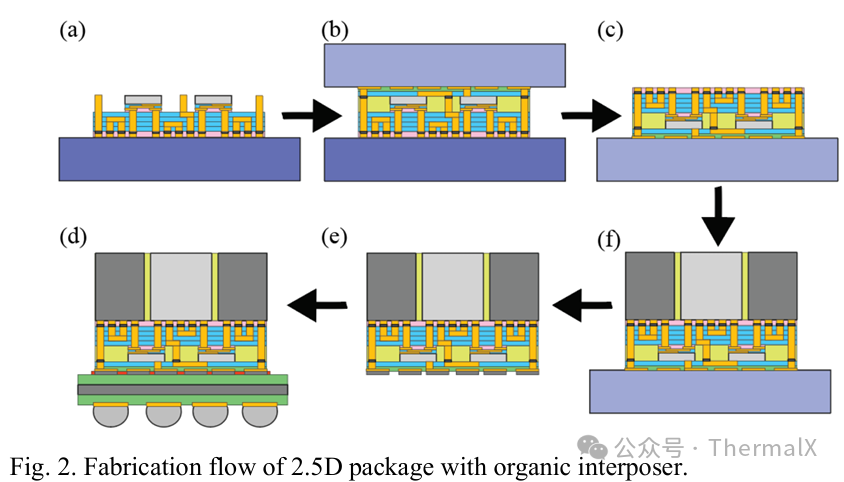
Embedded Bridge Chips: Organic interposers allow for the embedding of silicon bridge chips to achieve interconnections between chips, typically realized through molding.
-
Integration of Passive Components: Organic interposers can also integrate passive components such as capacitors and resistors to support signal communication.
-
Cost-Effectiveness: Compared to silicon interposers, organic interposers generally have lower material and manufacturing costs.
-
Design Flexibility: Organic interposers provide greater design flexibility as they can more easily adapt to different chip sizes and layouts.
-
Warpage Management: Due to CTE mismatch, organic interposers may experience warpage during manufacturing and thermal cycling, necessitating precise warpage management to ensure packaging reliability.
The development of organic interposer technology aims to meet the demand for higher performance, lower power consumption, and smaller package sizes in high-performance computing and mobile devices. By optimizing the design and material selection of organic interposers, the thermal-mechanical reliability of the package can be improved, thereby enhancing the reliability and performance of the entire electronic system.
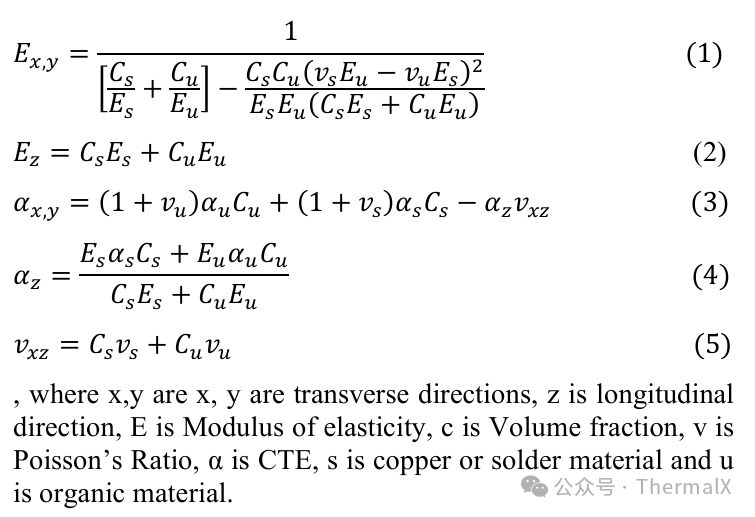
Calculation formulas for equivalent properties:
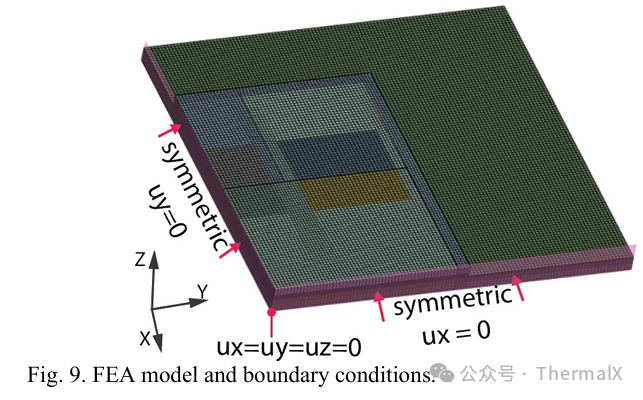
Simulation boundary conditions:
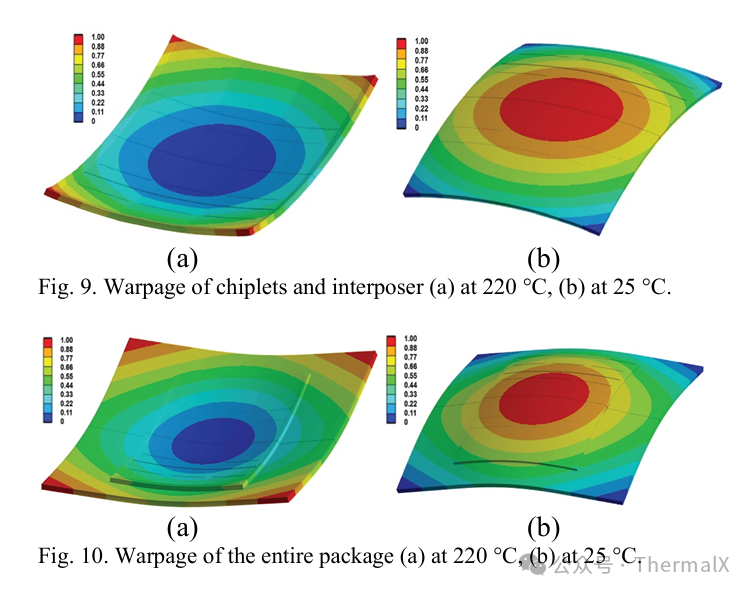
Simulation DOE:
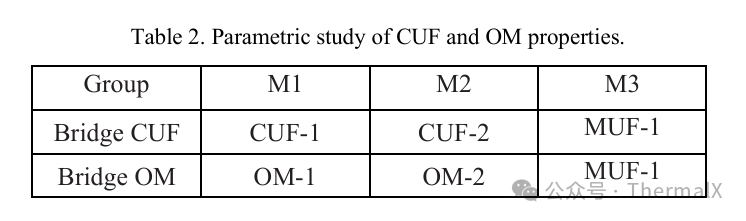
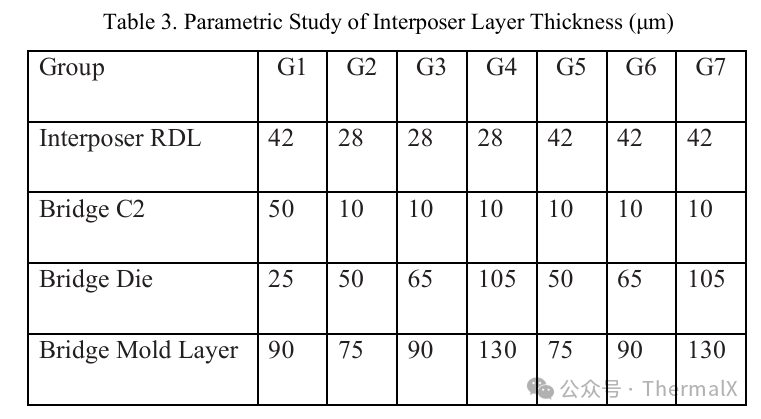
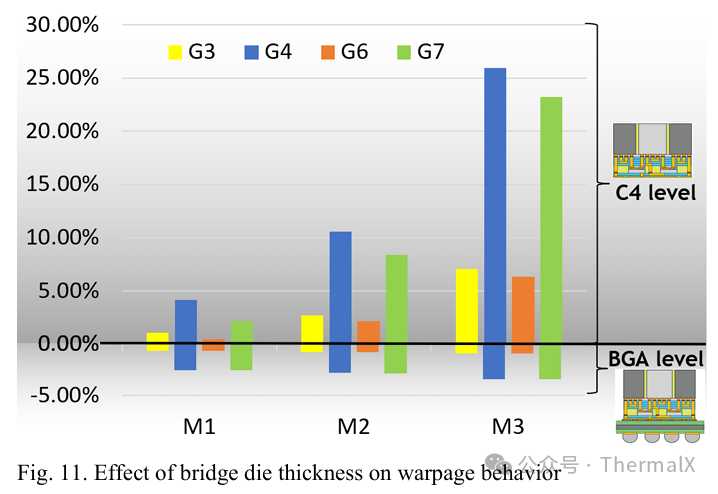
Comparisons of G3, G4 with G2, and G6, G7 with G5:
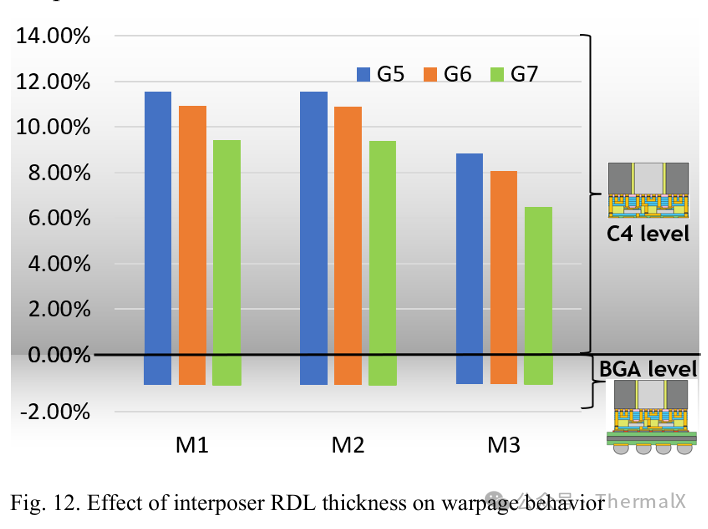
Comparisons of G5 with G2, G6 with G3, and G7 with G4:
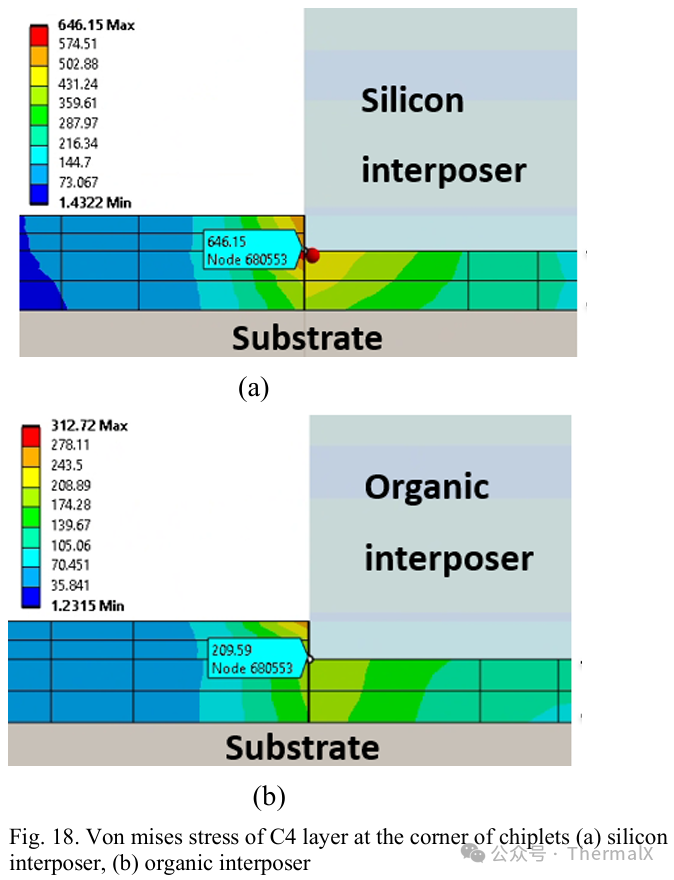
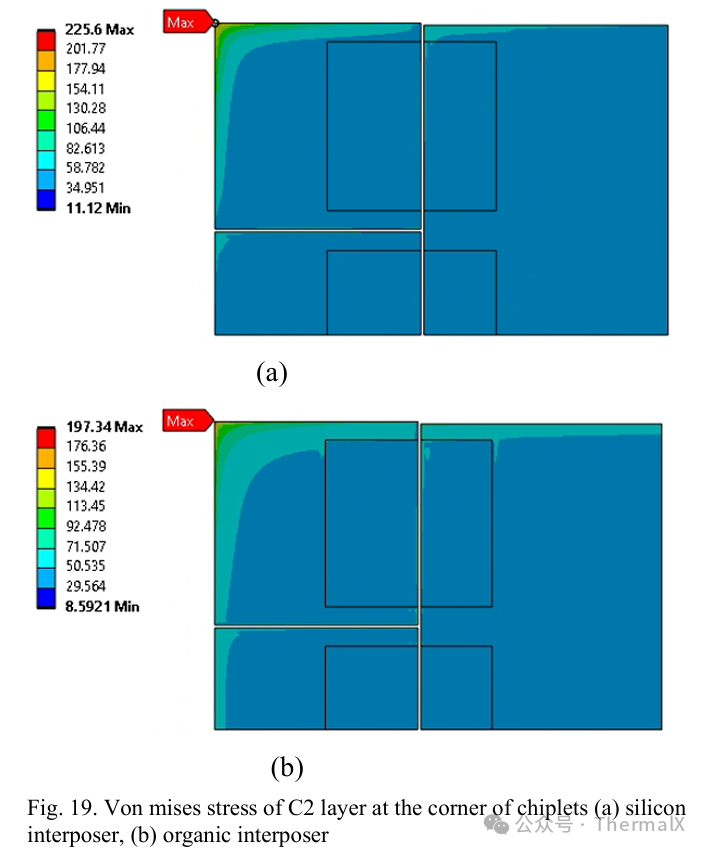
M1 as a reference:
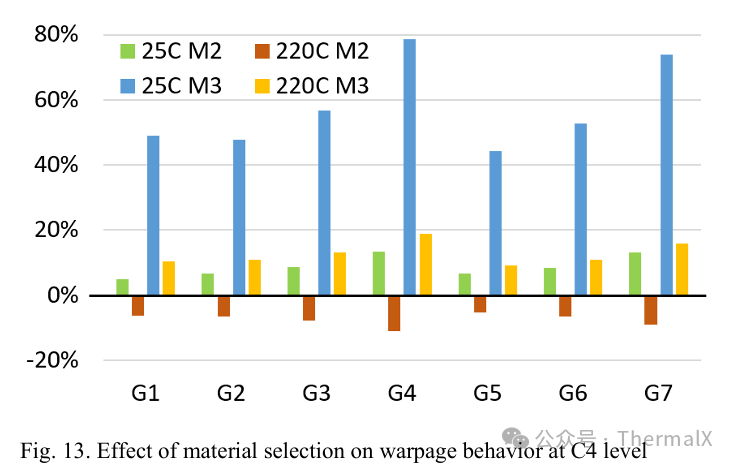
M1 as a reference: