In recent years, research on micrometer-scale soft robots has gained significant momentum, with potential applications spanning targeted drug delivery, tissue repair, environmental monitoring, and micro-mechanical operations. However, achieving complex motion control at the microscale, particularly mimicking the diverse movements of natural microorganisms (such as peristalsis, worm-like crawling, swimming, etc.), has been a core challenge hindering the practical application of micro-robots.
Traditional robots using solid hydrogel structures face issues such as slow response, limited deformation range, and low energy efficiency. To address this, researchers have combined light-responsive materials (like PNIPAM) with micro-structural designs (such as lattice structures) to achieve faster, controllable, and more diverse motion capabilities. The Light-Driven Soft Micro Robot (LSMR) is an innovative solution based on this concept, integrating advanced laser direct writing technology with bio-inspired motion mechanisms.
Abstract: Unconstrained micro-robots have significant application prospects in fields such as bionics, biomedicine, and micro-mechanics. However, replicating the various movements of natural microorganisms in artificial micro-robots poses a considerable challenge. This paper introduces a laser-based method that enhances the deformation capabilities of hydrogel micro-robots using lattice metamaterials, resulting in an unconstrained light-driven lattice soft micro-robot (LSMR).
Made from polyethylene (N-isopropylacrylamide) – single-walled carbon nanotubes, LSMR benefits from a PNIPAM-SWNT hydrogel and a truncated octahedral lattice structure, which reduces relative density, increases flexibility, and accelerates light-driven deformation. By employing sequential laser scanning, LSMR achieves a continuous in-situ rotation speed of 29.38°/s, nearly 30 times faster than previous studies, with a peristaltic movement speed of 15.15 μm/s (0.14 body lengths per second). LSMR can autonomously execute programmed movements under closed-loop feedback control and navigate through narrow openings as small as 75%. Compared to solid micro-robots under the same conditions, lattice micro-robots require only one-sixth of the laser energy to achieve three times the movement speed. These advancements mark a significant leap in the design and functionality of light-driven soft micro-robots, providing promising pathways for future biomedical research, bionics, and micro-mechanical engineering.
Research Methods
Materials and Structural Design
LSMR primarily consists of a composite hydrogel made from PNIPAM and SWNT, which exhibits excellent photothermal response properties. A truncated octahedral lattice structure is constructed on a silicon substrate with a sacrificial layer using laser direct writing (LDW) technology, forming a lightweight, high-strength, hollow three-dimensional skeleton. The advantages of the lattice structure include low relative density and large surface area, facilitating rapid thermal response and enhancing deformation rates.
Light-Driven and System Construction
Under a microscope platform, localized heating of the microstructure is achieved by focusing a laser, causing the hydrogel to contract in volume, thus enabling controlled deformation. By varying the laser scanning frequency, path, and power, LSMR can achieve three basic motion modes: linear peristalsis, in-situ rotation, and jumping forward.
Visual Feedback Closed-Loop Control
To improve motion accuracy, the system incorporates an image recognition-based closed-loop control system. A camera captures real-time position and angle data of LSMR, allowing the system to automatically adjust the laser scanning path for multi-target navigation and path planning (such as pentagons, mazes, etc.).
Research Results
1. Higher Deformation Efficiency
Compared to solid hydrogel structures, the LSMR lattice structure exhibits faster response times and greater contraction rates under the same illumination conditions. Its average contraction rate can reach 39.90%, while solid structures only achieve 15.08%, resulting in an approximately 7-fold increase in deformation rate.
2. Peristaltic Motion (Linear Propulsion)
Inspired by the peristaltic pattern of the single-celled organism Euglena, LSMR achieves bio-inspired forward movement through a six-stage laser sequence scan. Under optimal conditions, its peristaltic speed can reach 15.15 μm/s (approximately 0.14 body lengths/second), with stable control over movement direction.
3. In-Situ Rotation
Using a circular laser scanning path, LSMR can achieve efficient rotation, with an average angular velocity of 29.38°/s, peaking at 51.02°/s, far exceeding the rotation efficiency of traditional light-driven micro-robots at only 1°/s. This motion mechanism is particularly suitable for precise orientation in space-constrained scenarios.
4. Jumping Forward
Under high-power laser (200mW), LSMR utilizes the thermal gradient in the solution to create a thermophoretic effect, achieving continuous jumping forward, with speeds up to 20.63 μm/s, significantly higher than low-power peristalsis. However, this method’s energy conversion efficiency is only about 40% of that of the peristaltic method.
5. High Adaptive Deformation Capability
LSMR can actively contract its structure, successfully passing through slits as narrow as 75% of its static width, demonstrating exceptional adaptability to deformation. This is the first report of a light-driven micro-robot that relies entirely on body deformation to traverse slits, indicating its potential for adaptation in complex environments.
6. Automated Closed-Loop Path Control
In maze trajectory experiments with obstacles, the closed-loop visual system successfully guided LSMR to automatically turn, correct its path, and complete target navigation tasks, showcasing its practical potential as an intelligent micro manipulator.
Image Analysis
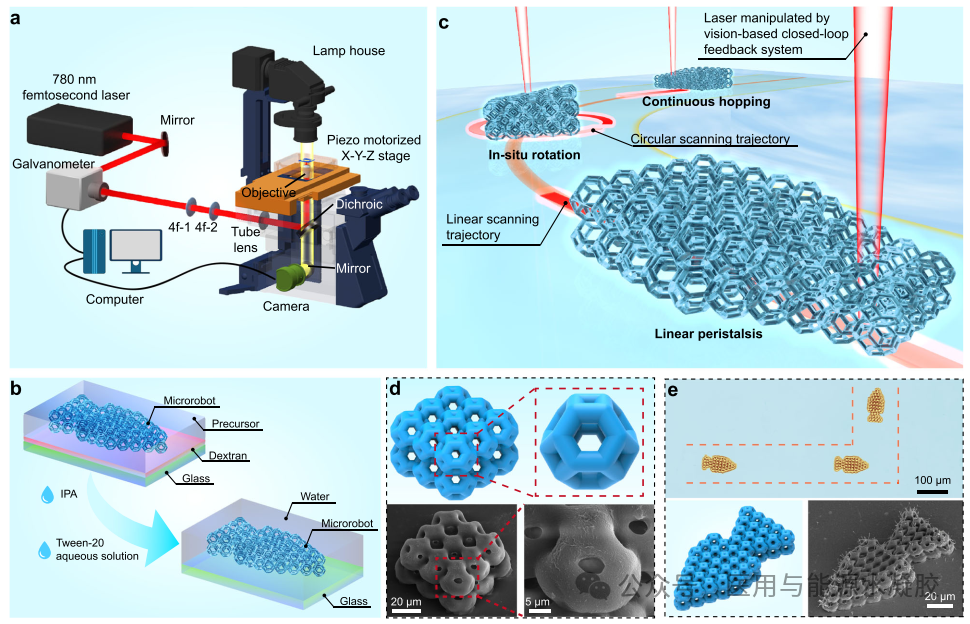 Figure 1 Design and Manufacturing of LSMR
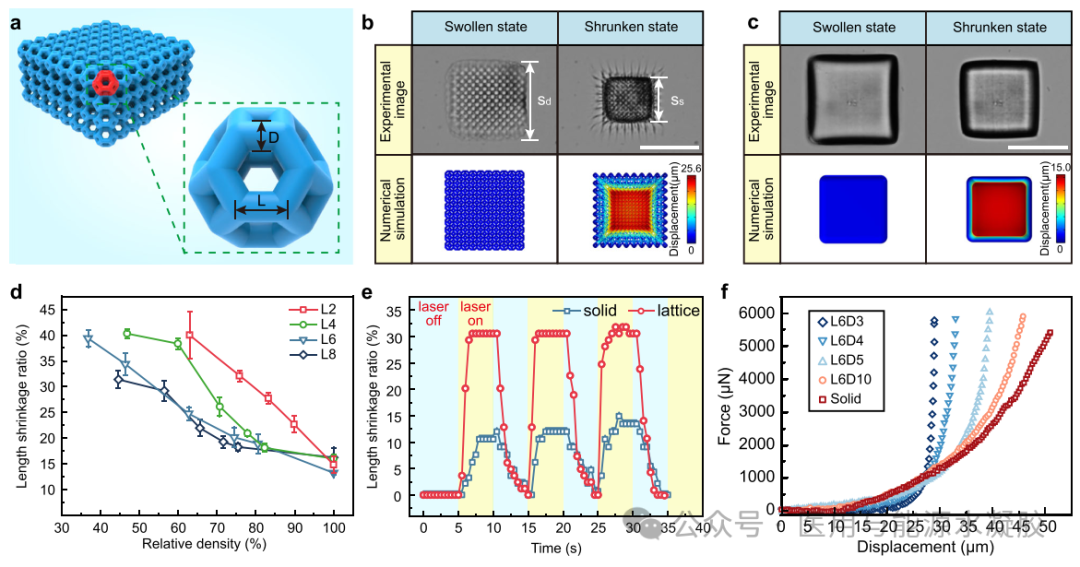 Figure 2 Design and Light Response of LSMR
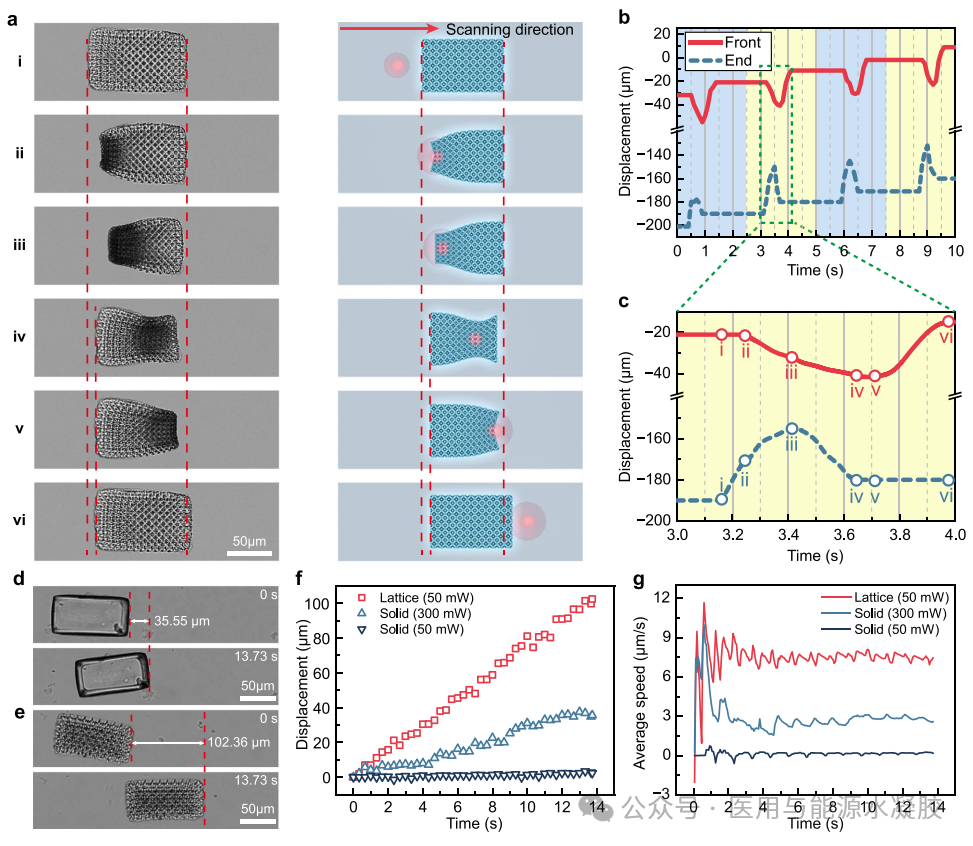 Figure 3 Linear Peristalsis of LSMR under Laser Scanning Frequency Modulation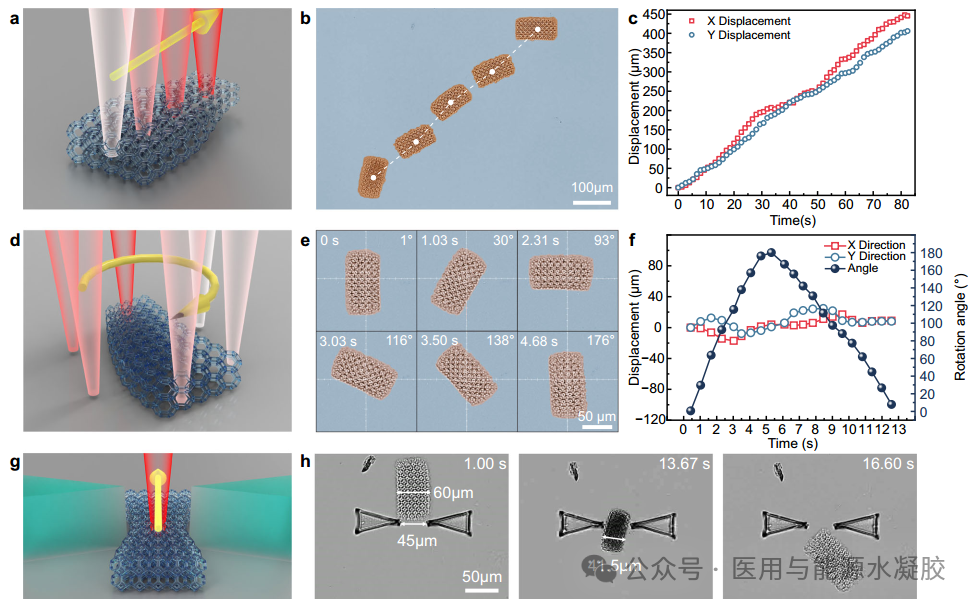
Figure 4 LSMR’s Planar Composite Motion under Laser Path Modulation
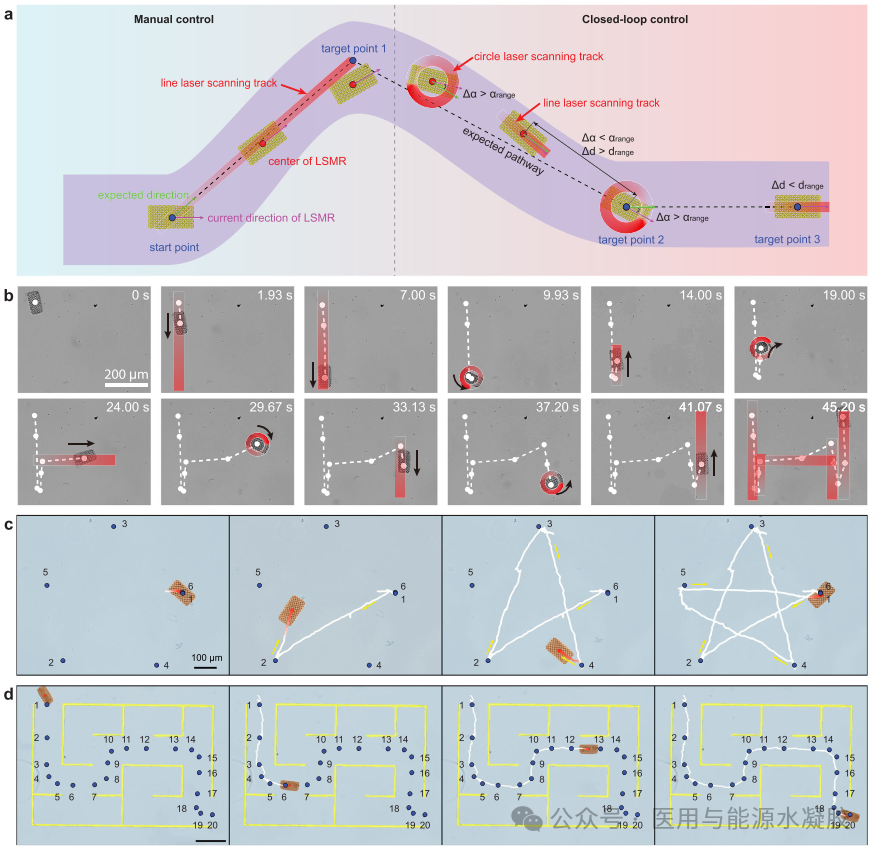 Figure 5 Closed-Loop Control of Peristalsis
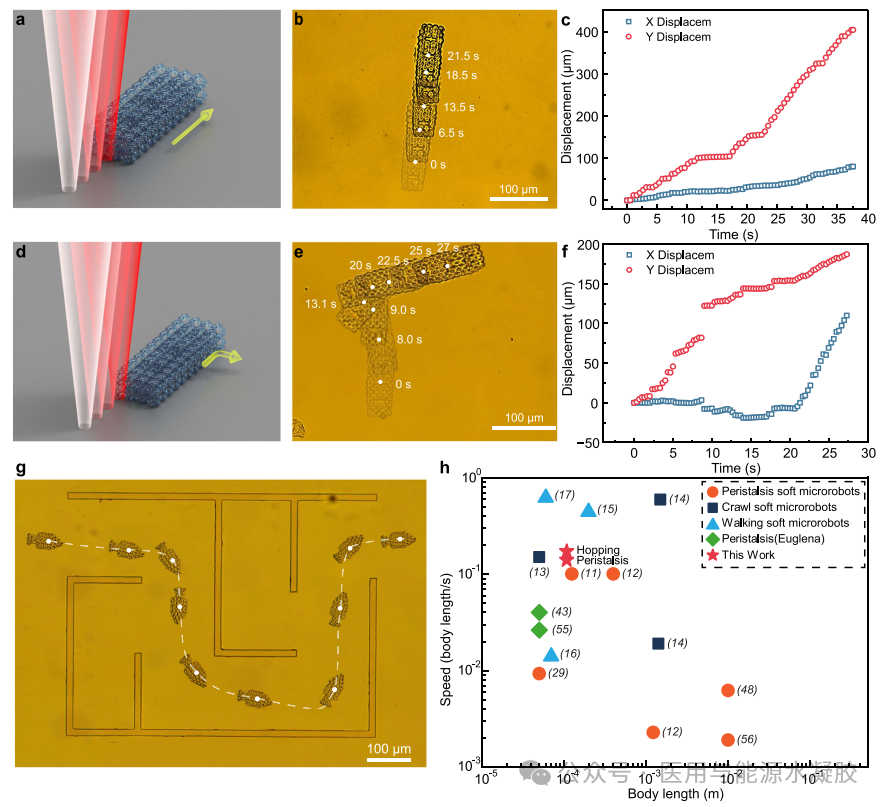 Figure 6 Continuous Jumping of LSMR Driven by High-Power Laser
Conclusion
This study demonstrates comprehensive breakthroughs in structural innovation, functional integration, and intelligent control of light-driven lattice soft micro-robots, providing a solid technical foundation for future applications of micro-scale robots in medical diagnostics, targeted drug delivery, and micro-mechanical assembly. Although challenges such as a single energy source and limited motion precision remain, the future development directions proposed by the research team (such as introducing magnetic control composite drives, enhancing visual resolution, and optimizing algorithms) are highly feasible. It is foreseeable that the next generation of LSMR will be smaller, faster, smarter, and closer to the future vision of “intelligent in-body doctors.”