Science and Technology Construction Project
Project Batch: 2019 First Batch
Project Number: 201901134060
Project Type: Teaching Content and Curriculum System Reform Project
Project Implementation Background
To become a talent with certain professional application abilities, one needs to master professional knowledge from multiple related courses, and this knowledge needs to be integrated with specific field practices to gradually form the skills to solve practical problems. Therefore, when teaching theoretical knowledge in deep learning courses, it is essential to integrate suitable practical application cases, and through exercises based on real-world projects, to truly consolidate professional knowledge and address typical problems in traditional professional course teaching:
(1) Cases are widely used in teaching, but most of these cases do not come from the first-hand practice of the instructors, making it difficult to thoroughly analyze some key issues. The theoretical knowledge remains at a superficial and one-sided understanding level, leading to teaching that primarily focuses on knowledge transfer, supplemented by simple experiments, far from meeting the requirements for cultivating application-oriented talents.
(2) There exists a certain prerequisite and subsequent relationship among multiple courses, forming a relatively complete curriculum group for the profession. However, the case teaching of each course is fragmented, with each course acting independently. The cases encountered by students are disjointed, making it difficult to comprehensively understand the overall picture of corresponding practical projects, and not conducive to accumulating the necessary comprehensive skills and techniques in practical applications.
(3) Teaching cases lack a unified design and sharing mechanism from the teaching team, and there is no suitable platform for long-term support. Some project cases accumulated from scientific research are not fully utilized, and the effects of case and practical teaching do not meet the requirements for cultivating new engineering talents.
To address the above issues, the deep learning course adopts a project-based teaching method oriented towards the curriculum group. Based on the position of the course in the overall training plan, the project results of real enterprises are decomposed according to the knowledge points of the course syllabus, corresponding to the content of each course in the curriculum group. The first-hand project cases are analyzed based on the knowledge points and skill requirements, decoupling from top to bottom according to the knowledge, tools, and methods used at each project stage, and then progressively combining the fragments of the project with the specific chapter content of the courses in the order of course offerings, as shown in Figure 1.
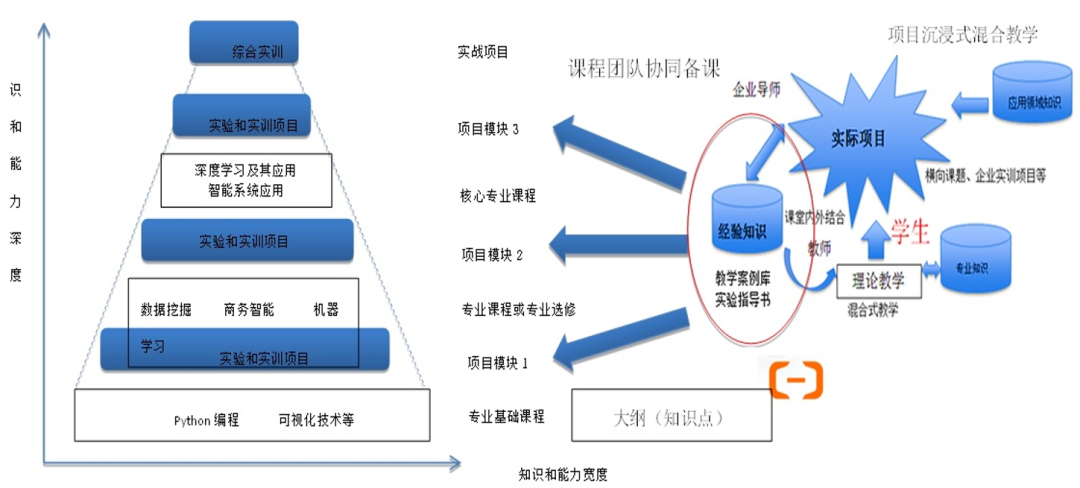
Figure 1: Domain Application Driven Deep Learning Course
Reform Ideas and Measures
The arrangement of the deep learning course is gradual, making the course content systematic and complete, while also having a certain level of difficulty. On the basis of introducing basic methods and knowledge, it provides a comprehensive introduction to the basic principles of deep learning, typical algorithms, and their typical application fields. The entire course design develops the online course part according to the standards of the FD-QM blended course recently promoted by Fudan University, with advantages compared to similar courses:
(1) Emphasis on the depth and applicability of course content.The course selects relatively typical algorithms in the practical applications of deep learning, which have a certain level of difficulty. By analyzing the process of solving practical problems, related algorithms are introduced to explore potential key issues, and an in-depth discussion is conducted in conjunction with the MindSpore operator conversion of the Defrcn model from top conferences. The course is based on the MindSpore computing framework, with each chapter accompanied by about 2 experiments. In addition to basic experiments like handwritten digit recognition, image classification, animal recognition, sentiment recognition, Faster R-CNN object detection algorithm, style transfer, and machine poetry writing, several more challenging experiments have been developed, which are supplemented and updated each semester, as shown in Table 1. Students can study Python code and attempt improvements, experiencing the process of applying machine learning algorithms.
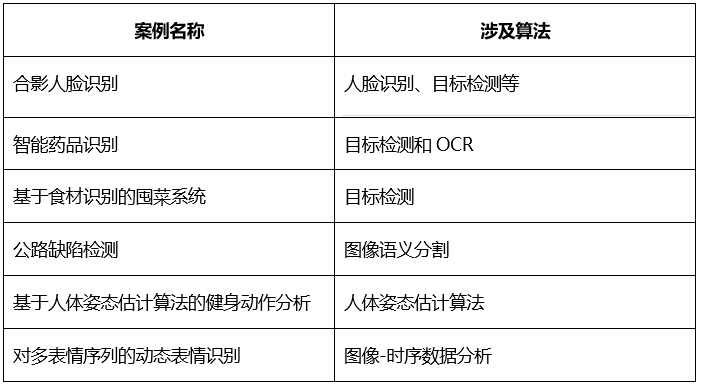
Table 1: Some Typical Teaching Cases
(2) Focus on domain problem-driven inspiration.Each chapter of online teaching explains tedious algorithms by introducing real application scenarios, stimulating students’ interest in learning, facilitating a deeper understanding of algorithms, and enhancing students’ practical abilities. Based on the collaboration with Huawei and other enterprises in teaching research and horizontal project results, more than 30 original supporting cases in the fields of machine learning and deep learning have been developed, reflecting well after usage in dozens of universities and tens of thousands of students, effectively supporting the development of practical teaching. The foundation of the course’s industry-academia cooperation is shown in Figure 2.
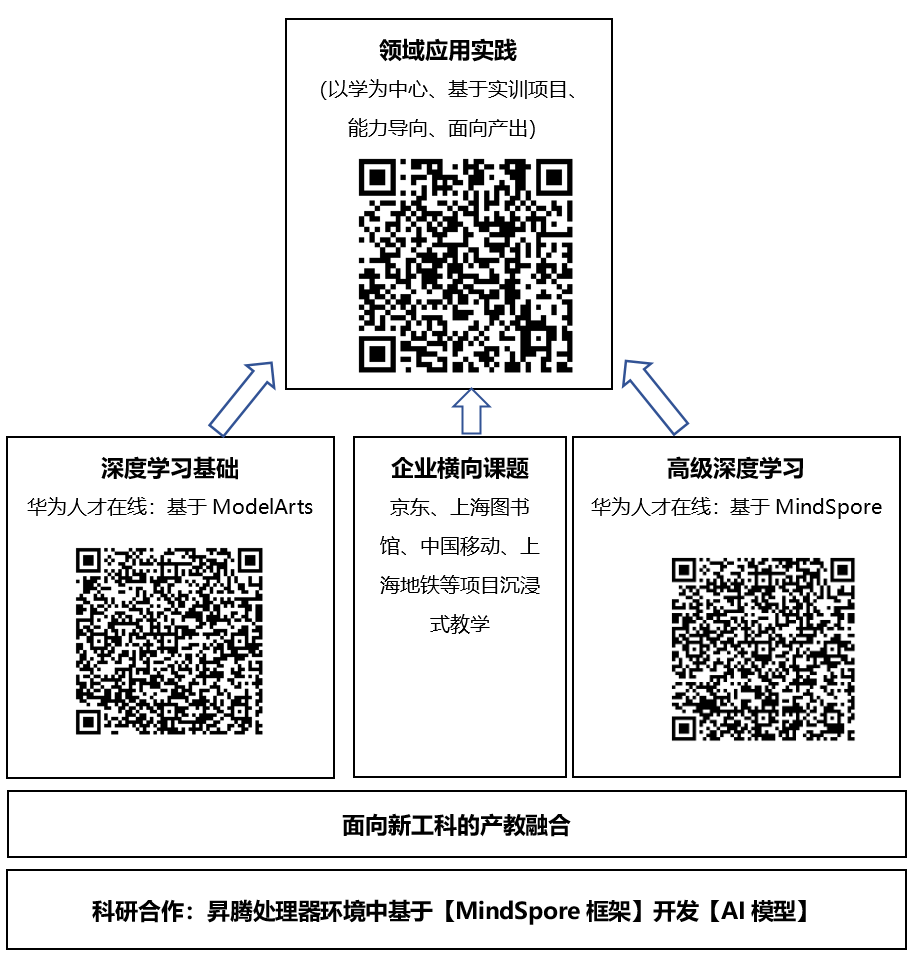
Figure 2: Foundation of the Course’s Industry-Academia Cooperation
(3) Emphasis on the construction of supporting experimental platforms and teaching materials. In order to facilitate practical case teaching and student experiments and training, nearly 10 experiments on deep learning have been developed using the MindSpore computing framework and Huawei’s Atlas200 development board. Several textbooks have been published, such as “Machine Learning (2nd Edition)”, “Machine Learning Case Practice (2nd Edition)”, and “Python Machine Learning Practical Cases (2nd Edition)”, as shown in Figure 3. These textbooks are all accompanied by data and Python code implementations, discussing typical algorithms and applications of deep learning, effectively supporting the basic experiments of the course and having a positive impact on online experimental teaching in other universities.
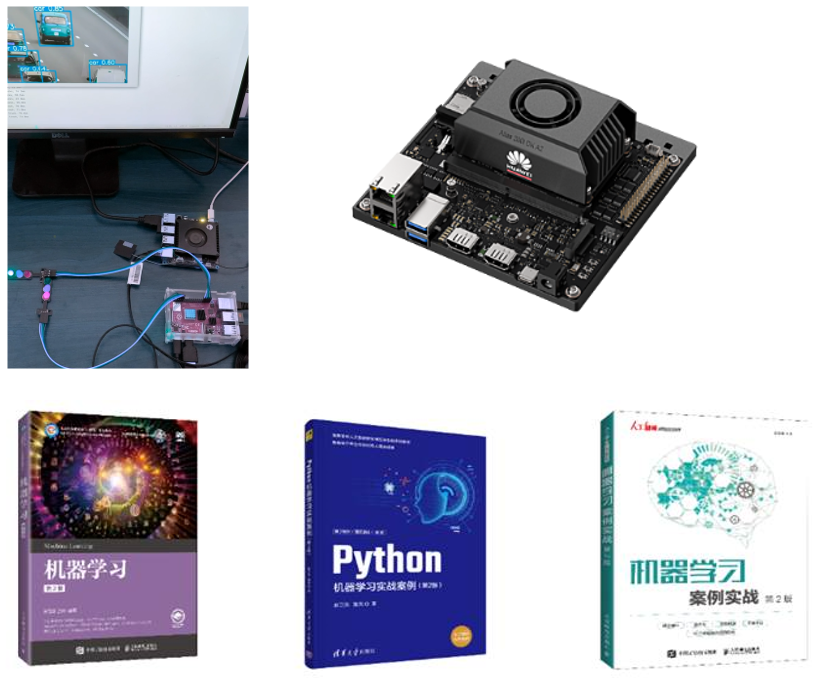
Figure 3: Development Board Practice and Course Textbooks
Project Achievements, Innovations, and Effects
Deep learning and its applications is a course that emphasizes both theory and practice, with a considerable amount of content and many algorithms that have a certain level of difficulty. The application of deep learning also requires certain experience and skills. This course references a large amount of literature, combines years of data analysis research and practical cooperation projects with over 20 enterprises, and designs content in an accessible manner, allowing students to delve into deep learning algorithms and applications. The course consolidates and tests students’ understanding of basic knowledge through over 400 original multiple-choice questions, fill-in-the-blank questions, and true/false questions, in addition to providing over 20 basic cases for student experiments and training.
The course examination is divided into two parts: one is the theoretical assessment, mainly using true/false questions, single-choice or multiple-choice questions, where most questions integrate multiple knowledge points, requiring a deeper understanding of deep learning algorithms to answer correctly; the other is applying the core algorithms introduced in the course to analyze practical problem projects. In the later stages, this can be promoted to other universities, where instructors can adopt the SPOC teaching method to conduct project-based analysis assessments, expanding the assessment of students’ application abilities.
Through systematic learning of this course, students can not only establish a solid foundation in algorithms but also have a strong hands-on ability in solving practical problems.Figure 4 shows typical works assessed from students (in order: electric vehicle helmet detection, smart refrigerator, sorting of unattended medicine vending machines, automatic statistics of nucleic acid testing, infant sleeping position detection, smoking detection). These cases can be implemented on Huawei’s Ascend platform.
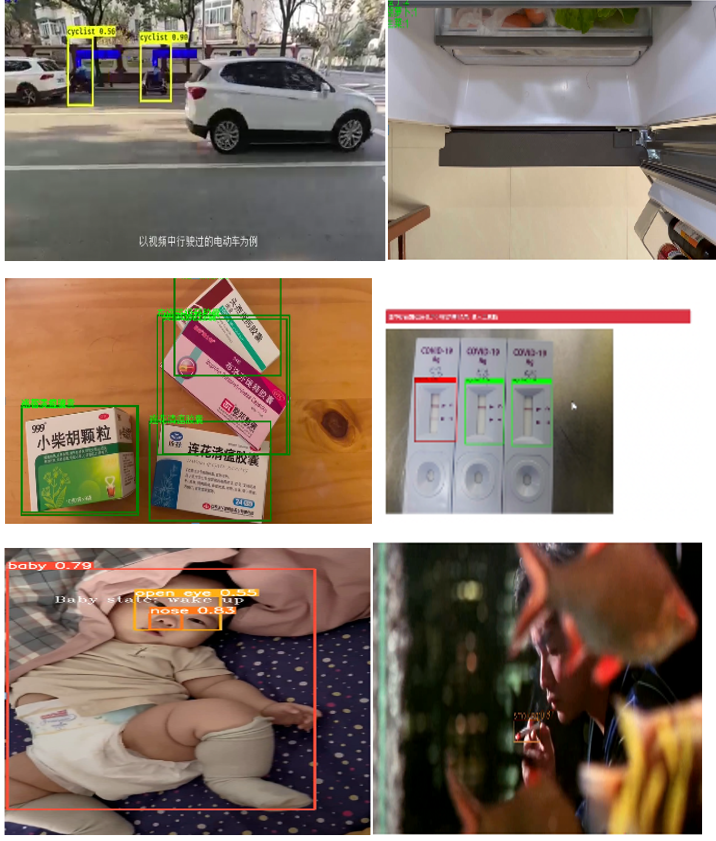
Figure 4: Some Student Works
Explored the immersive teaching of the deep learning course and deeply practiced effective ways to cultivate dual-teacher type instructors.In conjunction with Huawei’s Wisdom Project (MindSpore implementation of the Defrcn algorithm from top conferences), two deep learning courses have been opened on Huawei Talent Online; in 2022, a “Huawei Senior Deep Learning Online Teacher Training” was held, involving over 340 teachers; five related teaching papers have been published in “Computer Education”; and three related textbooks have been published.
Won the Outstanding Case of the Ministry of Education’s Industry-Academia Cooperation Collaborative Education Project in 2022.The deep learning and its applications course received the second batch of national-level first-class undergraduate courses in 2023, was recognized as a typical case of the “Double Hundred Plan” for university-industry cooperation by the Chinese Higher Education Society in 2022, was awarded the Excellent Course of the MOOC Alliance for Computer Education in Higher Education in 2023, won the first prize in the Fudan University Teaching Innovation Competition in 2022, and has received first and second prizes in the Shanghai Teaching Achievement Awards five times, as well as being recognized as excellent cases and courses by the New Engineering Alliance twice.
Application and Promotion Situation
The course has been offered at Fudan University for many years, starting from the initial Shanghai boutique course in machine learning, gradually introducing deep learning content, and has eventually built a relatively mature theoretical teaching system for deep learning as an independent course after more than a decade of refinement. This project also integrates various project outcomes from cooperation with enterprises to carry out deep teaching and project-driven teaching reform, making the course not only theoretically deep but also more emphasized in practical field applications. The assessment within Fudan University ultimately adopts project-based major assignments, requiring submission of project analysis documents, Python programs, data, etc., along with presentations, combining scores from theoretical question answering.
To benefit more students, a basic course in deep learning was attempted on Huawei Talent Online, and an online course was launched on China University MOOC in 2019, fully open to the public, with 10 sessions held so far, as shown in Figure 5. A large amount of effort has been invested in content design, courseware, and supporting materials, with updates made to some content in each session, integrating Huawei’s MindSpore framework and cases, and developing new cases based on this framework. So far, nearly 100,000 university students and social learners have enrolled in this course. Currently, the course involves students from hundreds of universities, with dozens of schools and institutions, such as Nanjing University of Aeronautics and Astronautics, Hubei University of Technology, Guangxi University, Northeast University of Finance and Economics, Huaiyin Institute of Technology, Huaqiao University, Changzhou Institute of Technology, and Henan Polytechnic University, adopting it as a SPOC course, having a significant impact among similar courses.
The online deep learning course was recognized as a recommended course by the Teaching Guidance Committee of Electronic Commerce Majors of the Ministry of Education in 2020 and was recognized as the second batch of national-level first-class undergraduate courses in 2023. Due to the outstanding performance of the course, it has been funded for construction by companies such as Huawei and recommended for use as a demonstration course in other universities.
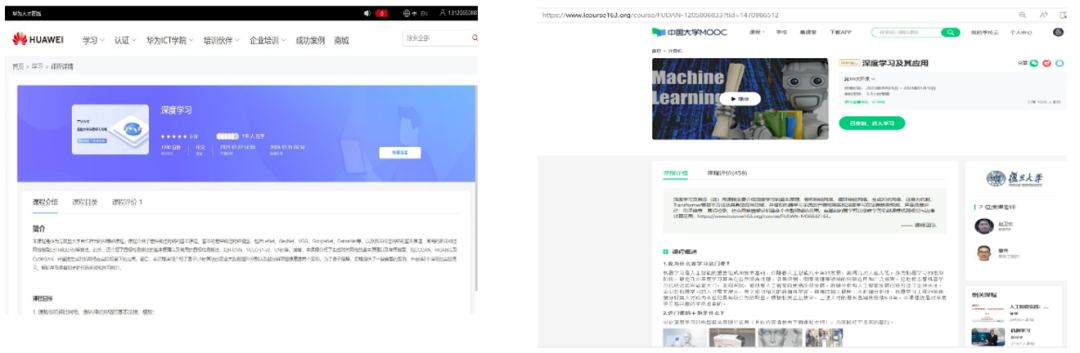
Figure 5: Supporting Online Deep Learning Courses (Left: Deep Learning Course on Huawei Online; Right: Deep Learning Course on China University MOOC)
Experience Summary
The best way to master deep learning algorithms is to learn by doing, using real data to solve real problems, rather than just leaning towards learning algorithms. Through practical project experiences, one can not only test their mastery of theoretical knowledge but also deepen their understanding of theoretical knowledge, fill in gaps in learning, especially experiencing skills and techniques that are rarely seen in textbooks, and apply them in various situations. This iterative process continuously improves the ability to apply deep learning algorithms and develops a genuine approach to solving customer problems. This course utilizes Huawei’s MindSpore framework and edge computing development board, integrating project outcomes from enterprise research cooperation into the course teaching, achieving immersive teaching oriented towards the deep learning curriculum group, enhancing the course’s challenge and practicality, and exploring an effective path for cultivating new engineering instructors.