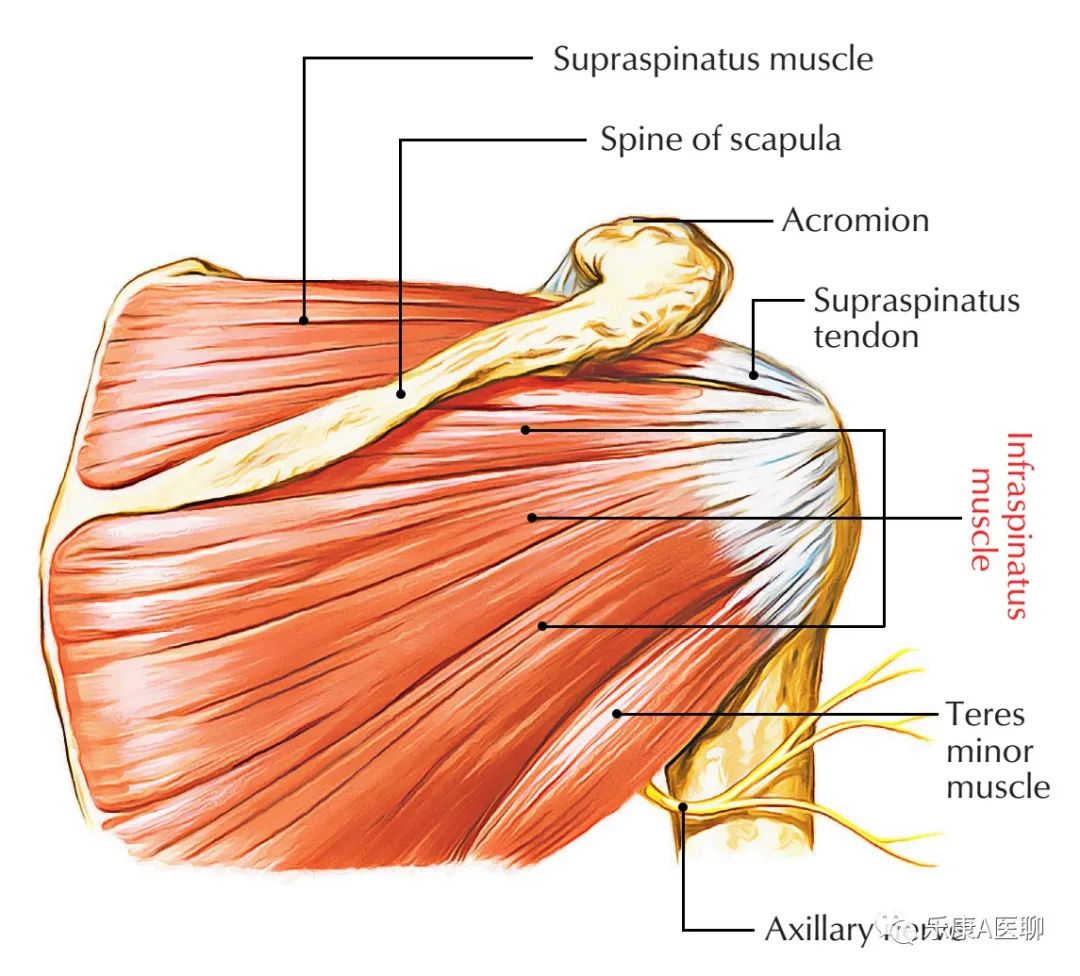
The infraspinatus muscle is one of the four muscles that make up the rotator cuff. It plays a significant role in the movement and stability of the shoulder joint.
In many sports, such as swimming, tennis, and baseball, the shoulder muscles are put to the test. However, they are also important in daily activities, such as getting dressed or simply picking things up.
When the infraspinatus hurts, you may find it difficult to perform many routine activities.
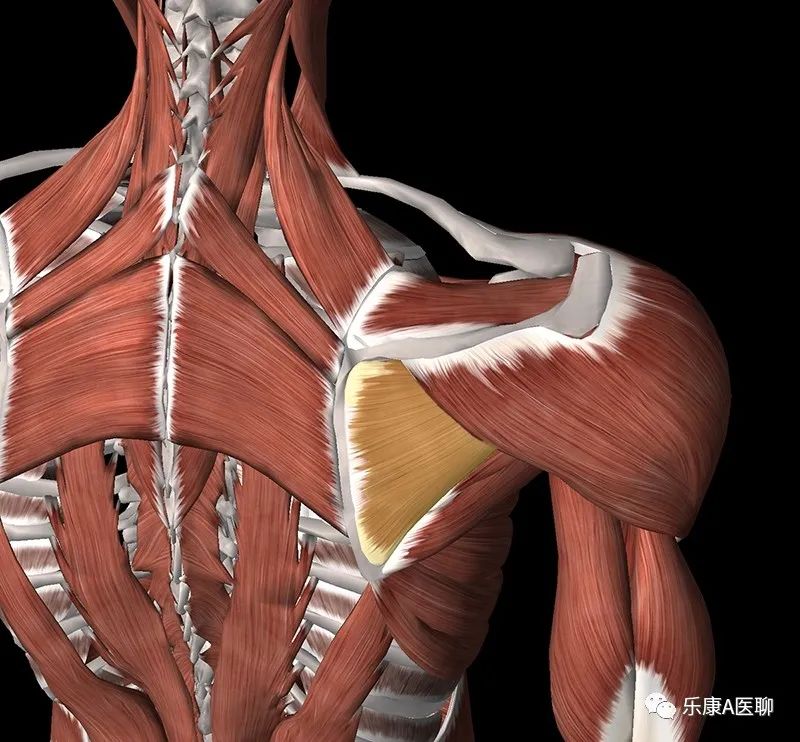
Basic AnatomyThe infraspinatus is a thick triangular muscle located behind the scapula, attaching to the humerus (upper arm bone) and the top of the scapula (shoulder blade). The other rotator cuff muscles are the supraspinatus, subscapularis, and teres minor. The main function of these four rotator cuff muscles is to stabilize the shoulder joint. These muscles and other tissues make the shoulder the most flexible joint in the body, allowing it to move in many different directions.
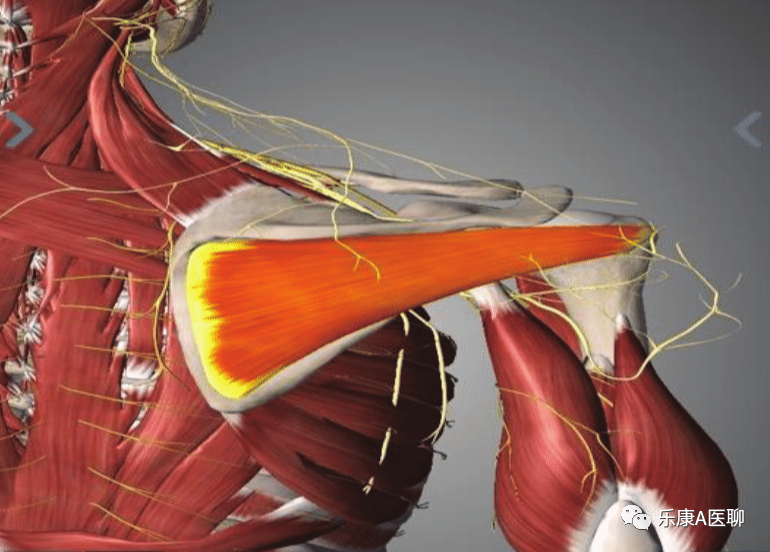
Causes of Infraspinatus PainThe causes of infraspinatus pain range from mild strain to complete tear. Here are some causes of infraspinatus pain. Infraspinatus Tear: The infraspinatus can be partially or completely torn. For younger individuals, rotator cuff tears are mostly due to sports injuries. Shoulder injuries tend to increase with age. About 10% of people aged 20 and under have rotator cuff issues, while 62% of those aged 80 and above have rotator cuff problems. In older adults, muscle tissue may have weakened, making them more likely to tear from daily activities. Such injuries can be caused by: wear and tear, lack of use, smoking, repeated corticosteroid injections. If the infraspinatus is torn, it is difficult for the other three rotator cuff muscles to remain intact. There are, of course, cases reported in previous literature of two individuals who sustained injuries during soccer matches, showing imaging of infraspinatus tears while the other three muscles remained intact. Nerve Compression: This is very rare, but if the infraspinatus is weak enough, the suprascapular nerve in the shoulder can become compressed or pinched. Tendinitis (also known as tendonitis): This occurs when the tendon becomes inflamed. It can also lead to tearing of the tendon tissue. Up to one-third of older adults with rotator cuff tendinitis have tears. Myofascial Pain Syndrome: This is a chronic pain affecting the muscles. The pain comes from trigger points or sensitive spots within the muscles. It can also cause referred pain, which is when seemingly unrelated pain occurs in other parts of your body. Myofascial trigger points are common causes of shoulder and arm pain. In a study of 126 patients, 31% had shoulder pain originating from the infraspinatus.
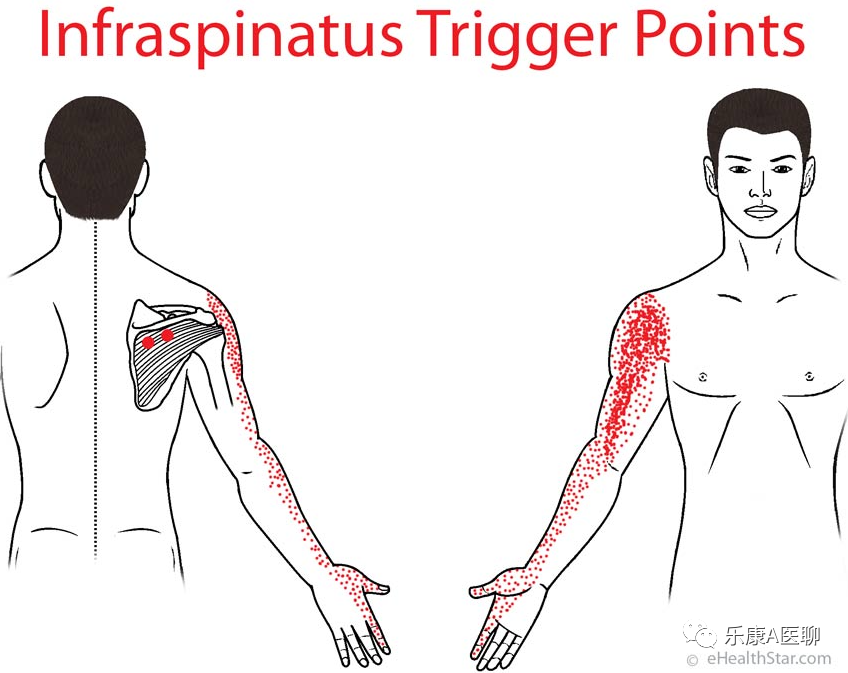
Symptoms of Infraspinatus PainYou may notice one or more of the following symptoms: pain, limited shoulder joint movement in the affected shoulder, difficulty sleeping, weakness in the shoulder joint, a grinding or tingling sensation when you move your shoulder.
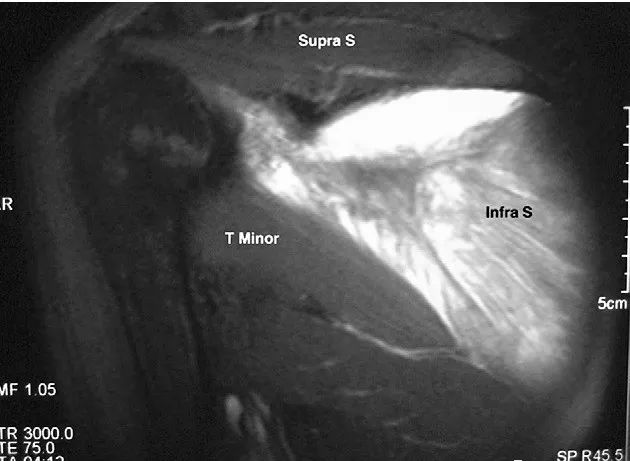
MRI Scan Showing Infraspinatus Edema
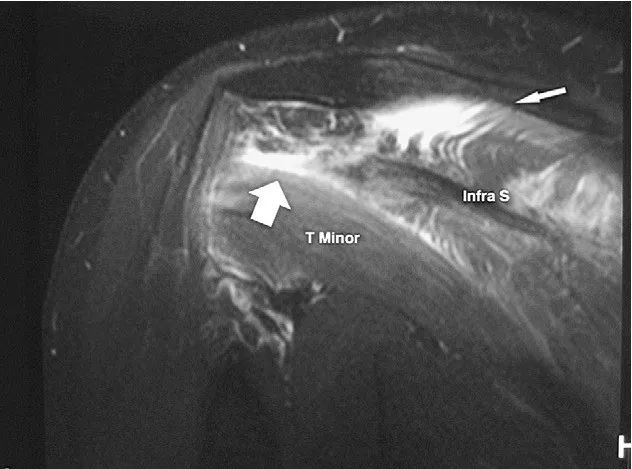
MRI Scan Showing High Signal at the Site of Damage (Large White Arrow), and Increased Feather Angle Due to Infraspinatus Retraction (Small White Arrow)
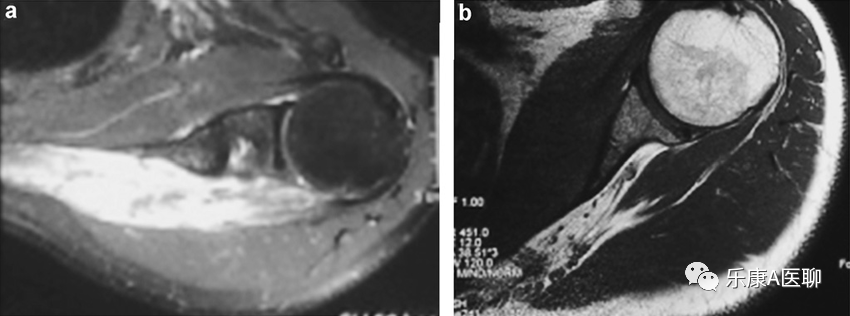
Axial MRI Image of Infraspinatus Tendon Rupture; a: Acute Phase, Axial T2 Fat Saturation Image Shows Muscle Edema; b: 10 Months Later in the Same Patient: Stage 4 Fat Infiltration on T1 Image.
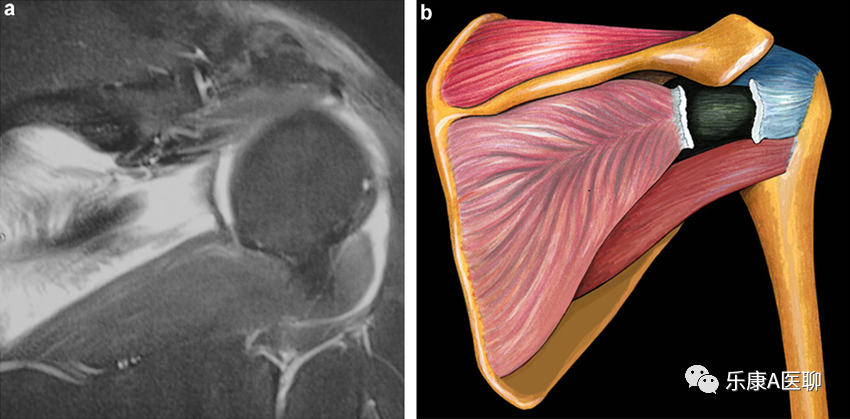
Acute Infraspinatus Tendon Rupture; a: T2 Fat Sat Coronal Sequence: Significant Muscle Inflammatory Response with Muscle Edema, Hematoma at the Tear Site, Infraspinatus Muscle Retraction; b: Acute Phase Tendon Rupture Image.
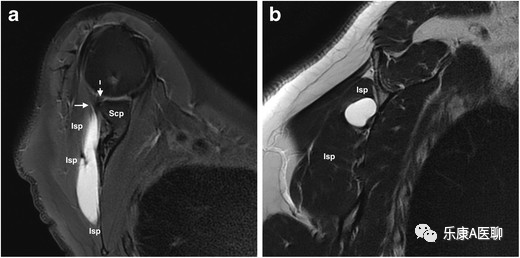
Infraspinatus Cyst in a 58-Year-Old Female, Known to Have Partial Supraspinatus Tear, with Increased Pain in the Posterior Right Shoulder During Elevation and External Rotation
Diagnosis of Infraspinatus PainYour doctor will review your medical history and perform a physical examination. They will ask about your symptoms, any recent injuries, and what types of sports or activities you engage in. X-rays may be taken to rule out other issues. Ultrasound or magnetic resonance imaging (MRI) scans can also be used to assess your injury. Some doctors may also use shoulder joint injections. Dye is injected into your joint so it can be visualized on X-rays.
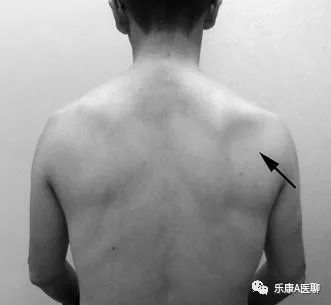
Atrophy of Shoulder Muscle Tissue. Right Infraspinatus Atrophy, with Depression of the Infraspinatus Fossa (Arrow)
Treatment for Infraspinatus PainFor most people, non-surgical treatment should help alleviate infraspinatus pain. Surgery is typically recommended if: your symptoms have persisted for 6 to 12 months, the shoulder joint cannot move, or the tear is more than 3 cm.
Acute InjuryNon-surgical treatment. If you have a mild injury, these treatments may help:
Rest: Take a break from your sports or activities.
Cold Compress: Place some ice in a towel and apply it to your shoulder for 15 to 20 minutes.
Stretching Exercises: As your symptoms improve, you can start some light exercises and stretches to strengthen your rotator cuff and muscles. As you regain strength, you can add a resistance band or light weights. Consult your doctor before starting any exercises. If there is any pain, stop exercising. Light ExercisesHere are some simple exercises to try. Pendulum Swings: Bend forward at the hips. You can use a table for support. Slowly move your arms in different directions. You can use lighter weights if necessary. Do this for 1 to 2 minutes.
Flexion Stretch:
Lie down with your knees bent. Extend your arms in front of you or hold something light, like a stick or towel. Lower your arms towards your head slowly. Gradually raise them back to the starting position. These exercises should be done gently several times a day. Your doctor or physical therapist can recommend other exercises that can help you maintain joint strength and flexibility. Recovery from minor tears or tendinitis may take 2 to 4 weeks, and sometimes even months. Younger individuals are more likely to fully recover from rotator cuff injuries. About 90% of those under 40 with complete rotator cuff tears tend to recover to their previous functional level.
References:
Annals of Rehabilitation Medicine: “Characteristics of Myofascial Pain Syndrome of the Infraspinatus Muscle.” British Journal of Sports Medicine: “Shoulder injuries in tennis players.” Harvard Health Publishing: “What to do about rotator cuff tendinitis.” Journal of Orthopaedic Case Reports: “Arthroscopic Repair of an Isolated Infraspinatus Tear in a Contact Athlete: A Case Report.” Journal of Shoulder and Elbow Surgery: “A systematic review and pooled analysis of the prevalence of rotator cuff disease with increasing age.” MAYO CLINIC: “Myofascial pain syndrome.” StatPearls: “Anatomy, Shoulder and Upper Limb, Infraspinatus Muscle.” UNIVERSITY HEALTH SERVICES: “Rotator Cuff Sprain and Strains.” UW Medicine: “Repair of Rotator Cuff Tears: Surgery for shoulders with torn rotator cuff tendons can lessen shoulder pain and improve function without acromioplasty.”
Using Skin Needle Techniques to Address Infraspinatus Symptoms, Similar to the Selected Areas for Treating Shoulder Adhesive Capsulitis, Activates Healing Tissue by Embedding Needles, Relaxing Neck and Shoulder Muscle Groups, and Upper Limb Muscle Groups, While Assessing the Patient’s Overall Force Line, Searching for Energetic Accumulation Points for Acupuncture Release.
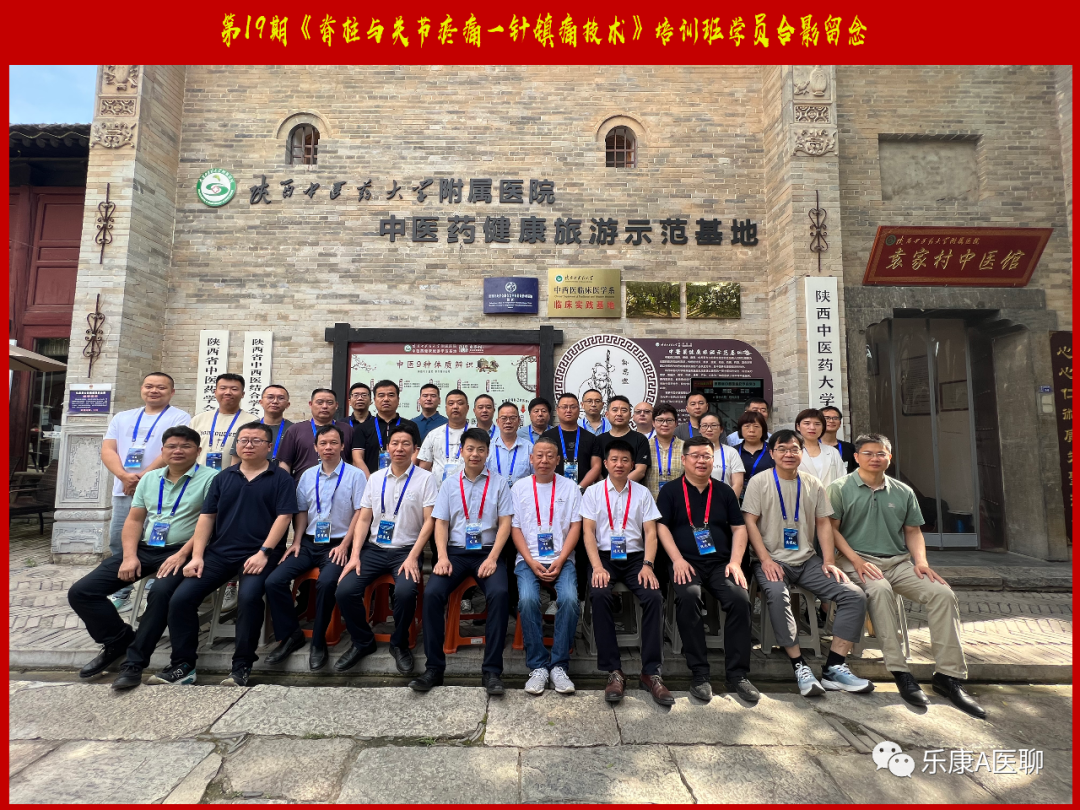
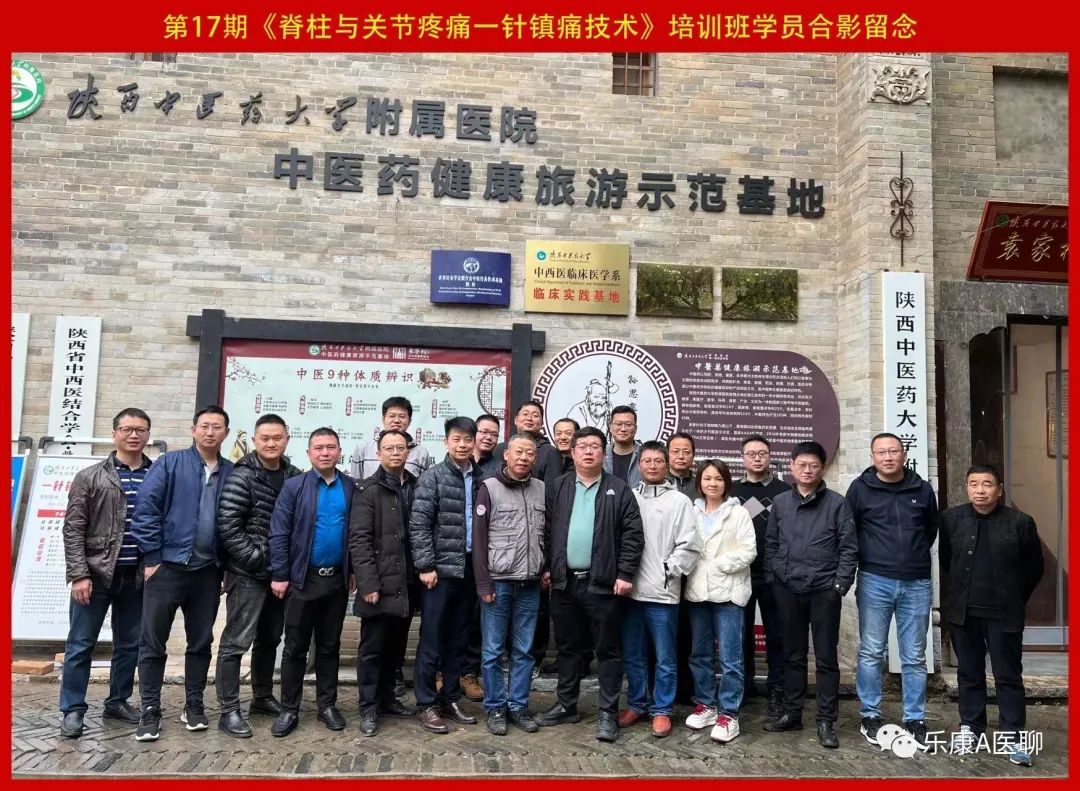
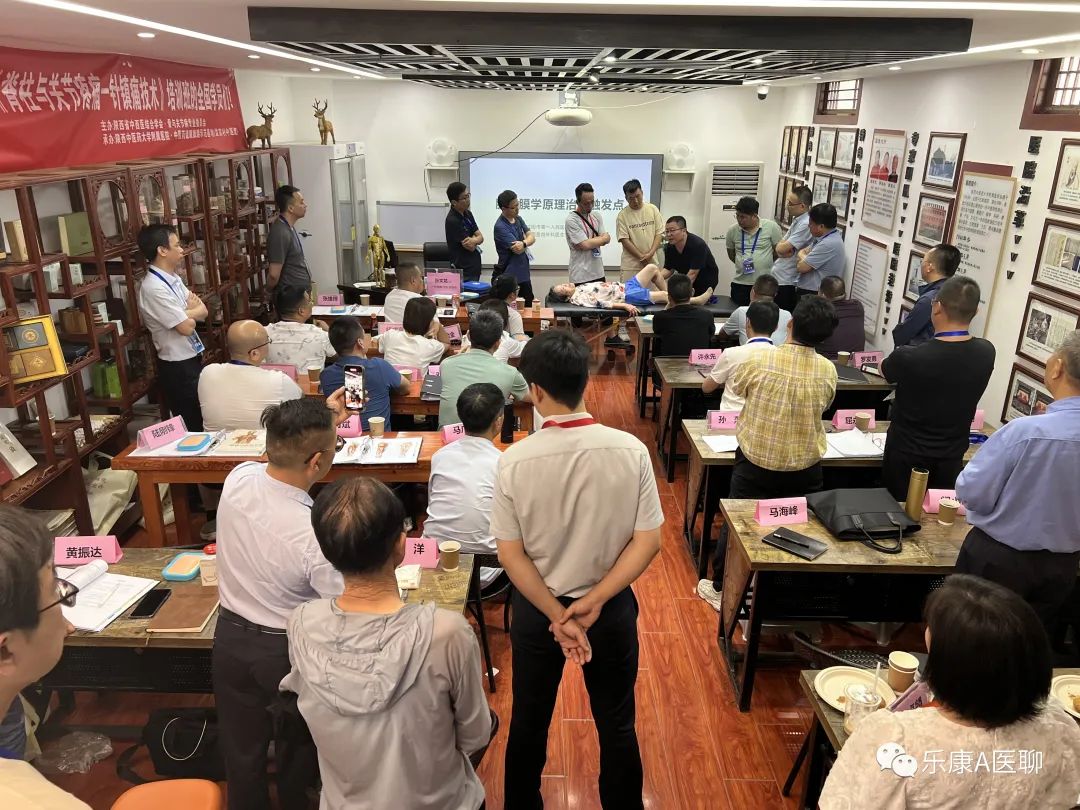
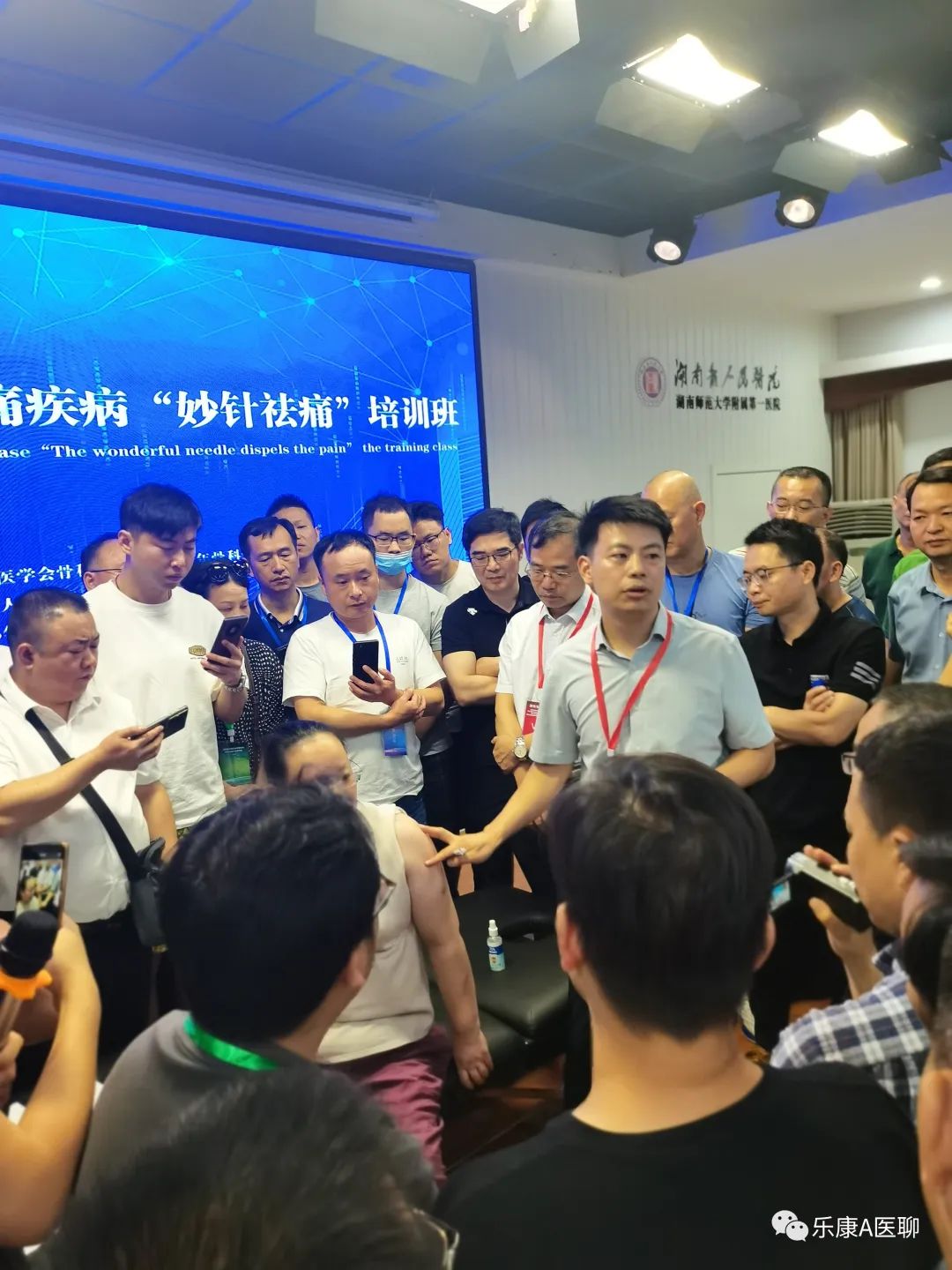
Intradermal/Subcutaneous Needle Embedding Technique, developed by Professor Wu Xirui of Hebei Medical University after years of clinical practice, combines traditional acupuncture, floating needles, and foreign dry needling techniques. It is a new treatment method with broad indications, quick effects, low pain, and low cost, widely praised by medical staff and patients. Our team has also improved the theoretical foundation, explaining the therapeutic effects from multiple angles of basic research from traditional acupuncture to modern needling techniques, while expanding the disease database to include pain medicine, internal medicine, surgery, gynecology, and rehabilitation, making it a great aid for clinicians. From its inception to now, we have trained thousands of professional doctors nationwide and brought the techniques back to local communities, serving local people and receiving positive feedback from patients.
Expert Team Members:
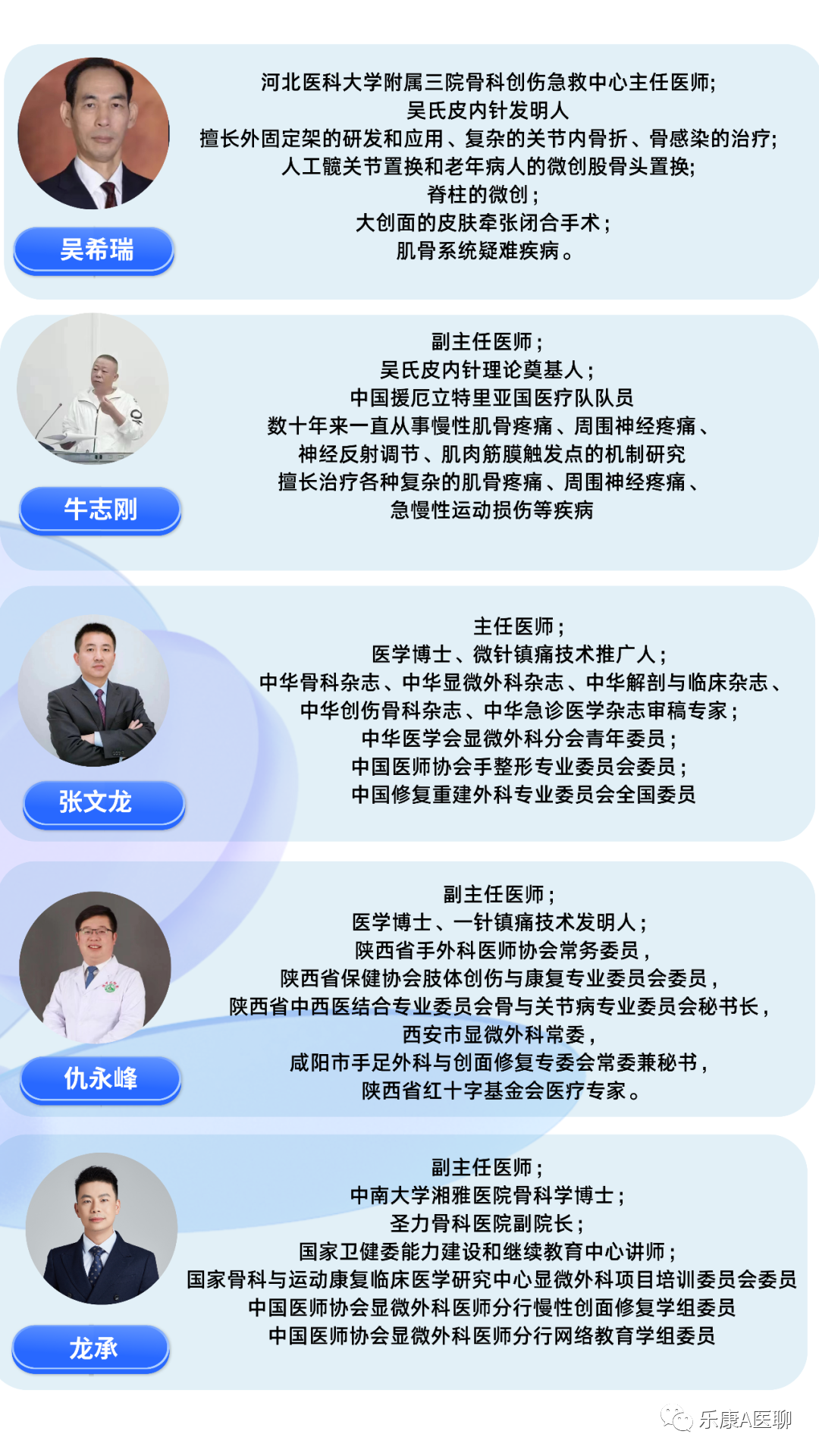
Highlights:
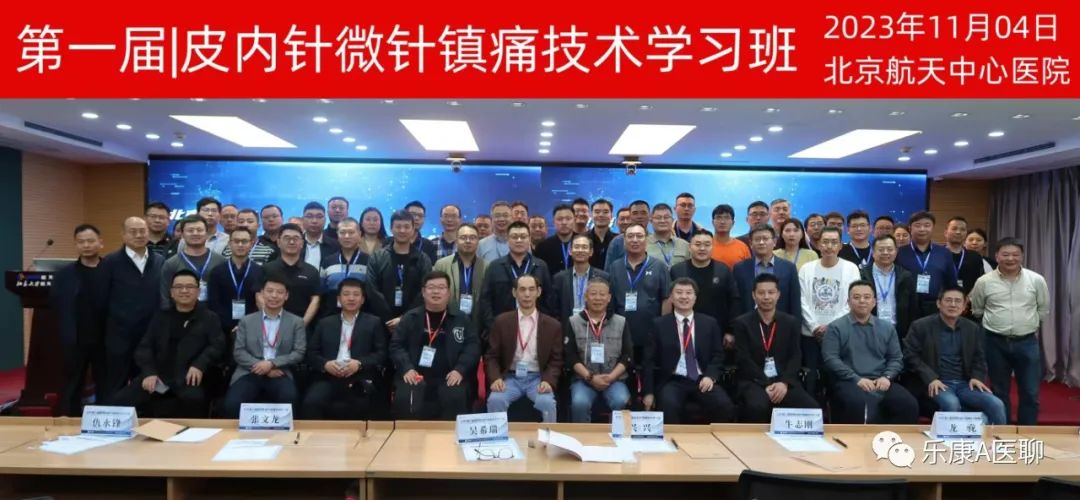
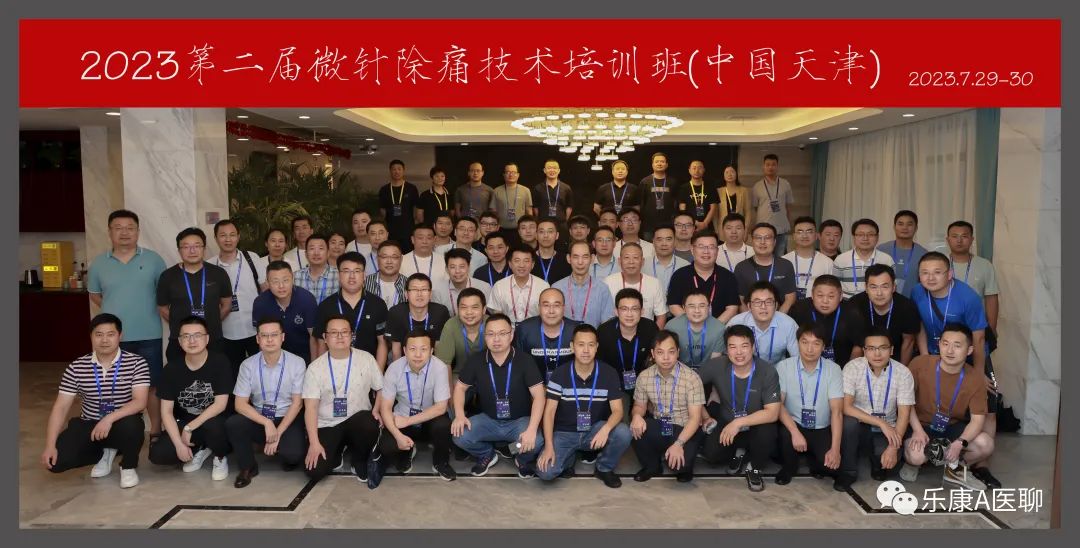
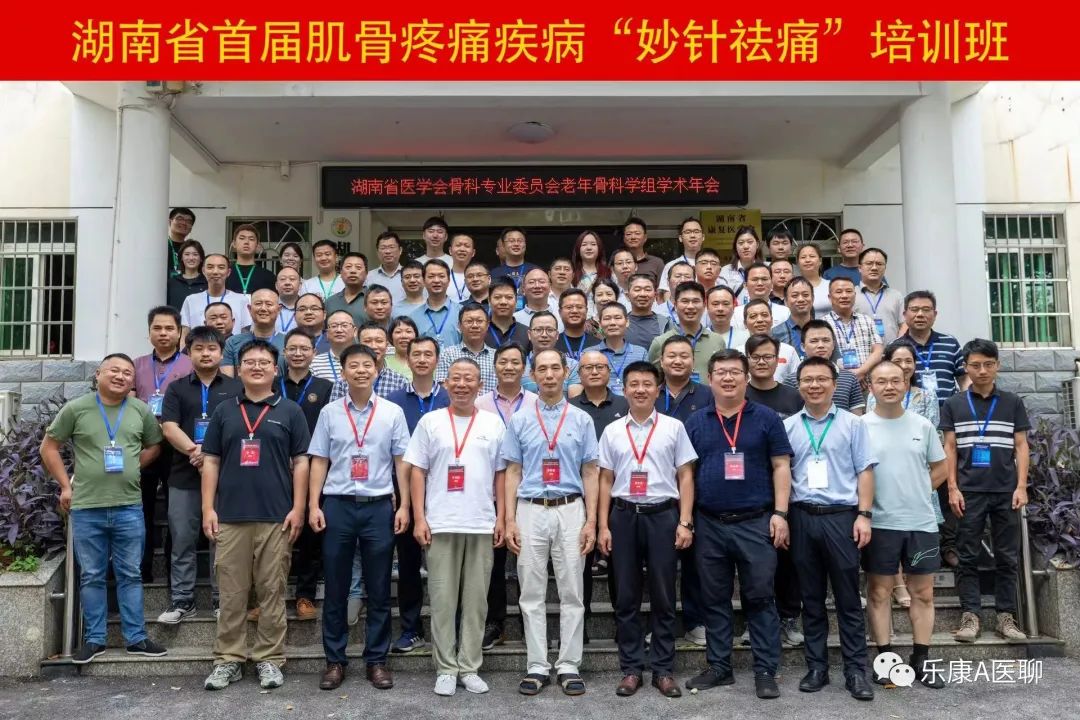
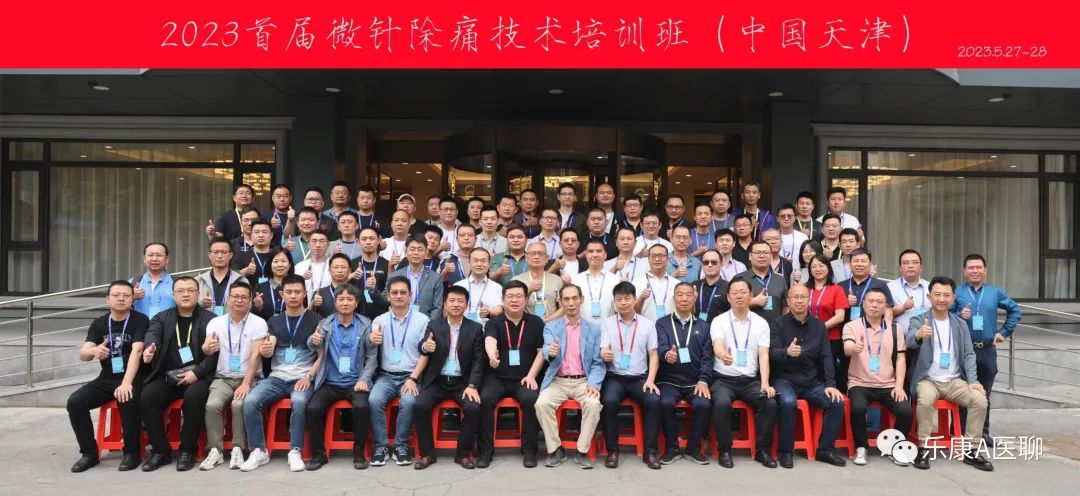
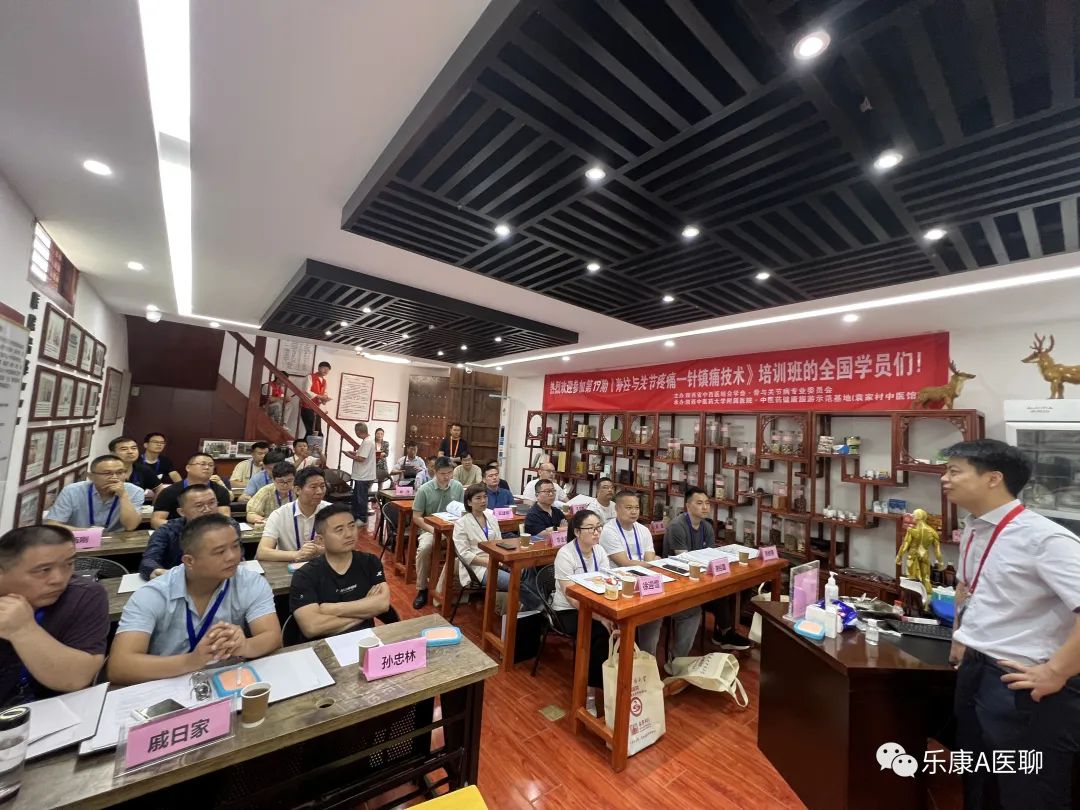
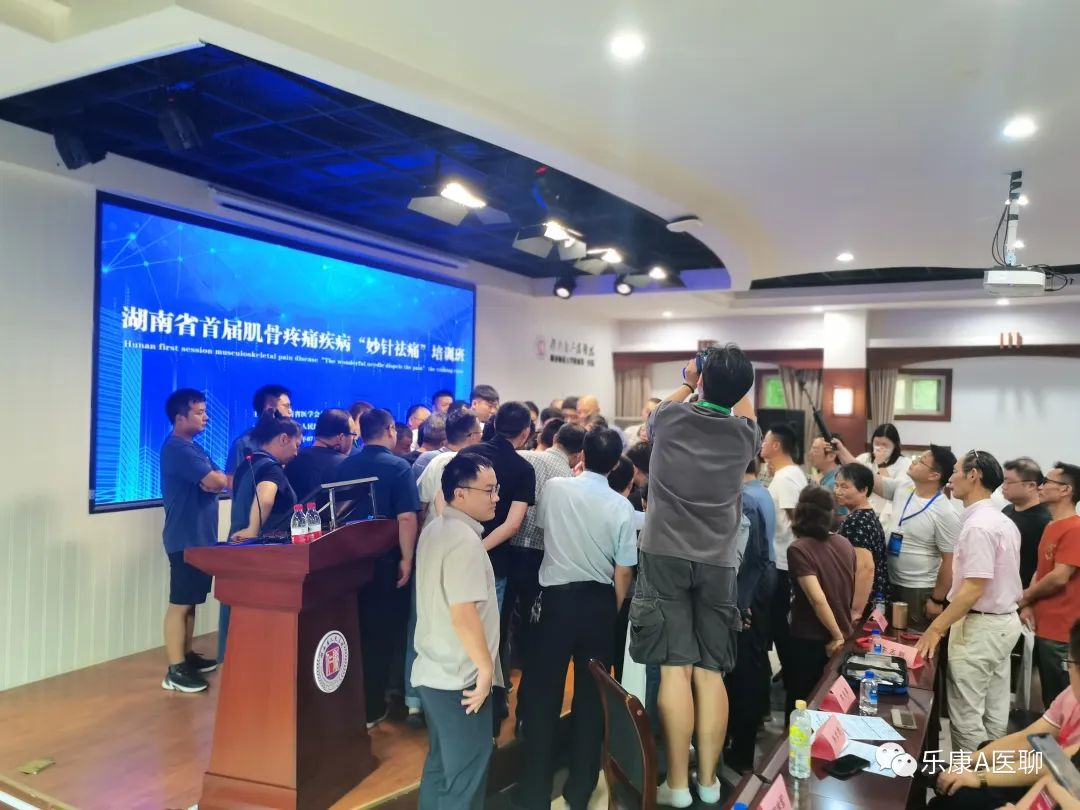
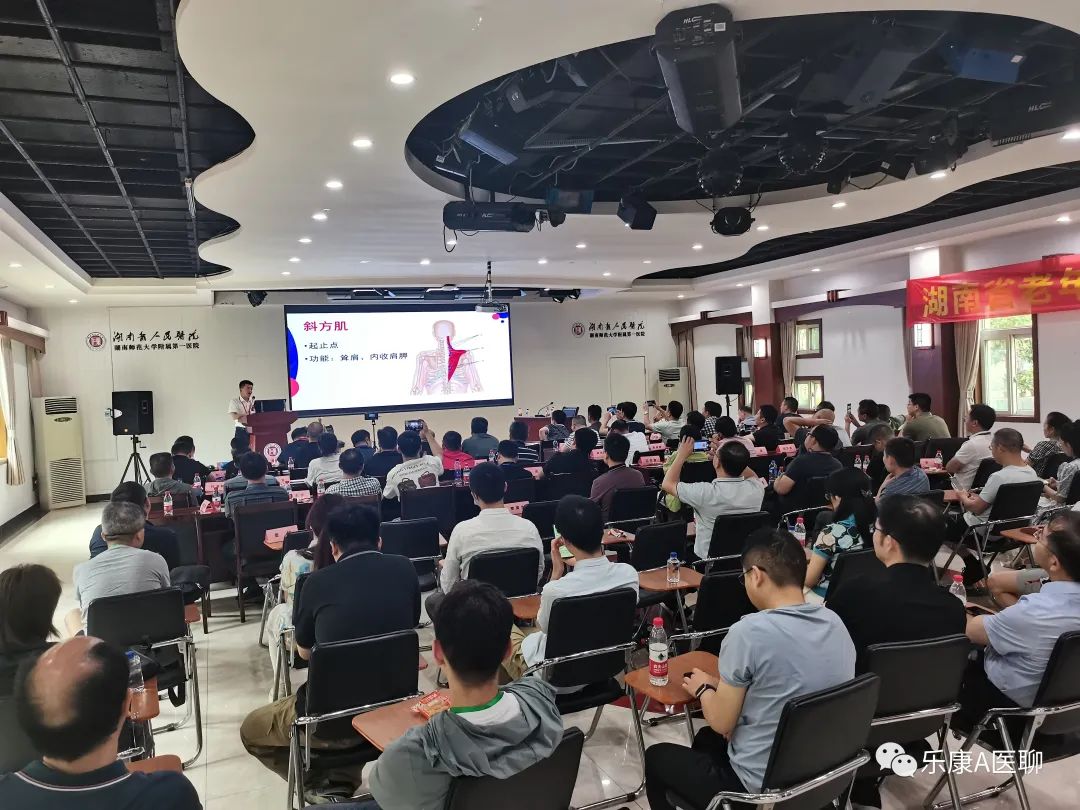
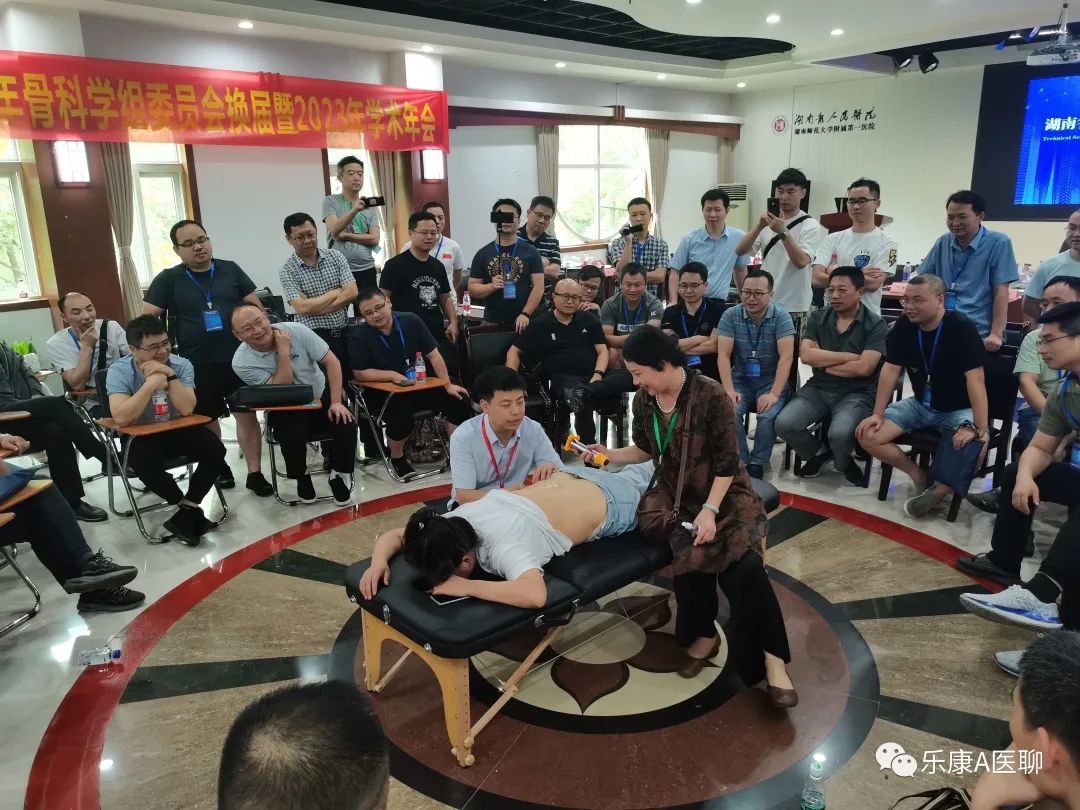
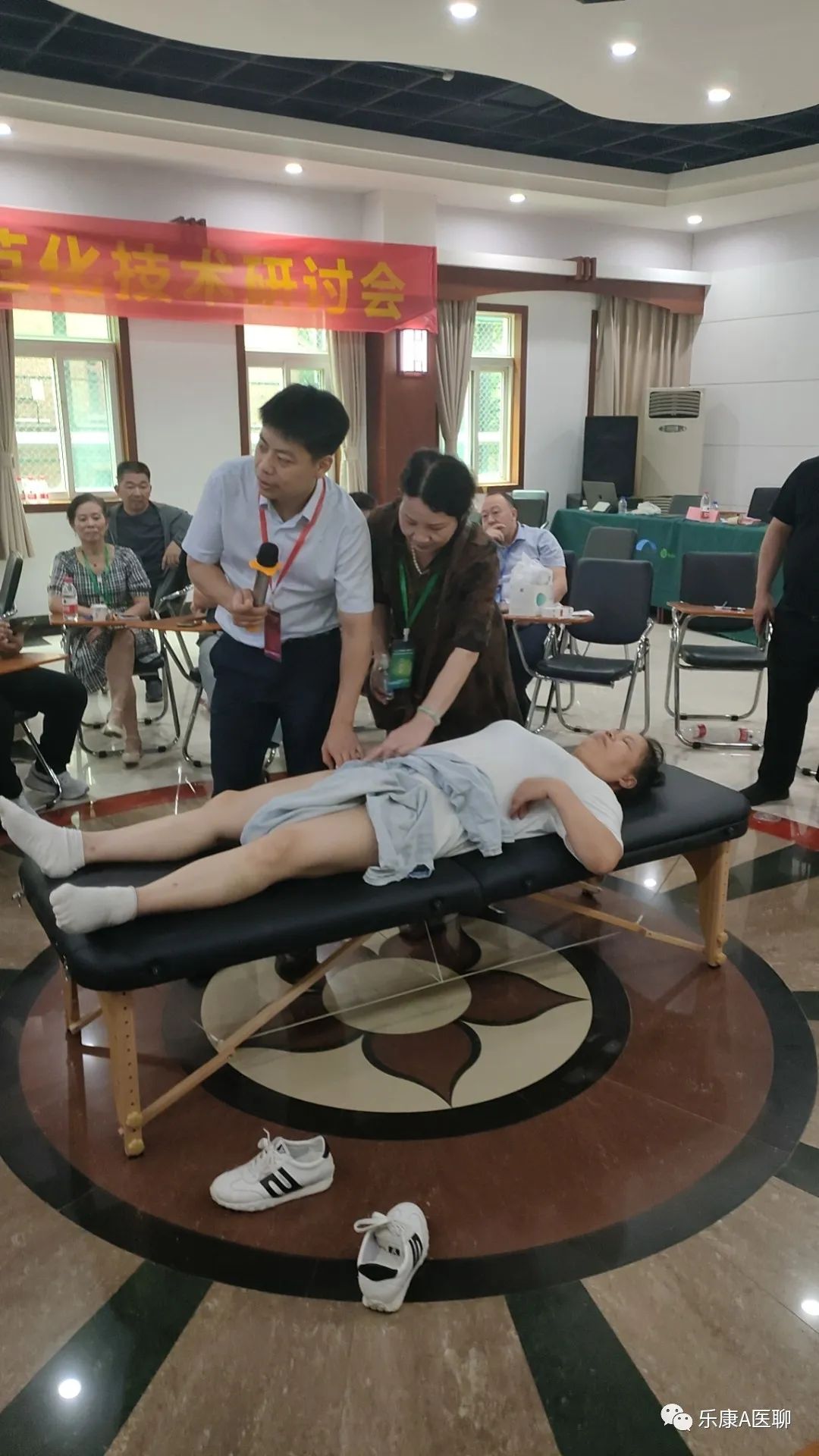
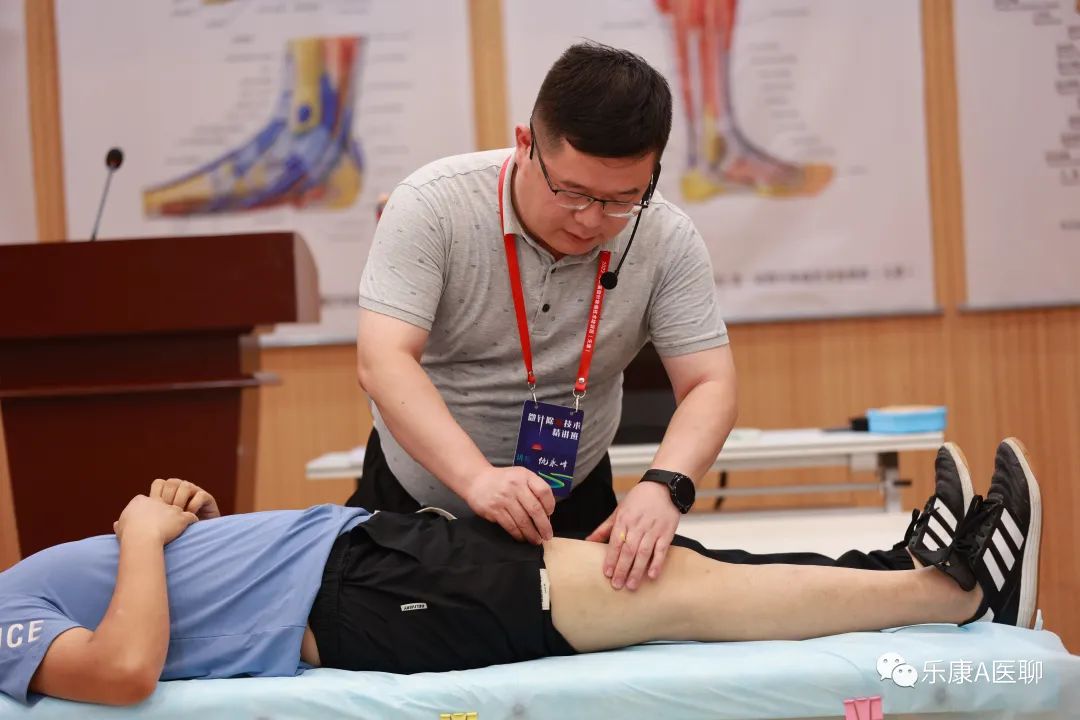
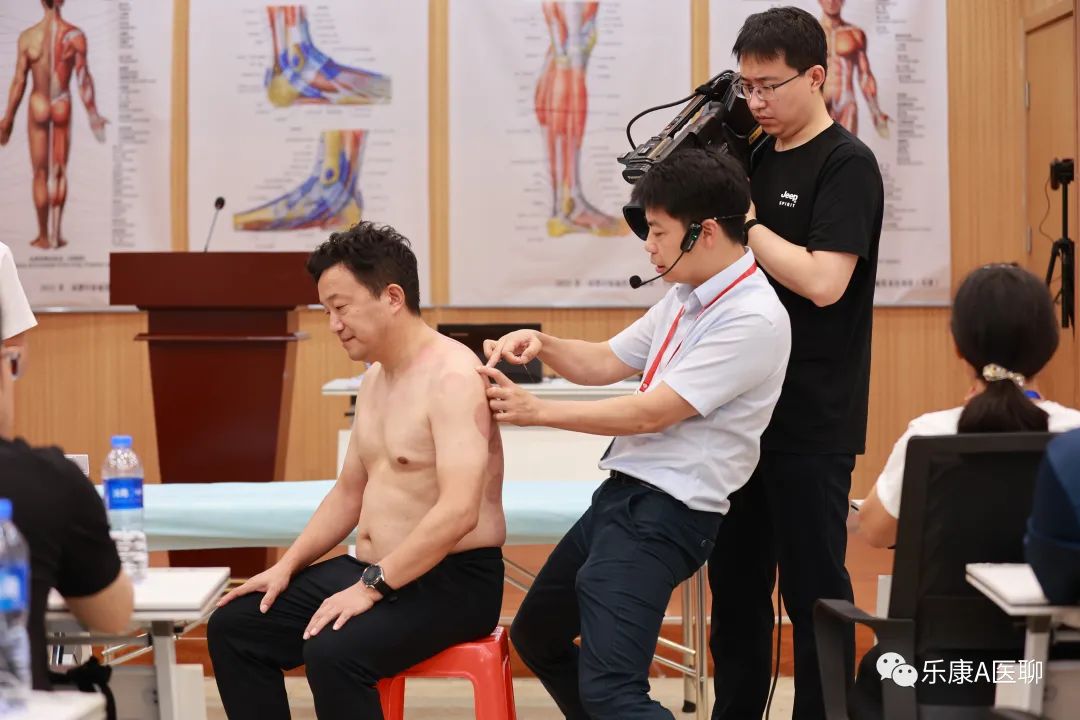
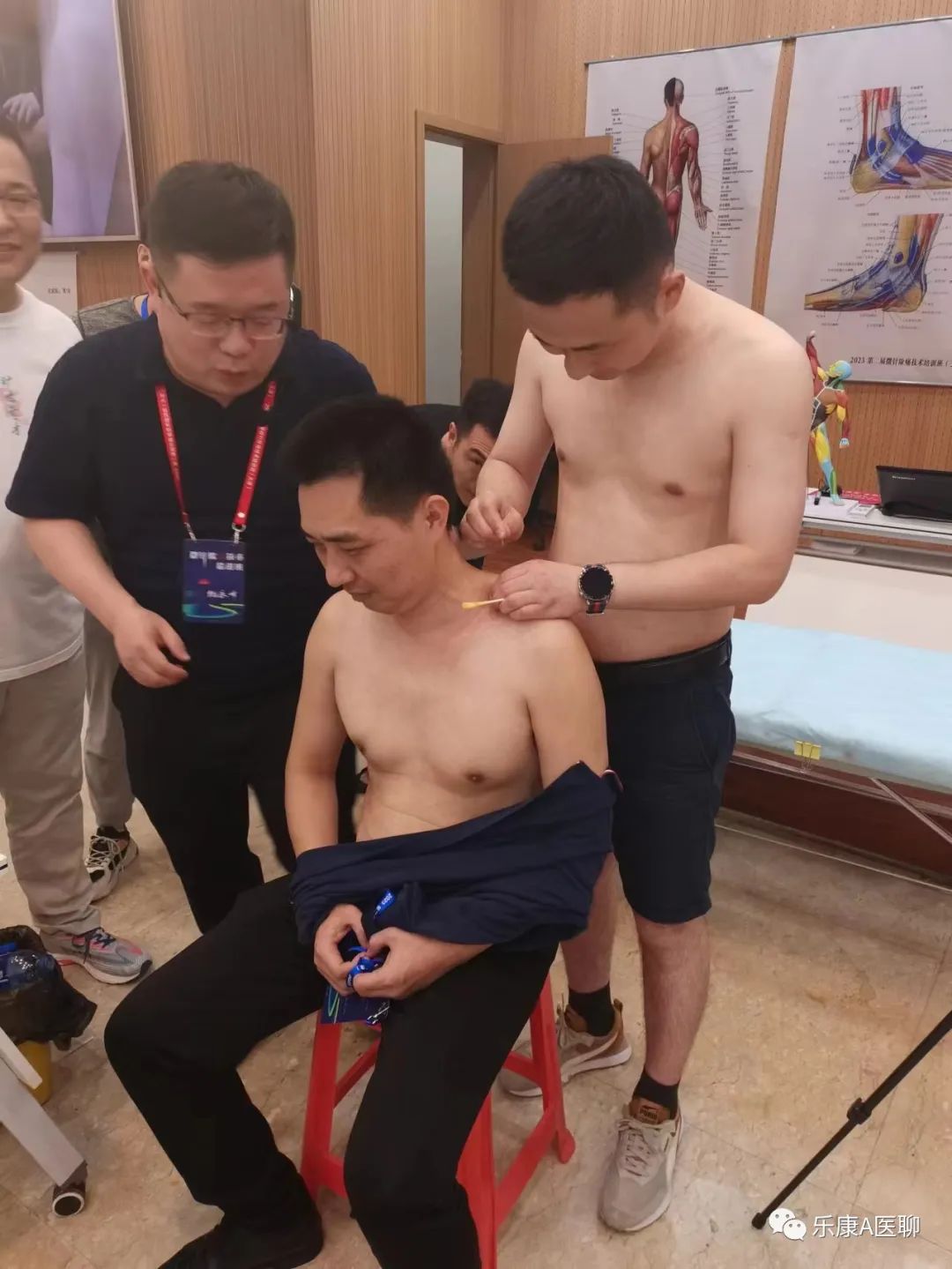
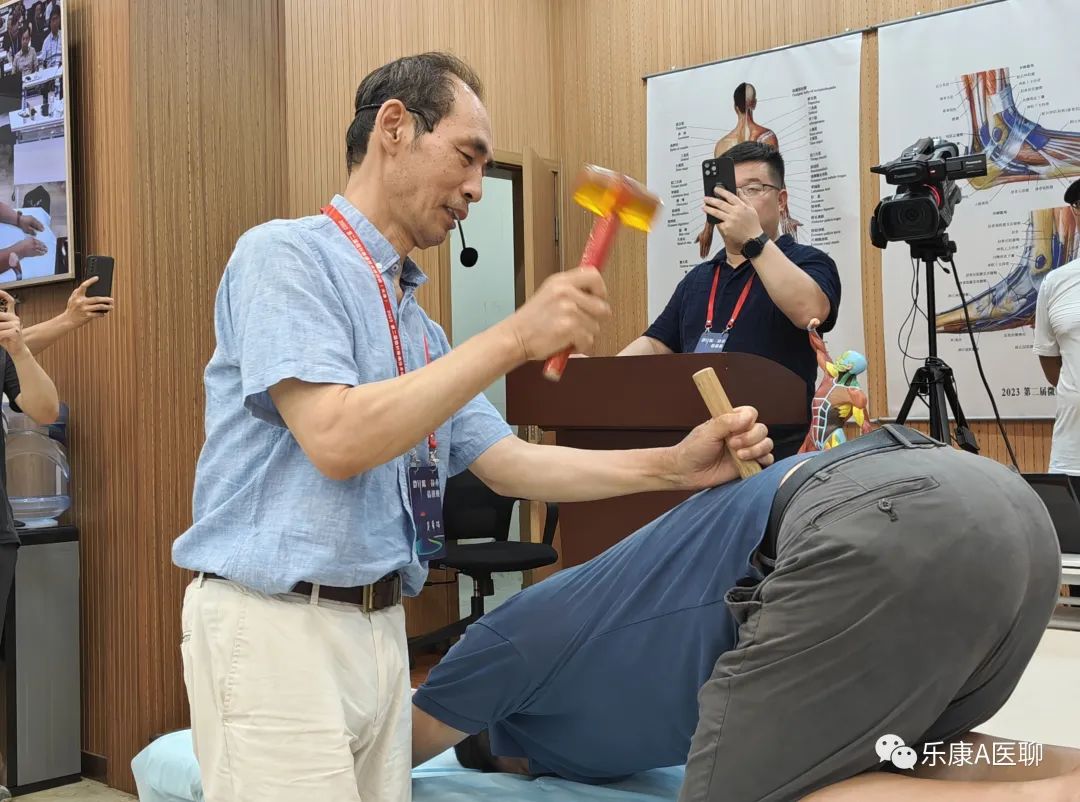
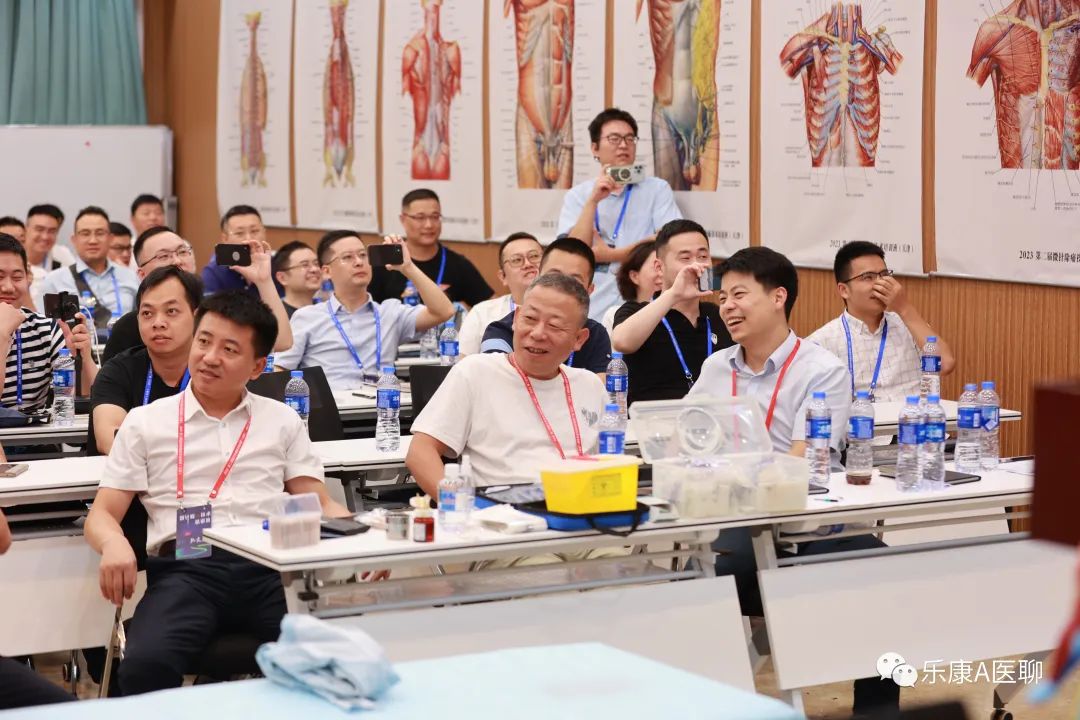
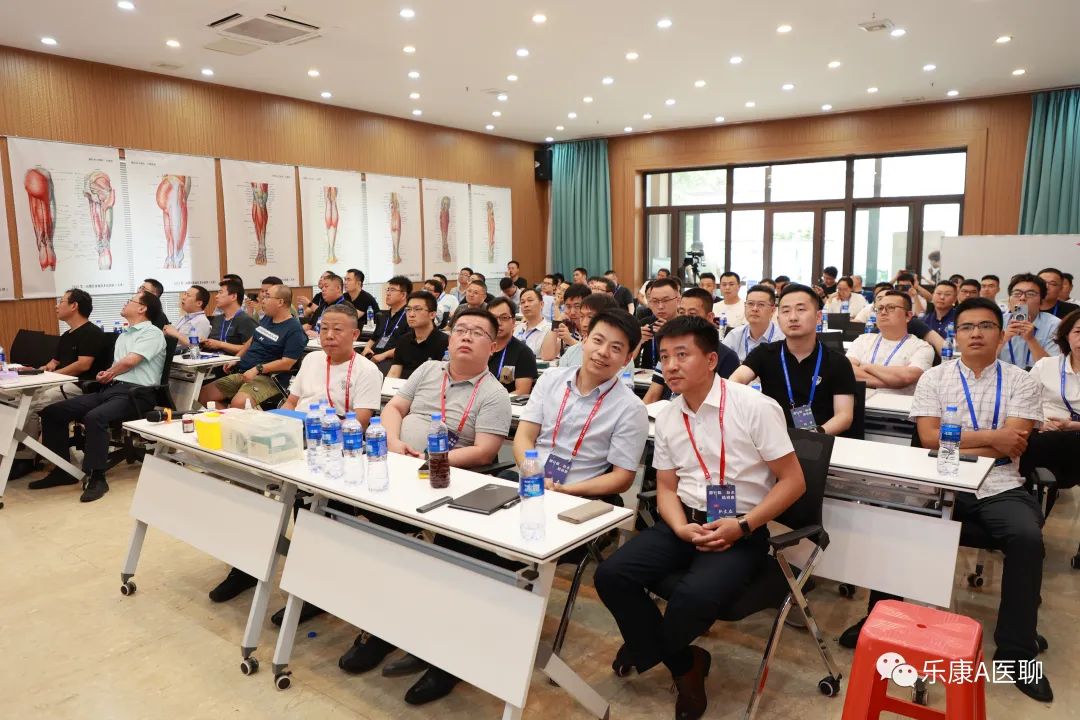
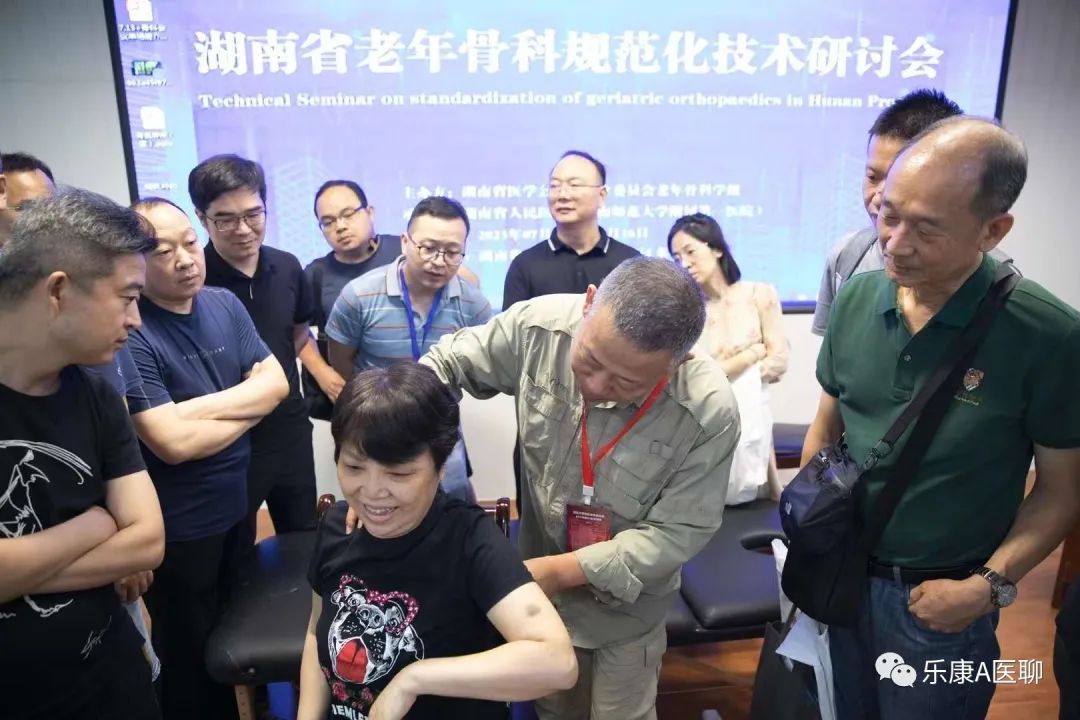
Video Cases: (Due to platform limitations, many videos cannot be uploaded. You are welcome to visit our hospital for observation and guidance.)
Video 1: Treatment Before and After Heel Pain
Video 2: Treatment Before and After Adhesive Capsulitis Video 3: Treatment Before and After Neck Rotation Difficulty Due to Cervical Spondylosis Video 4: Treatment Before and After Knee Joint Effusion Video 5: Skin Needle Treatment for Emergency Renal Colic