For friends who have just entered the electronic manufacturing field, terms like SMT, DIP, and PCBA can often be confusing. Although these concepts all belong to the realm of circuit board processing, their core logic is about “process connection” rather than “parallel relationships.” Choosing the wrong processing method may lead to cost waste or performance issues. Today, I will clarify the definitions, process characteristics, and applicable scenarios of the three, helping everyone quickly grasp the core differences and avoid selection pitfalls.
What are SMT, DIP, and PCBA?
SMT stands for Surface Mount Technology, which is the core process in electronic manufacturing for “fixing small components on the surface of the circuit board” and is an important part of PCBA processing.
The core process involves first printing solder paste on the pad positions of the circuit board (PCB), then using a pick-and-place machine to accurately “place” small components on the solder paste, and finally heating in a reflow oven to melt and solidify the solder paste, firmly fixing the components on the PCB surface.
Applicable components: Small devices with no pins or short pins (such as 0402/0603 packaged resistors and capacitors, QFP/BGA packaged chips)SMHigh degree of automation, placement accuracy of 0.01mm, supports product miniaturization (such as mobile phones and smartwatches)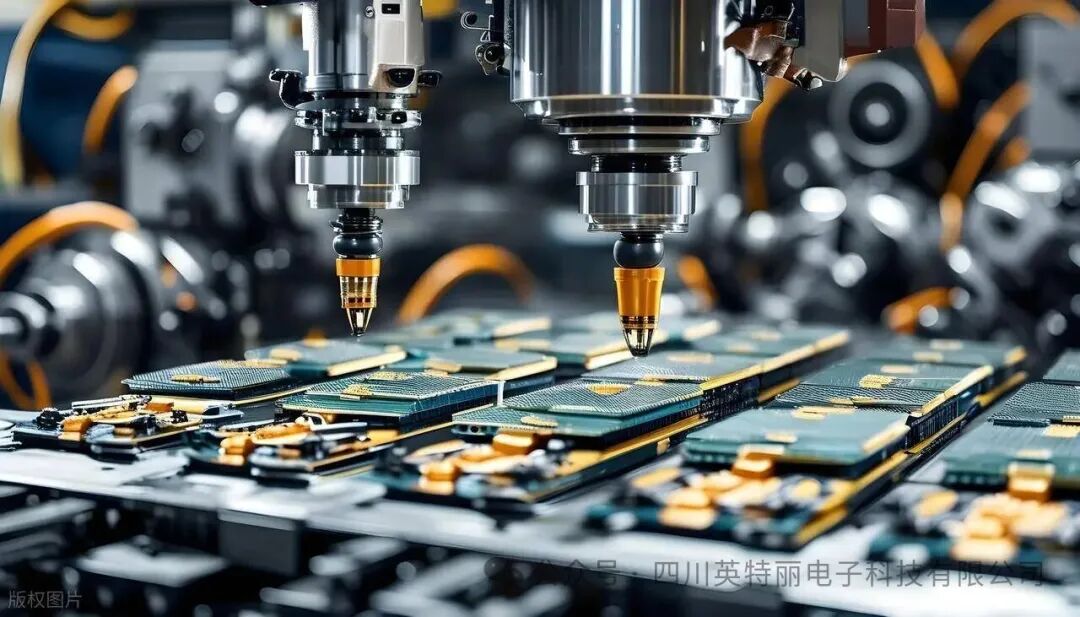
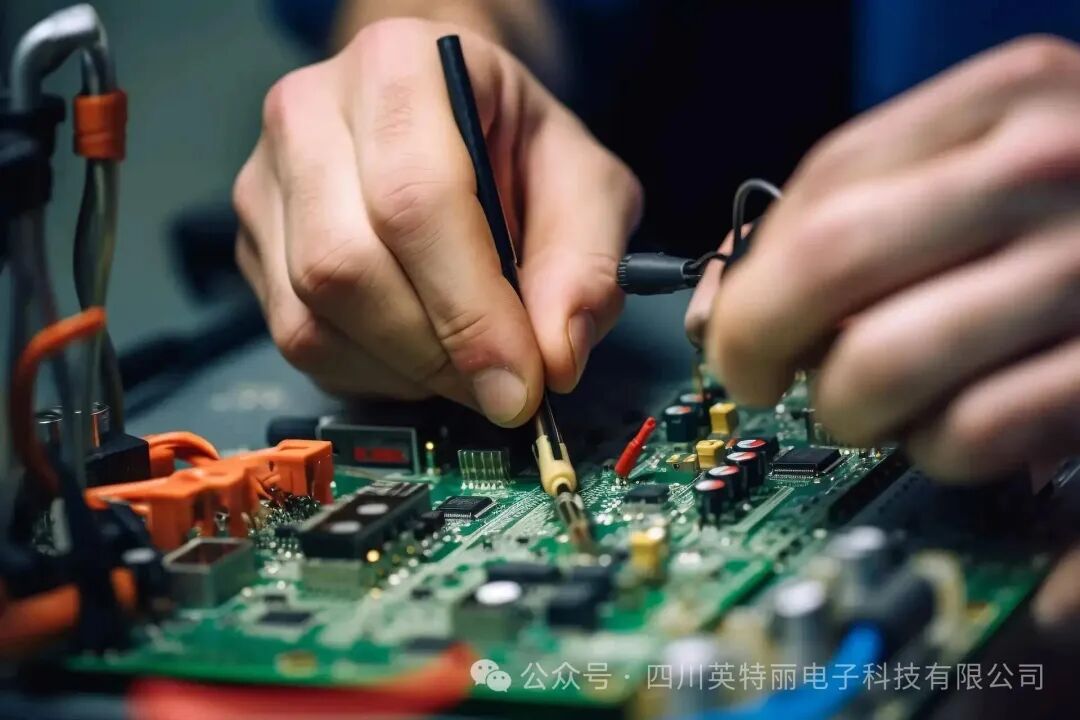
DIP: Through-Hole Insertion Process, full name: Dual In-line Package, in practice refers to through-hole insertion technology.
The core process involves first reserving “through-holes” on the PCB, inserting components with long pins (such as power sockets and connectors) into the through-holes, and then using a wave soldering oven to allow solder to flow from the back of the PCB to wet the pins, or fixing them through manual soldering, ultimately forming an electrical connection between the components and the PCB.
Applicable components: For components with “long pins, large size, and need to withstand external forces,” such as power modules, relays, and USB interfaces, these components either cannot be placed by a pick-and-place machine or require frequent plugging and unplugging (like charger interfaces), and must be fixed through through-holes to ensure stability.
Process characteristics: Some steps require manual assistance (such as component insertion), with a lower degree of automation than SMT; however, it can provide stronger component fixation, suitable for scenarios with high mechanical strength requirements, and strong durability of industrial equipment (such as circuit boards for industrial equipment).
PCBA: Printed Circuit Board Assembly, the full name is Printed Circuit Board Assembly
The essence is that PCBA is the final product after processing the PCB through SMT, DIP, etc., rather than a single process, transforming a blank PCB (blank circuit board) → through component placement/insertion → into a fully functional circuit board. The circuit boards you see when you open various electrical appliances, which contain various components, are PCBA. As the “core brain” of electronic devices, PCBA mainly carries signal transmission and data processing functions.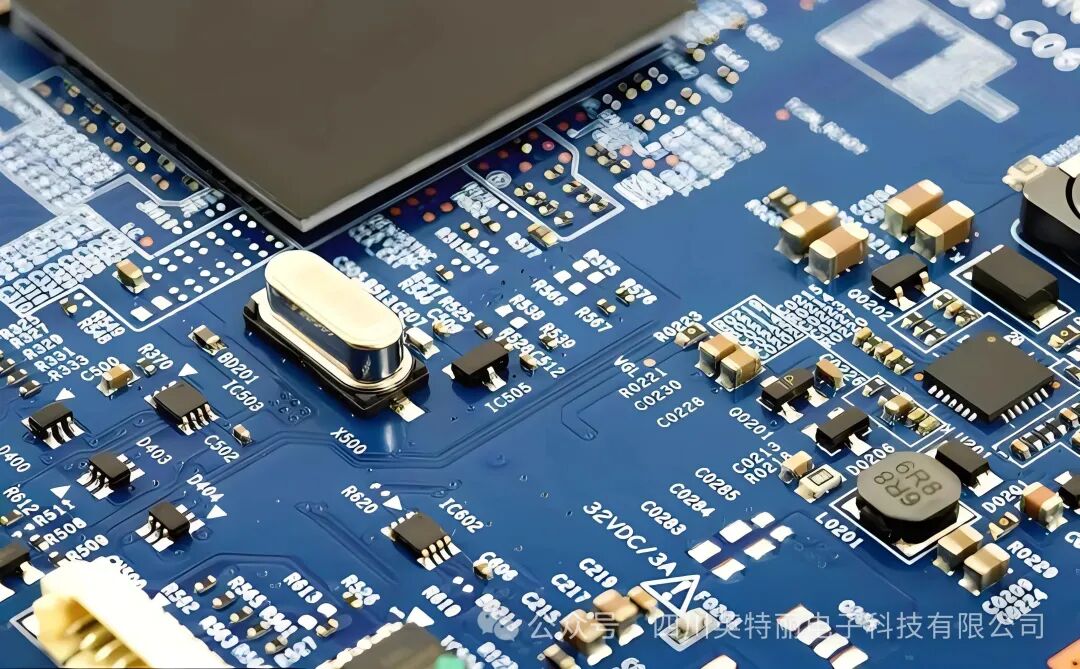 Quickly Distinguishing SMT, DIP, and PCBA
SMT is the “placement” process for components, primarily automated production, focusing on fixing small components on the PCB surface;
DIP is the “insertion” process for components, often semi-automated or manually assisted, focusing on fixing large components through through-holes on the PCB;
PCBA is the final “product,” which is the circuit board that can be directly used after processing the PCB through SMT, DIP, etc., containing the results of the first two processes.
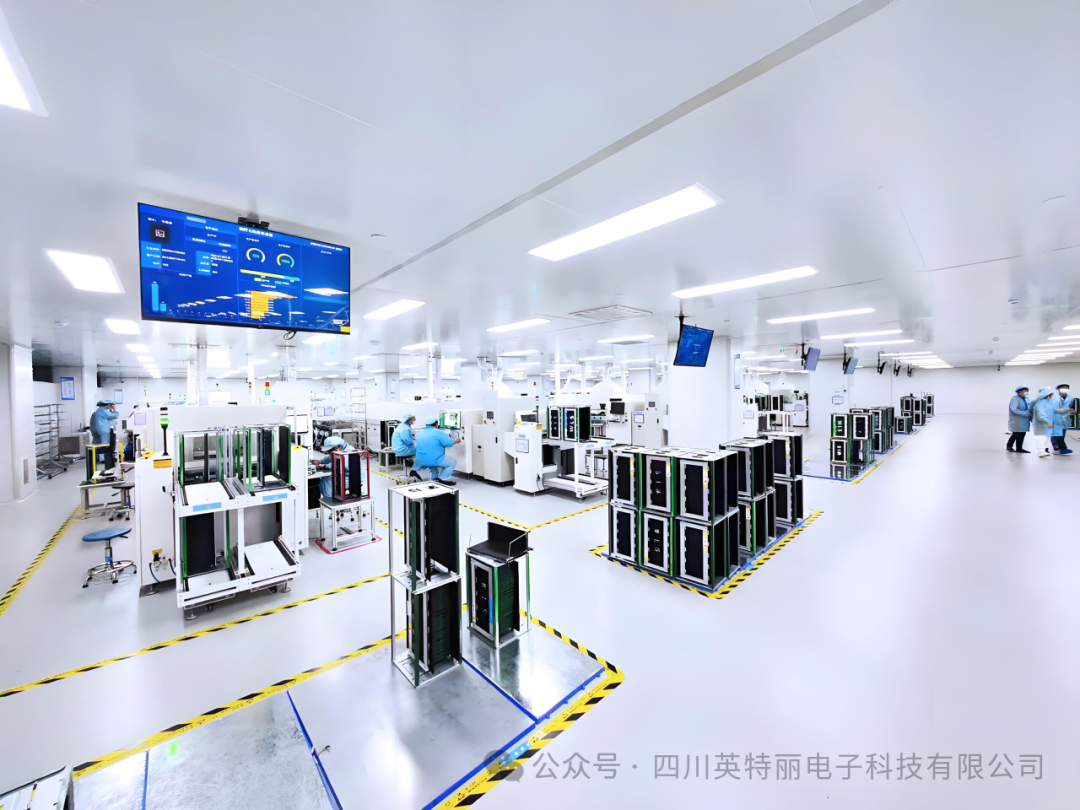
Component Fixation Methods: Surface Mount vs. Through-Hole Insertion
SMT achieves fixation through “solder paste printing + reflow soldering,” with components entirely mounted on the PCB surface, not penetrating the circuit board;
DIP achieves fixation through “pin insertion into through-holes + wave soldering / manual soldering,” with component pins penetrating the PCB and soldering completed from the back;
PCBA involves a separate fixation method, with the fixation effect of its components determined by both SMT and DIP processes, ultimately presenting a state of “surface-mounted components + through-hole components” after stable assembly.
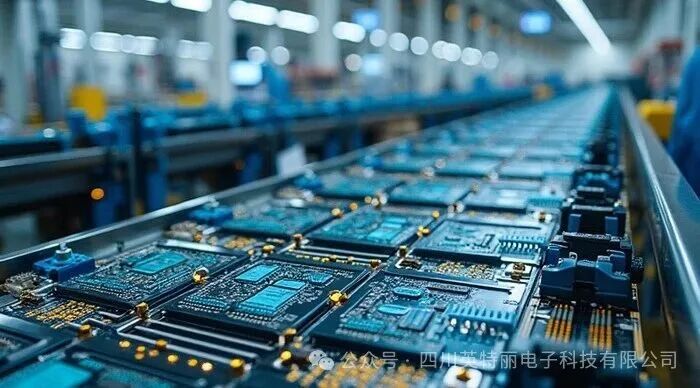
Selecting the Right Processing Method Based on Product Requirements
After understanding the concepts and differences, the core when choosing a processing solution is to “determine whether SMT, DIP, or a combination of both is needed based on component types and product requirements,” avoiding blind selection.
Situations Requiring Only SMT
If all components on the product circuit board are “pinless / short-pin” small components (such as the circuit boards of smart bracelets and Bluetooth headsets), and there are no frequently plugged interfaces, SMT processing alone is sufficient. Using SMT processing, the entire production is automated, with a short processing cycle and low cost, suitable for mass production; it also enables product miniaturization, meeting the lightweight requirements of consumer electronics.
Situations Requiring a Combination of SMT and DIP
If the circuit board contains both small surface-mounted components (such as chips and resistors) and large plug-in components (such as power interfaces and relays), SMT placement should be done first, followed by DIP insertion (for example, circuit boards for industrial controllers and charging piles).
Before processing, it is necessary to confirm the “process sequence” with the processing factory in advance (usually SMT first, then DIP, to avoid damaging the already placed surface-mounted components during insertion), and clarify the fixation requirements for plug-in components (such as whether additional reinforcement is needed to prevent loosening during plugging and unplugging).
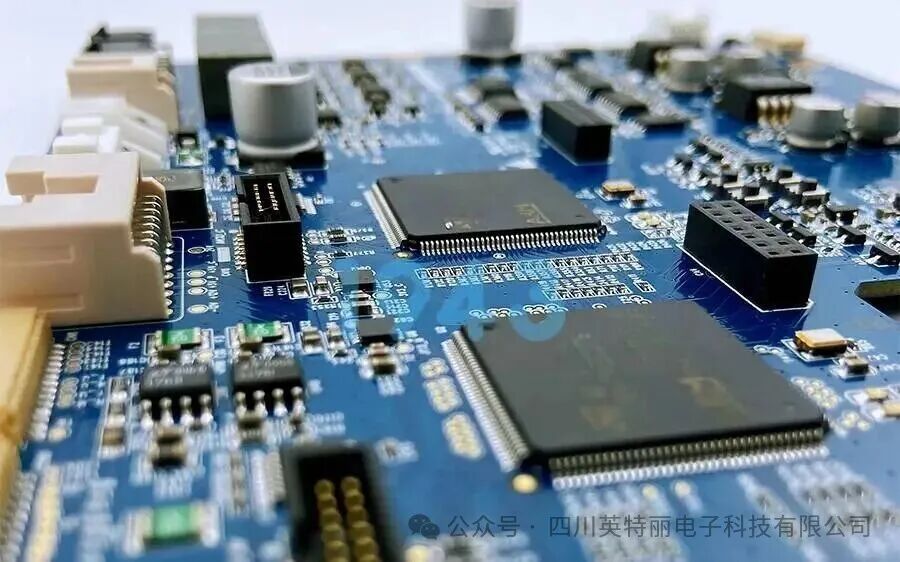
Choosing a Factory Capable of Both SMT and DIP?
Many customers, in order to save costs, separately find SMT factories and DIP factories, which not only increases communication costs but may also lead to quality risks due to process connection issues (such as damage to components already placed by SMT during the DIP process). Choosing a manufacturer like Sichuan Yingtili that can provide the entire SMT+DIP process has two core advantages:
Smoother process connection: Completing both SMT and DIP in the same factory eliminates the need to transport circuit boards, reducing the risk of component damage and circuit scratching; at the same time, engineers can uniformly optimize process parameters (such as soldering temperature and time), improving the yield of PCBA products.
More peace of mind for after-sales: If subsequent quality issues arise with the PCBA (such as poor component contact), the same manufacturer can trace the entire process, quickly locate the root cause (whether it is an SMT placement issue or a DIP soldering issue), avoiding blame-shifting between multiple factories.
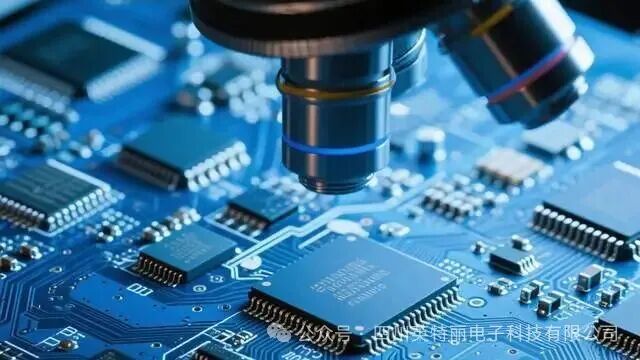
Selecting the Right Processing Partner to Avoid Detours
For friends in the electronic manufacturing industry, understanding the concepts and differences of SMT, DIP, and PCBA is just the first step in project implementation; choosing a mature processing factory that can provide full-process services is key to avoiding pitfalls.
Sichuan Yingtili Electronics Technology Co., Ltd. positions itself asa one-stop EMS intelligent manufacturing service provider , offering services covering the entire chain of electronic manufacturing:
EMS full-process service: from electronic component procurement to finished product assembly and packaging, forming a complete closed loop.
ODM service: Customers propose performance and functional requirements for products, and Yingtili customizes various electronic products PCBA or finished products for customers.
Electronic component procurement : Integrating supply chain resources to provide customers with raw material procurement support.
SMT chip processing: Using 26 high-end production lines to achieve precision component placement (supporting the smallest 01005 components and 0.1mm pitch IC).DIP insertion and post-solder testing: Equipped with 10 insertion lines and wave soldering equipment to handle through-hole component soldering.PCBA conformal coating: Enhancing product reliability through moisture-proof and corrosion-resistant coatings.Finished product assembly and packaging: 15 production lines complete the final product integration and logistics preparation.Service areas: Automotive electronics, medical devices, military products, communication equipment, etc., with clients including companies listed on the Science and Technology Innovation Board and A-share market.