PCB, known as Printed Circuit Board, is an important electronic component, serving as the supporting body for electronic components and the carrier for electrical connections between them. It is referred to as a “printed” circuit board because it is made using electronic printing technology. In the research process of larger electronic products, the most fundamental success factors are the design, documentation, and manufacturing of the product’s printed board. The design and manufacturing quality of the printed board directly affects the overall quality and cost of the product, making PCBs crucial for electronic components.
The creator of the printed circuit board is Austrian Paul Eisler, who first used the printed circuit board in radios in 1936. In 1943, the technology was applied to military radios by an American, and in 1948, the United States officially recognized this invention for commercial use. It was not until the mid-1950s that printed circuit boards began to be widely used.
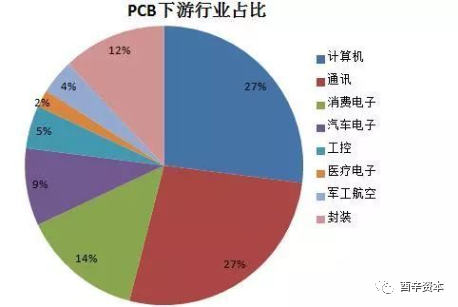
PCB development in China has been rapid; by 2006, China’s actual PCB output reached 130 million square meters, with a value of 12.1 billion USD, accounting for 24.90% of the global PCB total output value, surpassing Japan to become the world’s largest. From 2000 to 2006, the average annual growth rate of the Chinese PCB market reached 20%, far exceeding the global average. The global financial crisis in 2008 had a significant impact on the PCB industry, but it did not deliver a catastrophic blow to China’s PCB industry. Stimulated by national economic policies, China’s PCB industry saw a comprehensive recovery in 2010, with a production value reaching 19.971 billion USD. Between 2010 and 2015, China maintained a high compound annual growth rate, but its technological development lagged behind the world’s advanced levels. In terms of product structure, multilayer boards accounted for most of the output value, but most were mid-to-low-end products with fewer than 8 layers. HDI and flexible boards have a certain scale, but there is a gap in technical content compared to advanced products from countries like Japan. The most technologically advanced IC substrates have very few domestic producers, indicating that China still needs to vigorously develop PCB research and development. From an application perspective, PCBs are widely used, as shown in the figure below:
China’s PCB concept stocks include companies like Pengding Holdings, Shennan Circuit, Xingsen Technology, Shengyi Technology, Huadian Co., Guangxin Materials, Central South Electronics, Zhengye Technology, Yidun Electronics, and Tianjin Plin.