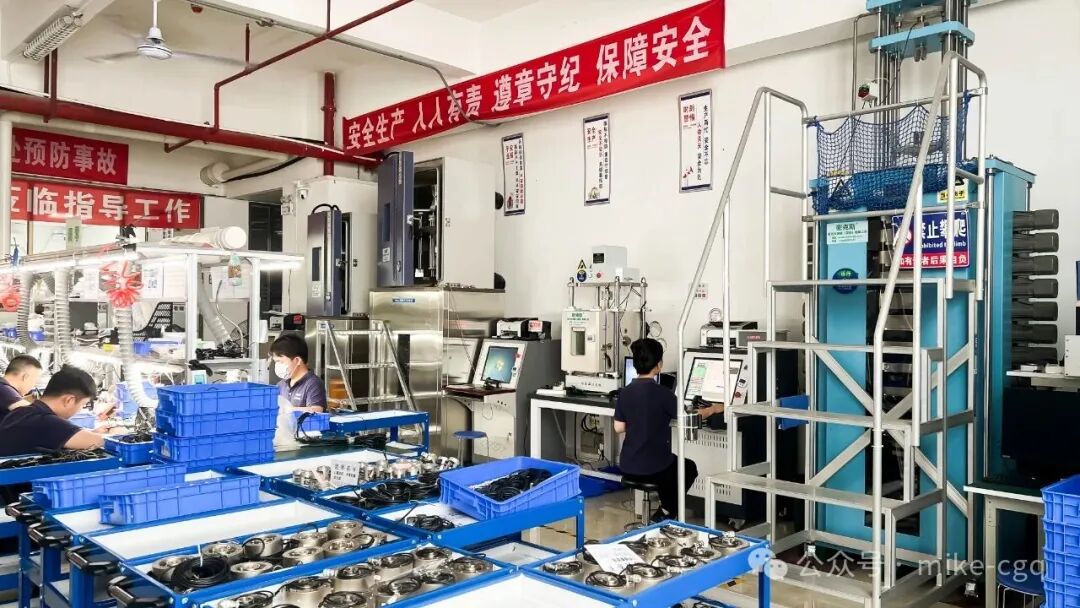
As the “precision ruler” of intelligent manufacturing, the weighing and force sensor field is set to achieve a critical breakthrough by the end of 2025: accelerated domestic substitution, technological iteration and upgrades, and continuous expansion of application scenarios, deeply reshaping the industry landscape. This article dissects the core dynamics and insights into development opportunities!
1. Reshaping the Market Landscape: Surge in Domestic Substitution Rate, Global Market Share Hits New Highs
By 2025, the market size of China’s force sensor industry will exceed 8.6 billion yuan, a year-on-year increase of 42%. Domestic companies in the core category of weighing and force sensors have performed remarkably, breaking the long-standing monopoly of overseas brands in the high-end market.
Domestic enterprises occupy four seats in the industry’s top tier, with a combined market share of 60%, an increase of 15 percentage points from 2024. Breakthroughs in core technologies, product quality, and cost control have reversed the situation of “high-end reliance on imports”.
The global market is steadily growing. According to a report by HuanYang Consulting in November, the market revenue in 2024 is approximately $1.693 billion, expected to reach $2.22 billion by 2031, with a compound annual growth rate of 4.0% from 2025 to 2031, driven primarily by four key sectors: industrial, medical, and more.
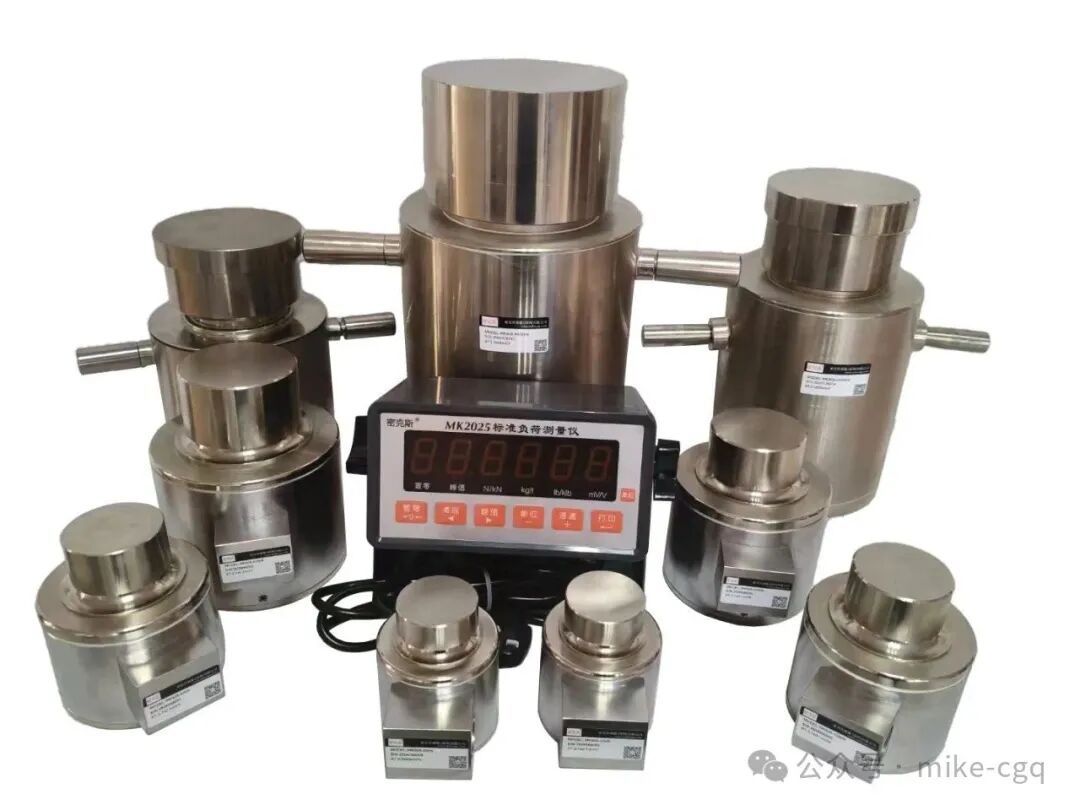
2. Accelerated Technological Iteration: Miniaturization, Intelligence, and Adaptation to Extreme Environments as Core Directions
The core support for the increase in market share is technological innovation. In 2025, breakthroughs in the field will focus on three major dimensions:
1. Performance Accuracy Reaches New Heights
Digital sensors have become mainstream, with interference resistance and remote transmission performance improved by over 30%. Durability in extreme environments has been optimized, with high-end product accuracy reaching one-thousandth, and six-dimensional force sensor accuracy at 0.3% FS, with repeatability better than 0.1% FS.
2. Technological Integration Creates New Capabilities
MEMS and optical fiber sensing technologies drive the “miniaturization + high sensitivity” of sensors; the combination of 5G/LoRa and the Internet of Things with edge computing achieves full-link intelligence from “collection – recognition – prediction”, breaking away from single measurement attributes.
3. Material Innovation Breaks Performance Bottlenecks
Graphene and other nanomaterials, as well as composite materials, are widely used, enhancing sensitivity and stability while reducing size and weight, suitable for narrow scenarios such as micro robotic arms and minimally invasive surgical instruments.
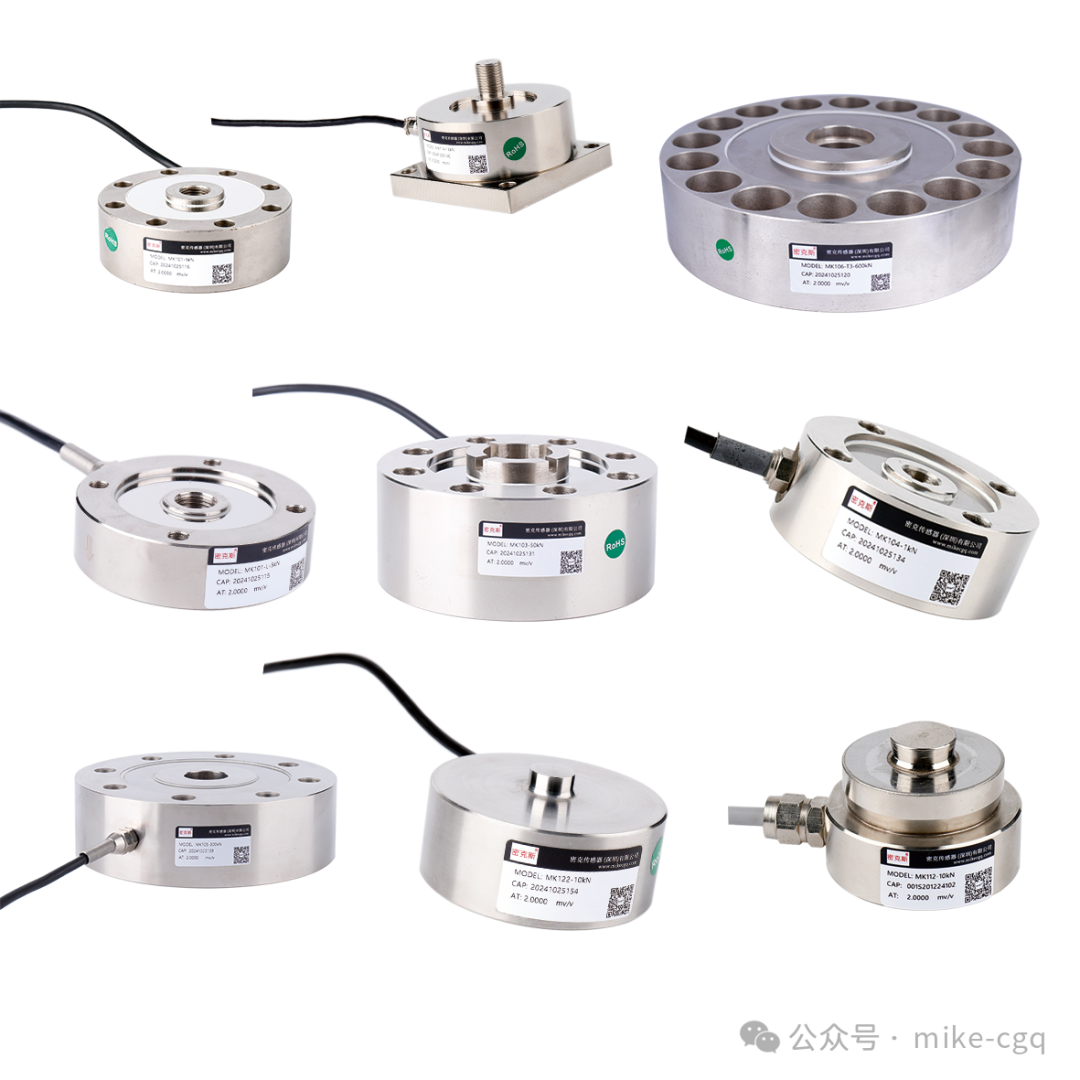
3. Dual Empowerment of Policy and Industry: A Complete Ecosystem Fuels Industry Takeoff
Policy and industrial ecosystem synergistically empower: the 14th Five-Year Plan emphasizes support for high-precision products, with a special fiscal investment of 9.76 billion yuan in sensors in 2023 (+18.4%), 37% of which is directed towards R&D and industrialization in industrial measurement.
Clusters such as the Yangtze River Delta and Guangdong-Hong Kong-Macao are forming synergies, with over 12,000 enterprises in 47 sensor industrial parks nationwide, of which weighing and force sensors account for 28%, building a complete industrial ecosystem.
21 national standards and 48 industry standards have been released, enhancing product consistency and reliability, solidifying the foundation for international competition.
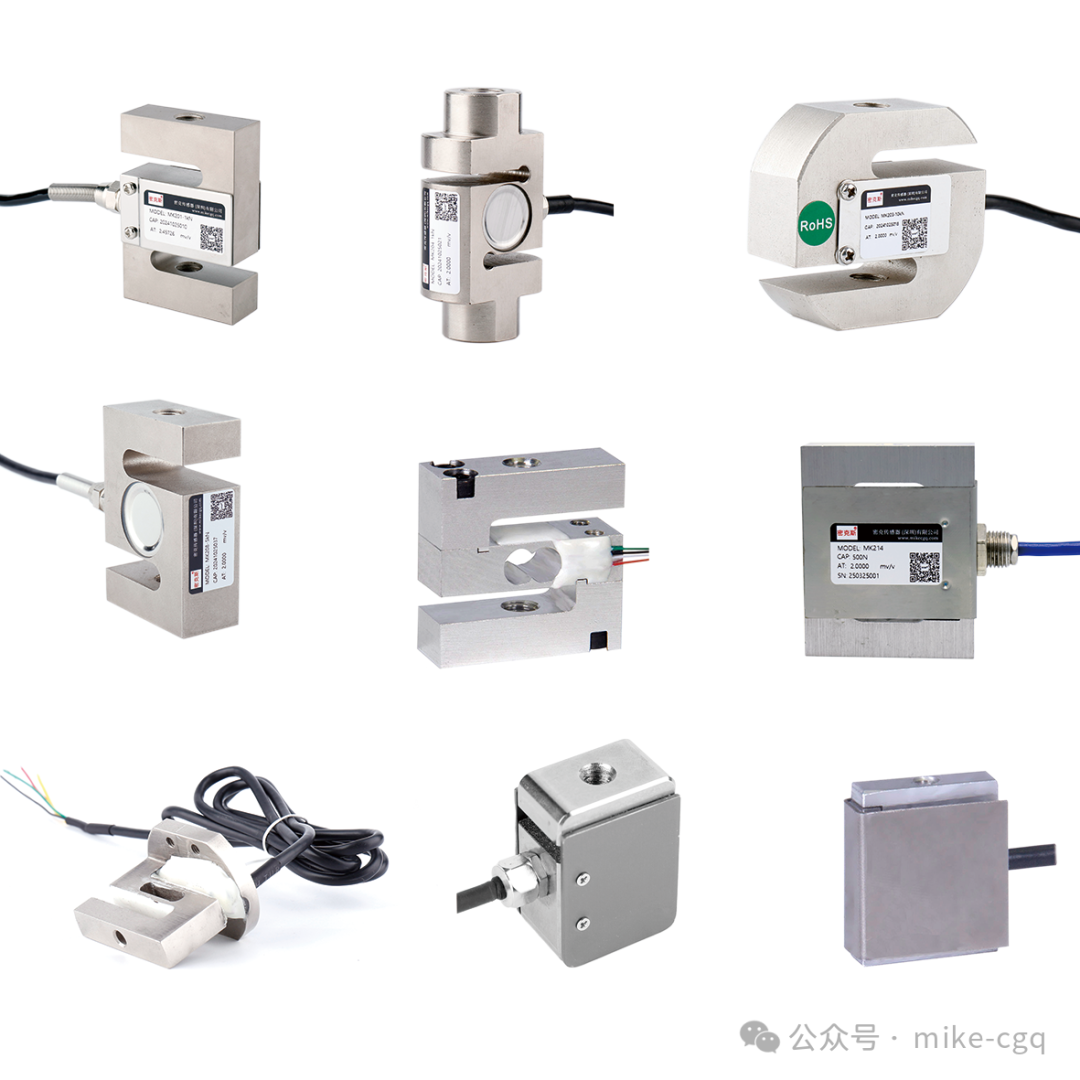
4. Expansion of Application Scenarios: Emerging Fields Become New Growth Engines
Technological maturity and cost reduction are driving sensors to extend from traditional fields to emerging scenarios, with continuous expansion on both the supply and demand sides.
Demand in traditional fields such as logistics sorting and food and medicine is rising, with a 55% year-on-year increase in sensor procurement for logistics sorting systems in the first half of 2025 alone.
Emerging fields are experiencing explosive growth: humanoid robots are adapting six-dimensional force sensors, medical equipment is increasingly using mass-produced surgical force sensors, and demand for power battery production lines in new energy vehicles is surging, becoming new growth poles.
By 2025, the weighing and force sensor field is in a period of “domestic substitution + technological breakthroughs + expansion of application scenarios”, with domestic technology improvements and emerging scenarios driving rapid industry growth.
What new changes in sensor applications have you observed in your industry? Share in the comments! Like, follow, and share to promote industry communication!