In traditional views, toys are merely playthings for children, helping them unleash their nature and cultivate interests. However, driven by artificial intelligence, toys are beginning to take on new meanings—they become teachers, friends, and listeners for children.

AI Children’s Toys as the “Third Force” in Family Education
For a long time, family education has primarily relied on the efforts of parents and schools. Now, AI-based toys are becoming a third important educational force. These toys can not only tell stories, sing, and accompany children, but also engage in logical reasoning interactions, guide homework habits, and even track growth trajectories and identify children’s learning preferences.
Continuous companionship, low cost, and stability: Busy parents need not worry, as AI toys can meet children’s needs at any time, unaffected by emotional fluctuations. They also feature infinitely expandable educational content, continuously updating courses and knowledge systems through a cloud content library. More importantly, AI toys can adjust content based on children’s personalized needs, truly achieving personalized teaching.
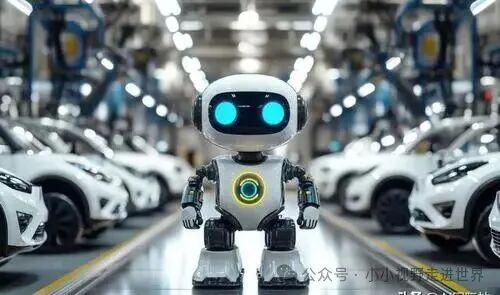
AI Toys Drive the Toy Market into the “Service Era”
The value of traditional toys lies in their sales, while AI toys possess ongoing service capabilities. They can continuously update content, provide parental backend management, growth data reports, and personalized training courses. Additionally, multi-device interaction (such as apps, toys, and home screen devices) enhances the user experience.
This service model brings profound changes: the business model of companies shifts from “selling toys” to “selling services”, with profit points including membership systems, content subscriptions, and personalized plans. Brand competition will increasingly focus on long-term user operations; those who can retain users will achieve sustainable profits.
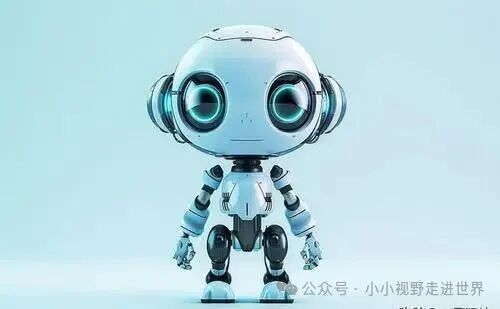
AI Toys are Reshaping the Boundaries of the Toy Submarket
AI toys not only have the functions of learning machines but are also more interactive; they resemble robots but understand children better; like story machines, they can engage in deep conversations; like building blocks, they can provide real-time feedback and increase difficulty; like companion pets, they can recognize emotions and soothe children. This “cross-border capability” allows AI toys to find corresponding scenarios for almost all age groups.
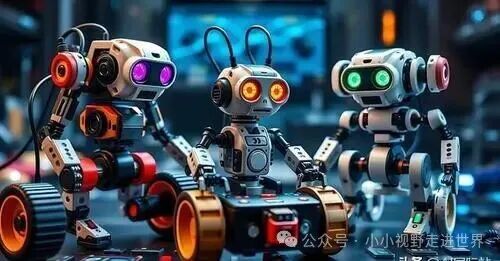
Privacy, Dependency, and Content Quality: The Three Major Challenges of AI Toys
As AI toys become increasingly akin to family members, some social issues have become more prominent. Child privacy protection is the primary concern; when toys collect children’s voice and behavior data, strict data regulations must be established.
Secondly, excessive dependency may lead to a decline in social skills. If children make AI their primary emotional communication partner, it may affect their interactions in the real world. Content quality is also crucial; low-quality content may lead children to receive misinformation or develop biased perceptions.
The Future of AI Toys: From Smart Products to Smart Partners
In the next five years, AI toys will witness several important trends: possessing emotional empathy capabilities, able to discern joy and sadness and provide comfort; having stronger adaptive learning models to achieve true personalized teaching; and deeper integration into family scenarios, linking with family screens and smart home devices. Expanding from a single toy to a smart ecosystem, such as growth platforms and interactive communities, toys will possess “growth potential,” automatically upgrading capabilities as children age.
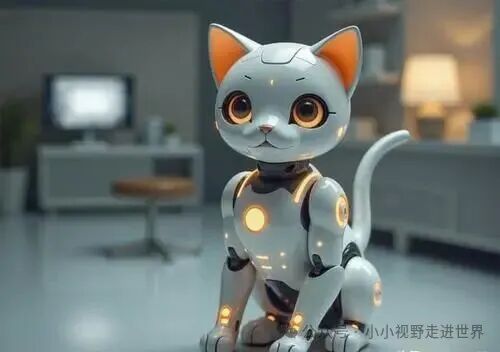
Conclusion: The rise of AI children’s toys is quietly changing the landscape of the toy market and the way children grow. It extends from mere technology to education, from toys to ecosystems; the future toy market will no longer just compete on appearance but on intelligence, content, and service capabilities. Those who can grasp this trend will seize the next round of toy industry dividends.