01
Every time a device malfunctions, the first reaction from the client is: Is there a problem with the PLC program?
When I say, “The program is fine,” the look they give me makes it seem like they want to stick two words on my forehead: Excuse Maker.
Come on, the program is not the scapegoat, okay?
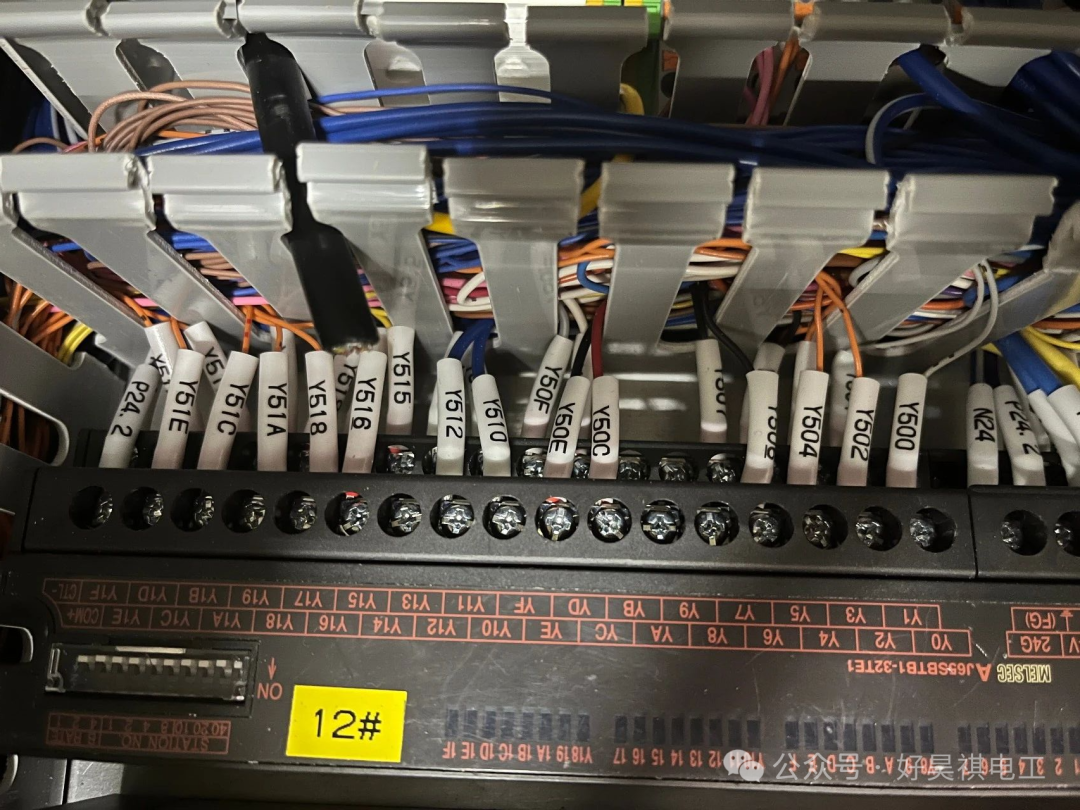
At the first sign of an anomaly, they stare at the control cabinet, fearing that I am not here to adjust the program but to perform the art of shifting blame. I’ve adjusted hundreds of production lines and know well what the real problem is and what is just the program taking the blame.
Could there be a logic issue? Yes. But at least eight out of ten times, the problems are due to peripherals, electrical issues, wiring, sensors, cylinders, IO ports, or poor module connections.
Can the program fail? First, ask who tampered with the PLC power line.
02
Let me say it again: The PLC program is not something you can just change at will.
It’s not an Excel spreadsheet that you can just open and hit Ctrl+C, Ctrl+V.
By the time an automation project reaches the debugging stage, the PLC program is already encapsulated like a precision mechanical watch, with logic nested layer upon layer, and IO interlocks tightly secured. One mistake, and everything collapses.
But what’s the reality? As soon as the equipment stalls for a minute, the first thing they say is: “Is your program malfunctioning?”
I really want to retort:Before you suspect the PLC is malfunctioning, can you check if there’s dust on the sensor? Is the cylinder getting enough air? Has a mouse chewed through the wires?
And yet, they don’t check any of this, and immediately hold the program accountable. Can we stop treating programmers like babysitters?
03
Brothers, listen to my advice: When judging a PLC program issue, remember three key points:
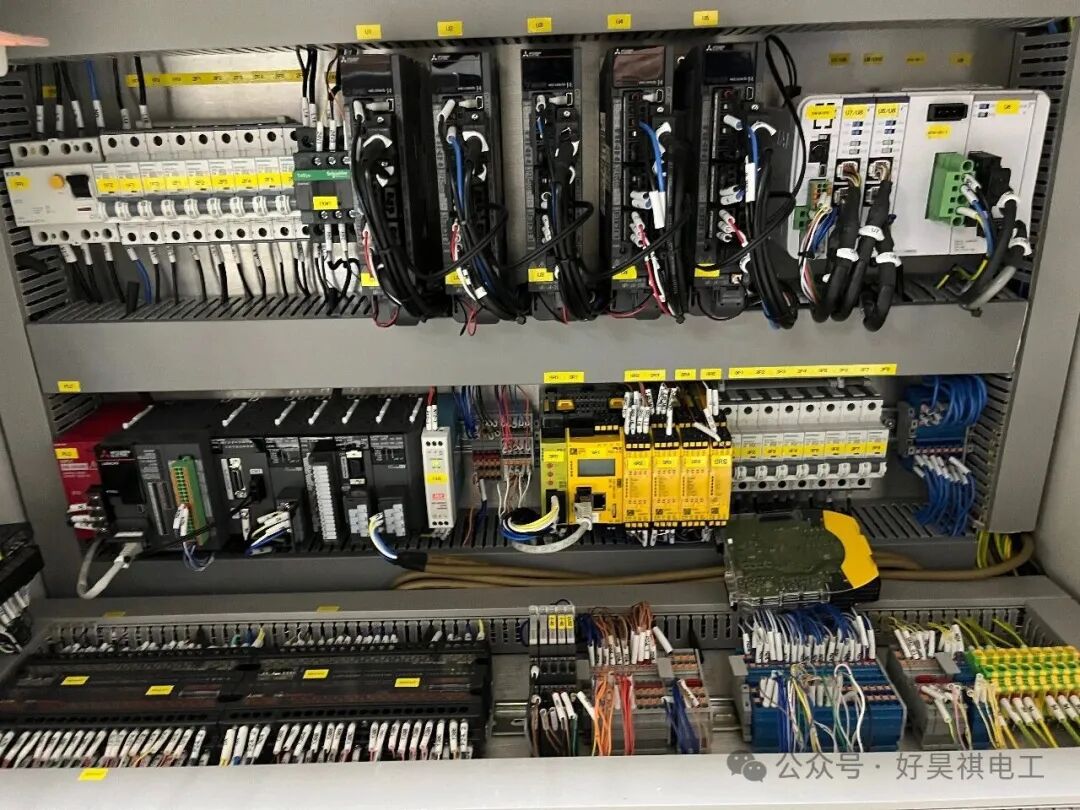
First, can the abnormal action be reproduced?A bug that cannot be reproduced is mostly caused by external factors, such as voltage fluctuations, poor connections, or false triggers from overheating protection.
Second, is the program logic closed-loop?Good PLC programs have complete state judgments, such as preconditions for starting, operational monitoring, and self-diagnosis of faults… It’s not just about pressing a button and expecting it to work.
Third, are there any debugging traces?You can actually tell at a glance whether the program has been modified; experienced people know this.
Stop clinging to the PLC; it’s not omnipotent, nor is it a universal scapegoat.
04
Once, a client said the entire production line was frequently interrupted, and the first thing they said was, “Is it because your program is unstable?”
I just laughed: This issue occurs at the same workstation every time, and the PLC program has no error logs. Instead, it was the cylinder sensor that was misaligned by 2mm, causing a signal misjudgment.Adjusting the position instantly solved the problem.
Should the program take the blame for this? If every time it’s just labeled as a “program issue,” the PLC engineer will eventually become a master of the arcane.
I’m willing to correct mistakes, but please first determine where the mistake is.
The program is not a panacea, nor a tool for shifting blame; its mission is to be a “logical executor,” not a “universal safety net.”
05
In our PLC profession, we value responsibility, systematic thinking, and a bit of—deep-rooted pride.
During debugging, enduring 40-degree heat while working in the control cabinet, and watching the logic run on the monitor at one or two in the morning, all the optimizations are hidden in lines of ladder diagrams that go unnoticed.
It’s not that I don’t want to admit mistakes, but I can’t accept being misunderstood.
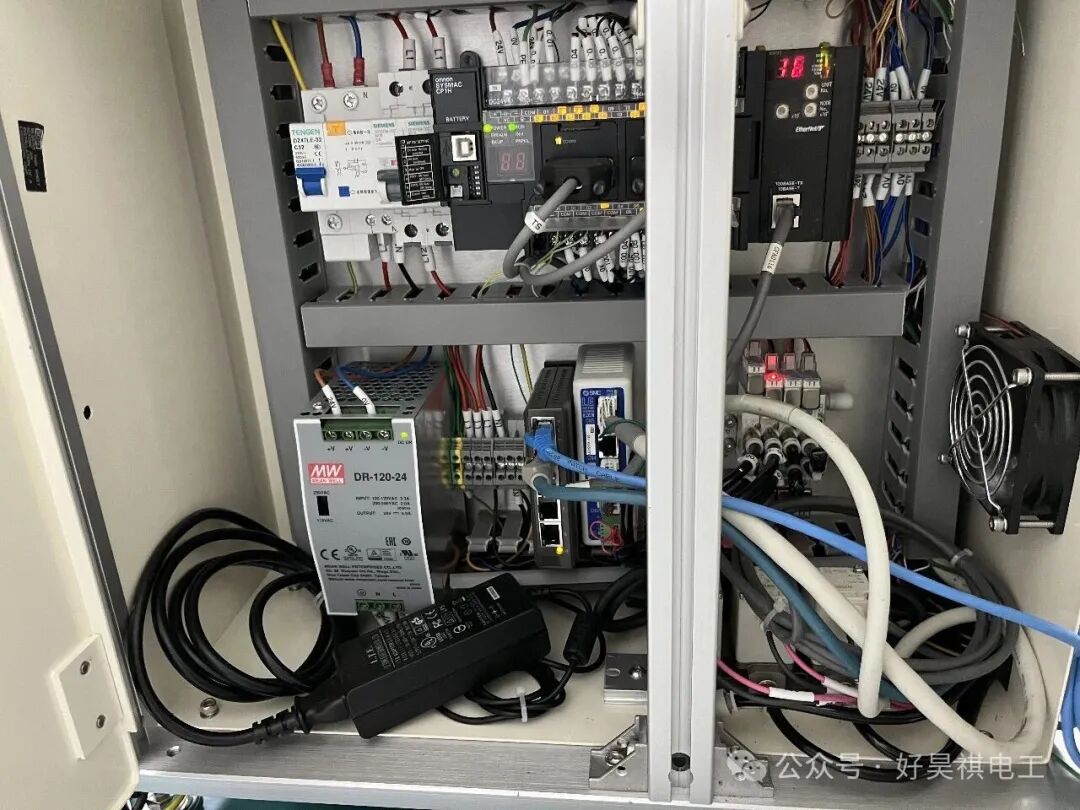
We are not afraid of making mistakes; we are only afraid of—being scolded sincerely when we clearly did nothing wrong.
Next time someone yells at you, “Is it your program that has a problem?”
You can pat them on the shoulder and tell them:
“Brother, I really can’t take the blame—my program is running; what you should check is that limit switch that has been loose three times.”
Be rational, don’t shift blame; investigate, don’t pre-assign blame; PLC is not a god, but it is also not a scapegoat.
Ultimately, program stability does not equal everything being fine; equipment stability is what truly matters.