When it comes to hardware, experience is key.
Real-world cases can enhance experience; textbooks generally focus on theory, and case studies are either too few or not vivid enough.
Therefore, this public account strives to write articles with practical case studies.
I recently read an excellent book that discusses the theory of SMT manufacturing in the beginning and includes a wealth of real-world defect rectification cases at the end, making it highly worthwhile to read.
Hardware engineers need to observe the production line and review these cases, as it will help them remain calm when encountering issues on the production floor in the future.
Below are a few selected cases, richly illustrated, making it feel as if you are on-site addressing the problems.
1. Virtual soldering (cold solder) of chip resistors
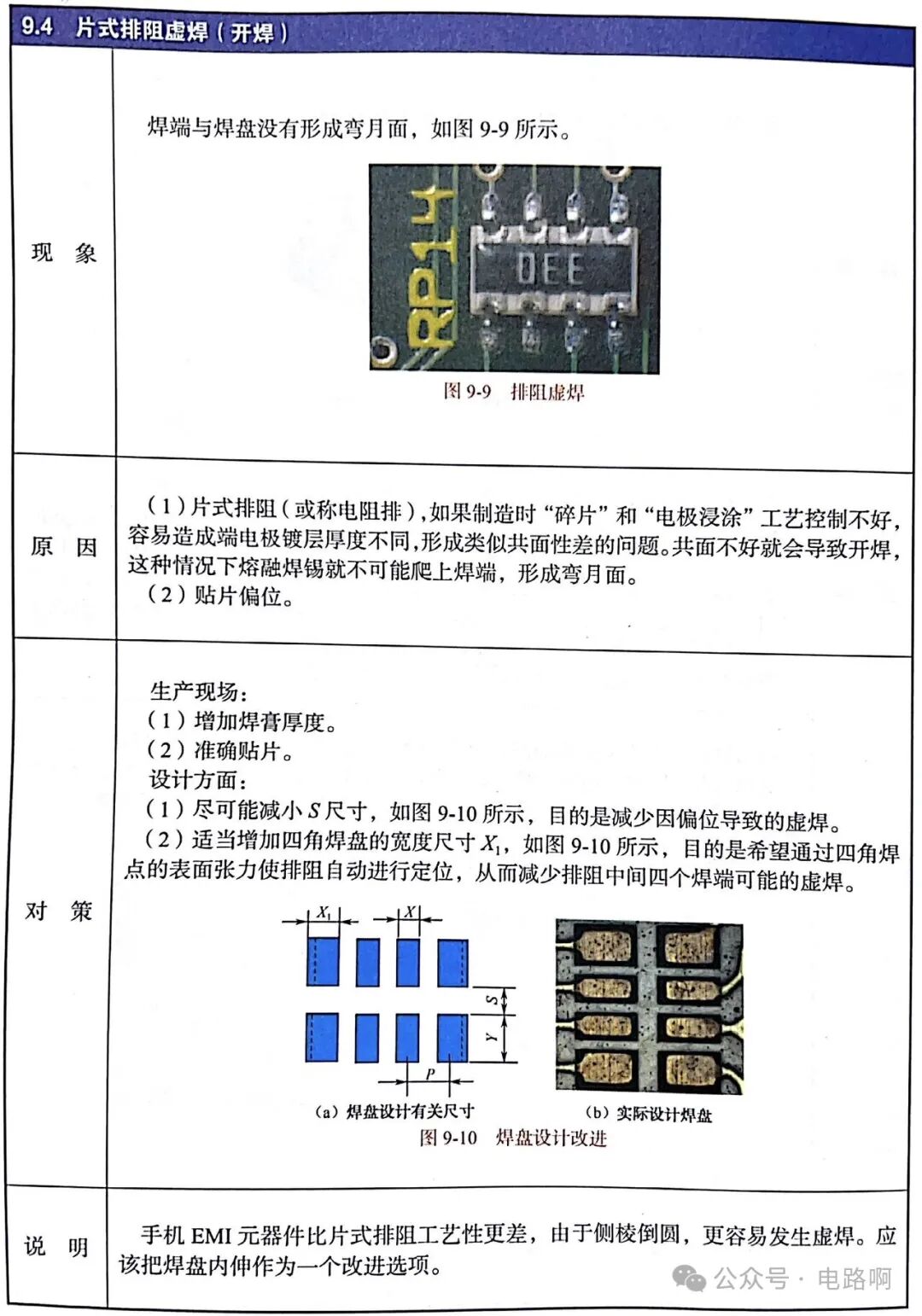
2. Rosin entering the side keys of a mobile phone
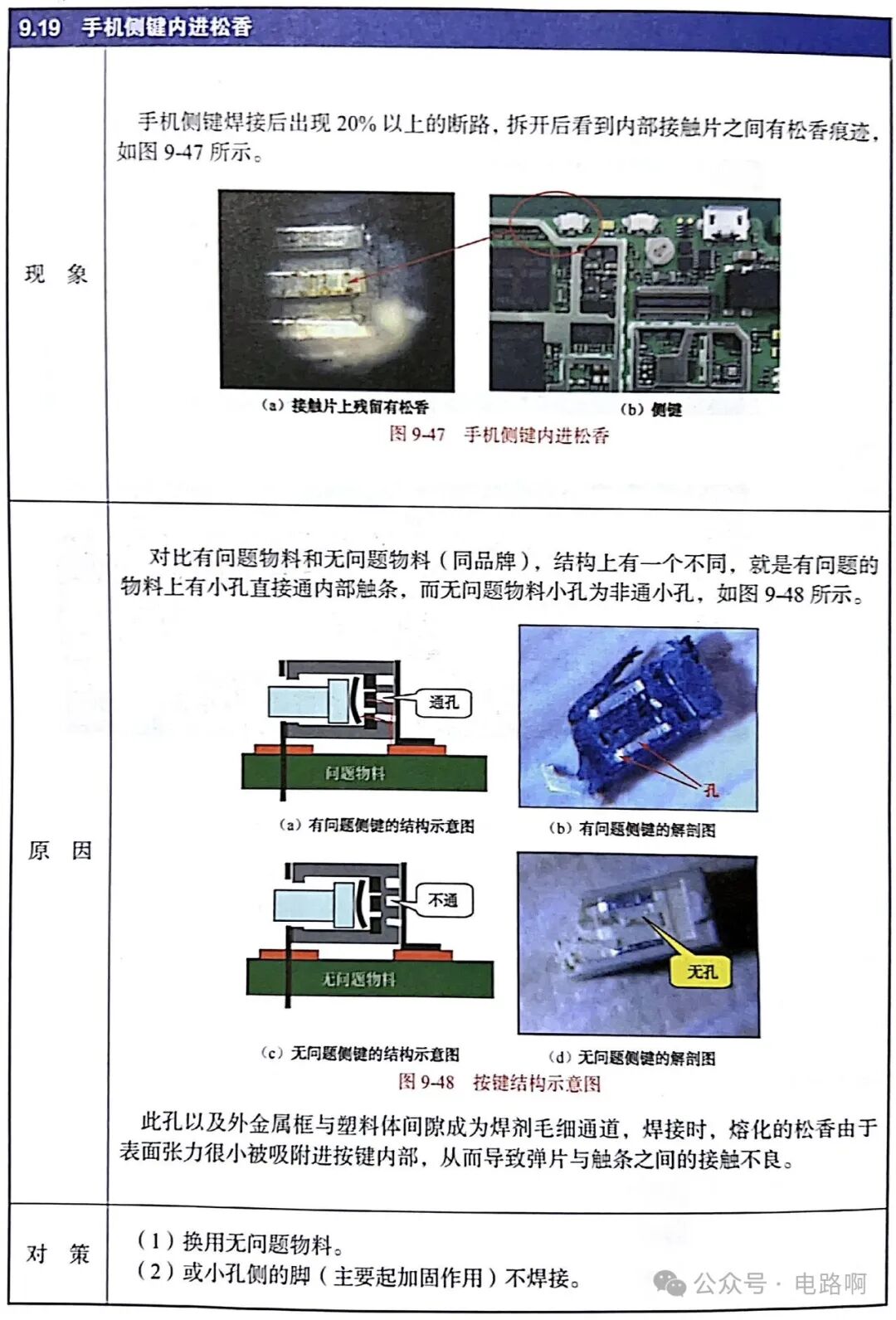
3. Insufficient solder / cold solder caused by micro-blind holes on HDI board pads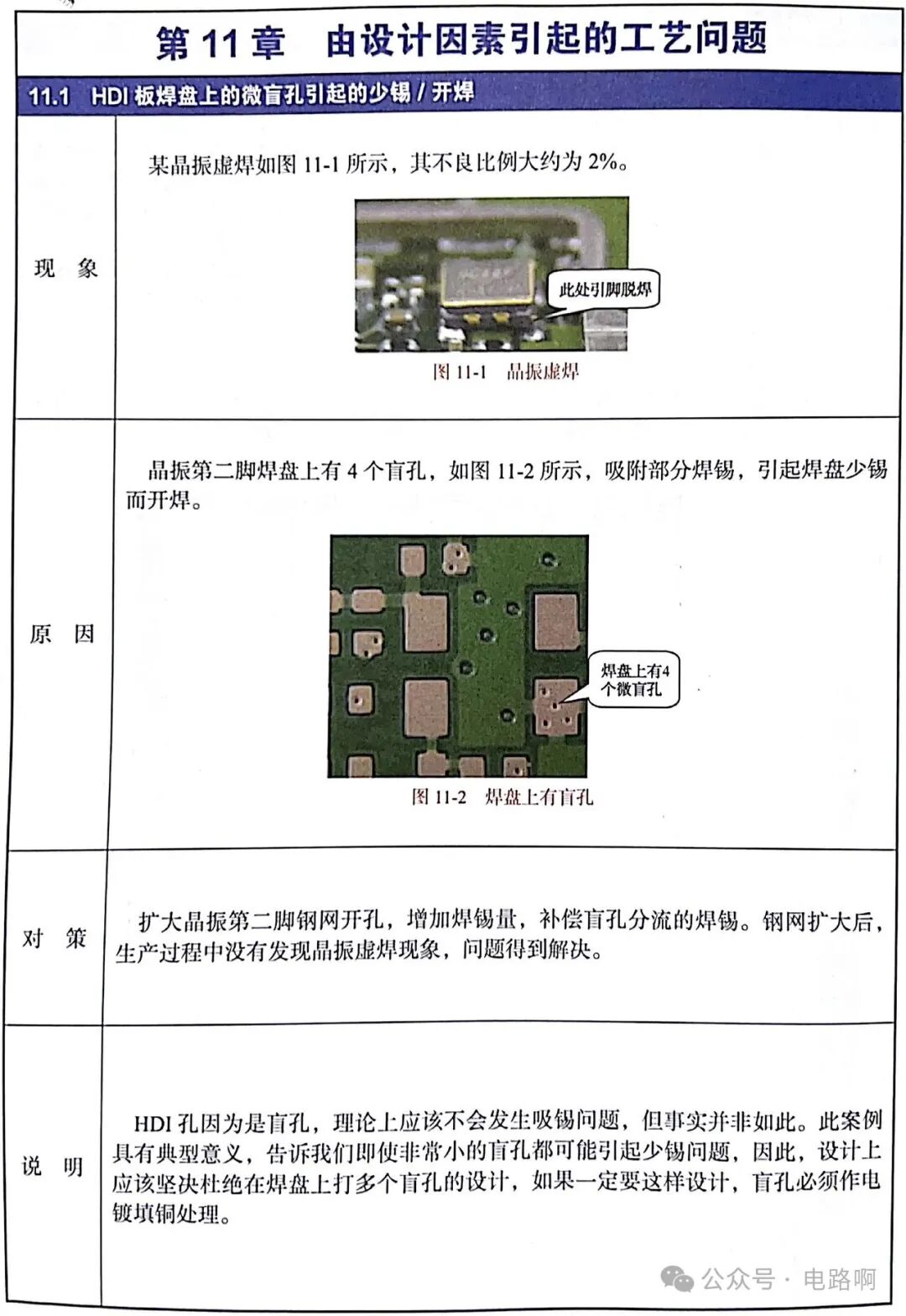 4. Improper layout of elastic screws for heat sinks causing BGA solder joints to break
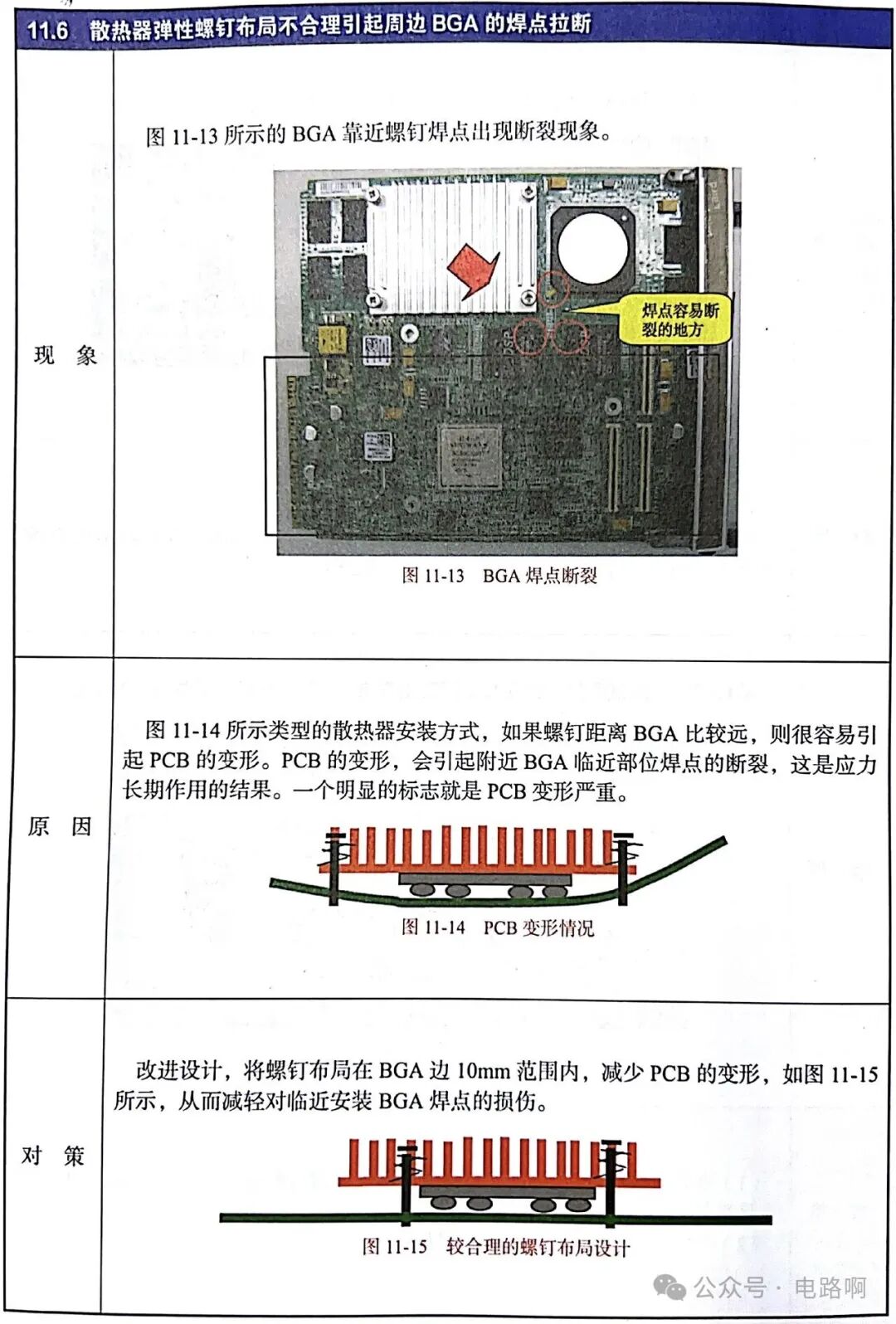 5. BGA pads being pulled off due to repeated bending
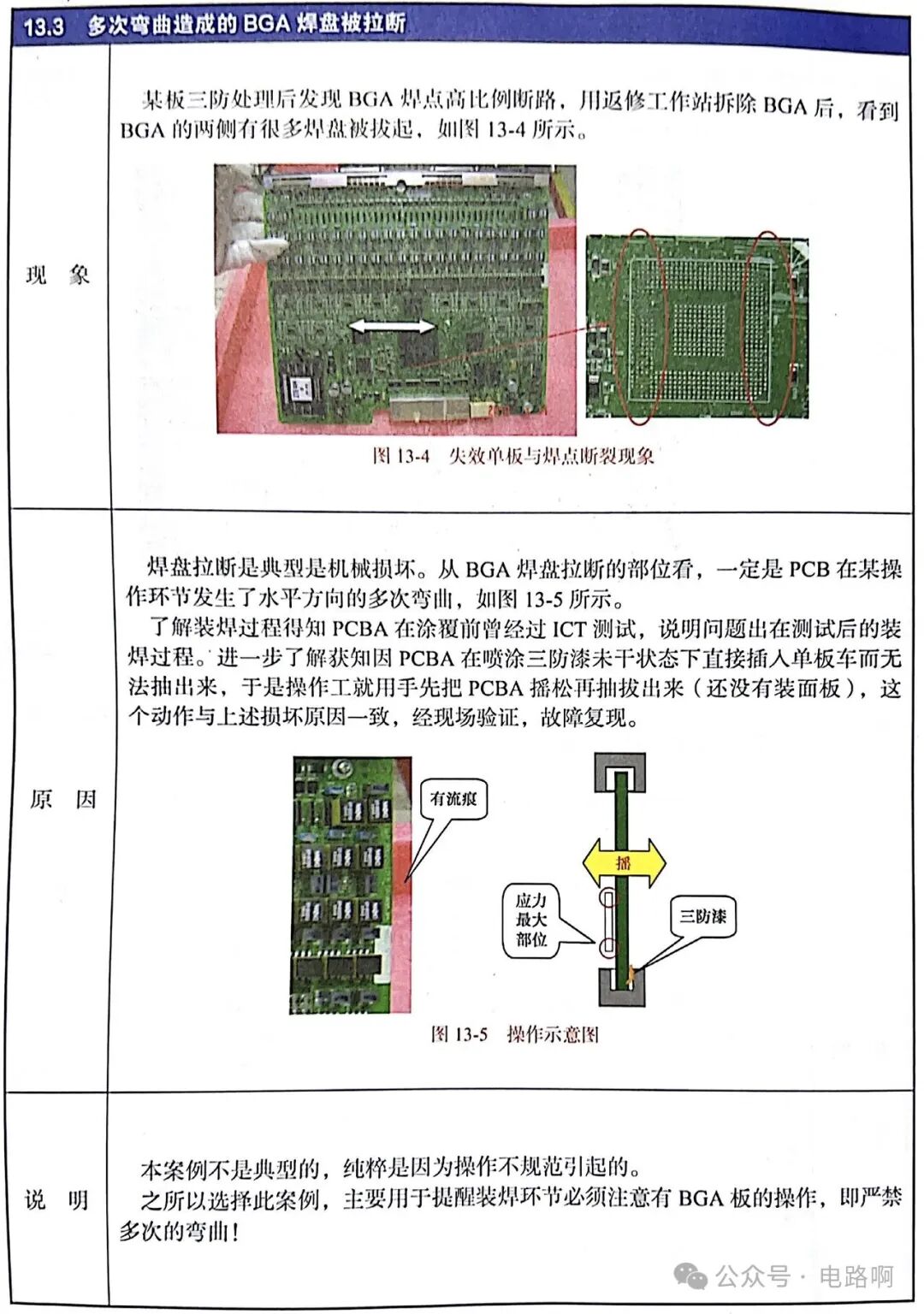 The above cases are taken from the book “Analysis and Case Studies of Core SMT Processes,” which includes 127 typical application cases. You can see how much experience can be gained: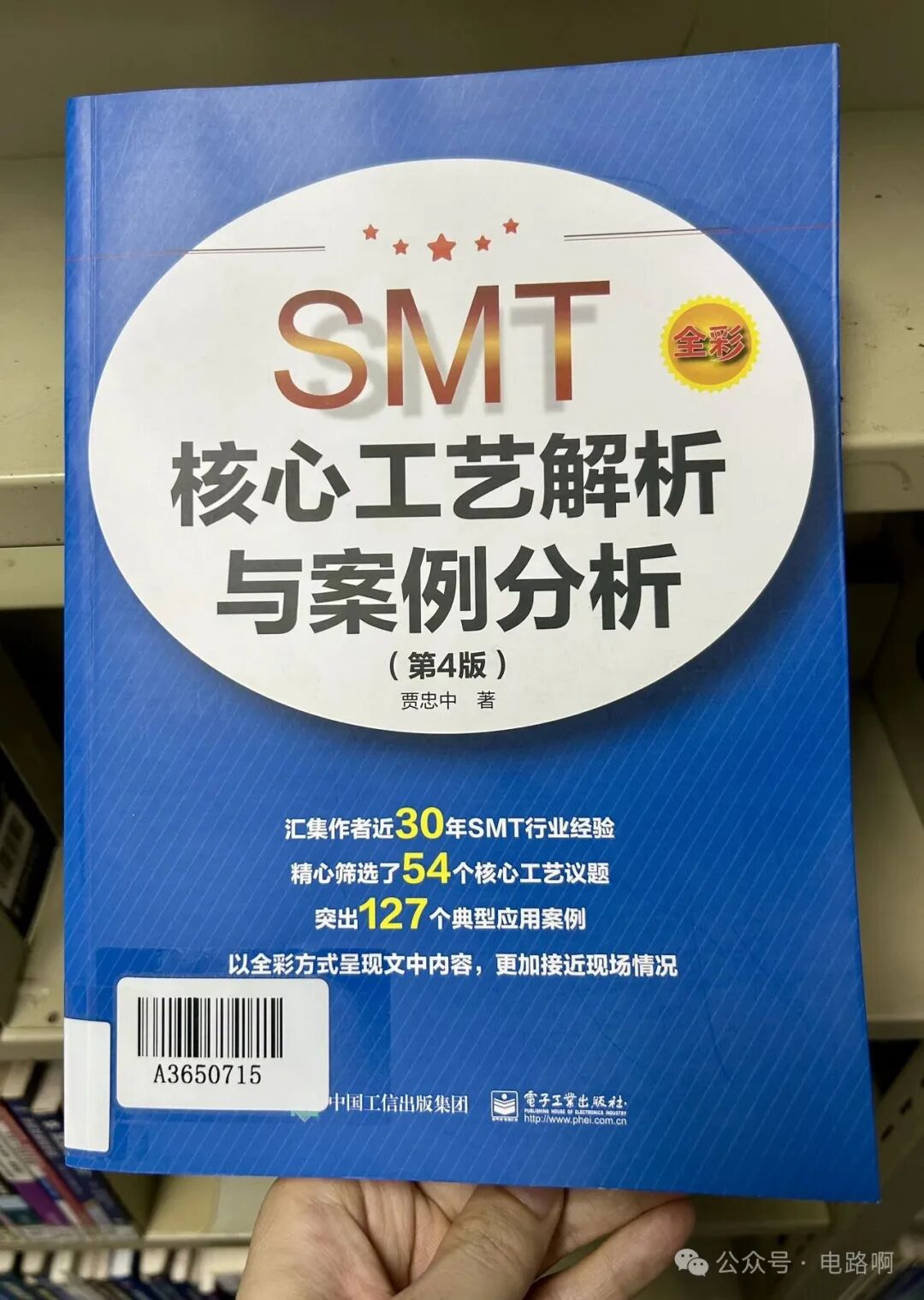
Interested readers can purchase a copy to support it; this article is not an advertisement, so I won’t provide a purchase link.