01
Why Understand Chips
The popularity of mobile phones, especially smartphones, is actually a phenomenon of the last decade or so. Now our phones have become a small world that immerses people, all thanks to mobile phone chips.
Inside every phone, there are small chips constantly executing various instructions. This relies on many semiconductor components called transistors within the chips, which can achieve various functions such as switching and amplifying electrical signals through different circuit connections. Every time we operate our phones, hundreds of billions of transistors are at work, allowing tiny integrated circuits the size of a fingertip to perform capabilities far exceeding those of the first giant computers.
Integrated circuit technology (also known as chips) is not only reflected in mobile phones but also supports everything from industrial manufacturing, mechanical equipment, and logistics to televisions, computers, smartphones, and smart home products. With the vigorous development of emerging fields such as 5G, artificial intelligence, the Internet of Things, autonomous driving, big data, cloud computing, and smart cities, chips will play an even more important role.
We may never design chips ourselves, but understanding chip design is still an interesting and important thing.
02
Chips and Transistors
The history of chip development can be traced back to the discovery of semiconductor properties, where the conductivity of semiconductors changes with temperature, light, illumination conditions, input voltage, and impurities. Based on this theoretical foundation, the point-contact transistor was born, leading to integrated circuits.
Subsequently, with the evolution of chip manufacturing processes, people were able to integrate different functions of a complete computer onto a single silicon chip. This highly integrated integrated circuit chip is called SoC (System on Chip), which contains integrated circuit modules with different functions, forming a complete system and greatly enhancing the chip’s capabilities. A single chip may contain several types of integrated circuits with different functions.
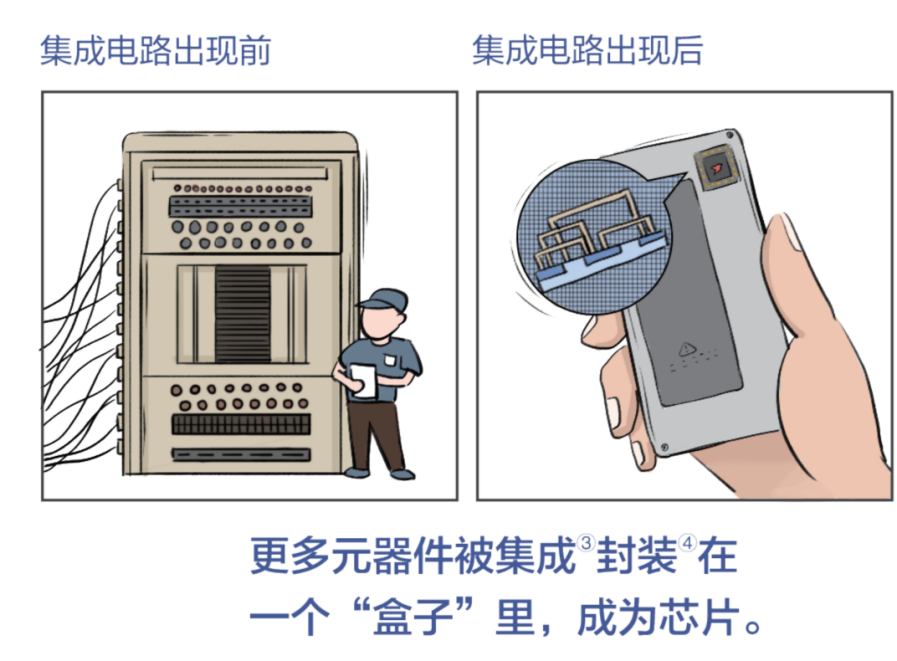
Theoretically, we all know that by using transistors to build specific circuits, we can allow the circuit to access machine language code (instructions) composed of 0s and 1s and execute these instructions. Although the function corresponding to each instruction is very simple, such as merely copying data stored at a certain location to another location, executing multiple instructions can achieve very complex functions.
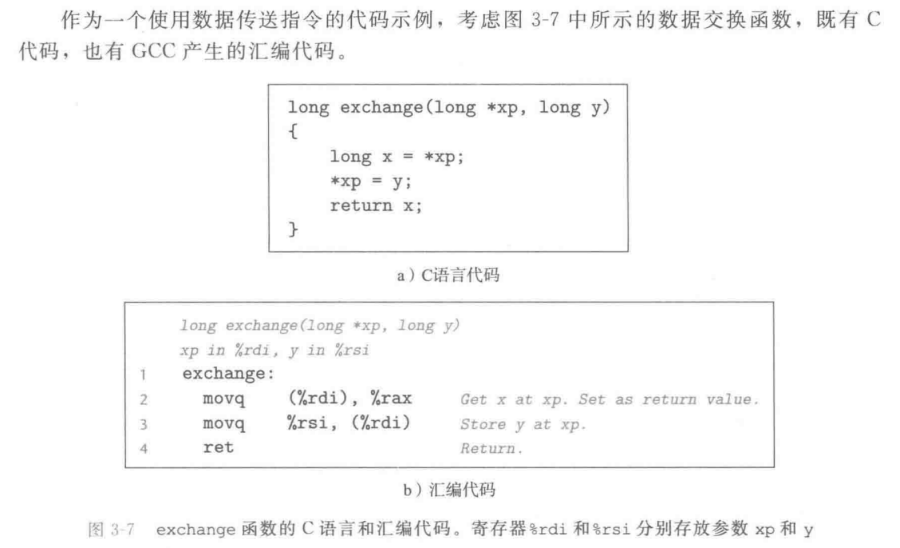
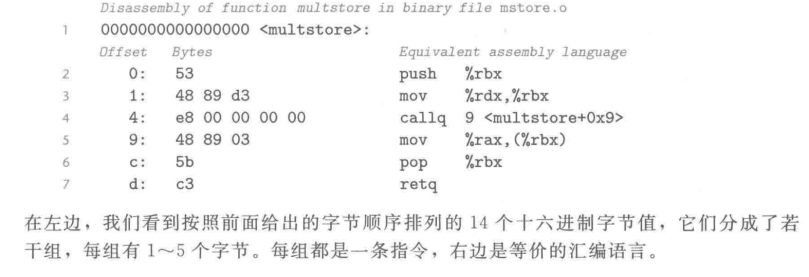
In computer books, we learn that high-level languages like C code are transformed into assembly code when actually run by the processor, eventually forming a binary format target code file. The program ultimately executed by the machine is just a sequence of bytes, which is an encoding of a series of instructions, and the machine knows almost nothing about the source code that generates these instructions.
03
Esoteric Chip Knowledge
In computer science classes, when it comes to designing a microprocessor that can actually work, students first learn how to use transistors to form the basic computational unit of digital circuits—logic gates.
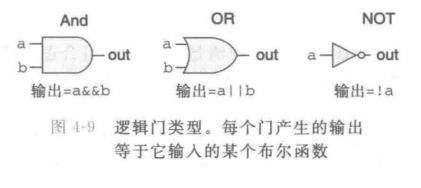
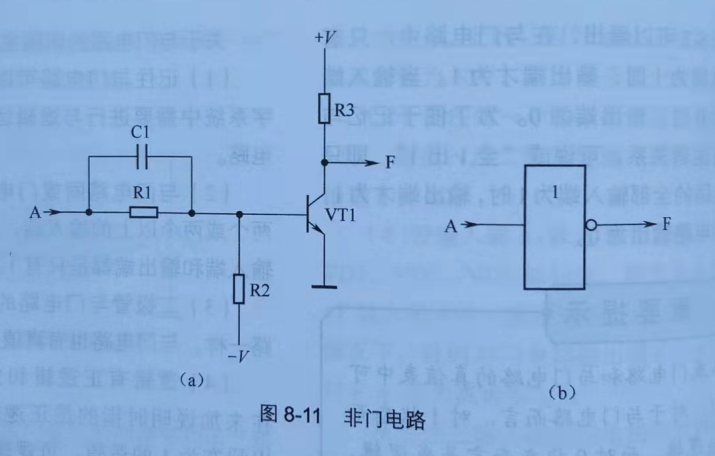
In subsequent designs, we will no longer draw the actual transistor circuit of the logic gates.
Combining many logic gates into a network is called a combinational circuit. For example, the following is a simple combinational circuit.
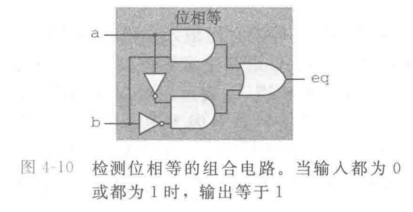
We can then write the specific combinational circuit in a more abstract representation.
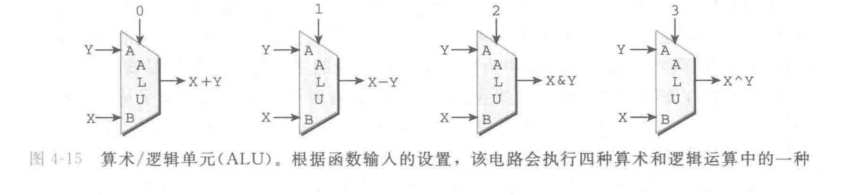
For example, the arithmetic/logic unit (ALU) is a very important combinational circuit, and below is its abstract diagram. The circuit has two data inputs labeled A and B, and one control input. Depending on the settings of the control input, the circuit will perform different arithmetic or logical operations on the data inputs.
Early hardware designers drew schematic logic circuit diagrams with paper and pencil for circuit design. For example, when designing the simplest sequential execution processor that executes one complete instruction per clock cycle, they would draw a logic diagram like the one below.
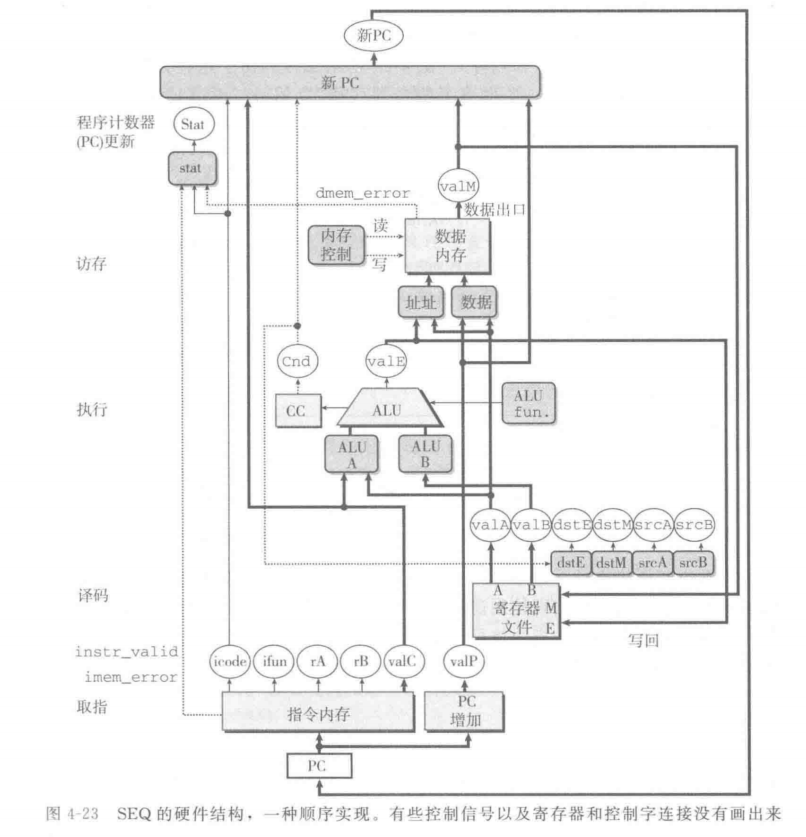
Now we no longer directly draw logic circuit diagrams for circuit design; instead, we use hardware description languages (HDL) to describe hardware structures, such as Verilog. Valid circuit designs can then be generated based on the HDL descriptions.
Designing specific circuits with transistors is already quite challenging, and actually putting a large number of transistors into a chip the size of a fingernail and connecting them together with circuits is even more difficult. Modern chip design, manufacturing, and testing have become very complex. Learning and understanding chip design and manufacturing, as well as how various functional modules within chips work together, is still not easy.
04
Chip Knowledge Can Be Explained Simply
Fortunately, we now have a popular science comic book introducing chip knowledge, where the knowledge is conveyed by anthropomorphized “components”, leading readers to easily understand the secrets of “turning sand into chips”.
The content of this book comes from the popular science comic series “Understanding Chips Is Actually So Simple” in the Huawei Kirin public account. During the comic creation period, experts from the Huawei Kirin team provided rich academic materials, carefully answered questions, and rigorously proofread, making this popular science book that spans multiple fields, including chip design, wireless communication, and development tools, more professional.
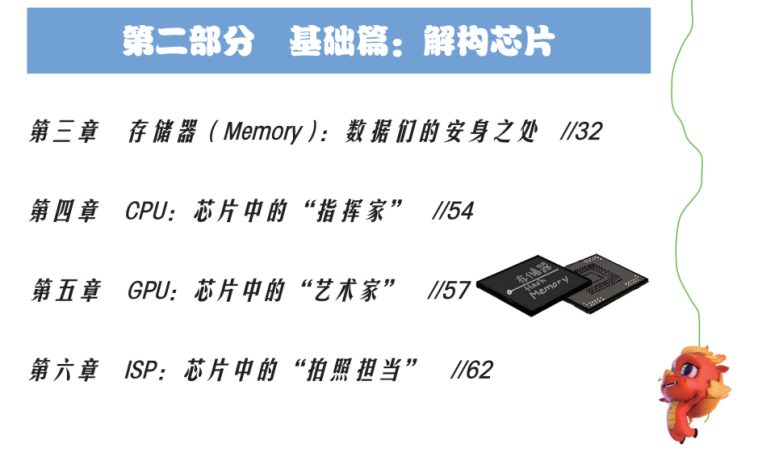
The book is divided into three parts: first, it introduces chip design and manufacturing, interpreting the basic concepts of chips;
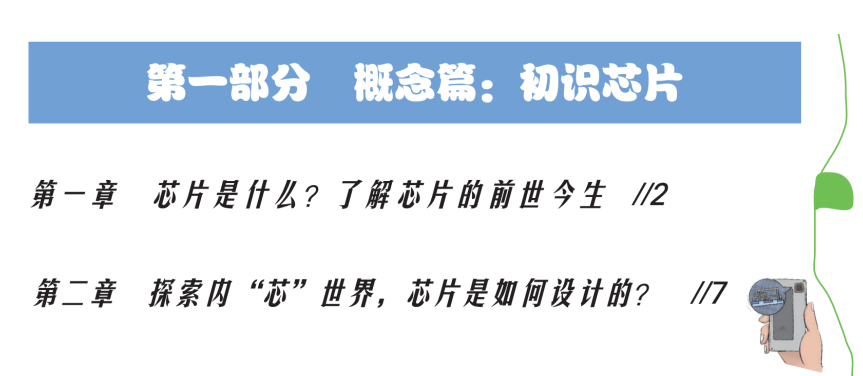
Then it analyzes the internal structure of chips, interpreting the functions and roles of core components such as CPU, GPU, ISP, and NPU; finally, it explains the implementation methods of certain functions of flagship chips, such as how chips connect to “debut as a group” and hardware-level collaboration between ISP and NPU, and other knowledge in chip design.
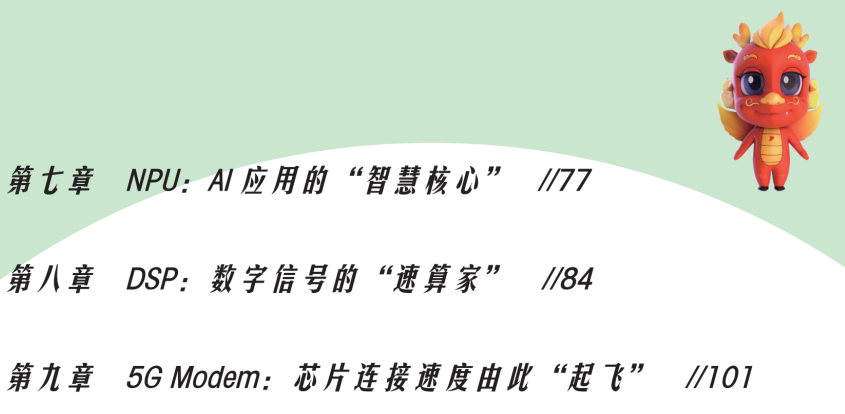
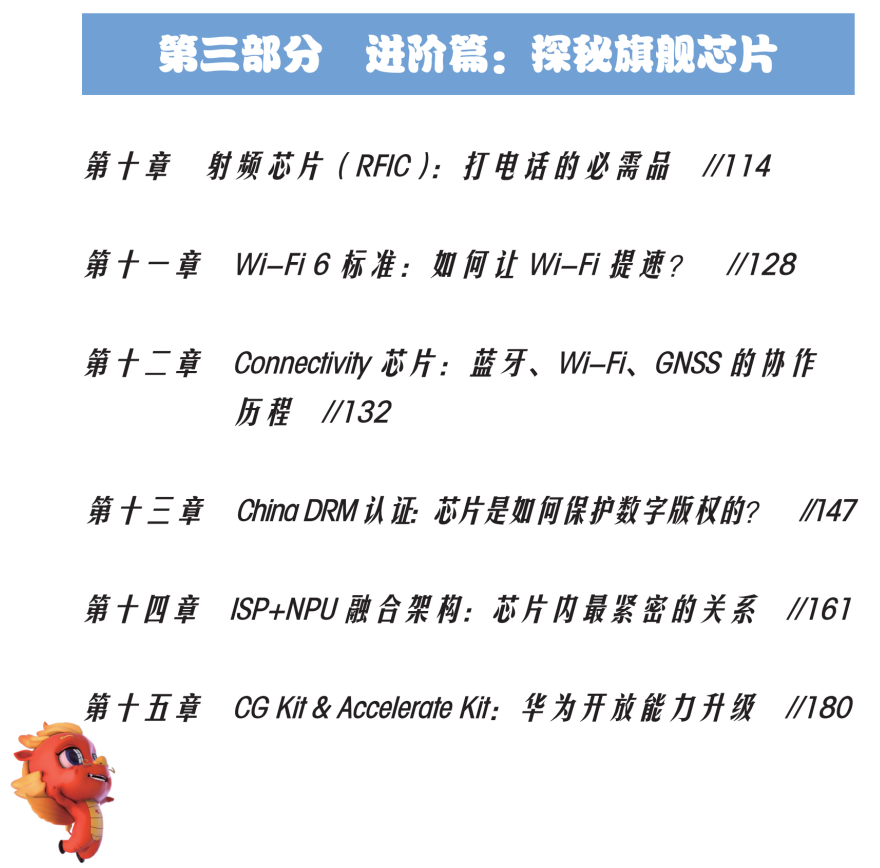
This book uses everyday scenarios as touchpoints, combining terminal experiences to explain chip principles. It can be said to be a popular science book that spans multiple fields, including chip design, wireless communication, and development tools. The book does not contain lengthy technical introductions and theoretical knowledge, but instead uses everyday scenarios as touchpoints, combining terminal experiences to explain chip principles. For many readers, this approach can help everyone better understand chip science and feel the vast world within chips.
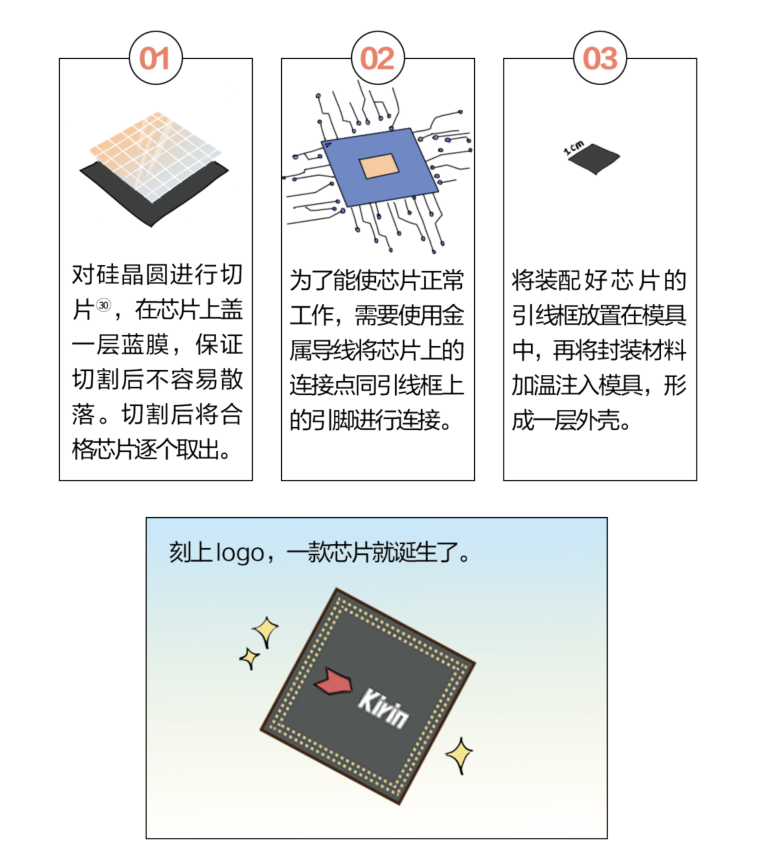
For example, when explaining the chip design and manufacturing process, the book suggests that readers simply understand the process as design, manufacturing, and testing. It then uses the analogy of building construction to illustrate the differences between front-end design, back-end manufacturing, and packaging/testing of chips.
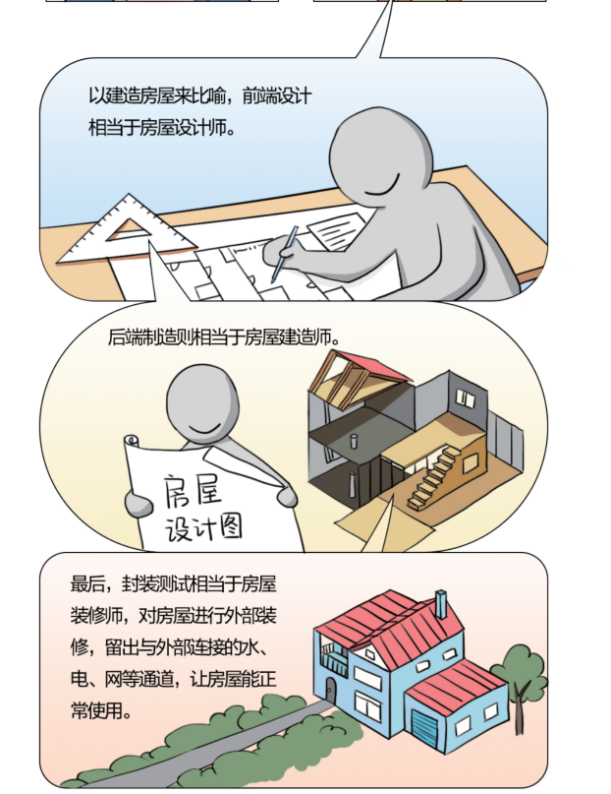
In this way, the esoteric principles of chips become much easier to understand. The subsequent explanation of the chip manufacturing process also becomes very easy to comprehend.
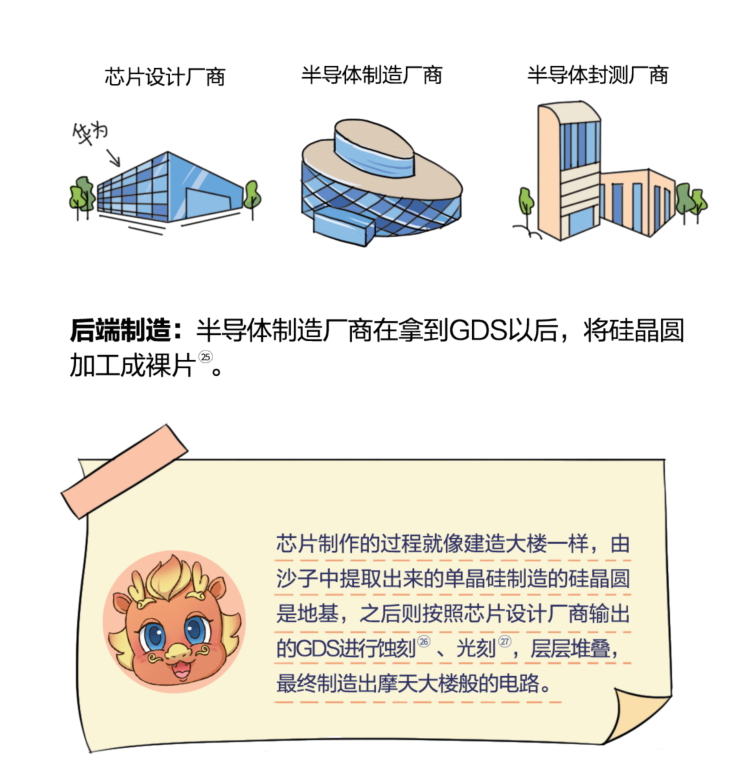
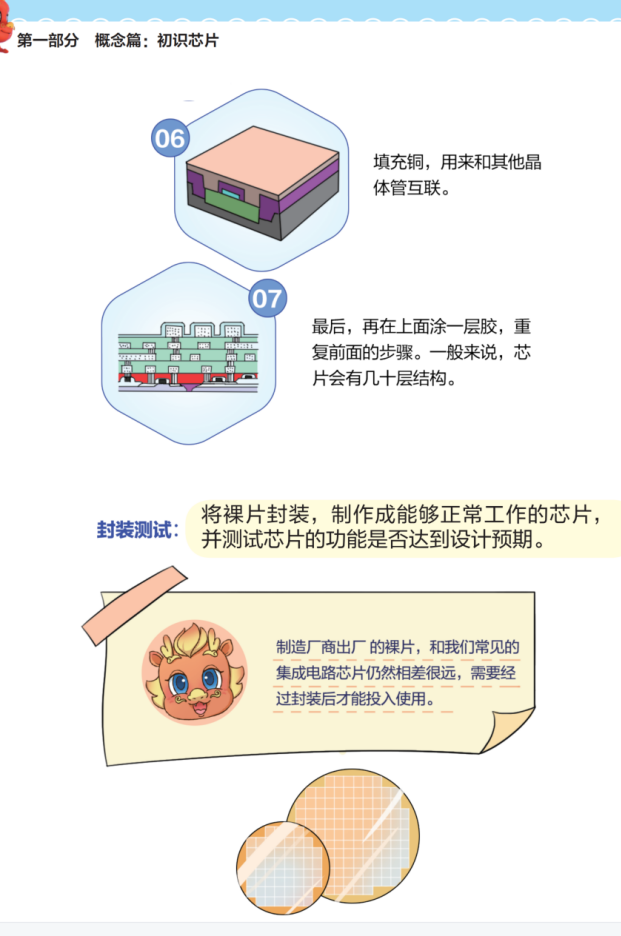
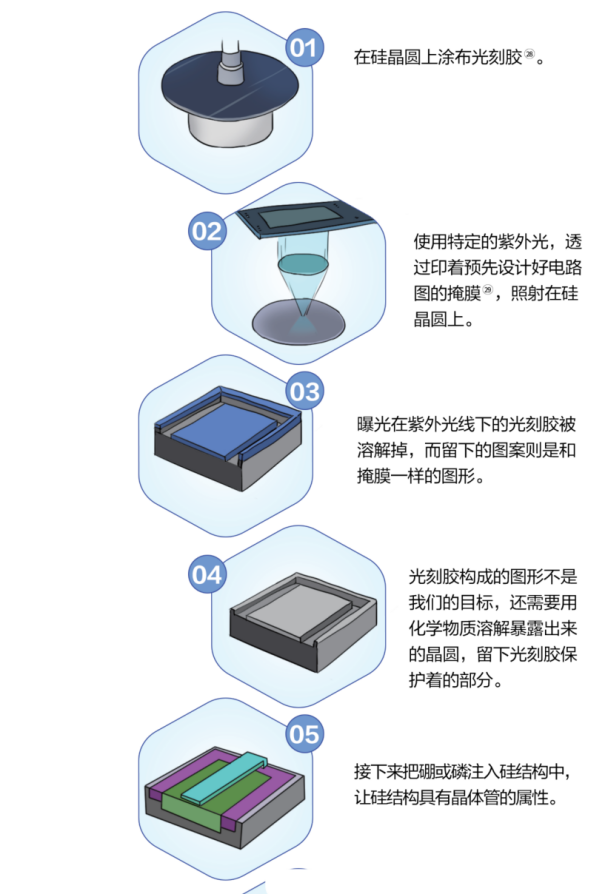
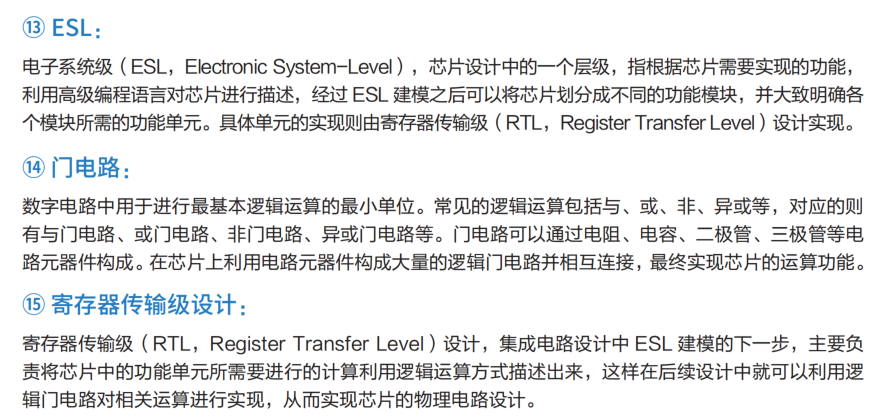
For various technical terms, a glossary is provided at the end of each chapter.
Through this comic format, this book connects various thematic stories, making it much easier to understand difficult chip knowledge.
05
Focusing on Everyday Scenarios,
Explaining Chip Principles with Terminal Experiences
This book starts from everyday life scenarios, such as using a phone, to explain chip principles.
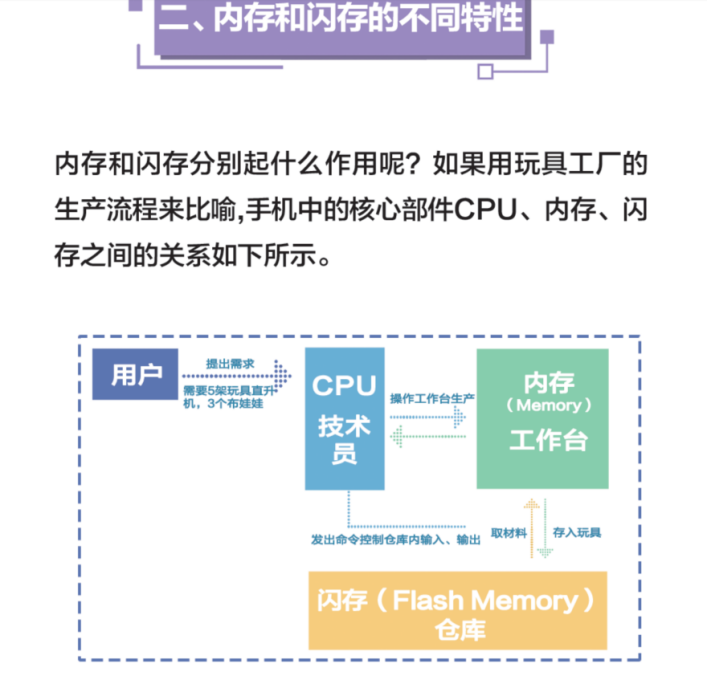
When explaining the difference between memory and flash storage, it begins the discussion by comparing parameters between mobile phones.

And it uses the production process of a toy factory to vividly clarify the differences between memory and flash storage.
The book covers a wide range of content, introducing various functional components within chips, including CPU, NPU, DSP, ISP, etc.
This book achieves professionalism and comprehensiveness in the comic format. Each knowledge point has been rigorously proofread by experts from the Huawei Kirin team.
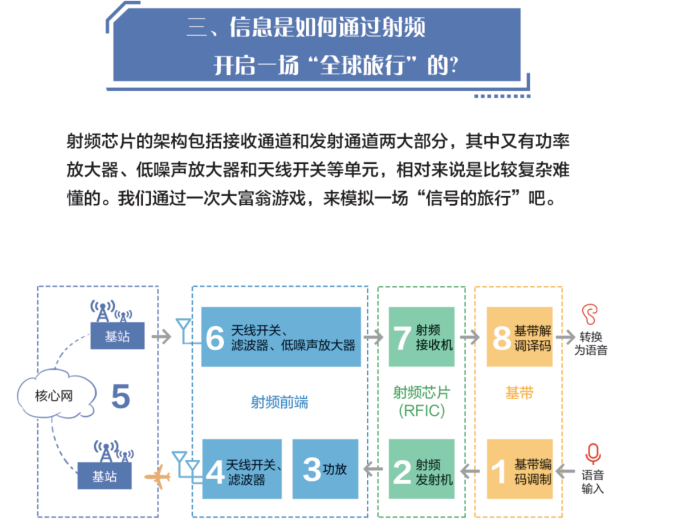
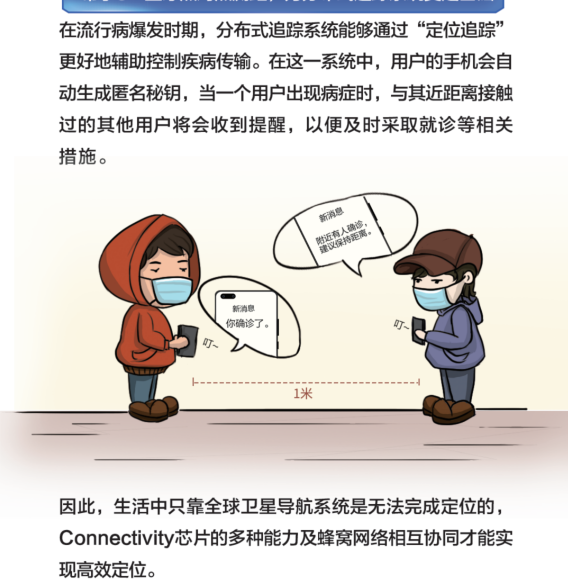
GPU, ISP, NPU, AI, 5G Modem, RF chips, Wi-Fi 6 technology, Bluetooth, digital rights management, ISP pipelines, and NPU matrix computations, and prevention of fake base stations… So much knowledge will be elaborated by comic characters through story scenarios, which is really very thoughtful.
We hope this chip comic can be the starting point for you to love science.
Now, more and more young people are interested in integrated circuit science and technology. Many not only love technology but also possess great creativity and imagination. We hope this chip comic book can provide a fertile ground for more people to approach, understand, and even engage in chip technology research and innovation in the future. Together, let us explore more secrets of chips.
Recommended Reading

▲ Long press the QR code or click Read Original to enter the purchase interface
“Understanding Chips Is Actually So Simple: Comic Version”
This book is a popular science comic book introducing chip knowledge, with content sourced from the popular science comic series “Understanding Chips Is Actually So Simple” in Huawei Kirin. The entire book connects various thematic stories through comics, and the esoteric chip knowledge is conveyed by anthropomorphized “components”, leading readers to easily understand the secrets of “turning sand into chips”. The book is divided into three parts: first, it introduces chip design and manufacturing, interpreting the basic concepts of chips; then, it analyzes the internal structure of chips, interpreting the functions and roles of core components such as CPU, GPU, ISP, and NPU; finally, it explains the implementation methods of certain functions of flagship chips, such as how chips connect to “debut as a group”, and hardware-level collaboration between ISP and NPU, among other knowledge in chip design. The book does not contain lengthy technical introductions and theoretical knowledge but uses everyday scenarios as touchpoints, combining terminal experiences to explain chip principles. For many readers, this approach can help everyone better understand chip science and feel the vast world within chips.