The team of Wenbo Liu and Quanbin Jiang from Sun Yat-sen University achieved the efficient transformation of conjugated hydroxamic acids into redox-neutral nitrogen-containing propanes through nucleophilic α and β addition strategies. It is noteworthy that electron-rich anilines, such asN,N–dimethylaminoaniline and4-methoxyaniline, can directly serve as nitrogen atom donors in the nitrogenation process. The success of this method relies on internal oxidants to offset the unfavorable thermodynamic factors associated with the combination of amines and alkenes.
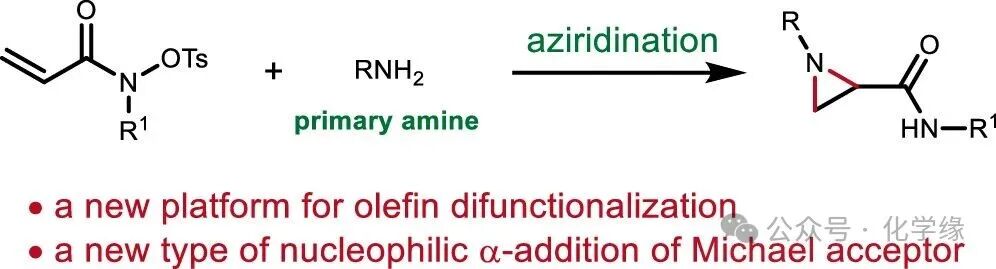
Nitrogen-containing propanes are important nitrogen heterocycles, serving both as target compounds and as synthetic units. For example, they are widely present in biologically active drugs and natural products. Additionally, they can act as multifunctional precursors for obtaining functionalized amine derivatives. Similar to epoxides, the reactivity of nitrogen-containing propanes is generated by the ring strain in the three-membered ring (28 kcal/mol). Therefore, the synthesis of nitrogen-containing propanes is a significant and challenging task. Traditional [2+1] methods include the combination of imines with carbenes (or equivalents) or the coupling of alkenes with nitriles (or equivalents). Another straightforward method involves intramolecular substitution reactions (SN2). The classical Gabriel–Cromwell aziridination involves a tandem Michael addition and SN2 process. Recent methods utilize alkyl amines and vinyl sulfonium to effectively synthesize N–alkyl nitrogen-containing propane compounds. However, since the conversion of alkenes to vinyl sulfonium is an oxidation process, this method is mainly limited to styrene derivatives and electron-rich (or neutral) alkenes.
On the other hand, nucleophiles typically perform β additions to conjugated alkenes (referred to as Michael acceptors). In terms of polarity, the β carbon is electrophilic, while the α carbon of the Michael acceptor is nucleophilic. This polarity mismatch indicates that α nucleophilic addition is generally unfavorable. However, under appropriate conditions, α addition can still occur. In this case, we propose a method to obtainN–alkyl andN–aryl propanes using unprotected amines as nitrogen atom donors through α and β nucleophilic additions.
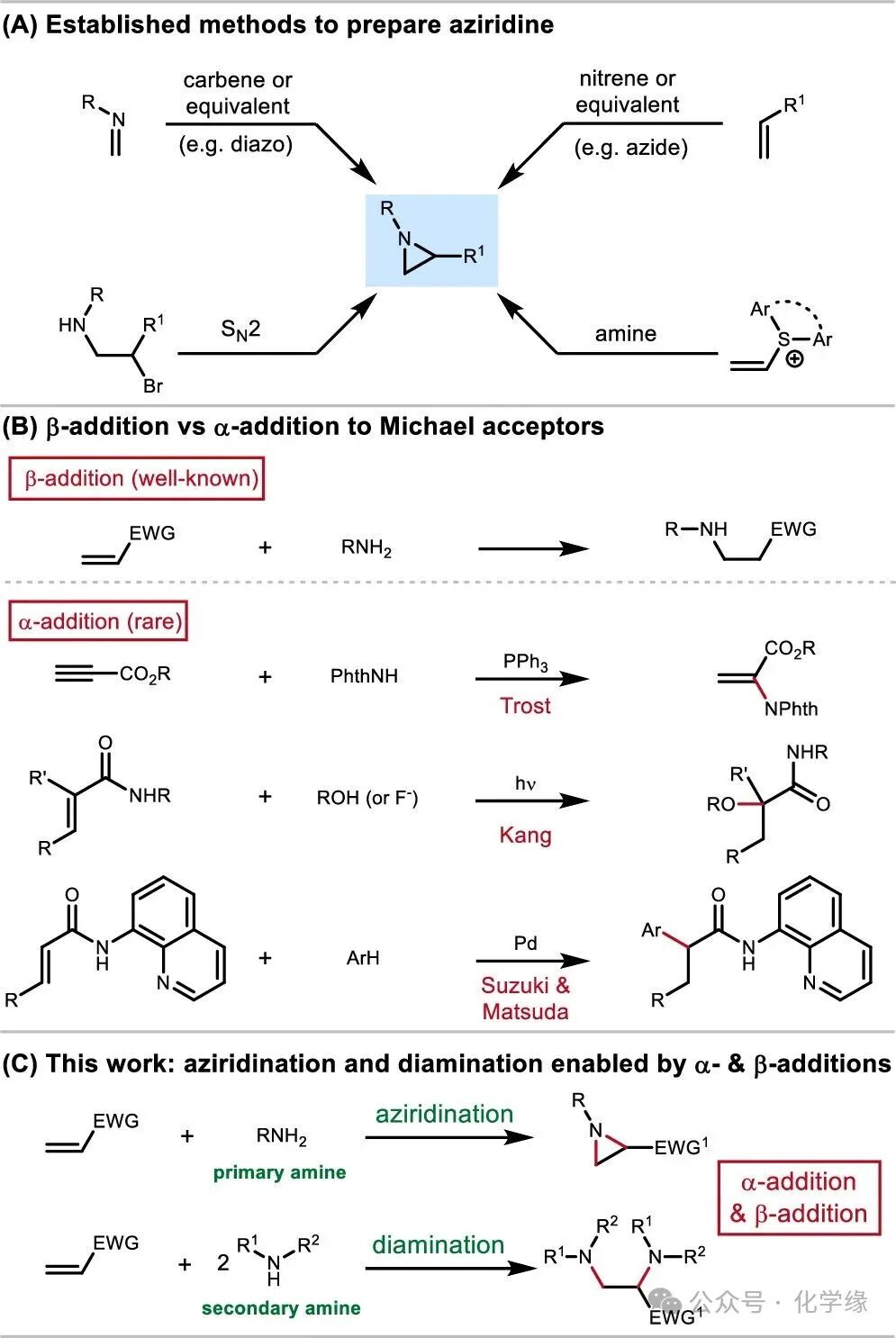
Figure 1 Research Background
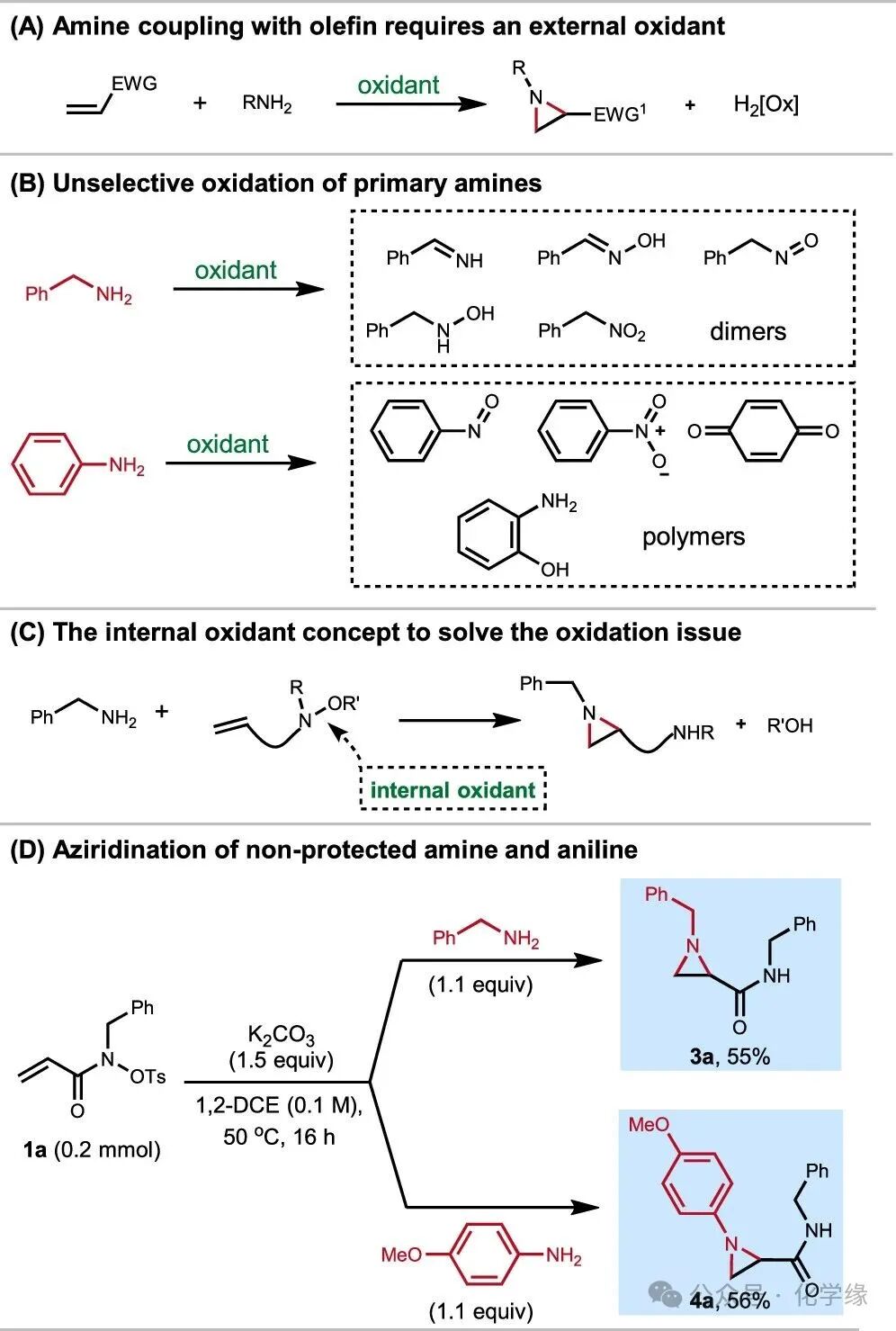
Figure 2 Research Design Based on the Concept of Internal Oxidants.
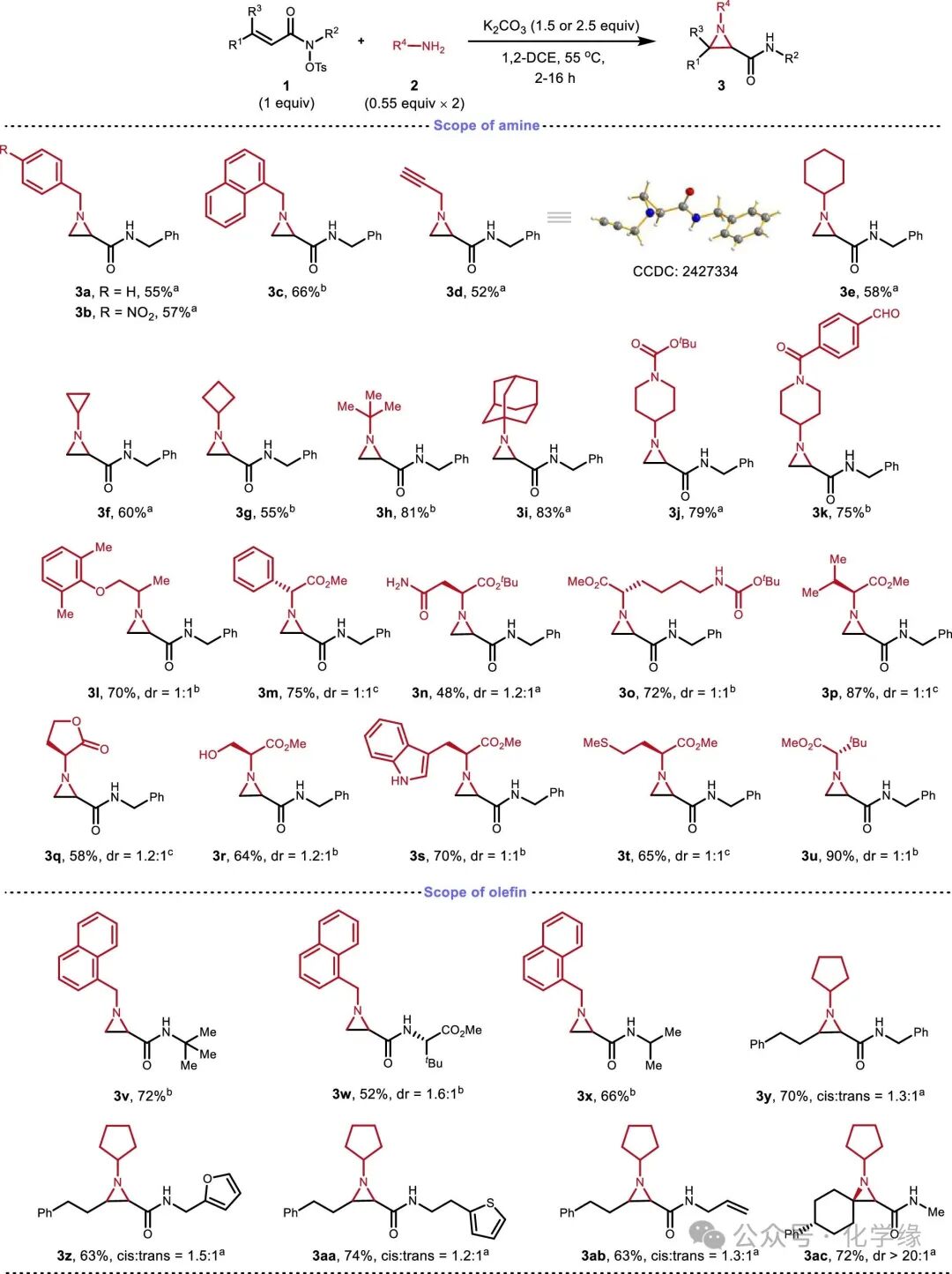
Figure 3 N–Alkyl Nitrogen-Containing Propane Substrate Scope
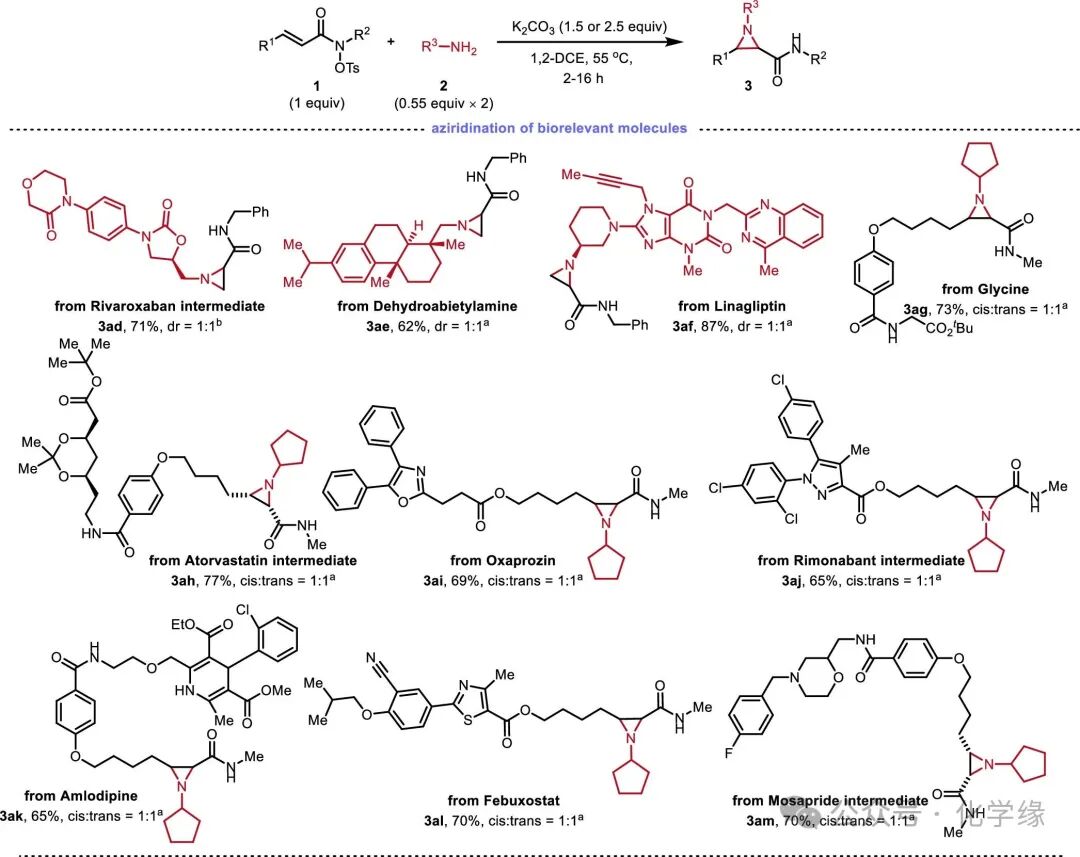
Figure 4 Substrate Scope of Complex Groups
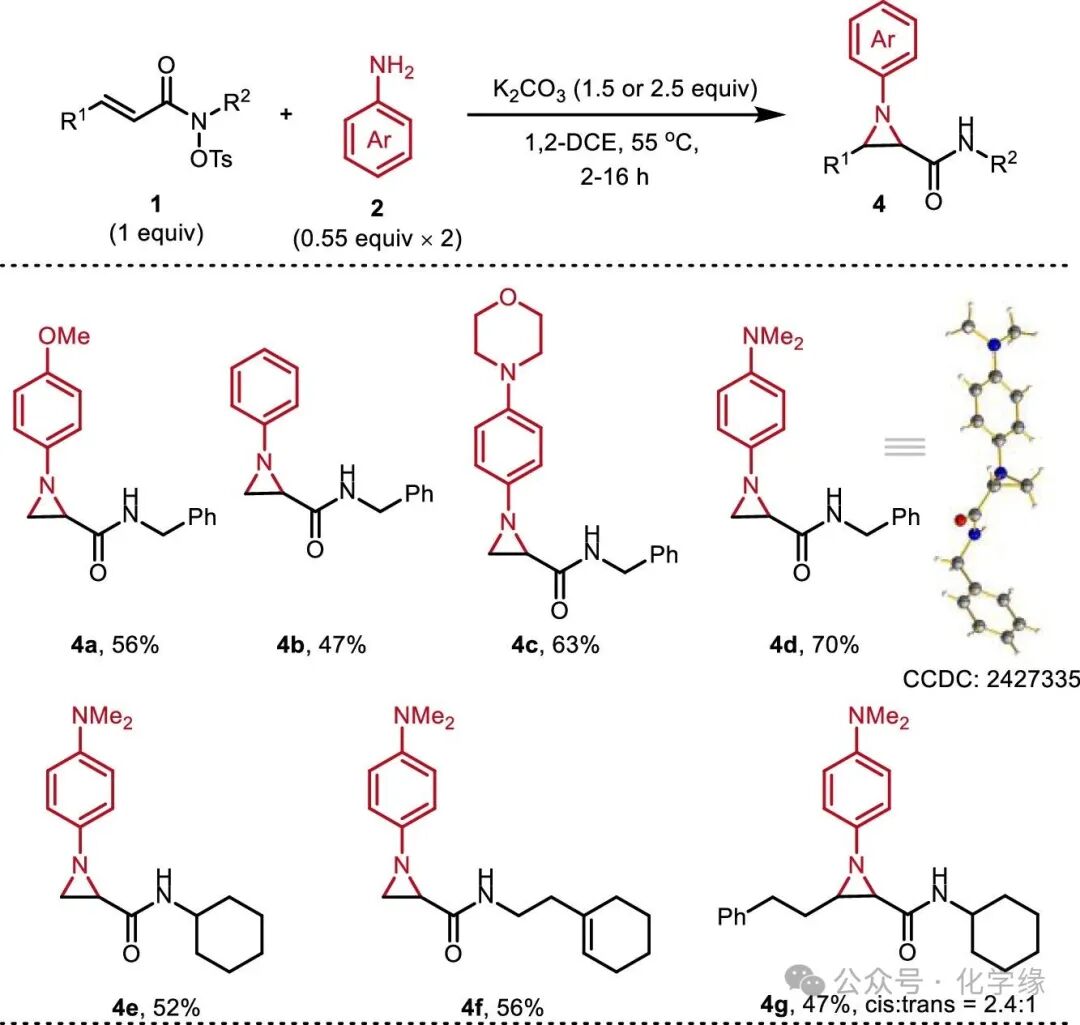
Figure 5 N–Aryl Nitrogen-Containing Propane Substrate Scope
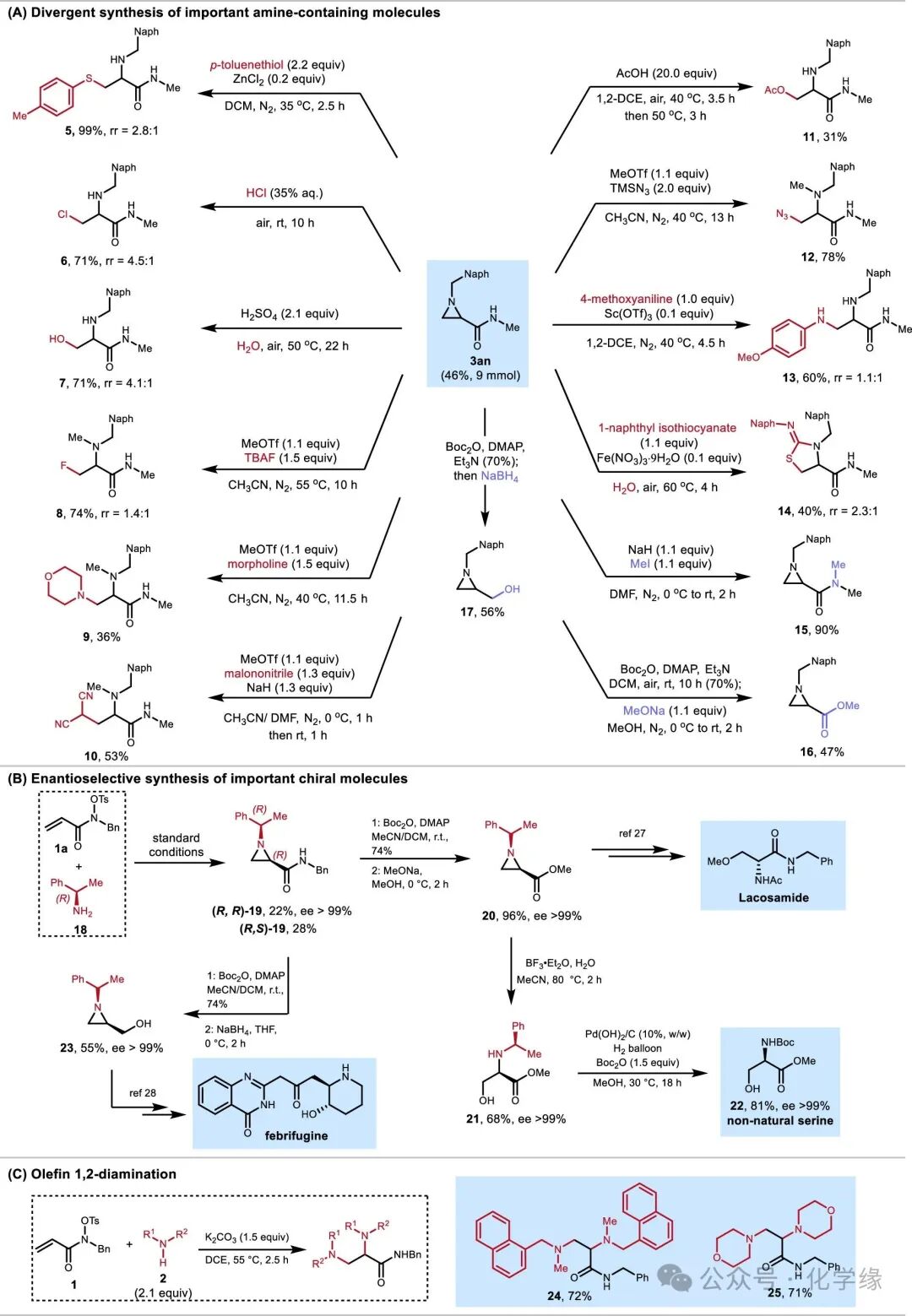
Figure 6 Synthetic Applications
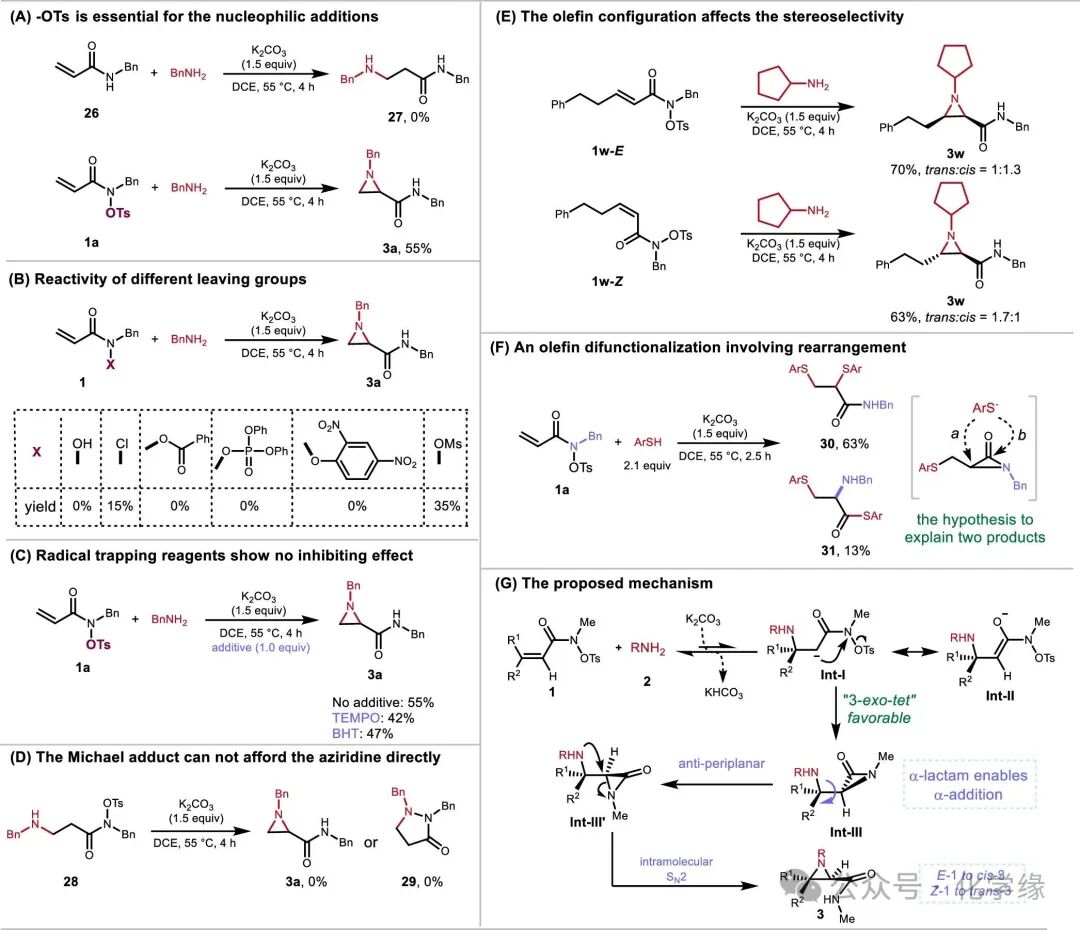
Figure 7 Mechanistic Studies and Possible Mechanisms
Summary: A simple and effective synthesis strategy for nitrogen-containing propanes is proposed, which reacts unprotected primary amines with alkenes under redox-neutral conditions (i.e., without external redox reagents). Notably, electron-rich anilines, such asN,N–dimethylaminoaniline and4-methoxyaniline, can directly serve as nitrogen atom donors in the nitrogenation process. The success of this method relies on internal oxidants to offset the unfavorable thermodynamic factors associated with the reaction of amines and alkenes. In practice, the process occurs under simple conditions, without the need for external redox reagents, sensitive nitrile or carbene precursors, transition metals, or assistance from light or electricity. Mechanistic studies indicate that the key step involves a tandem nucleophilic α and β addition facilitated by α-lactam intermediates. This method represents a novel nucleophilic α addition reaction, promising applications in various scenarios.
Article Information:
Nucleophilic α– and β-Additions Enable Redox-Neutral Aziridination of Conjugated Hydroxamates
Rui Wang, Quanbin Jiang*, Long Jiang, Wenbo H. Liu*
DOI: 10.1021/jacs.5c04286
We hope this article inspires you, and let us work together for a better future!