
[Paper Link]
https://doi.org/10.1016/j.xcrp.2025.102787
[Author Affiliations]
ShanghaiTech University; University of Chinese Academy of Sciences
[Abstract]
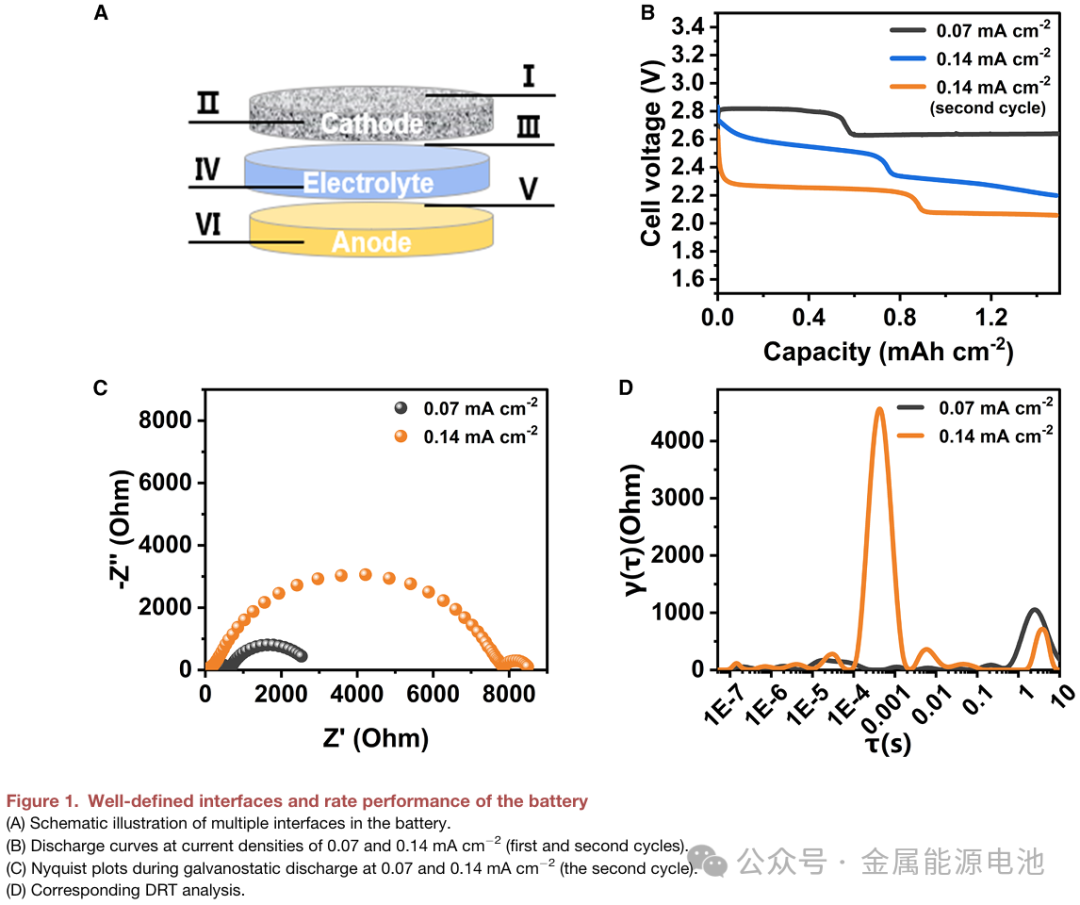
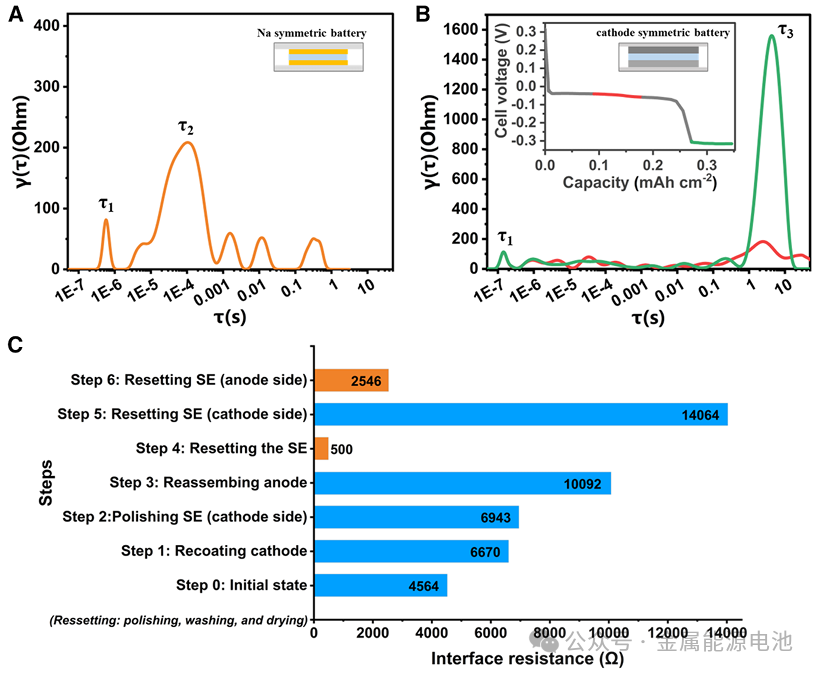
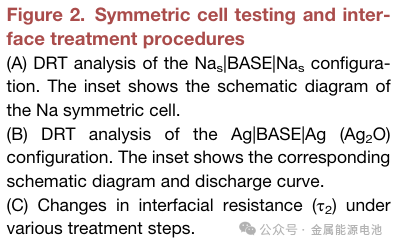
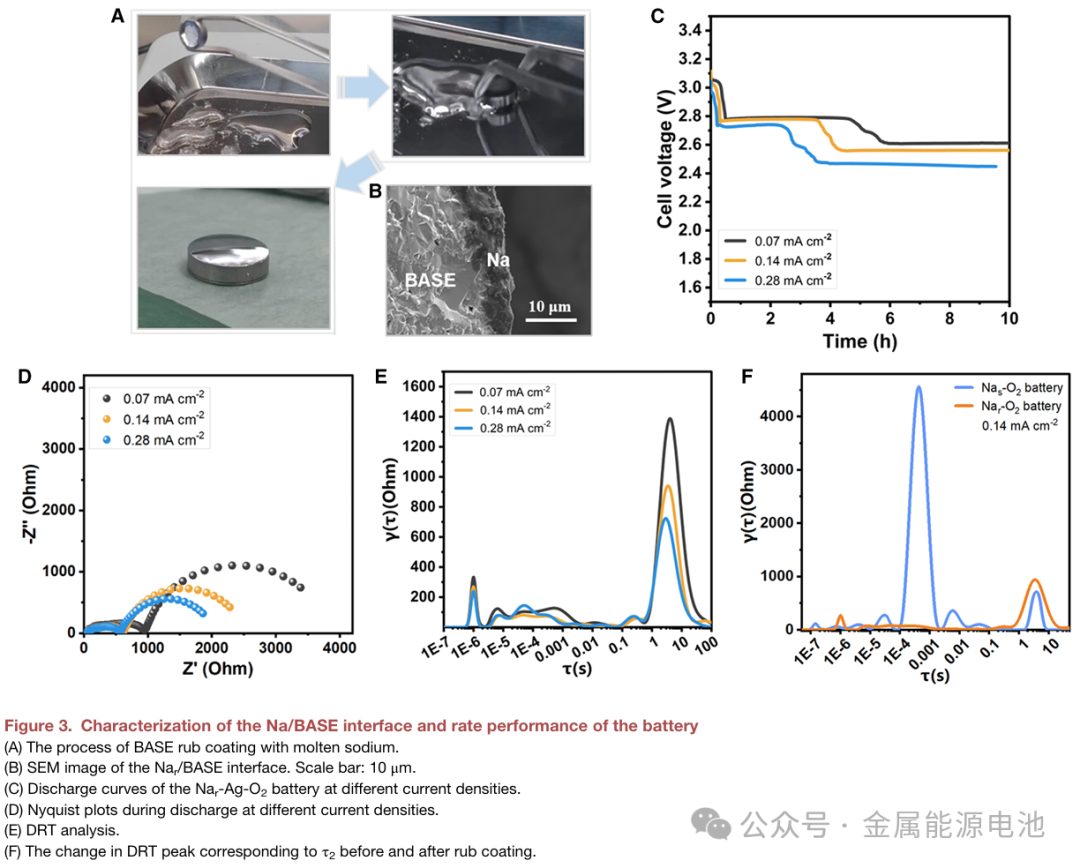
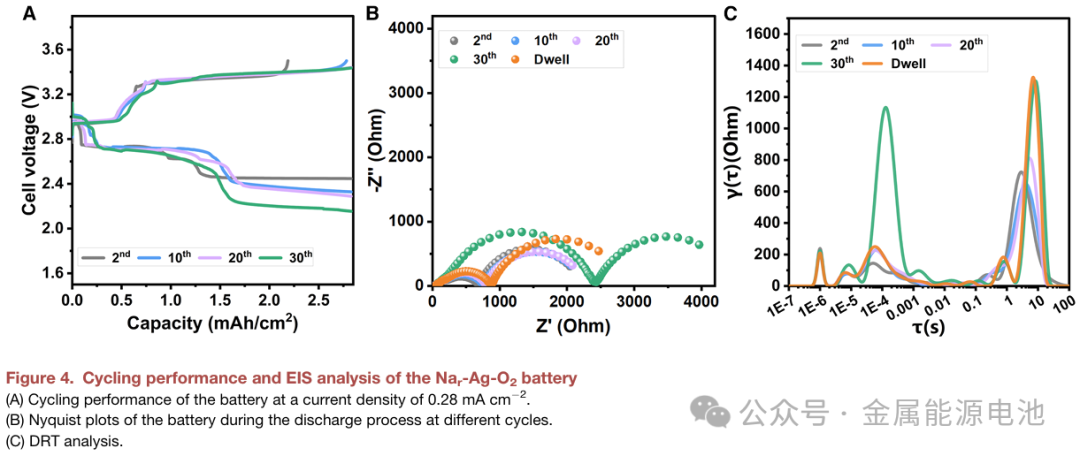
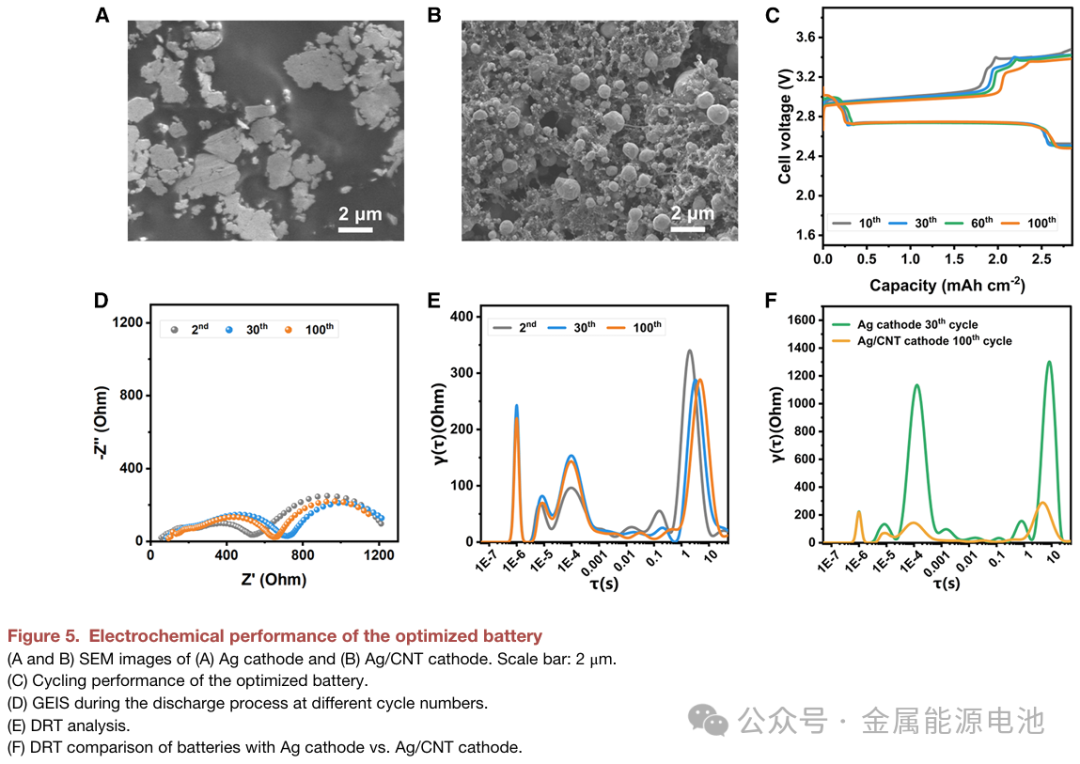
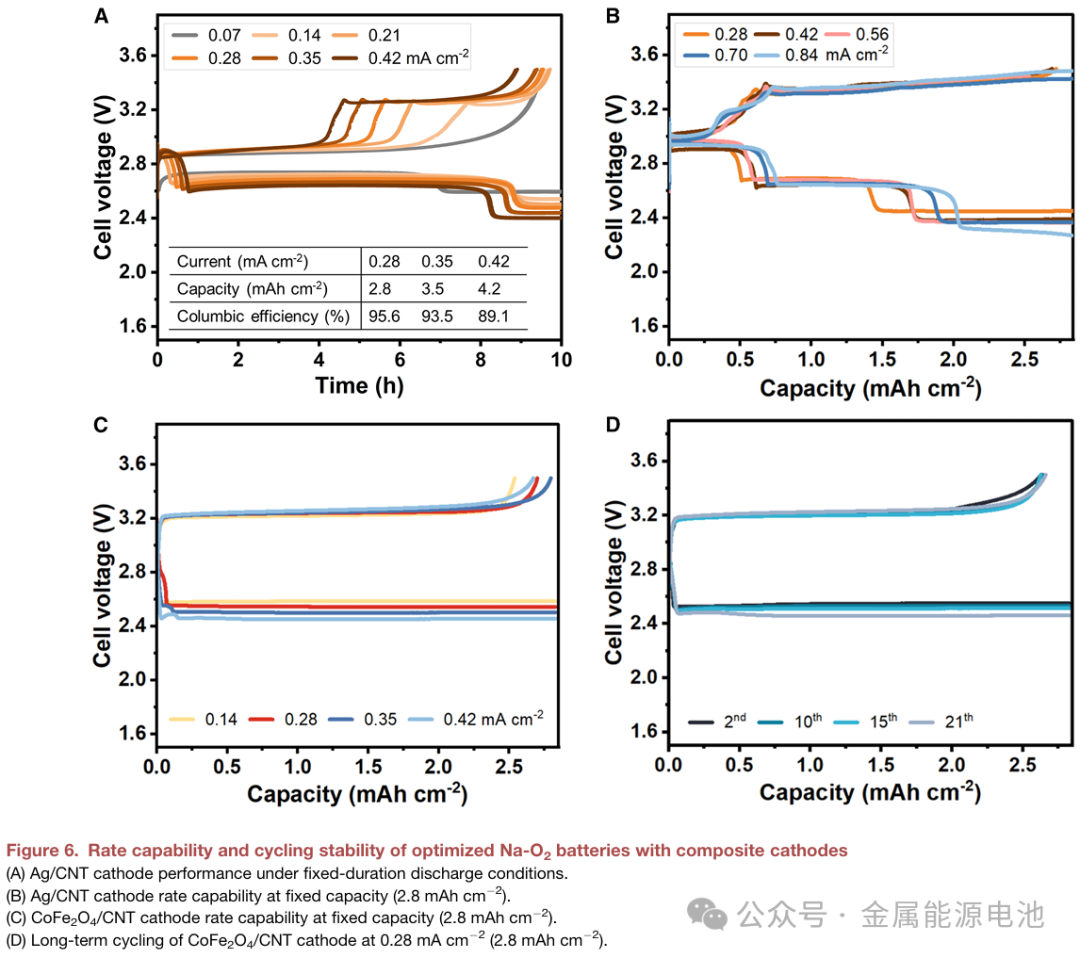
All-solid-state Na-O2 batteries exhibit high energy density and safety, but suffer from poor rate performance and short cycle life.This study utilizes electrochemical impedance spectroscopy (EIS) combined with distribution of relaxation times (DRT) analysis to identify key performance limiting factors.The results indicate that insufficient contact at the Na metal anode/solid electrolyte (SE) interface is the main bottleneck. By employing a friction coating technique to improve Na/SE interface contact, significant performance enhancements were achieved. Additionally, using silver/carbon nanotube composites as cathode materials further optimized the system, extending the cycle life. The optimized battery achieved a capacity of up to 4.2 mAh cm−2, with a current density of 0.84 mA cm−2, and stable cycling over 100 times at a current density of 2.8 mAh cm−2, achieving an energy efficiency of up to 90%.
These findings not only deepen the understanding of all-solid-state Na-O2 batteries but also provide a strategic framework for optimizing solid-state electrochemical systems.
[Experimental Methods]
Preparation of Silver Cathode: 50 wt% silver nanoparticles (100 nm plate-like), 20 wt% n-butyl acetate, 20 wt% 1-methoxy-2-propanol acetate, and 10 wt% acrylic resin. The silver particles and acrylic resin powder were mixed with solvents (n-butyl acetate and 1-methoxy-2-propanol acetate), sonicated for 2 hours, and then mechanically agitated for 30 minutes to ensure uniform dispersion of silver nanoparticles, resulting in a homogeneous silver paste. The paste was then spin-coated on the BASE surface at 6,000 rpm for 1 minute and dried in an oven at 70°C for 20 minutes.
Preparation of Silver/Carbon Nanotube Cathode: Silver particles (10 nm, spherical), multi-walled carbon nanotubes, polytetrafluoroethylene (PTFE), and polyethylene oxide (PEO) were mixed in a mass ratio of 7:2:1:1. The mixture was dissolved in an appropriate amount of ethanol, sonicated for 2 hours, and then mechanically agitated for 30 minutes to form a uniform slurry. The slurry was heated under an infrared lamp to 70°C and repeatedly ground in a mortar until a paste was formed. The paste was rolled into thin sheets, dried at 70°C for 1 hour to remove residual ethanol, and then sintered in a muffle furnace at 350°C for 2 hours. Finally, the sintered composite sheet was pressed into discs with a diameter of 6 mm, resulting in a loading of 3.6-4 mg of silver/carbon nanotube cathode.
Preparation of CoFe2O4/CNT Cathode: The preparation method for CoFe2O4/CNT cathode is the same as that for the Ag/CNT cathode, except that CoFe2O4 particles (100 nm) are used instead of silver particles.
[Figures and Images]
[Main Conclusions]
In summary, through systematic experimental validation based on EIS-DRT analysis, it was found that the key factors limiting the rate performance and cycle stability of all-solid-state Na-O2 batteries are the Na metal/electrolyte interface and the gas diffusion process within the cathode. The EIS-DRT method serves as a powerful diagnostic tool capable of precise deconvolution analysis of complex electrochemical processes (including Na+ ion conduction, interfacial charge transfer, and gas diffusion kinetics), providing deep insights into the impedance contributions in solid-state systems. As a complement to this analytical method, experiments employed friction-coated sodium to enhance interface contact and designed a porous CNT cathode to optimize gas transport, both of which were validated through rigorous experimental testing. The resulting all-solid-state Na-Ag-O2 battery achieved outstanding performance metrics, including a high capacity of 4.2 mAh cm−2, a current density of 0.84 mA cm−2, and over 100 stable cycles at 0.28 mA cm−2, with a capacity retention of 2.8 mAh cm−2, and energy efficiency exceeding 90%. Furthermore, replacing the expensive Ag cathode with cost-effective CoFe2O4 can produce Na-O2 batteries with excellent rate performance and cycle stability. The CoFe2O4 system maintains a discharge plate voltage above 2.45 V and a charge plate voltage above 3.25 V at a current density of 0.14–0.42 mA cm−2 (fixed capacity: 2.8 mAh cm−2), while demonstrating stable operation for over 400 hours at 0.28 mA cm−2.
This study demonstrates the potential of combining advanced diagnostic methods such as EIS-DRT with targeted materials and interface engineering strategies to overcome key challenges in solid-state battery systems. The methodological framework established in this paper not only provides a blueprint for optimizing all-solid-state batteries but also sets a precedent for the application of EIS-DRT in the rational design and development of next-generation energy storage technologies.