Elon Musk’s 2025 Predictions: A Comprehensive Analysis of Future Blueprints
Exploring the six major future plans revealed by Musk at CES, from the AI revolution to Mars colonization.
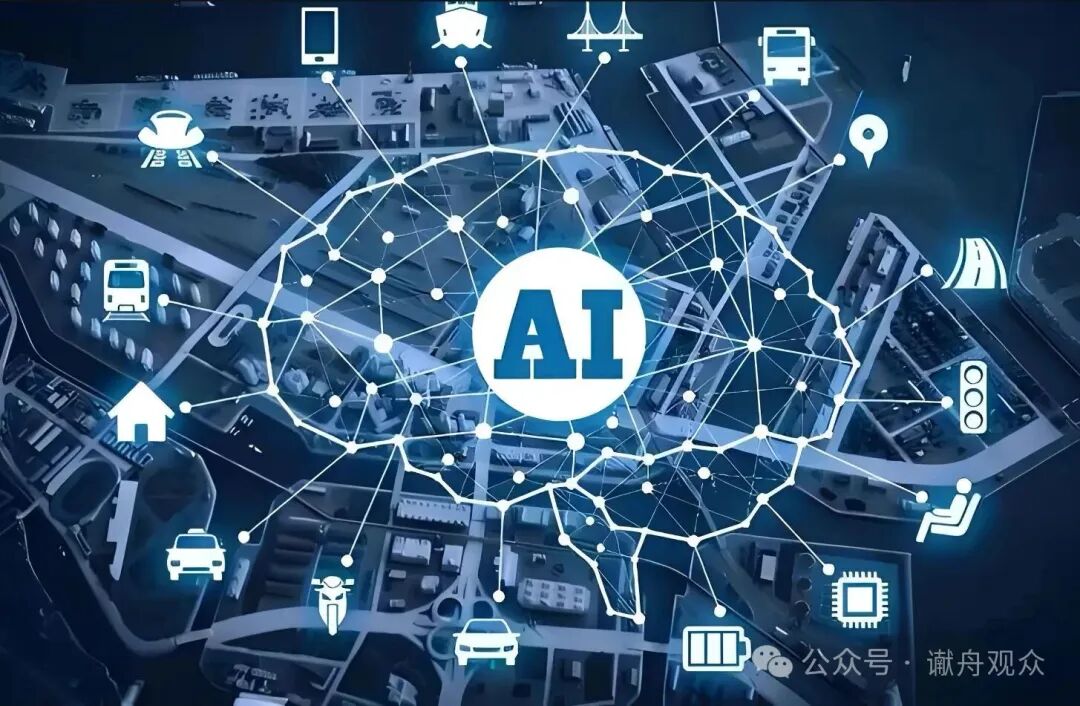
Part One: AI Will Be the Greatest Transformation in Human History
Musk opened with a powerful statement: “I don’t want to surprise you, but I am sure AI will become very powerful.”
Current AI systems are already capable of passing various professional exams, outperforming over 80% of doctors in medical diagnostics, especially in the field of image analysis, where they are more accurate than many seasoned experts.
More importantly, Musk mentioned a significant fact: last year, AI achieved a historic breakthrough—it learned all the knowledge accumulated by humanity, including all books, the internet, and valuable video content.
Musk predicts that within the next 3 to 4 years, AI will be able to perform almost all cognitive tasks, except for physical labor.
Part Two: Tesla’s Humanoid Robot Optimus
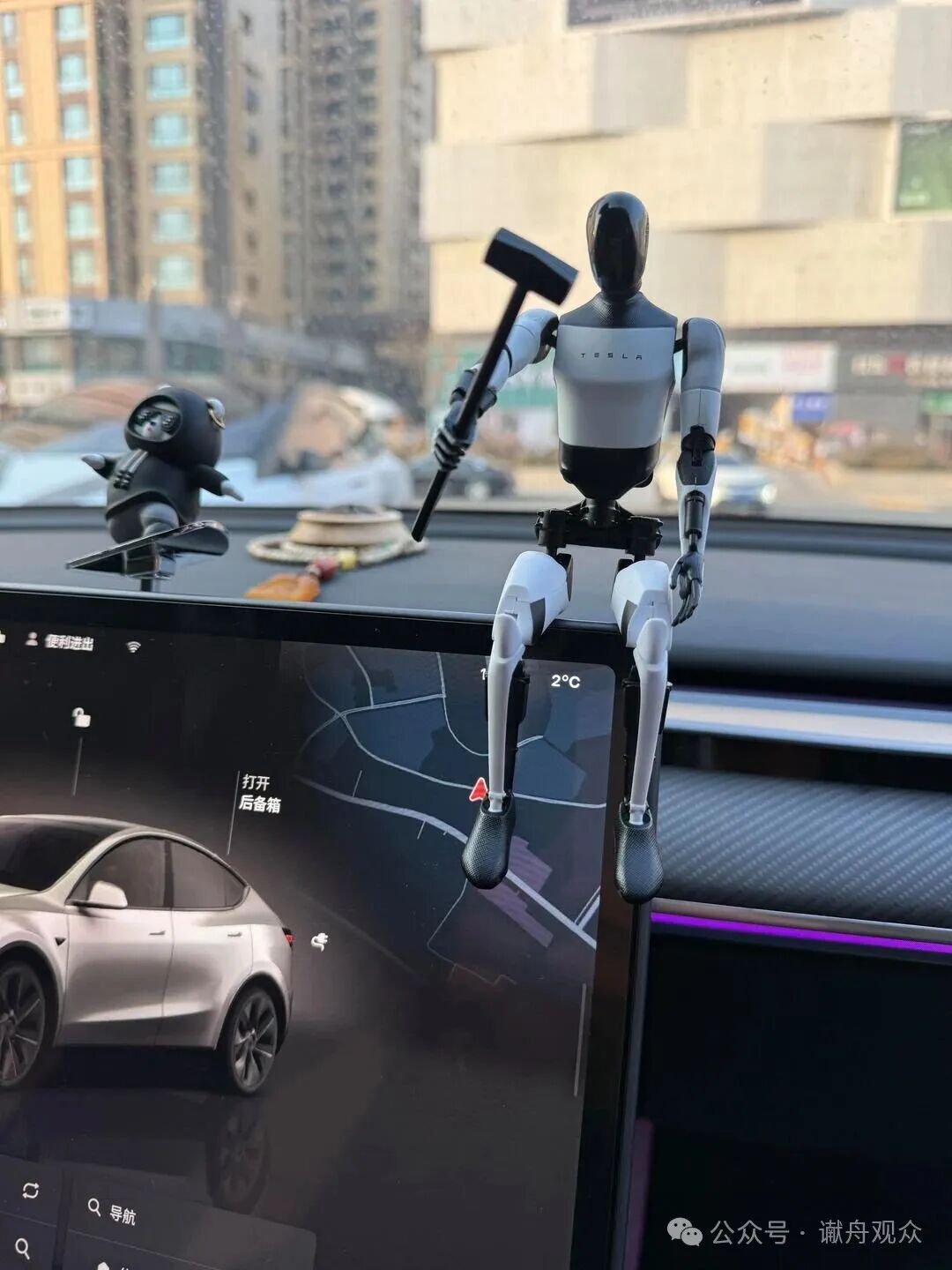
Musk’s exact words were: “Therefore, robotics will also be a key factor. AI needs to perform actual tasks, not just think in data centers.”
In the field of robotics, Musk displayed unprecedented confidence. He stated that Optimus will become the most significant product in history, more important than any other product.
Musk also mentioned specific production plans for Optimus: starting with a few hundred to a few thousand units this year, increasing to 50,000 to 100,000 units next year, and then scaling up tenfold to 500,000 to 1 million units the year after.
Moreover, Musk predicts that the number of robots may exceed that of humans, reaching 3 to 5 times the human population—meaning there could be billions of robots on Earth.
Part Three: Major Breakthroughs in Autonomous Driving
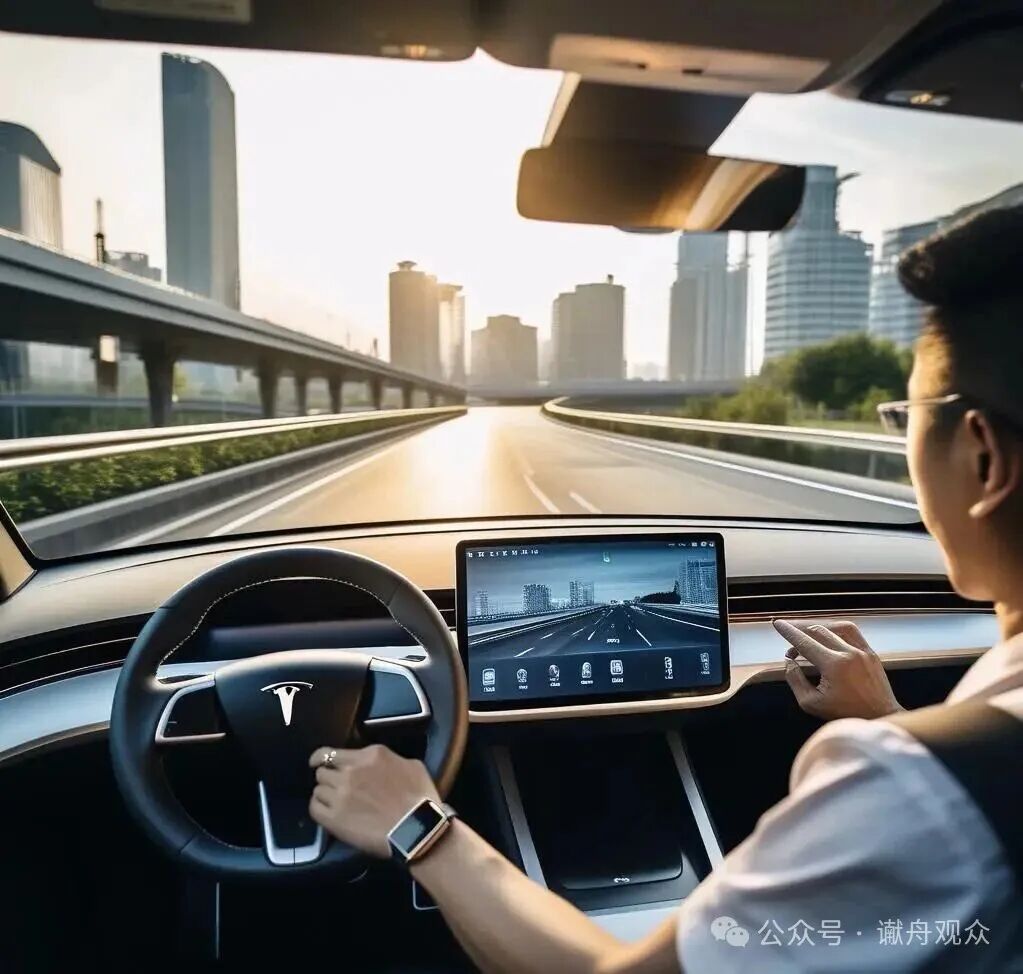
Musk announced that by the second quarter of this year, Tesla’s autonomous driving system will be ten times safer than human drivers. In just a few months, we will witness this historic moment.
Even more surprising is that Tesla achieved this goal without relying on expensive lidar, unlike other companies. Musk explained: “If humans can drive with just two eyes, why does AI need lidar? Our AI vision system has surpassed human perception capabilities.”
He also revealed that Tesla’s autonomous driving system processes over 100 million instances of human intervention data daily, continuously training and improving the AI system to make it safer.
Part Four: Brain-Computer Interfaces Will Change the Direction of Human Evolution
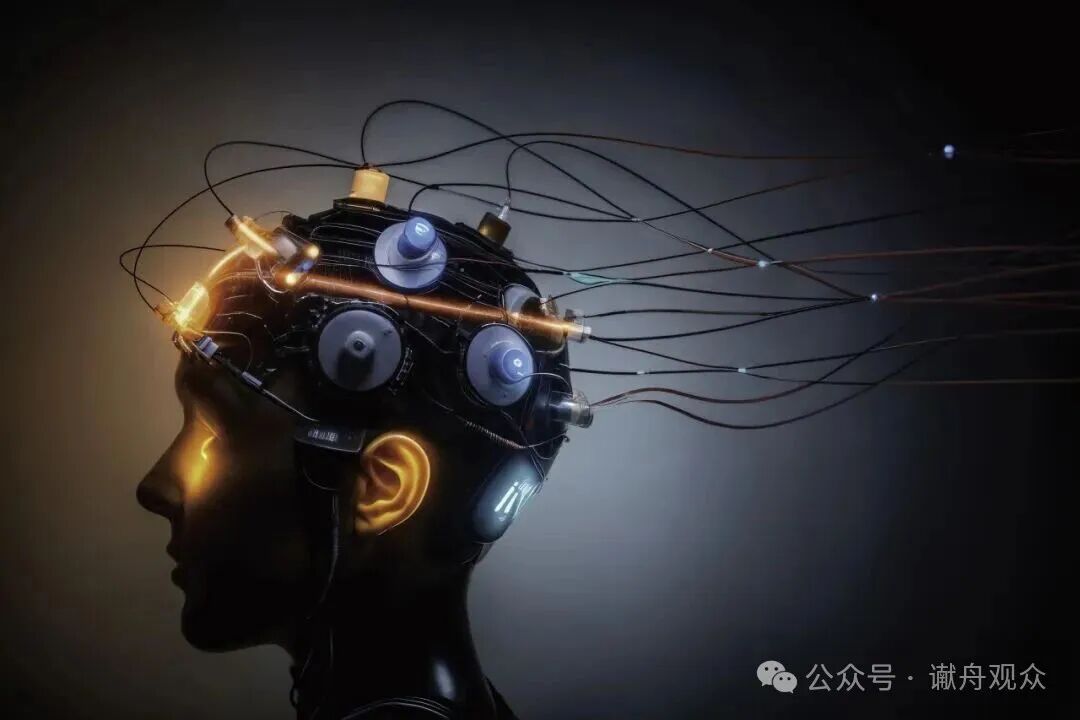
When asked if he could see direct brain communication technology in his lifetime, Musk responded affirmatively. He mentioned that three patients have already had Neuralink devices implanted, and everything is functioning well.
By 2025, they plan to implant body versions of the Neuralink device in 20 to 30 patients. The first phase’s goal is clear: to assist patients who have lost the connection between their brains and bodies, such as those with paralysis or amputations.
In the long term, Neuralink’s ultimate goal is to enhance human information transmission bandwidth. Musk explained that the current communication bandwidth of humans is quite low, but with Neuralink, this number could increase by 1,000 times or even 1 million times.
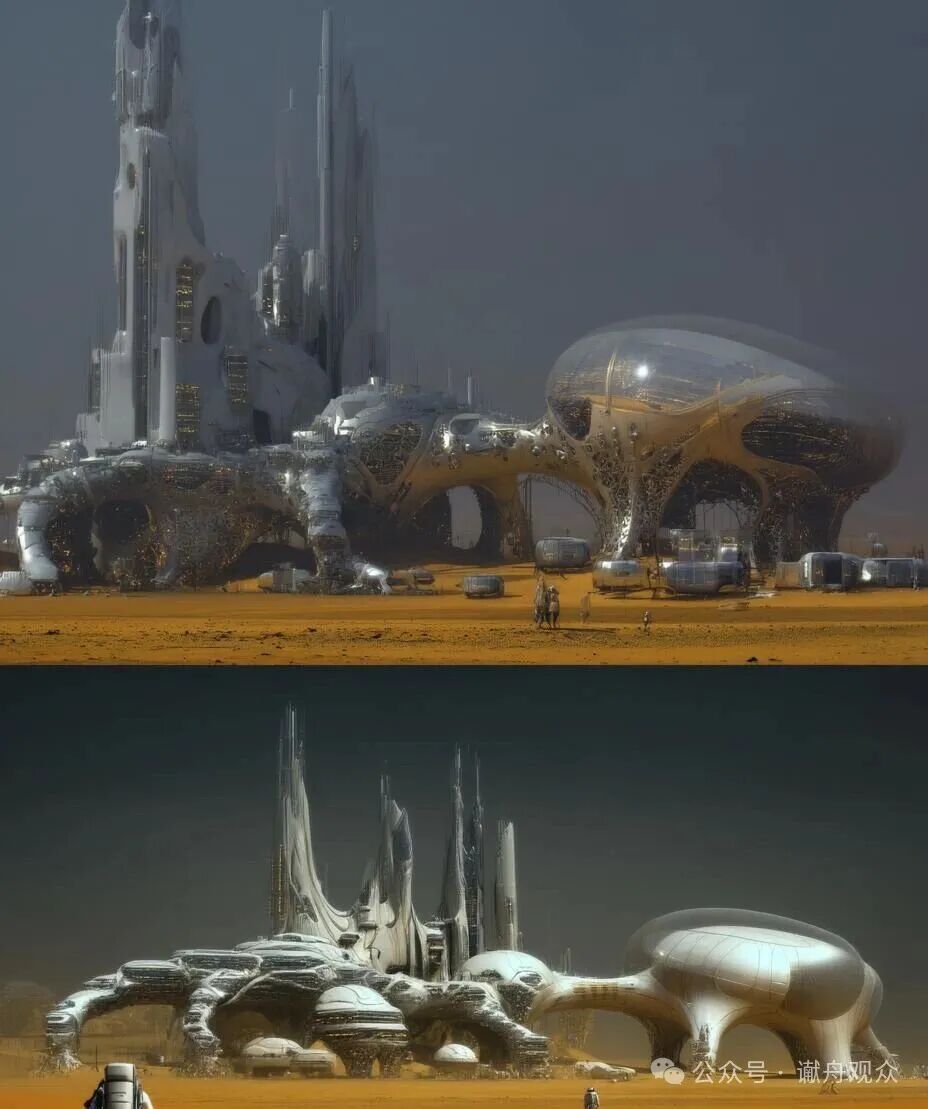
Part Five: Mars Colonization, a New Starting Point for Human Civilization
This is Musk’s most visionary plan, one that many still struggle to understand. However, Musk’s belief is that Earth civilization must become a multi-planetary civilization; this is not a choice, but a necessity.
Regarding the timeline, Musk stated: “I believe we can launch the first unmanned spacecraft to Mars within two years. The orbits of Earth and Mars synchronize every two years, and we are currently at a synchronization point, with the next one occurring in about two years.”
The key to the first mission is to ensure that the Starship can land safely, rather than increasing the number of craters on the Martian surface. If the Starship lands successfully, the next mission could potentially send humans to Mars.
In Musk’s view, this is not a commercial project but a matter of human civilization’s survival. “From a broader perspective, one of the criteria for evaluating a civilization is whether it is limited to a single planet or has become a multi-planetary civilization.”
Part Six: The Future is Here, Where Do We Go from Here?
At the end of this interview, Musk posed a profound question: when AI and robots can perform all tasks, what will be the meaning of human life?
However, Musk remains remarkably optimistic about this future. He stated that at that time, humans will not need to work, but will enter an era of universal high income, as AI and robots will create immense wealth, allowing everyone to live better lives.
After listening to this interview, I suddenly understood Musk’s overall layout: AI is the engine, robots are the body, autonomous driving is the breakthrough, brain-computer interfaces are human evolution, and Mars colonization is preserving the flame—he is simultaneously crafting a future and a backup plan for human civilization.
This is not just a technological advancement; it is a significant transformation of human society. We are entering a new era, an AI-driven era, a time of coexistence between humans and machines.
The future is here, are we ready?