1. Flight Control Technology
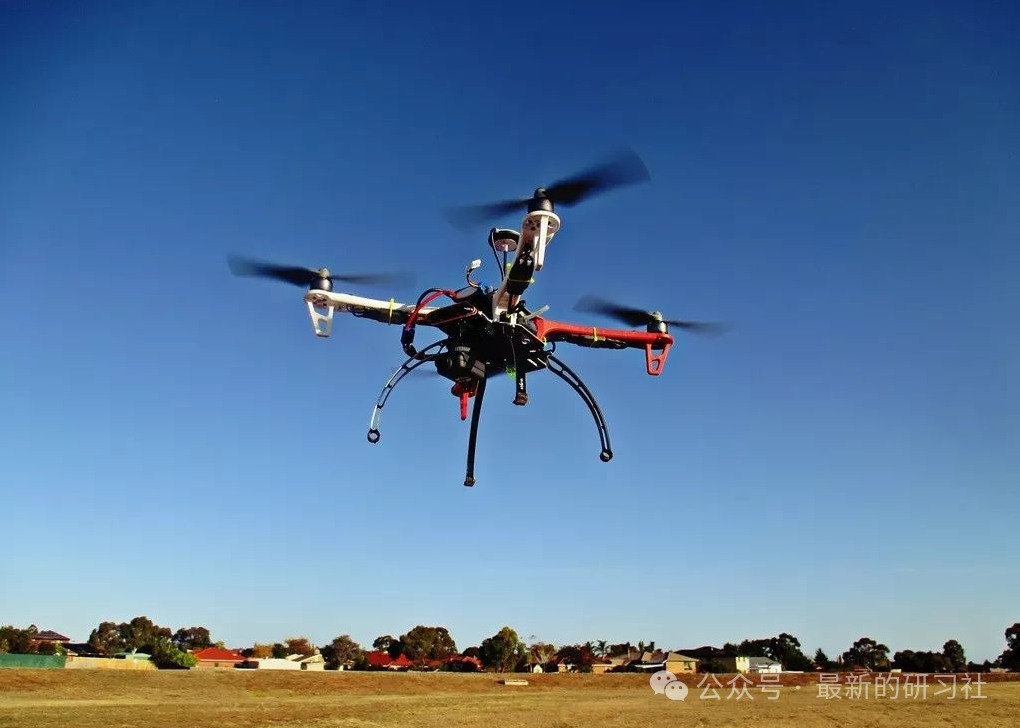
Flight control technology is one of the core key technologies of drones, ensuring stable and safe flight in complex environments. The flight control system of a drone consists of sensors, flight controllers, and actuators, enabling autonomous flight, navigation, positioning, and obstacle avoidance. Among these, sensors include gyroscopes, accelerometers, barometers, and cameras, which are used to perceive the drone’s attitude and position; the flight controller is the “brain” of the drone, responsible for processing sensor data and controlling the drone’s attitude and position through actuators.
2. Sensor Technology
Sensor technology is an important means for drones to perceive the external environment, including inertial measurement units, GPS/GLONASS/Galileo combined navigation systems, image sensors, and altitude barometric sensors. The inertial measurement unit provides information on the drone’s attitude and angular velocity; the GPS/GLONASS/Galileo combined navigation system provides location information; the image sensor provides image information of the surrounding environment; the altitude barometric sensor provides altitude information of the drone.
3. Communication Technology
Communication technology is the key technology for remote control and data transmission of drones, including radio communication and satellite communication. Radio communication is a commonly used method for drones, with advantages such as long transmission distance and high reliability; satellite communication enables global remote control and data transmission but is more expensive.
4. Battery Technology
Battery technology is the key technology for energy supply in drones, directly affecting their endurance and performance. Currently, commonly used batteries for drones include lithium-ion batteries and lithium polymer batteries, which have high energy density and long lifespan. In the future, with the continuous development of battery technology, the endurance of drones will be further improved.
5. Material Technology
Material technology is an important foundation for drone manufacturing, directly affecting performance and cost. Currently, the main materials for drones include aluminum alloys and carbon fiber composites, which have high strength and low weight. In the future, with the continuous development of new material technologies, the materials used in drones will become more diverse and their performance will be further enhanced.
6. Body Structure Design Technology: The body structure of the drone is the support and load-bearing part, involving stability, strength, and lightweight issues.
7. Navigation Technology: Navigation technology is key for precise positioning and navigation of drones, including various methods such as GPS navigation, Beidou navigation, inertial navigation, and terrain-assisted navigation.
8. Image Processing Technology: The images captured by the high-definition cameras mounted on drones need to be processed for various applications, including target detection, tracking, and recognition.
9. Data Processing Technology: The data collected by drones needs to be processed and analyzed to realize its value, including image data processing and flight data processing.
10. System Integration Technology: Drones are highly integrated systems that involve multiple disciplines, including mechanics, electronics, control, and communication. These technologies and components need to be effectively integrated to ensure the normal operation of the drone.