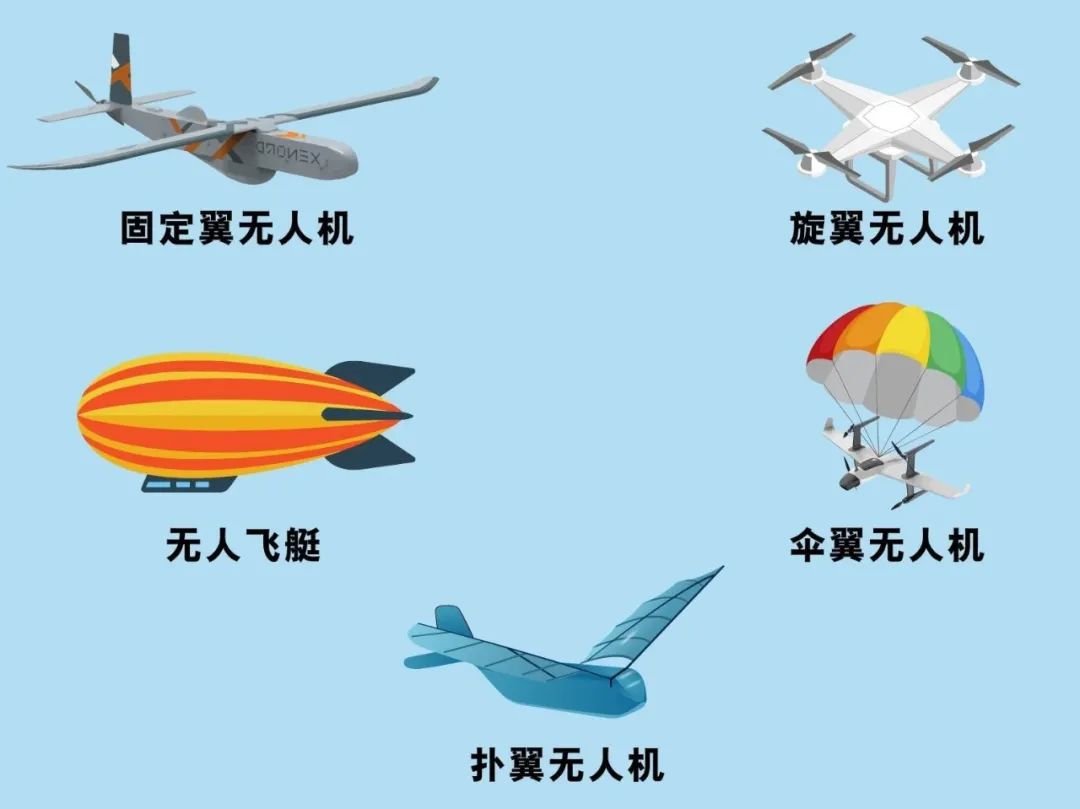
Click the above “Mechanical and Electronic Engineering Technology” to follow us Drones, a term that sounds full of technological flair, have now flown into the lives of ordinary people. From aerial photography to delivery services, and agricultural monitoring, drones are everywhere. But do you know how drones fly? How are their structures designed? Today, let us unveil the mysterious veil of drones.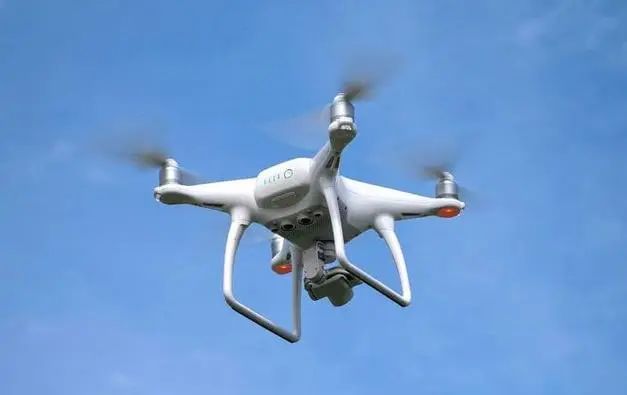 Drones, fully known as Unmanned Aerial Vehicles (UAVs), are uncrewed aircraft operated by radio remote control devices and self-contained program control devices. Depending on their structure and purpose, drones can be classified into various types such as unmanned helicopters, fixed-wing aircraft, multirotor aircraft, and unmanned airships. Regardless of the type of drone, their core principle is similar: achieving autonomous flight through power systems and flight control systems.
 The power system of a drone is like its heart, providing a continuous source of power throughout the flight process. The core components of the power system mainly include motors (or internal combustion engines), batteries (or fuel), and propellers.
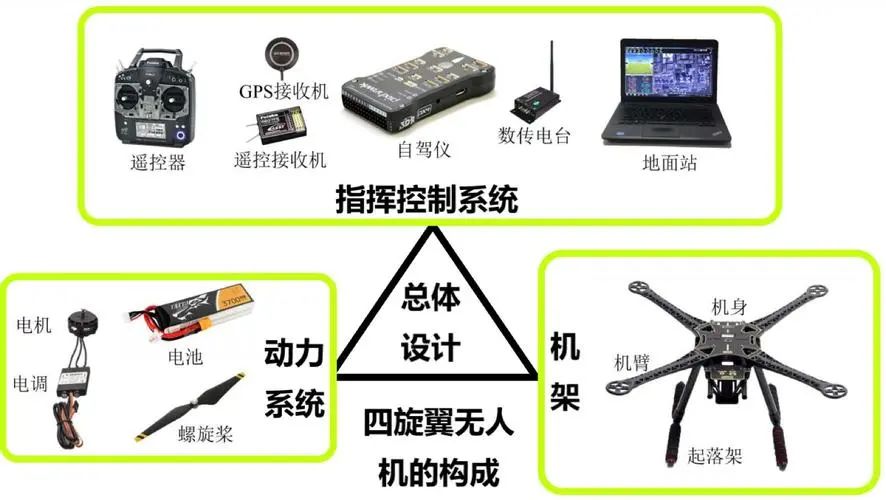 Motors and Propellers: Most consumer-grade drones use brushless direct current motors (BLDC), which have the advantages of high efficiency, low noise, and long lifespan. Propellers are key to aerodynamic design, generating lift through rotation. When the motor drives the propeller to spin rapidly, air is pushed downwards, and according to Newton’s third law, the drone gains upward thrust, allowing it to ascend.
 Batteries and Endurance: The battery is the energy source of the drone, determining its flight time and distance. Currently, mainstream drone batteries are mostly lithium batteries, characterized by high energy density and light weight. However, battery endurance remains an important factor limiting the development of drones. With advancements in battery technology, the endurance of drones is expected to improve significantly in the future. If the power system is the body of the drone, then the flight control system is its brain. The flight control system uses built-in sensors, controllers, and algorithms to perceive the state of the drone in real-time and make corresponding adjustments to ensure stable flight and task completion.Sensors: Drones are equipped with various sensors such as gyroscopes, accelerometers, barometers, and GPS, which can sense information like the drone’s attitude, speed, altitude, and position, transmitting the data to the controller.
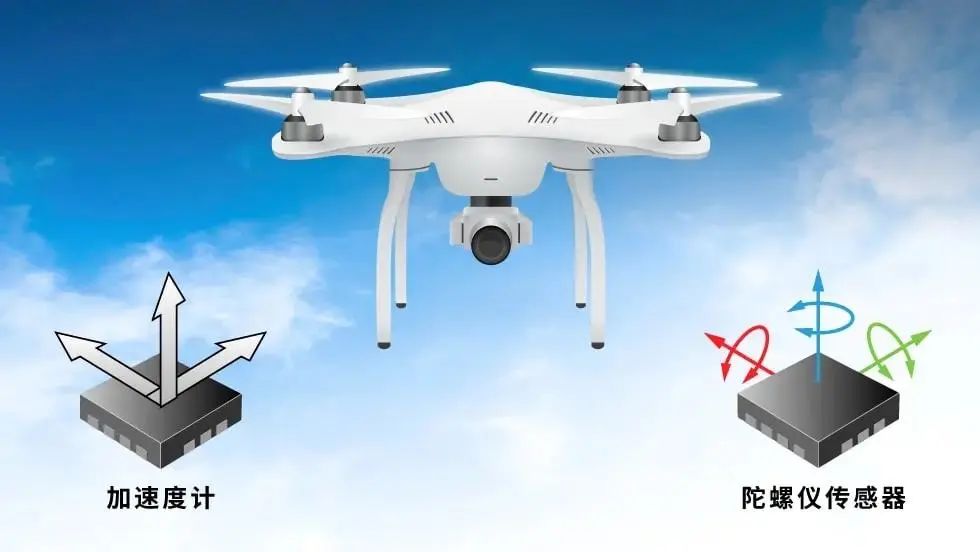 Controller: The controller is the core of the flight control system. It calculates the control commands for the drone based on data received from the sensors, combined with preset flight algorithms, and controls the motor speed through electronic speed controllers (ESCs), thereby adjusting the drone’s flight attitude and speed.Algorithms: Flight control algorithms are key to the autonomous flight of drones. These algorithms encompass various aspects such as attitude control, position control, and speed control, ensuring that the drone maintains stable flight in various environments through complex mathematical calculations and logical judgments. The structural design of the drone is the physical foundation for stable flight. Generally, the structure of a drone mainly consists of the airframe, power system, flight control system, remote controller, and gimbal camera.Airframe: The airframe is the skeleton of the drone, bearing the weight of the entire flight system. The design of the airframe needs to balance lightweight and strength, reducing the load of the drone and improving its flight efficiency. Common materials for airframes include carbon fiber and aluminum alloy.Power System Layout: Multirotor drones typically use quadcopter, hexacopter, or octocopter layouts, with a motor and propeller mounted on each axis. This layout allows the drone to perform various flight maneuvers such as hovering, ascending, descending, moving forward, backward, and lateral shifting.Gimbal Camera: For aerial photography drones, the gimbal camera is an essential component. The gimbal, through built-in motors and algorithms, can stably maintain the camera’s shooting direction, allowing for clear and stable images even in cases of severe drone shaking.
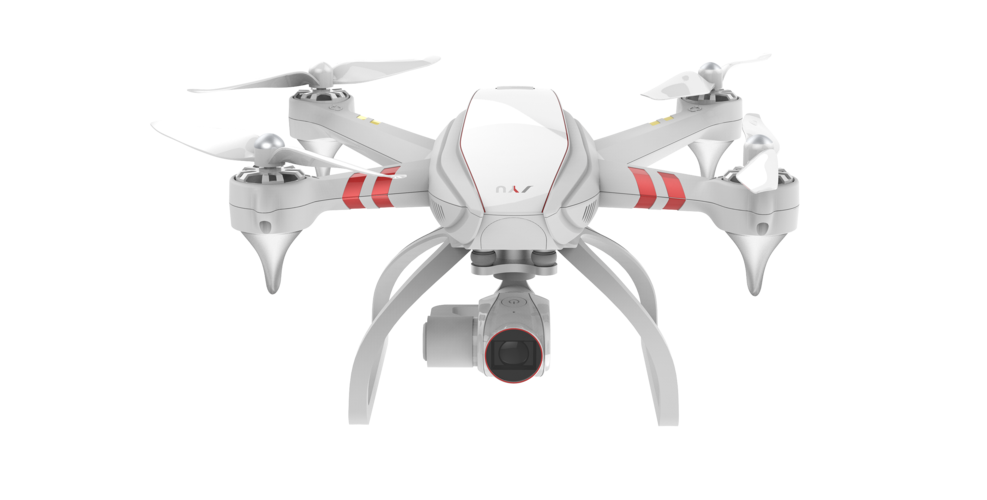 The principle of drone flight is not complicated; simply put, it relies on the coordinated work of the power system and flight control system. When the drone takes off, the power system activates, and the motor drives the propeller to rotate, generating lift. When the lift exceeds the weight of the drone, the drone begins to ascend. During flight, the flight control system perceives the drone’s state through sensors and adjusts the motor speed and propeller angle in real time to maintain stable flight.
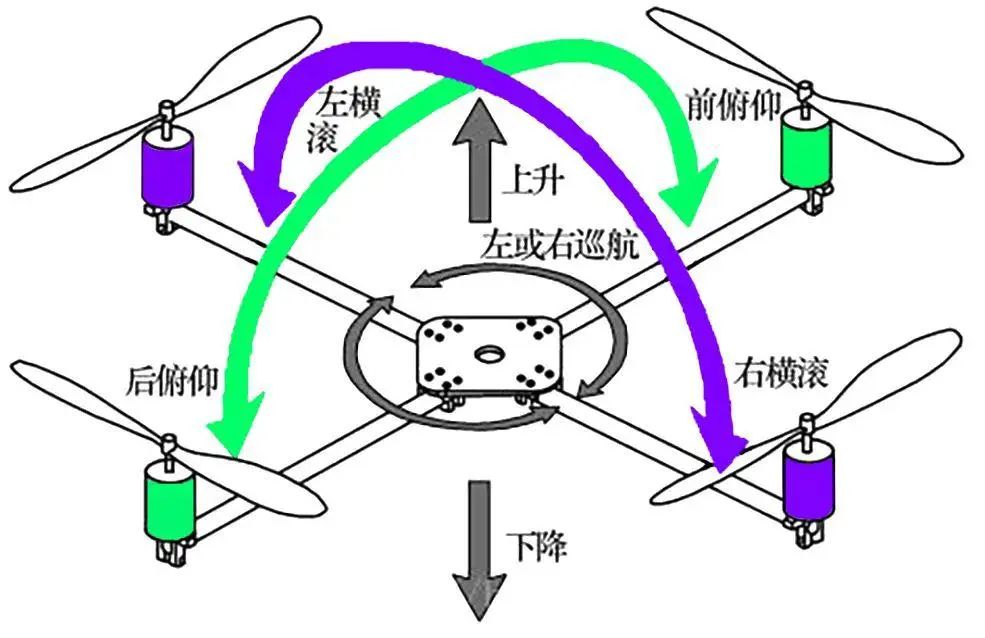 The actions of hovering, ascending, and descending are achieved by adjusting the speed and angle of the propellers. For instance, when the drone needs to hover, the speeds of the four propellers will remain consistent, generating lift equal to the weight of the drone, thus achieving stable hovering. When ascent is needed, the propeller speed increases, generating more lift, and the drone begins to rise. Conversely, when descent is required, the propeller speed decreases, and lift correspondingly reduces, causing the drone to descend. With continuous technological advancements and decreasing costs, the application fields of drones are becoming increasingly broad. In photography, drones can capture unique perspectives that traditional cameras cannot; in agriculture, drones can perform precise fertilization and pest control tasks; in rescue operations, drones can quickly reach disaster areas for reconnaissance and supply delivery.
Want to learn more?
Quickly scan the code to follow us