Classification of Drone Models
The related technologies of drones are developing rapidly both domestically and internationally, leading to a wide variety of drone systems with distinct uses. This results in significant differences in dimensions, weight, range, flight time, altitude, speed, and tasks. Due to the diversity of drones, various classification methods will arise based on different considerations.
According to the classification of flight platform configurations, drones can be divided into fixed-wing drones, rotary-wing drones, gliding drones, and flapping-wing drones.

Fixed-Wing Drones
A typical fixed-wing drone system consists of five main parts: the airframe structure, avionics system, power system, take-off and landing system, and ground control station.
The airframe structure is made up of a detachable modular body, which is convenient for transport and allows for quick assembly and take-off.

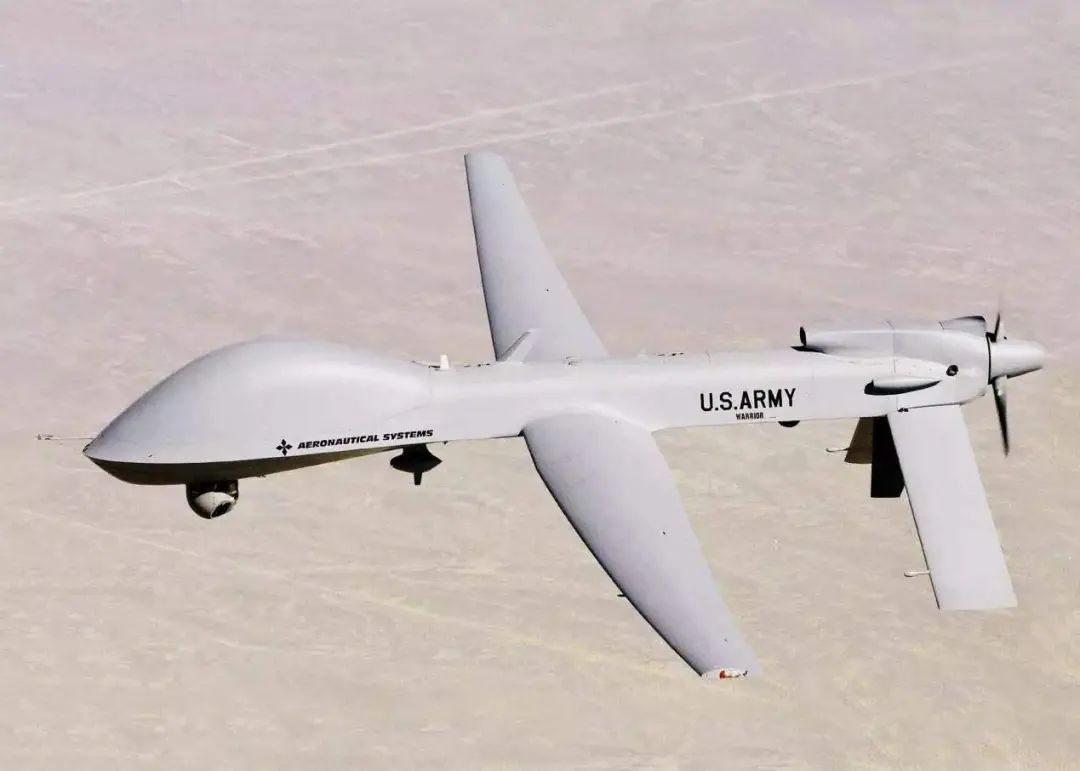
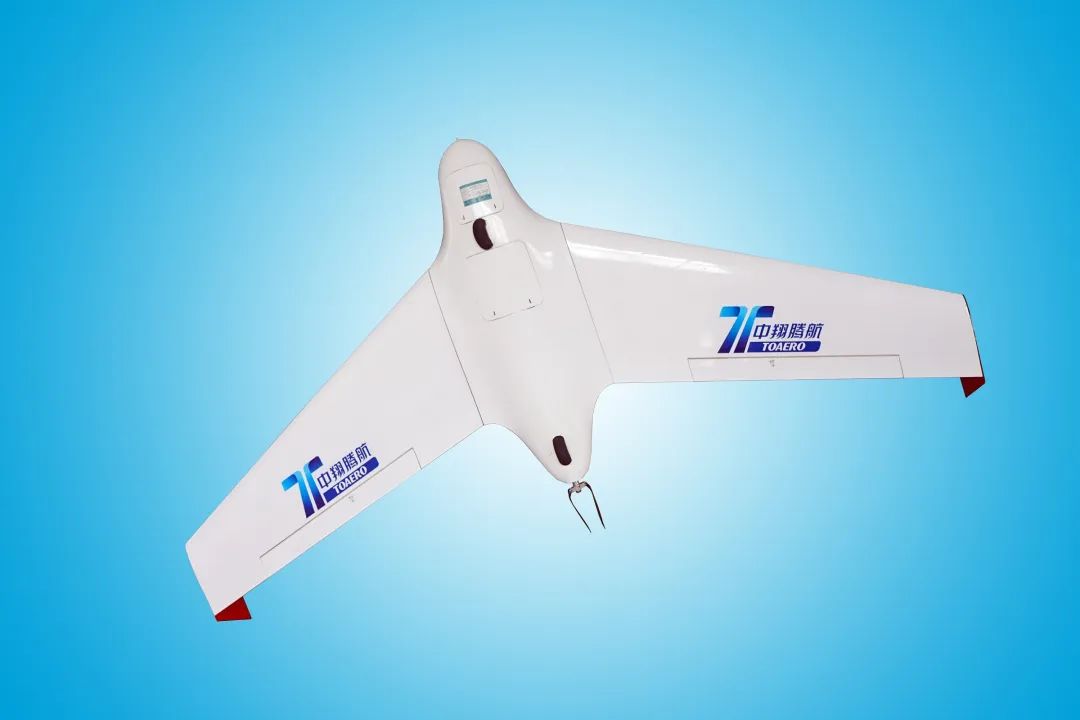
Fixed-wing drones are favored in the industry due to their excellent systems. They feature long endurance and high-altitude flight characteristics, and are currently widely used in surveying, geology, petroleum, agriculture, and forestry industries. It is believed that in the future, fixed-wing drones will have a broader market application prospect and will be more widely used.
Multi-Rotor Drones
The abbreviation for drones is UAV, which refers to aircraft that can fly autonomously or be remotely controlled without carrying an operator.
Multi-rotor drones are a special type of unmanned helicopter with three or more rotor axes. They generate lift thrust through the rotation of motors on each axis, propelling the rotors. The total distance of the rotors is fixed, unlike conventional helicopters which can vary. By changing the relative rotational speeds between different rotors, the thrust of a single axis can be adjusted, controlling the flight path of the aircraft.
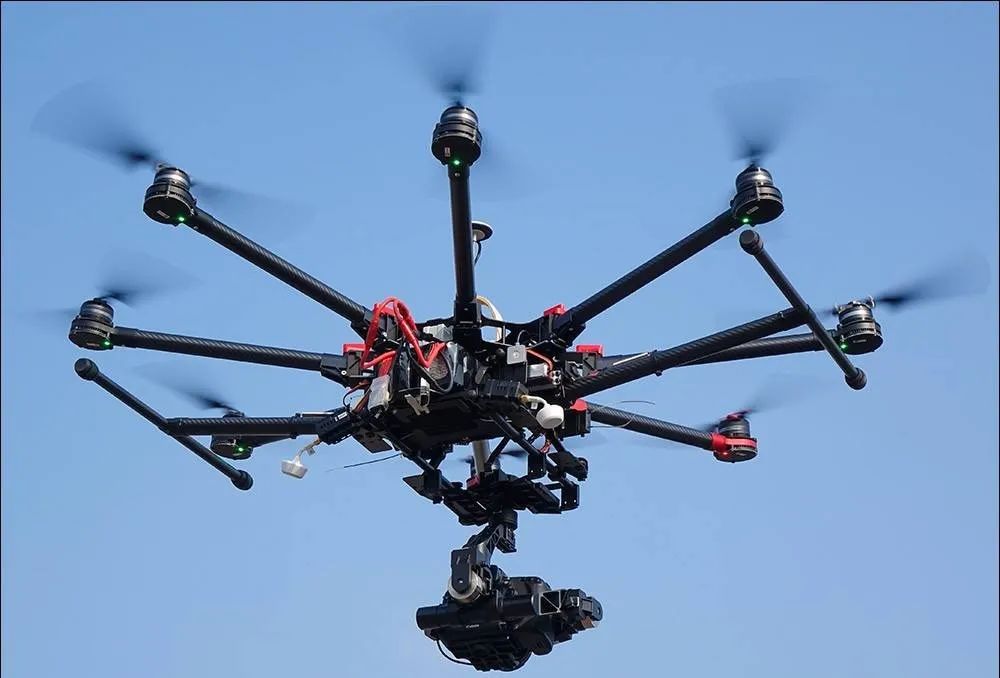
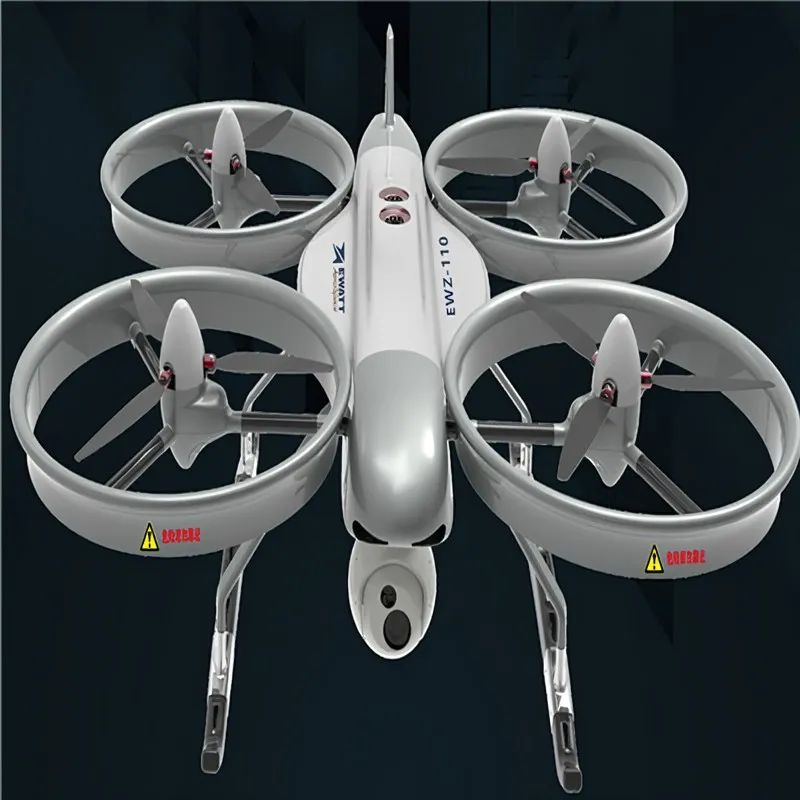
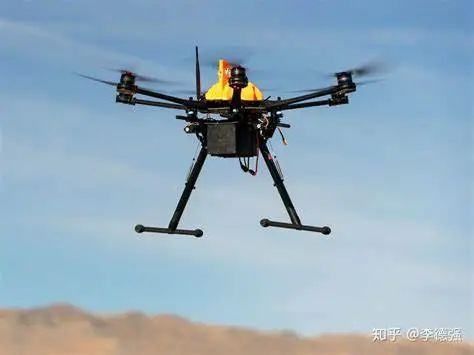
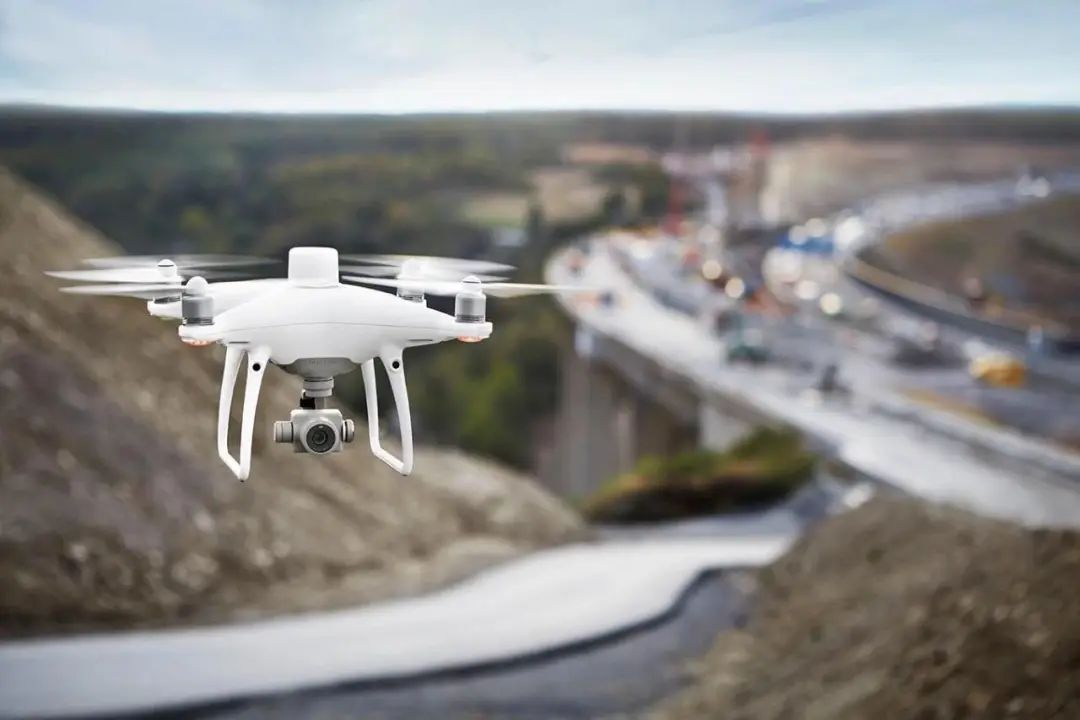
The drone system
consists of the drone flight platform, relevant remote control stations, necessary command and control data links, and any other components specified by the approved model design.
Rotary-wing drones
are highly maneuverable, capable of vertical takeoff and landing, and hovering, mainly suitable for low-altitude, low-speed tasks that require vertical takeoff and landing and hovering.
Flapping-Wing Drones
Flapping wings are an important structure of a new type of aircraft designed and manufactured based on the principles of biomimicry, imitating the flight of birds and insects. Compared to fixed-wing and rotary-wing drones, the main feature of flapping-wing drones is that they integrate lift, hovering, and propulsion functions into a single flapping-wing system. They can achieve long-distance flight with very little energy while also possessing strong maneuverability.
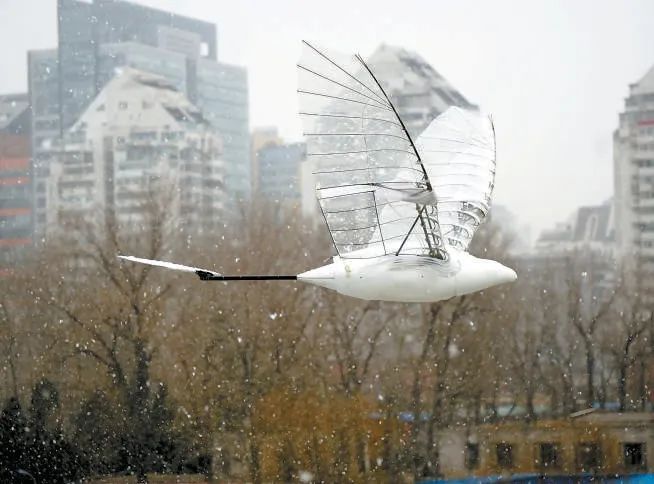
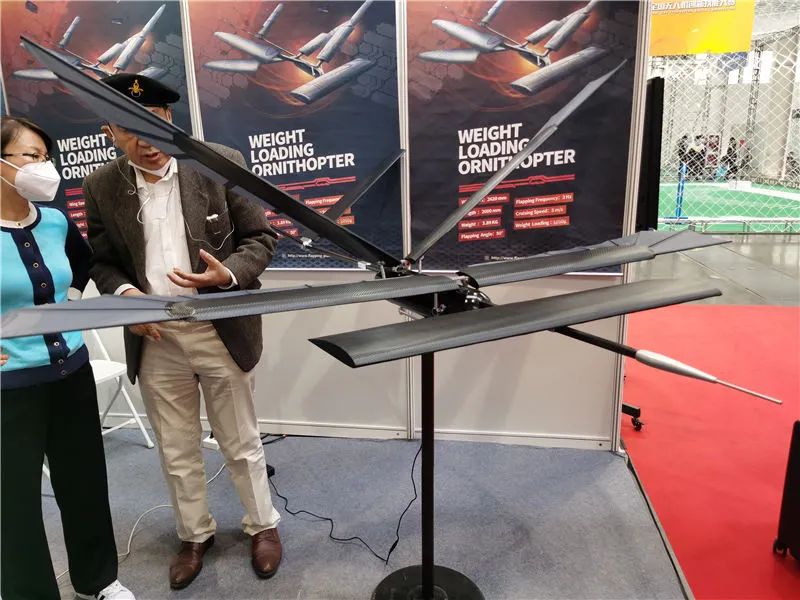

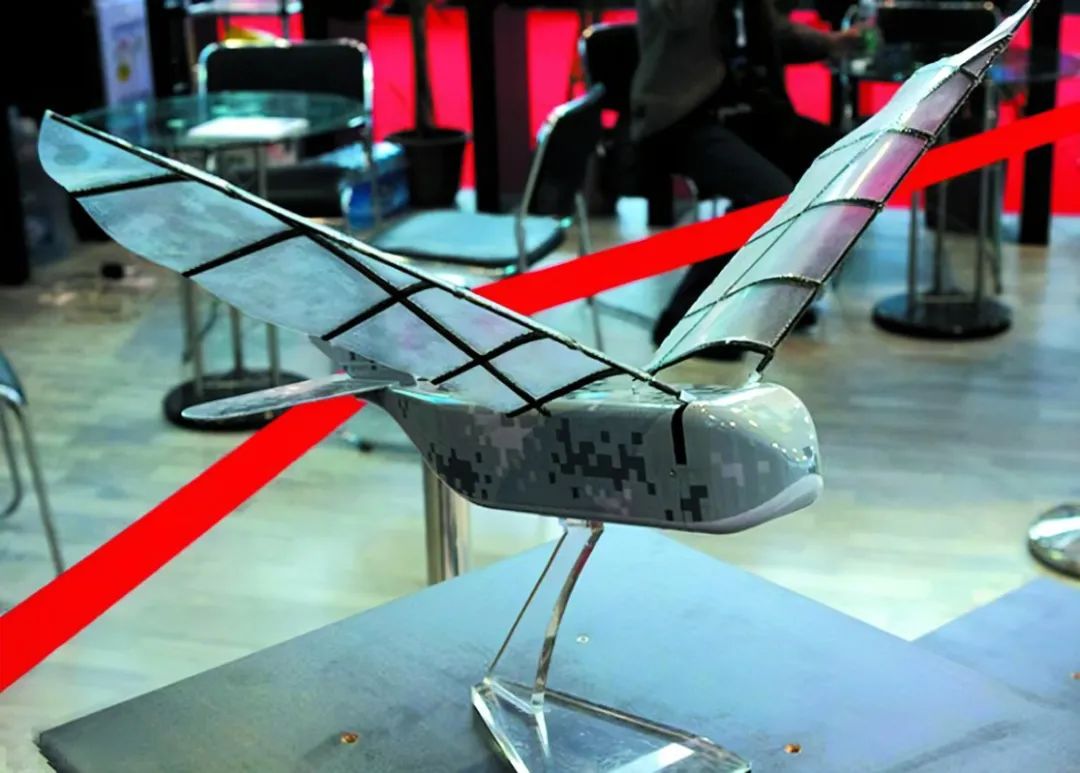
Flapping-Wing Drones
If this type of aircraft is successfully developed, it will have unique advantages compared to fixed-wing and rotary-wing flights: such as taking off from a small space, excellent flight maneuverability, and low flight costs. It integrates lift, hovering, and propulsion functions into a flapping-wing system and can achieve long-distance flight with very little energy, making it more suitable for tasks performed under long periods without energy replenishment and at long distances. All flying organisms in nature utilize flapping flight, which also inspires us. Furthermore, based on the results of biomimicry and aerodynamics research, it can be anticipated that when the wingspan is less than 15 cm, flapping flight will be more advantageous than fixed-wing and rotary-wing flight, and micro-biomimetic flapping-wing aircraft will undoubtedly dominate this research field.
——Some images and texts are sourced from the internet
END
Image and text editor: Lei Mingtao
Editor: Hu Yangxin
Reviewer: Teacher Wang Ping
Professional Introduction
Drone Application Technology Major
Mechatronics Technology Major
Photogrammetry and Remote Sensing Technology Major
General Aviation Maintenance Major


Drone
CIVILIZED CITY