Drone Beginner’s Science Popularization
Getting Started
Q
What is a drone?

A
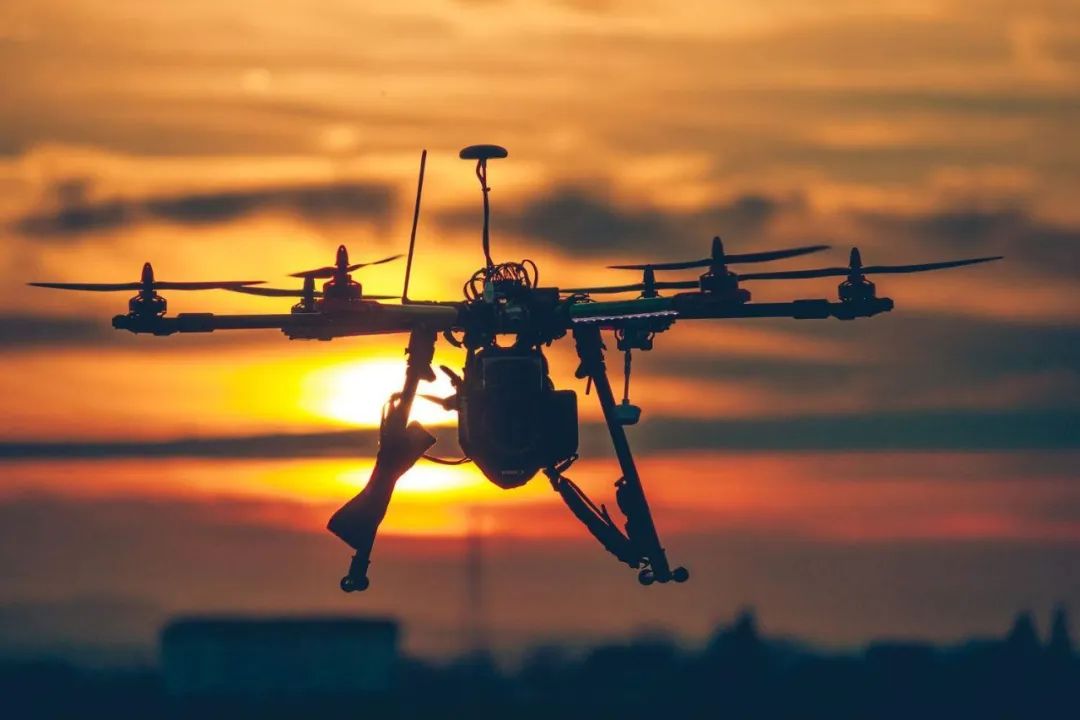
A drone is an unmanned aerial vehicle controlled by radio remote control devices or self-programmed control devices.

Q
What types of drones are there?
A
From a technical perspective, they can be divided into: unmanned helicopters, unmanned fixed-wing aircraft, unmanned multi-rotor aircraft, unmanned airships, and unmanned gliders.
Q
What is a multi-rotor drone?
A
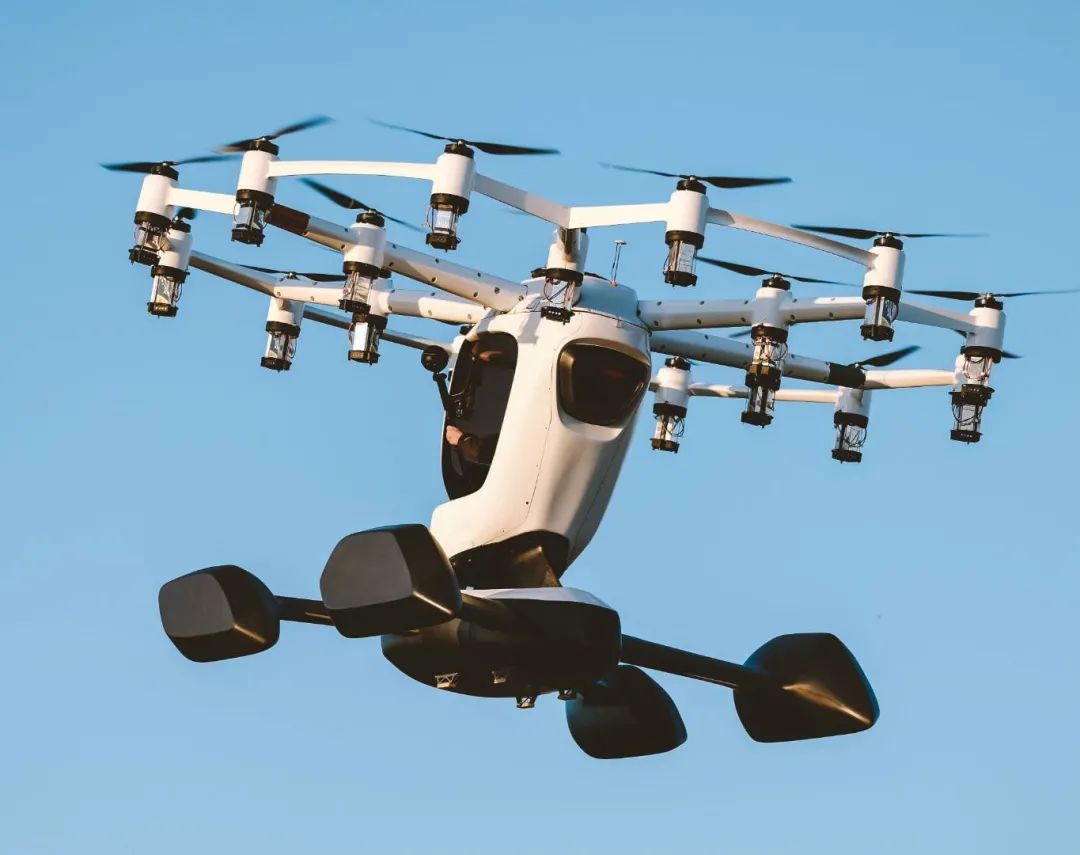
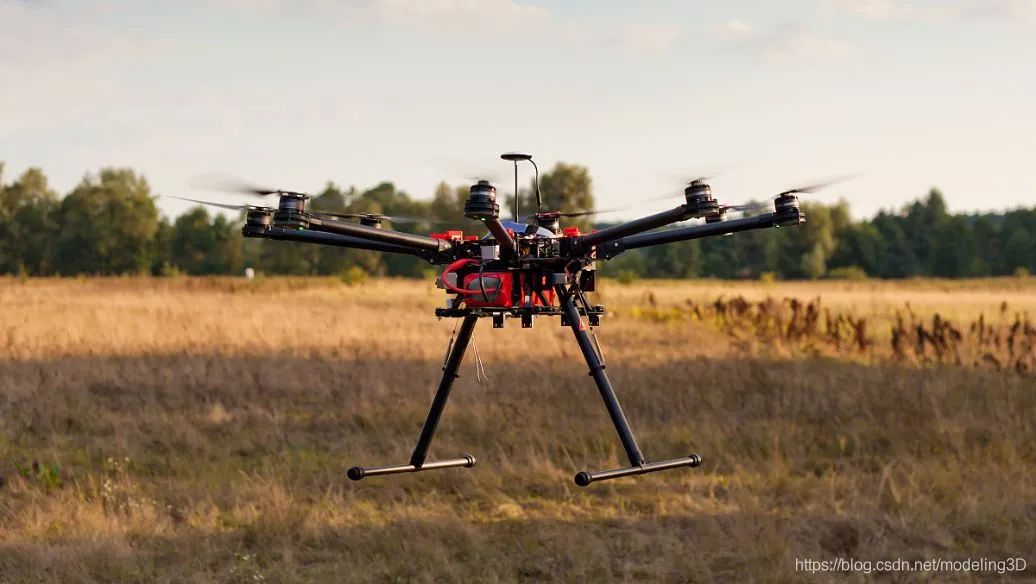
A flying device that has three or more rotors.
Q
What are the definitions of helicopter drones and fixed-wing drones?
A
Helicopter drones: Aircraft that generate lift and control attitude using one or two powered rotors.
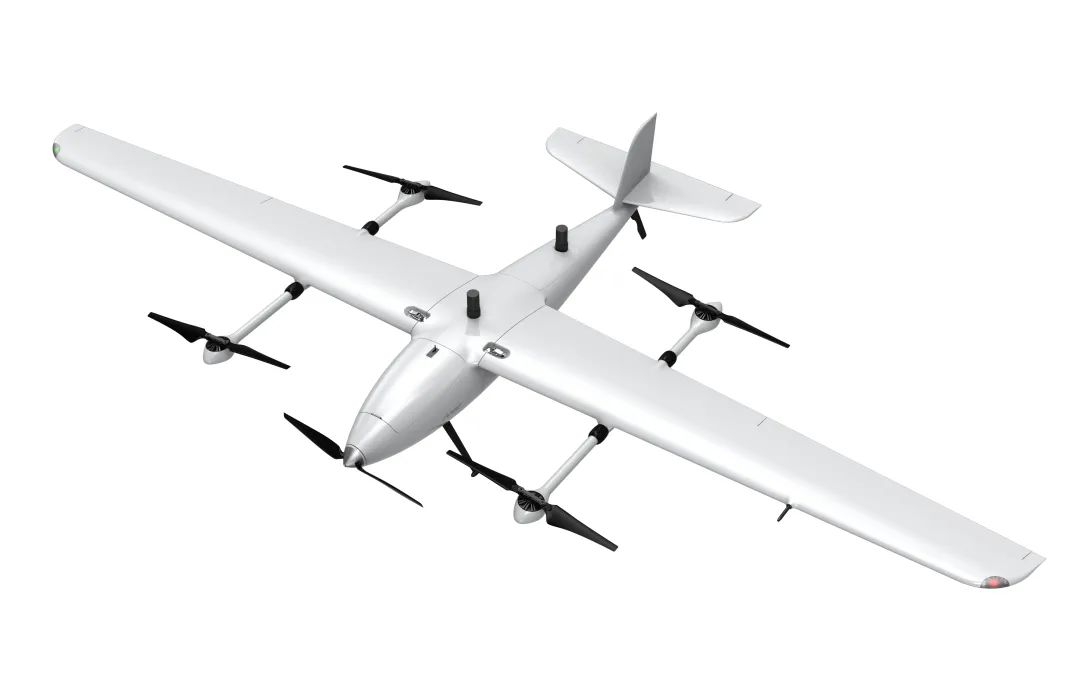
Fixed-wing drones: Aircraft that generate lift through wings fixed to the fuselage that create relative motion with the incoming air.
Q
What are the advantages of multi-rotor drones?
A
1. Small size, light weight, low noise, good concealment, suitable for multi-platform and multi-space use;
2. Can take off and land vertically, does not require a catapult or launcher for launch;
3. Low flight altitude, very strong maneuverability, and capable of executing special tasks;
4. Simple structure, flexible control, low cost, small propellers, good safety, easy disassembly, and easy maintenance.
Q
In which fields are drones used?
A
Aerial photography, cargo transportation, government public welfare, oil exploration, remote sensing aerial surveying.
Q
What are the application fields of multi-rotor and helicopter drones?
A
Urban management, agriculture, geology, meteorology, electricity, power inspection, disaster rescue, video shooting, and other industries.
Q
What are the responsibilities of a drone pilot?
A
Assembling and maintaining the aircraft, conducting pre-flight checks, and ensuring aircraft safety during flight.
Q
How do drones perform aerial photography?
A
By equipping a gimbal and shooting system, flying from a first-person perspective.
Q
What checks should be done before a drone takes off?
A
Aircraft checks: Ensure components are securely connected, wiring is safe, and onboard equipment is functioning properly.
Ground checks: Ensure ground communication and operating systems are functioning correctly.
Environmental checks: Ensure the surrounding environment is suitable for operations and the take-off/landing area is reasonable, and airspace has been declared.
Supplementary Science
1. What is a ground station?
A setup on the ground for real-time monitoring and route setting for drones.
2. What is the American mode?
Left hand controls throttle up and down, left and right direction; right hand controls altitude up and down, left and right ailerons.
3. What is the Japanese mode?
Left hand controls altitude up and down, left and right direction; right hand controls throttle up and down, left and right ailerons.
4. What is a flight logbook?
A logbook that records flight experiences from simulator practice to the present.
5. What is GPS mode?
Increases precise positioning by GPS satellites for the aircraft, allowing for accurate altitude and point setting.
6. What is manual mode?
GPS does not participate in flight operations; the aircraft cannot set points or altitude, and stability is maintained by the sensors of the flight controller.
7. What is a simulator?
A computer platform that replicates real flight.
Further Reading:
1. How does learning drone technology help us?
Before becoming an experienced pilot, one should first understand how to avoid crashes. When a drone is flying at high altitudes, due to complex environmental factors, if the drone goes out of control, it can prevent unnecessary losses when danger arises.
2. What should one focus on when self-learning?
Practice on a simulator, basic operations of the ground station.
3. Is the pilot certificate internationally recognized?
It is the only legal representative in China (including Hong Kong, Macau, and Taiwan). Besides being officially recognized in China, it is valid worldwide.
4. What is the demand for drone pilots?
Currently, there is a demand for about 100,000 drone pilots and captains nationwide, but only about 2,000 meet the qualifications.
5. What are the differences between pilots, captains, and instructors?
Pilot: Flies within visual range (the operation method where the drone pilot or observer maintains direct visual contact with the drone within a radius of 500 meters and at a relative altitude of less than 120 meters);
Captain: Can operate the drone beyond visual range through the ground station;
Instructor: Understands teaching methods and can train pilots and captains.
Follow our public account for the latest information
▲Data Edited and Published by:Aviation Sports▲Disclaimer:This article is for informational purposes only and aims to convey more information. If there are any issues related to the content, copyright, or other matters, please contact us for corrections or deletions. Article copyright belongs to the original author and source, this platform only provides reference and does not constitute any investment or application advice.Foshan Aviation Sports AssociationThe Foshan Aviation Sports Association is a legitimate organization registered under the supervision of the Municipal Sports Bureau and the Civil Affairs Bureau, dedicated to conducting various aviation sports competitions, performances, tests, training, and exchanges, with over 40 related enterprises and nearly 300 professional pilots as members.
I know you are