
With the development of technology and policy promotion, the low-altitude economy has become a dark horse in emerging industries. Drones, as one of the “main forces” in the development of the low-altitude economy, play a significant role.
Recently, China’s first domestically developed solar-hydrogen hybrid drone successfully completed its maiden flight at Mingyue Lake, filling a gap in the hybrid drone field. While celebrating this significant achievement, people cannot help but wonder, how do drones achieve autonomous flight? What is hybrid power?
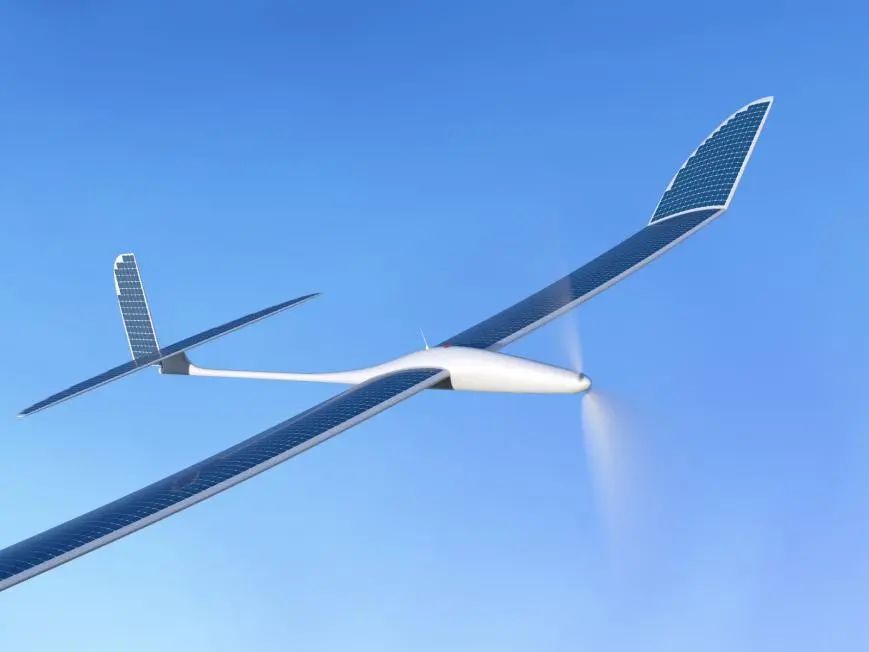
Solar-Powered Drone
(Image Source: Veer Library)
How Do Drones Achieve Autonomous Flight?
For drones to achieve autonomous flight, they must first take off. The principle of a drone taking off is similar to that of a manned aircraft, both utilizing the principles of aerodynamics. During the takeoff process, the air is divided by the wings into upper and lower parts, with the airflow speed above the wings being greater than that below. According to “Bernoulli’s Principle”, the faster the airflow, the lower the pressure. Therefore, the pressure above the wings is less than that below, generating an upward lifting force that allows the aircraft to ascend.

Aircraft Wings
(Image Source: Veer Library)
The flight control system is an essential part of achieving stable flight for drones, often referred to as the “brain” of the drone. The flight control system consists of various high-precision sensors, such as GPS (Global Positioning System) for location determination, barometers for measuring altitude, IMUs (Inertial Measurement Units) for sensing angular velocity and acceleration, and compasses for direction determination.
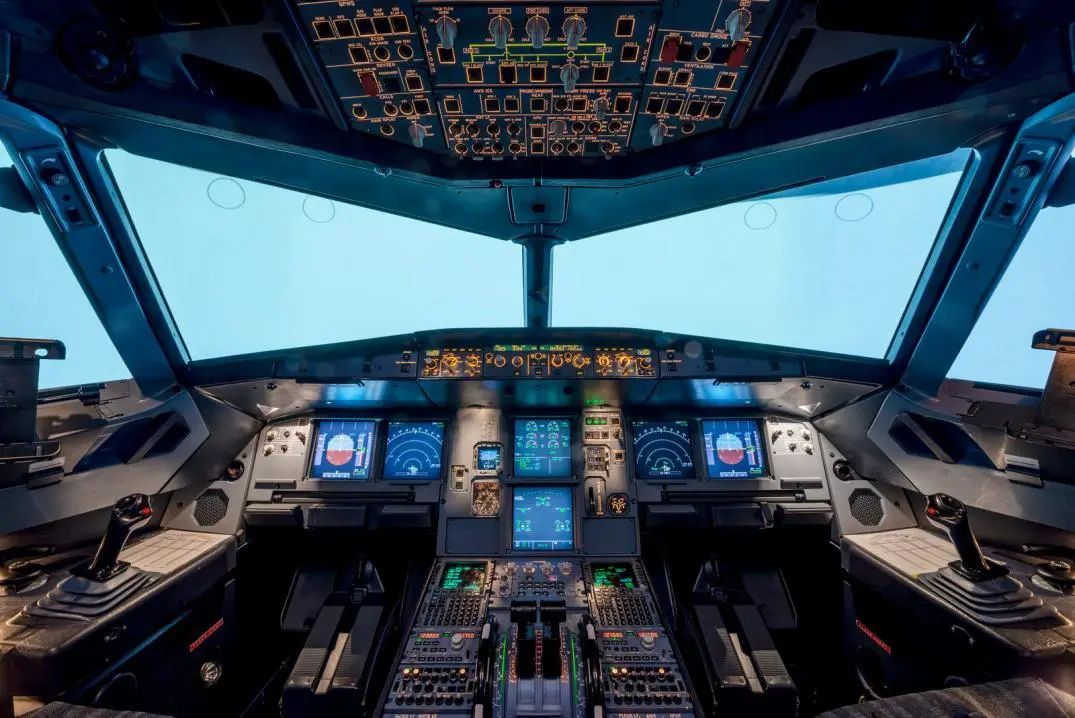
Aircraft Cockpit
(Image Source: Veer Library)
We often see scenes in movies where pilots sit in the cockpit, facing numerous instruments and control buttons, skillfully operating the aircraft. So who controls the drone?
In fact, drones are still controlled by humans, just from different locations and timings.
Operators on the ground can control the drone’s flight posture and trajectory through a remote control. The remote control displays various flight data, such as flight status, location information, and sensor data. Based on this information, operators issue commands to the drone using joysticks or buttons, and the drone will fly according to the expected route and actions.
With the continuous development of communication technology, the speed at which operators issue commands and drones receive them is increasing, allowing ground operators to almost achieve a “first-person” control of the drone, as if they were “sitting” inside the drone.
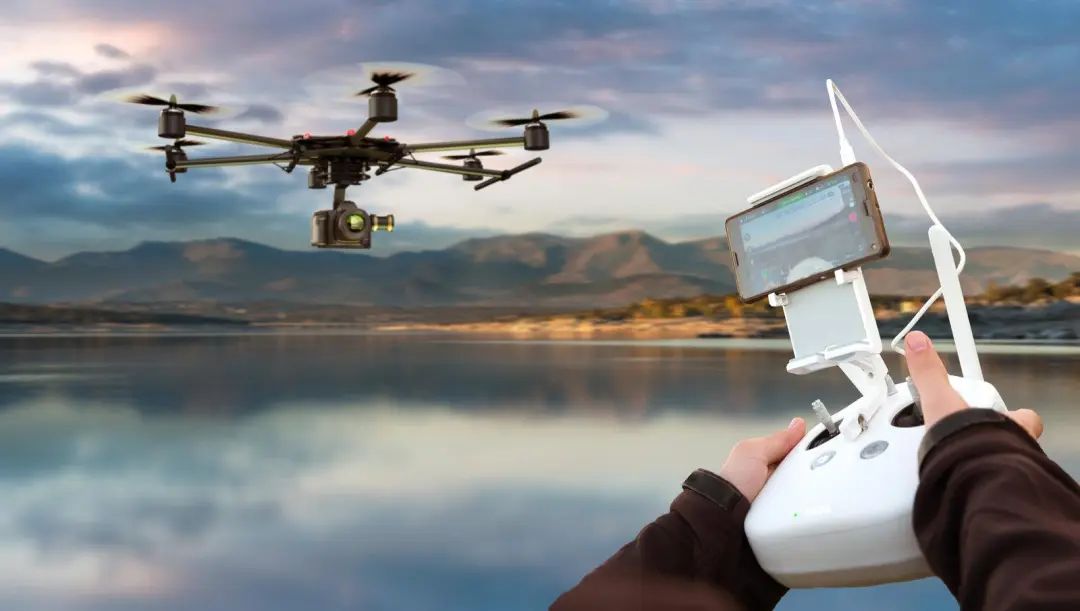
Remotely Controlled Drone
(Image Source: Veer Library)
Since drones are also controlled by humans, with one drone corresponding to one remote control and operator, does that mean that a drone swarm performance requires hundreds or thousands of people to complete?
The reality is not so. Drones can not only be controlled by humans but can also “fly by themselves”. However, this requires professionals to program the drone’s flight posture and lighting in advance, allowing the drone to autonomously complete takeoff, formation changes, and other processes according to preset flight plans and task requirements, without human intervention.
Thus, a large drone performance team may only require two people and a computer to control it. The operators are responsible for monitoring the drone’s flight status, adjusting flight parameters, and responding to emergencies, while the computer centrally controls the drone’s performance actions through pre-programmed software.
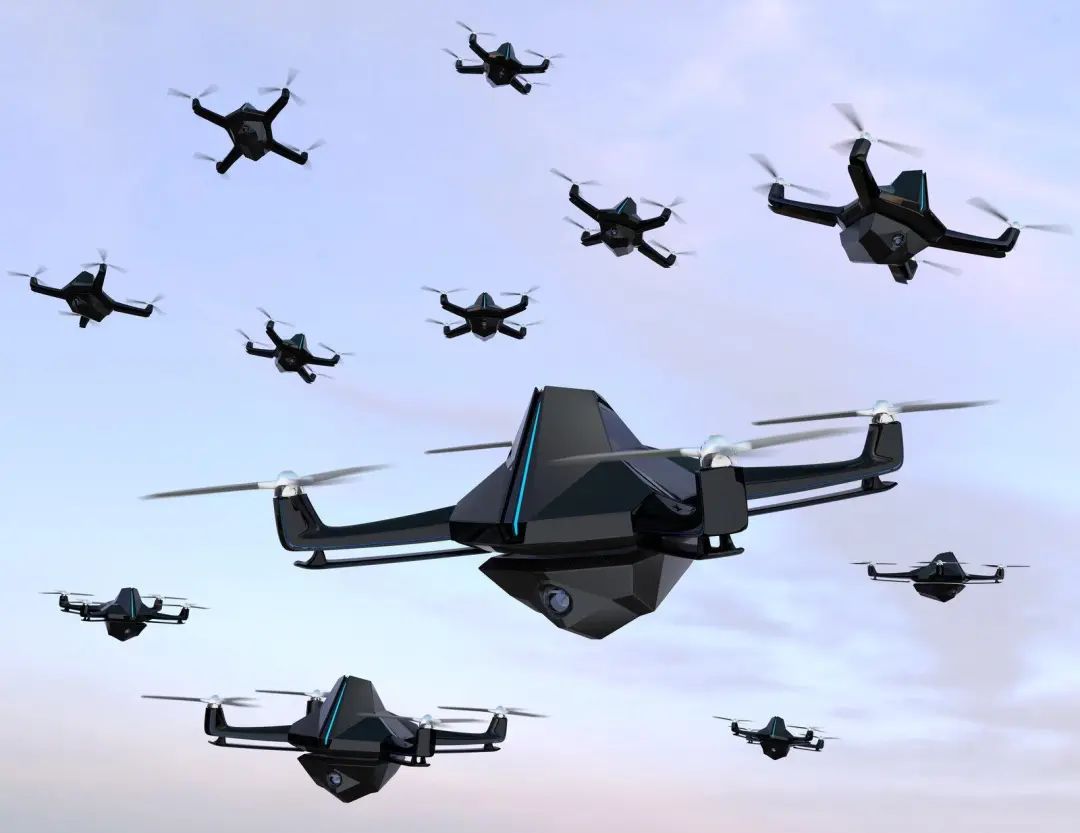
Drone Performance Team
(Image Source: Veer Library)
What Are the Advantages of Hybrid Drones?
The power system is key to whether a drone can take off smoothly and how long it can fly. Currently, most drones are powered by batteries, which, while convenient and technologically mature, have limited flight times, significantly affecting user experience. For example, purely electric-powered photography drones have a single flight time of about 30 minutes, and even with advanced battery technology and better body structures, their endurance time is unlikely to exceed 1 hour.
Hybrid drones, similar to hybrid cars, are expected to achieve breakthroughs in endurance. It is reported that the hybrid drone that successfully completed its maiden flight at Mingyue Lake uses the team’s independently developed energy management system, combining solar power generation and hydrogen power generation.
Solar energy and hydrogen energy, as clean energy sources, are not only environmentally friendly but also have the advantage of energy complementarity. By utilizing a precise energy output control system, the electrical output is reasonably allocated, prioritizing the electricity generated by solar energy while using hydrogen energy as a supplementary source, enabling continuous flight day and night, with flight times exceeding 24 hours.
Why Was Hydrogen Energy Chosen for Drones?
Hydrogen energy is a clean secondary energy source, released from the chemical energy generated by the reaction between hydrogen and oxygen, hailed as the “ultimate energy source of the 21st century”. The hydrogen involved in the reaction has a high combustion heat value (142MJ/kg), which is higher than that of fossil fuels and chemical fuels, about three times that of gasoline. Additionally, the only byproduct of the reaction between hydrogen and oxygen is water, resulting in almost no pollution to the environment.

Hydrogen Energy
(Image Source: Veer Library)
The conversion of hydrogen energy and electrical energy in drones relies on hydrogen fuel cells, which provide the necessary reaction conditions for the reaction between hydrogen and oxygen. When the fuel cell operates, hydrogen is fed into the anode, and oxygen or air into the cathode, allowing the conversion of chemical energy into electrical energy through a special electrolyte.
Hydrogen fuel cells exhibit high low-temperature tolerance, allowing for non-damaging cold starts at temperatures as low as -20 degrees Celsius or lower, providing greater safety and stability. Therefore, the “inclusion” of hydrogen energy not only improves the endurance time of drones but also enables them to operate effectively in harsher flying environments.
What Other Features Do Hybrid Drones Have?
Integrated lightweight carbon fiber body: The body is made of stronger and lighter carbon fiber material, reducing the weight of the drone while enhancing its environmental resistance, ensuring the safety and stability of the drone.
Large wingspan aerodynamic shape: A larger wing area can generate greater lift for the drone, allowing for a larger payload. A longer wingspan can more effectively utilize aerodynamic principles, reducing drag, improving flight efficiency, and lowering energy consumption.
Innovative hydrogen-powered electric propulsion pod: Hydrogen fuel cells have high energy conversion efficiency, minimizing energy loss and enhancing the energy utilization efficiency of drones. The compact structure ensures sufficient power output while reducing the overall weight and complexity of auxiliary components.
What Are the Uses of Drones in Our Lives?
Environmental monitoring: Drones equipped with high-definition cameras, infrared sensors, and other devices can efficiently monitor air quality, detect water pollution, and patrol forest fire situations, providing timely and accurate data support for environmental protection.
Agricultural planting: Drones can significantly improve operational efficiency by precisely spraying pesticides and fertilizers, reducing the excessive use of chemicals, saving manpower and resources, and promoting the development of green, high-tech agriculture.
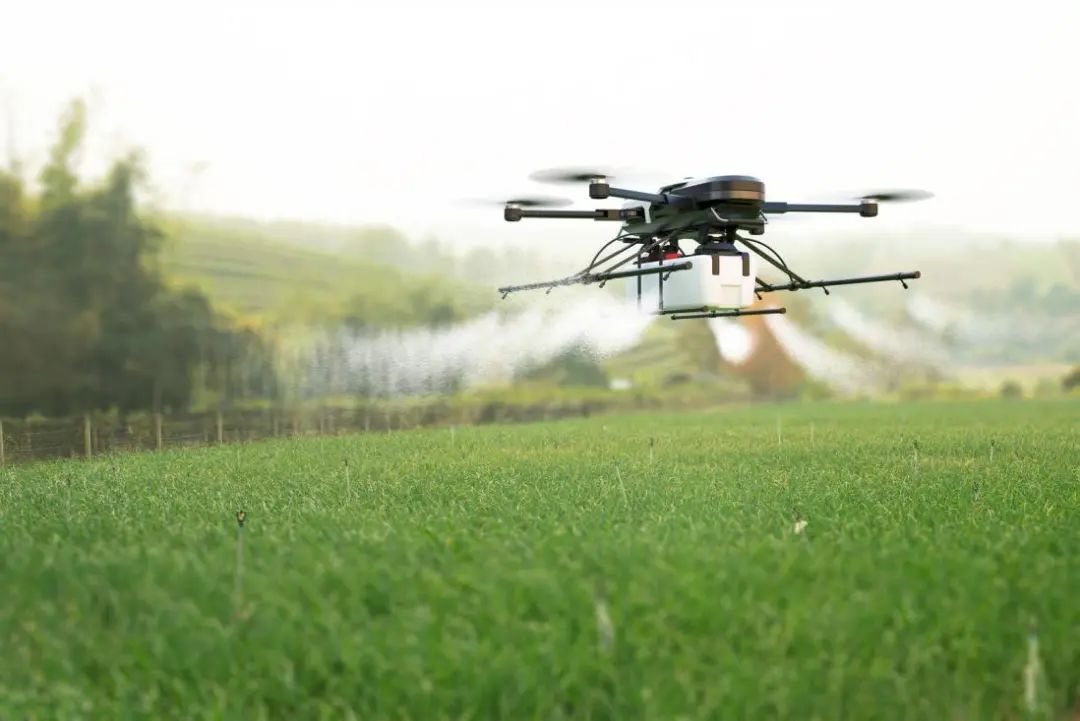
Drone Spraying Pesticides
(Image Source: Veer Library)
Emergency rescue: Drones can quickly traverse complex terrains, providing critical services such as aerial reconnaissance, material delivery, and communication relay for disaster areas, becoming an indispensable “aerial assistant” for rescue teams.
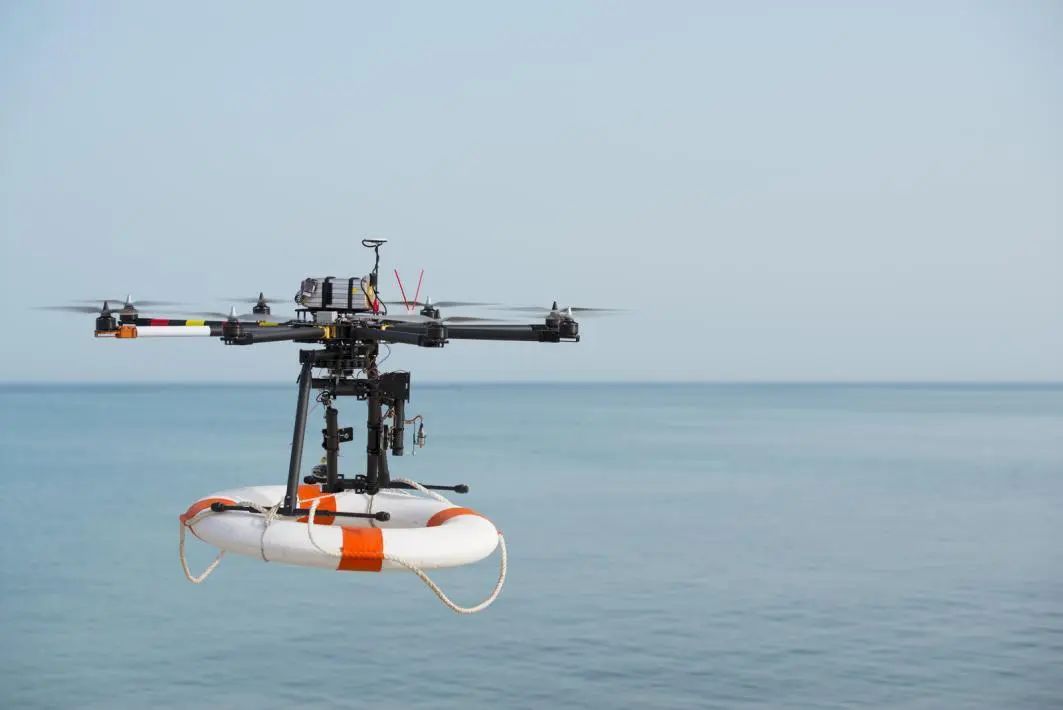
Drone Rescue
(Image Source: Veer Library)
Logistics delivery: Drones, with their speed and flexibility, are gradually exploring new logistics models for urban short-distance delivery and material supply to remote areas, bringing convenience to people’s lives.
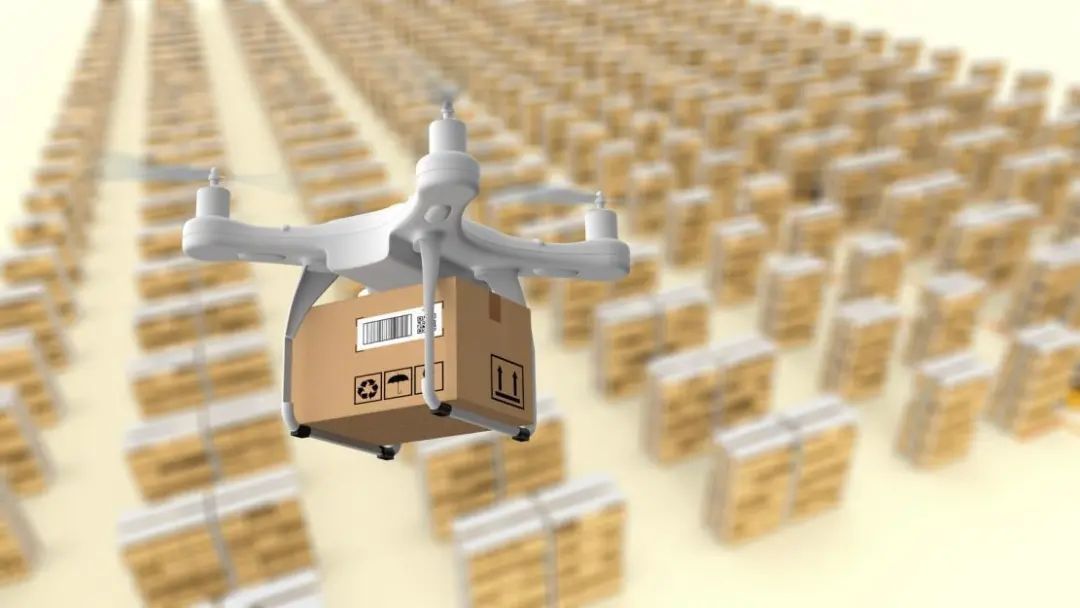
Drone Package Delivery
(Image Source: Veer Library)
Moreover, drones also play important roles in film shooting, sports event broadcasting, urban planning, archaeological exploration, and other fields, providing people with a new visual experience and work methods with their unique perspectives and efficient operational capabilities.
Conclusion
The drones seen in science fiction films have transitioned from concept to reality, achieving rapid breakthroughs in flight stability, endurance, and application fields. Drones present themselves to us with their convenience and efficiency, and let us look forward to drones serving our daily lives even better in the future.
Source: China Science Popularization Expo
Copyright belongs to the original author. Please contact for deletion in case of infringement.