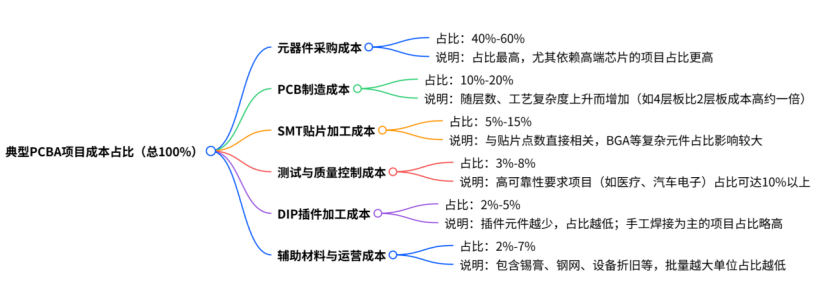
Component costs account for 40%-60% of the total PCBA cost, and even a small decimal error can lead to losses in the tens of thousands. In electronic product design, accurately estimating PCBA costs is crucial for assessing project feasibility and controlling profit margins. Whether you are a hardware engineer, procurement specialist, or a startup founder, mastering the calculation methods can aid in making informed decisions and strictly controlling budgets. Next, we will systematically analyze the composition and calculation methods of PCBA costs.
1.Overview of the Core Components of PCBA Costs
PCBA (Printed Circuit Board Assembly) costs are a multidimensional comprehensive system, mainly including the following major modules:
PCB Manufacturing Costs
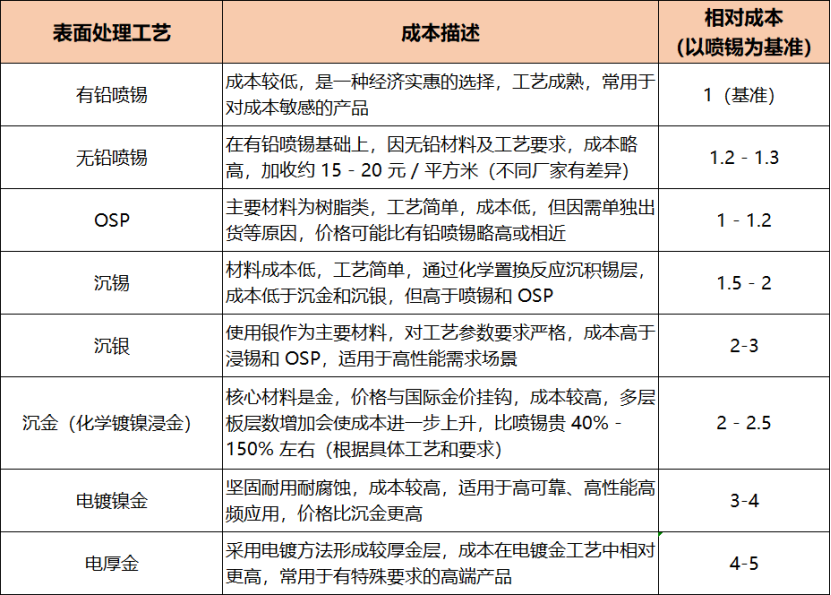
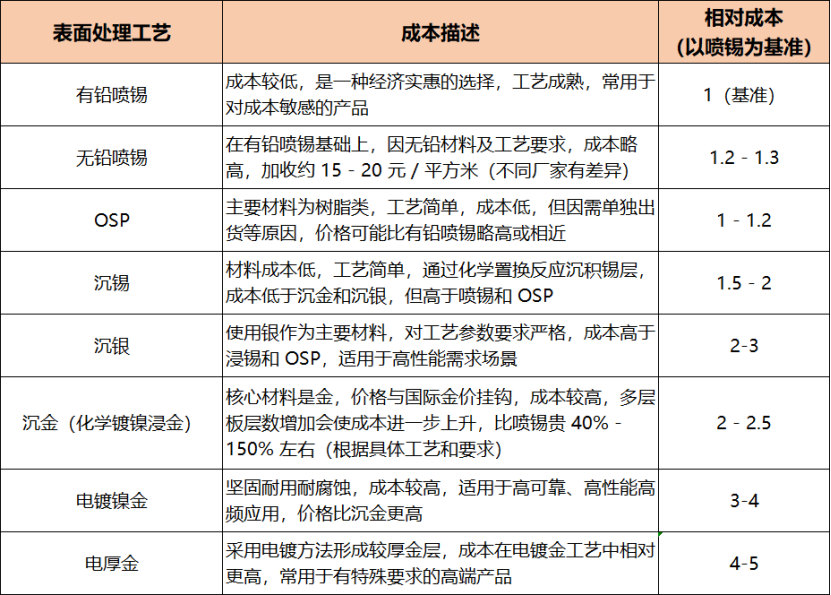
Includes substrate material costs, processing costs, etc., influenced by board type, number of layers, size, and design complexity. A four-layer board is typically about twice as expensive as a double-sided board, and special process requirements (such as gold plating) can significantly increase costs.
Component Procurement Costs
Includes the procurement costs of all electronic components. Common components like resistors and capacitors have transparent and stable prices, but high-end chips (such as BGA, IC) can have large price fluctuations, potentially affected by international embargoes or approval processes.
SMT Surface Mount Processing Costs
Calculated based on the number of mounting points, the industry typically counts standard SMD components (such as resistors and capacitors) as 2 points/ piece, while medium chips like QFP are counted by pin count, and large chips like BGA are counted as 4-6 points.
DIP Through-Hole Processing Costs
Through-hole soldering costs are usually calculated based on the number of pins, with different unit prices for wave soldering and manual soldering.
Testing and Quality Control Costs
Includes AOI (Automated Optical Inspection), flying probe testing, functional testing, etc. The more test points, the higher the cost.
Auxiliary Materials and Operating Costs
Covers costs for solder paste, flux, stencils, packaging materials, and operational expenses such as equipment depreciation, utilities, and management.
2.PCB Cost Calculation Methods and Design Optimization
1. PCB Cost Calculation Formula and Application
PCB Cost = Material Cost + Process Cost + Special Treatment Costs
Material cost calculation:
Cost of a single PCB substrate = Price per square meter of PCB ÷ Number of PCBs produced per square meter
Process cost factors:
Drilling costs: Number of holes × Hole diameter coefficient (the more holes, the smaller the diameter, the higher the cost)
Line width/spacing: Less than0.2mm/0.2mm precision line costs increase30%-50%
Layer cost: Each additional layer increases the cost40%-60%
Surface treatment: Gold plating is more expensive than tin plating20%-30%
Special process surcharge:
Impedance control: increases10%-15% cost
Gold fingers: calculated by gold layer area
Blind and buried vias: increase25%-40% cost
2. PCB Design Optimization Strategies
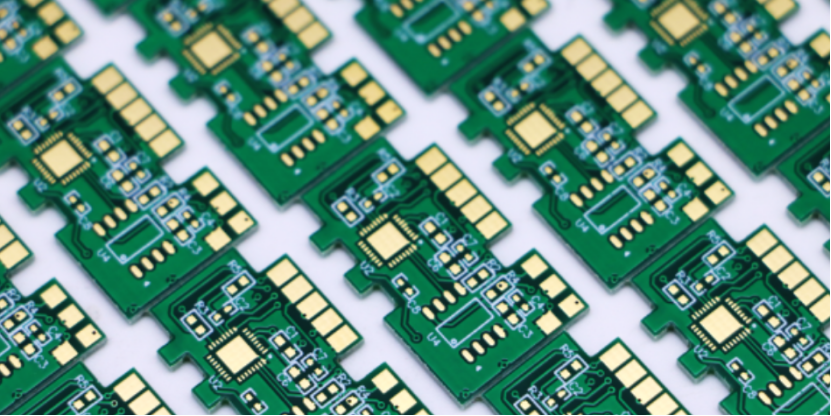
Material utilization optimization: By reasonably designing the layout, utilization can be improved from 70% to 85% or more, reducing costs by 10%-15%. Tools like Huaqiu DFM can automatically calculate the optimal layout scheme.
Principle of process simplification:
lAvoid unnecessary small hole diameters (<0.3mm)
lLine width and spacing≥0.15mm
lReduce special hole requirements
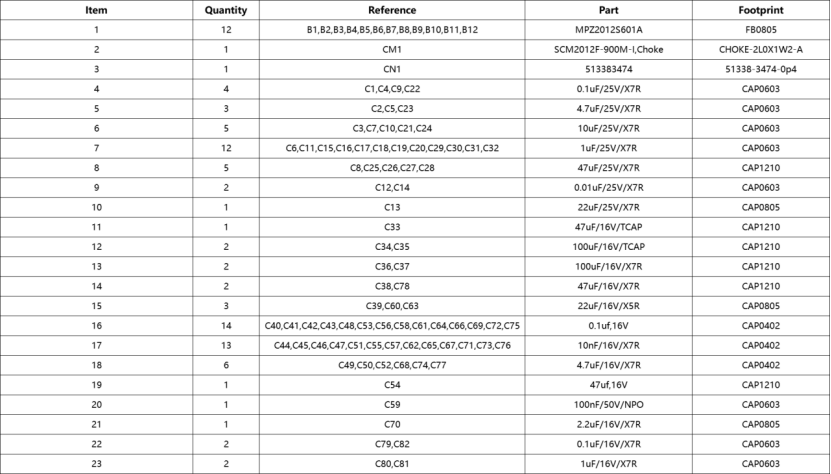
3. BOM Management
Standardized organization process:
1.Export the BOM list from the schematic
2.Merge components of the same model
3.Unify naming conventions (e.g., use uF/nF for capacitance values)
4.Label key parameters: accuracy, voltage, package size
5.Distinguish between alternative materials and unique part numbers
4. SMT Surface Mount Processing Cost Detailed Calculation
1. Detailed Rules for Calculating Mounting Points
Standard for point calculation (industry standard):
lStandard SMD components (resistors/ capacitors/ diodes): 2 points/ piece
lSmall chips ( SOT-23 etc.): 3 points/ piece
lQFP/QFN and other medium chips: counted by actual pin count
lBGA/LGA and other large chips: counted by actual pin count
lSpecial components (shielding covers/ large inductors): 3-5 points/ piece
Calculation Formula:
SMT Cost = Mounting Points × Unit Price + Stencil Fee + Setup Fee
lStencil fee: determined by PCB size (usually 100-800 yuan)
lSetup fee: higher for small batch orders (about 500-2000 yuan/ batch)
2. Factors Affecting Unit Price
Price differences by process type:
Batch discount:
lBelow 5,000 pieces: base price
l5,000-20,000 pieces: price reduction 8%-12%
lAbove 20,000 pieces: price reduction 15%-25%
5. DIP Through-Hole and Testing Cost Calculation
1. DIP Through-Hole Cost Calculation
DIP Cost = Number of Solder Points × Unit Price + Wave Soldering Fixture Cost
lManual soldering unit price: 0.08-0.15 yuan/ solder point
lWave soldering unit price: 0.03-0.08 yuan/ solder point
lFixture cost: 500-3000 yuan (reusable)
2. Testing Cost Composition and Optimization
Testing cost= Flying Probe Test Points × Unit Price + Functional Testing Development Cost + Testing Fixture Cost
lFlying probe testing: 0.02-0.05 yuan/ point
lFunctional testing development: 2000-10000 yuan/ model
lTesting fixture: 1500-8000 yuan/ set
6. Total PCBA Cost Calculation and Practical Case
1. Total Cost Calculation Formula
PCBA Total Cost = PCB Cost + Component Cost × (1 + Loss Coefficient) + SMT Cost + DIP Cost + Testing Cost + Packaging and Logistics Cost + (Profit & Management Fee)
lProfit margin: typically 10%-30% of total cost
lPackaging and logistics: accounts for 1%-3% (anti-static packaging + transportation)
2. Quick Reference Cost Formula (for estimation)
Simple estimation benchmark value:
Standard double-sided board (1.6mm FR4) + Common components ≈ 8-15 yuan/100 points
Four-layer board + Precision components ≈ 15-28 yuan/100 points
3. Typical Cost Structure Ratios
7. Five Major Strategies for PCBA Cost Optimization
DFM Design Optimization:
Reasonably set line width and spacing (≥0.15mm), avoiding excessive small sizes that increase production difficulty and scrap rates
Component Procurement Strategies:
lCentralized procurement: consolidate procurement needs to obtain quantity discounts
lAlternative materials: use domestic components to replace imported products while meeting performance requirements
Production Batch Optimization:
lCombine production: merge multiple small batch orders to reduce line change frequency
lReasonably plan delivery times: avoid expedited orders that incur additional shipping costs (expedited fees typically increase 15%-25%)
Process Route Selection:
lSimple boards should prioritize lead-free solder paste processes
lBoards with large components should use red glue + wave soldering solutions
lHigh-density boards should use solder paste printing + reflow soldering
Testing Scheme Optimization:
lUse flying probe testing in the small batch stage
lSwitch to testing fixtures after mass production (costs reduce by 60% after mass production)
8. PCBA Quotation Process and Time Management
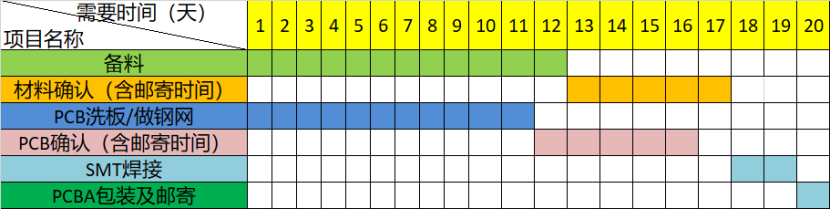
A complete PCBA quotation typically requires the following time:
1、PCB Quotation:When the information is complete and there are no special process requirements, it can be completed on the same day
2、Component Quotation:
Common components: 1-2 days
Special chips: 3-4 days (due to price fluctuations and supply conditions requiring multiple confirmations)
3、Processing Fee Quotation:Based on the BOM and Gerber files, it can be calculated within 1-2 days
Tips for Shortening Quotation Cycles:
lProvide a complete BOM list, Gerber files, and process requirements
lPre-label long lead-time components (such as FPGA, specific processors)
lEstablish long-term cooperative relationships with suppliers and share material library information
Estimating PCBA costs is a systematic project that requires comprehensive consideration of design, materials, processes, testing, and other aspects. By understanding the cost composition, mastering calculation methods, and implementing optimization strategies, companies can not only accurately control costs but also enhance market competitiveness while ensuring quality.
Cost control is not simply about price reduction, but a value creation process achieved through design optimization, process innovation, and supply chain collaboration.

For more information, please visit: www.training-work.com
WeChat search: Electronic Hardware Design, or add hardware-design
To learn about hardware design knowledge and industry trends, please follow us using the methods below