Those who often browse platforms looking at drone pilots know that drone prices range from hundreds to tens of thousands, and even hundreds of thousands.
For instance, drones priced at hundreds of thousands come with night vision capabilities, can take photos and videos, have radar functions that can identify obstacles, spraying functions, strike capabilities, demonstration features, and lighting effects…
So, where exactly do the differences in drone prices manifest?
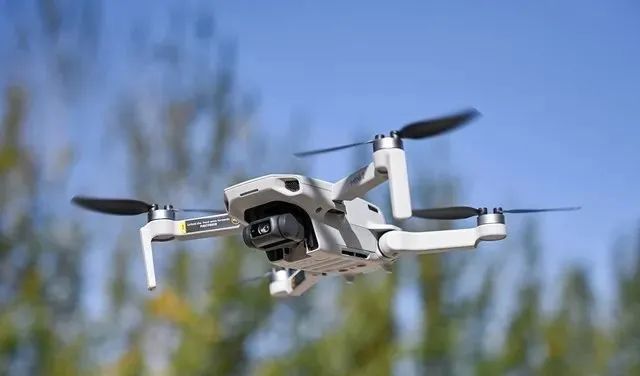
01. Battery Life
Drones that cost a hundred yuan can only fly for about 10 minutes before the battery runs low and they must return. In contrast, drones that cost over ten thousand have relatively higher endurance.
02. Flight Altitude
Drones priced at a hundred yuan generally can only fly up to about 80 meters, and some can only reach 50 meters; on the other hand, drones that cost over ten thousand can fly at altitudes between 600-1000 meters, and some can even reach heights over 1500 meters.
03. Wind Resistance and Flight Speed
Lower-priced drones have slower flight speeds and can be significantly affected by winds of level 2-3; in contrast, drones priced over ten thousand can fly at higher speeds and can fly against winds of level 4-5 with minimal impact.
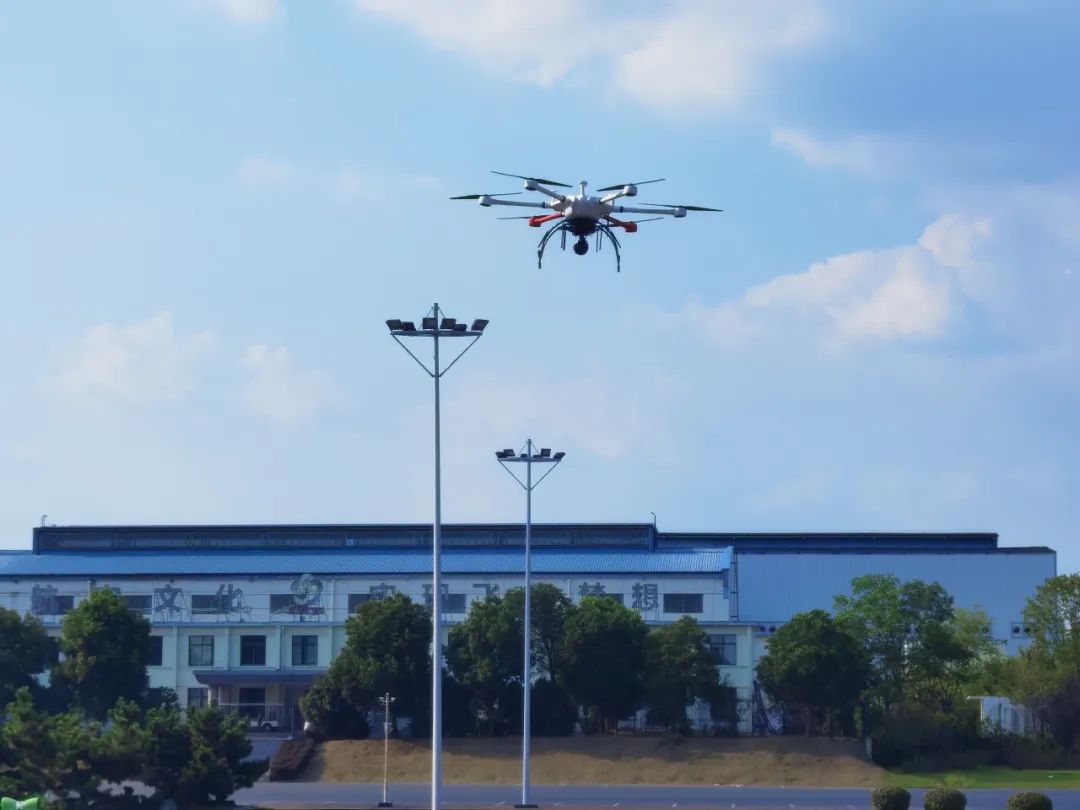
04. Signal Reception and Transmission Distance
Drones priced at a hundred yuan lose signal and fail to transmit video when they fly a few hundred or even just a few dozen meters away; whereas drones that cost over ten thousand generally have control and transmission distances of over 3000 meters.
05. Pixel Quality
Drones priced at a hundred yuan usually have low pixel quality, resulting in shaky videos; in contrast, drones that cost over ten thousand have high pixel quality, making the photos and videos clear, and they often come with gimbal stabilization features, allowing for clearer videos and more post-processing options.
06. Different R&D Costs
Due to the varying functions of drones, the advanced technologies and specialized processes involved also differ. Some drones focus on pixel shooting, while others emphasize stability, etc. Therefore, costs in material selection, processing, and software development also vary.
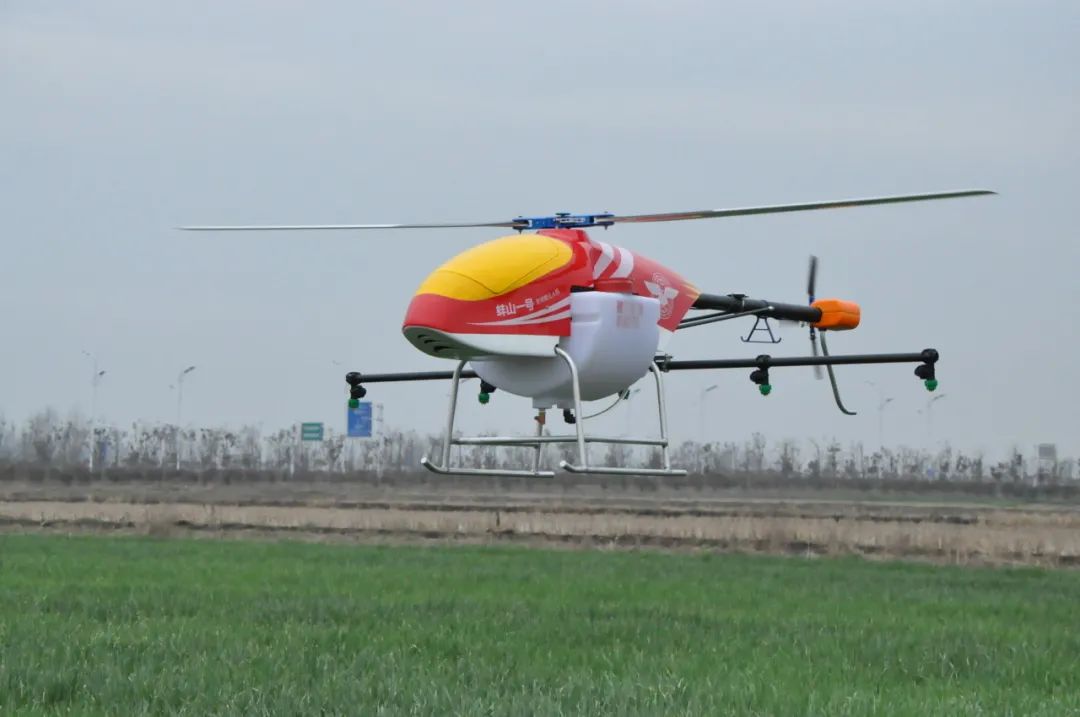
Furthermore, the differences in drone prices are also reflected in the appearance of drones, flight radius, stability, safety, payload capacity, flight records, lost drone recovery, gimbal storage capacity, and satellite positioning.
Therefore, pilots should consider their own usage needs, understand the parameters and functions of drones clearly, and select a suitable drone within their budget.
Global Hawk Drone Training Base
Global Hawk Drone Co., Ltd. is a professional drone pilot training institution certified by the China Civil Aviation Administration and approved by the China Civil Aviation Pilots Association. The academy has a teaching area of 60,000 square meters and is an authorized “Civil Drone Pilot License Examination Point” by the China Civil Aviation Administration and a “Drone Vocational Skills Improvement Training Base” authorized by the Ministry of Industry and Information Technology. It offers drone license training courses, hardware engineering, aerial photography/surveying/agriculture inspection applications, and more, with students receiving integrated training, accommodation, and examination. As a high-skilled talent training base in Shenzhen, Global Hawk has trained over ten thousand various drone skilled talents for society. Learning at Global Hawk not only provides multiple certifications but also recommends high-paying jobs to cultivate high-quality technical talents in the drone industry.
Disclaimer: Some of the above materials are sourced from the internet. If there is any infringement, please contact for removal.