In recent decades, countries around the world have placed great importance on the development of unmanned equipment, and the military application of unmanned equipment has developed rapidly, achieving a series of breakthroughs, with a large number of unmanned platforms developed and utilized. Traditional military powers, led by the United States, have invested heavily in unmanned combat equipment and have consistently maintained a leading position in the research and development and military application of unmanned equipment.
In recent years, the application of unmanned equipment in actual combat has become increasingly frequent, and its role has become more prominent. On September 27, 2020, intense conflicts broke out between Azerbaijan and Armenia in the Nagorno-Karabakh region. A ceasefire was reached on November 10 after 44 days of fierce fighting, with Azerbaijan emerging victorious. In this conflict, drones played a crucial role as the main combat equipment for the first time, attracting high attention from countries around the world regarding the military application of drones.
Currently, major military powers are vigorously conducting research on unmanned swarm combat. Unmanned swarms can implement all-around, three-dimensional saturation attacks, coordinate with manned aircraft to improve combat flexibility, and can also cooperate with aerial strike weapons such as cruise missiles to enhance strike effectiveness. The penetration capability of unmanned aerial vehicle (UAV) swarms is becoming stronger, allowing for high-precision strikes on combat systems and key points, making swarm combat an important aspect of future warfare.
With the development of artificial intelligence technologies represented by machine learning and autonomous combat, and their vigorous promotion and application in unmanned equipment swarm projects, unmanned swarm combat is increasingly influencing future battlefield offense and defense, becoming a significant reality threat and a pressing problem to be solved.
Nagorno-Karabakh Conflict
In September 2020, fierce conflicts broke out between Azerbaijan and Armenia in the Nagorno-Karabakh region, with both sides engaging in intense fighting for 44 days. In the early stages of the war, both sides deployed tanks, armored vehicles, rocket artillery, and other weapons. The Armenian army launched a vigorous offensive, and the Azerbaijani army found itself in a passive position for a time. With support from countries like Turkey and Israel, the Azerbaijani army extensively utilized the Turkish TB2 (Bayraktar TB2) reconnaissance-strike UAV, Israeli Harop drones, and domestically modified An-2 drones to deliver devastating blows to Armenia’s air defense systems, T-70 tanks, artillery positions, and more, turning the tide of the battle. During the fighting, the Armenian army also employed the Crane series drones and X-55 drones. Shortly after the ceasefire agreement was reached in early October, conflicts erupted again. On October 19, Russia intervened in the conflict, deploying the Krasukha-4 electronic warfare system near the Armenian border to shoot down nine TB2 drones. Russia’s intervention severely weakened Azerbaijan’s aerial advantage with drones and hastened the end of the war. On November 9, the leaders of Russia, Azerbaijan, and Armenia signed a statement announcing a complete ceasefire in the Nagorno-Karabakh region starting at midnight on November 10. Thus, the Nagorno-Karabakh conflict came to an end.
Azerbaijan primarily deployed the TB-2 reconnaissance-strike UAV, Hermes long-range reconnaissance UAV, Harop suicide drone, Searcher medium-range reconnaissance UAV, Satellite short-range reconnaissance UAV, and domestically modified An-2 drones. In contrast, the Armenian army had fewer types of drones, mainly small/micro UAVs developed domestically, such as the Crane series reconnaissance drones and X-55 reconnaissance drones.
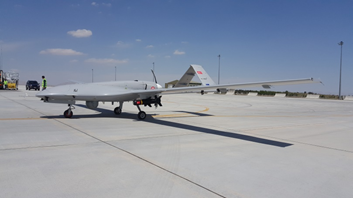
The TB2 drone (Bayraktar) is a medium-altitude, long-endurance unmanned combat aerial vehicle produced by Turkey, capable of remote control and automated flight operations, primarily manufactured by Baykar for the Turkish Air Force. The TB2 is currently Turkey’s main UAV. It is said that Selçuk Bayraktar, a graduate of MIT, developed this UAV.
Reports indicate that the TB2 drone achieved significant success in the Nagorno-Karabakh conflict, with Azerbaijan using TB2 drones to launch missiles that destroyed multiple Armenian-made Soviet tanks, artillery/infantry positions, and armored vehicles.
|
|
|
|
|
|
|
|
|
|
|
3 (Ground Control Station)
|
|
|
|
|
|
|
|
|
|
|
|
|
|
|
1 Internal Combustion Engine (100 HP)
|
|
|
|
|
|
|
|
|
|
|
|
|
|
|
|
|
|
Line of Sight (Direct Line)
|
|
|
|
|
|
|
|
|
|
|
|
EO/IR/LD Imaging and Targeting System, or Multi-mode AESA Radar (two systems interchangeable)
|
|
|
4 mounting points, capable of carrying weapons including:
L-UMTAS long-range anti-tank missiles
MAM precision-guided bombs
Roketsan Cirit 70mm missiles
Tubitak-Sage Bozok laser-guided rockets
|
(2) Harop Drone (IAI Harop)
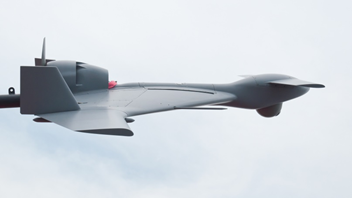
The Harop drone is a suicide drone developed by Israel Aerospace Industries (IAI), an improved version of the previously developed Harpy drone. After launch, it can autonomously search for targets through electromagnetic radiation or be manually controlled to carry out suicide attacks against the enemy. If there are no attacking targets, the drone can return to base. The design of this drone incorporates stealth technology, allowing it to evade enemy surface-to-air missiles and radar tracking due to its smaller size, primarily targeting enemy air defense weapons.
During the Nagorno-Karabakh conflict in 2020, the Harop drone was deployed by Azerbaijan and gained significant attention for destroying the S-300PS long-range surface-to-air missile system.
|
|
|
|
|
|
|
|
|
|
|
|
|
|
|
|
|
|
|
|
|
|
|
|
|
|
|
|
|
Circular error probability less than 1 meter
|
Firstly, drones played a key role in turning the tide of battle. In the Nagorno-Karabakh conflict, Azerbaijan effectively reversed the situation using attack drones, particularly demonstrating the powerful combat capability of drones compared to ground tank formations and artillery positions. The combat effectiveness and potential exhibited by drones have drawn high attention from countries regarding the military application of drones, marking a milestone in the disruption of future combat patterns.
Secondly, the strength of air defense systems is an important means of countering drone attacks. In the second phase of the Nagorno-Karabakh conflict, the combat potential of drones was fully realized, largely due to Armenia’s weak air defense capabilities. Although the Armenian army possessed a small number of S-300PS and Buk medium-range surface-to-air missiles, they were primarily used for capital defense, leaving the Nagorno-Karabakh region vulnerable. In the third phase of the conflict, Russia intervened, utilizing the Krasukha-4 electronic warfare system to shoot down drones, effectively suppressing their operations.
Thirdly, the military application of unmanned operations is a key driver for advancing the construction of unmanned equipment systems. The effective utilization of unmanned combat forces in the Nagorno-Karabakh conflict was not an overnight success, but rather the result of continuous evolution through multiple applications.
US Military Successfully Conducts Targeted Strike with Drones
On January 3, 2020, a senior commander of the Iraqi Popular Mobilization Forces arrived at Baghdad International Airport to greet Iranian special forces commander Qasem Soleimani. The group departed the airport in two Toyota SUVs when a US MQ-9 drone suddenly launched an attack, firing four missiles and hitting both vehicles, resulting in the deaths of Soleimani and five others, including the deputy commander of the Iraqi militia organization.
The MQ-9 drone (MQ-9 “Reaper”) is an unmanned aircraft developed by General Atomics Aeronautical Systems for the US Air Force. The MQ-9 is also the world’s first armed drone specifically designed for long-duration high-altitude reconnaissance missions.
The US MQ-9 first launched Hellfire missiles in Urozgan Province, Afghanistan, on October 28, 2007, successfully killing local militants. In the early hours of January 3, 2020, the US military conducted an airstrike at Baghdad International Airport, using the MQ-9 to fire Hellfire missiles that obliterated the two SUVs, killing Soleimani instantly.
|
|
General Atomics Aeronautical Systems
|
|
|
2 ground personnel operating
|
|
|
|
|
|
|
|
|
Garrett/Honeywell TPE331 turboprop engine, capable of producing 900 shaft horsepower.
|
|
|
|
|
|
|
|
|
|
|
|
|
|
|
|
|
|
|
|
|
|
|
|
|
|
|
28 hours (14 hours at full load)
|
|
|
|
|
|
|
|
|
|
|
|
|
|
|
|
|
|
AN/DAS-1 MTS-B electro-optical sensor
SeaVue maritime search radar
|
|
|
6 weapon stations (680 kg on two inner wing weapon points; 230-270 kg on two mid-wing weapon points; 68-91 kg on two outer wing weapon points)
Can carry up to 4 AGM-114 Hellfire missiles and 2 GBU-12 Paveway II laser-guided bombs simultaneously. In the future, it will also be capable of carrying Joint Direct Attack Munitions (JDAM) and AIM-9 Sidewinder missiles.
|
 Firstly, intelligence reconnaissance was key. The US military accurately obtained highly classified information about Soleimani through various means such as informants, electronic devices, and reconnaissance aircraft, closely monitoring his every move, and then executing the airstrike by the US military’s Joint Special Operations Command.
Secondly, firepower strike was crucial. Once the order for the targeted strike was issued, the deployed drones quickly ascended, and as the convoy reached the airport’s external roadway, laser-guided Hellfire missiles rained down, striking Soleimani’s vehicle.
Thirdly, battlefield assessment was conducted. Soleimani was instantly obliterated, and identification was only possible through the ring he commonly wore.
Fourthly, follow-up actions were taken. After the targeted strike, the US military clearly stated that it would send an additional 3,000 troops to the Middle East, with multiple vessels heading to the region and increasing the alert level of US forces in the Middle East, while listing 52 Iranian targets for potential strikes, ensuring a tight connection between the strike action and follow-up operations. This assassination was instantaneous; from the order to kill being given to a Hellfire missile descending from thousands of feet above the target, it took mere seconds, representing a true second-kill warfare.
Saudi Oil Fields Devastated by Drone Swarms
On September 14, 2019, several drones attacked a Saudi oil company, paralyzing the world’s largest crude oil purification plant and the second-largest oil field in Saudi Arabia, severely impacting Saudi oil production, with approximately half of its daily output being “destroyed.” On September 18, the Saudi defense ministry’s preliminary investigation revealed that a total of 18 drones and 7 missiles were involved in the attack.
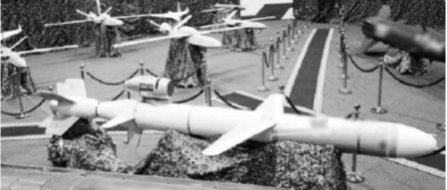
This attack utilized three types of drones: Kassef-3, Samad-3, and an undisclosed model. During the attack, the three types of drones took off from different locations in Yemen, with one drone equipped with electronic warfare equipment providing protection for the entire operation, and cruise missiles coordinating with drones to strike the target from multiple directions. After the attack, reconnaissance-capable drones also conducted damage assessment of the targets.
Houthi Organization’s Display of Drones
Target reconnaissance and route planning were prerequisites for the successful organization and execution of this attack. The Houthi organization used long-endurance drones to conduct multiple reconnaissance missions on oil refinery and oil field targets in Saudi Arabia, designing flight path plans for the drones and cruise missiles based on the attack targets.
The three types of drones took off from different locations in Yemen, with one drone carrying electronic warfare equipment providing protection for the entire operation, and cruise missiles coordinating with drones to strike the target from multiple directions. After the attack, reconnaissance-capable drones also conducted damage assessment of the targets.
The collaboration between drone swarms and cruise missiles was a significant characteristic of this attack. Saudi Arabia has a tightly deployed air defense system, particularly the Patriot series air defense weapon systems imported from the US. When faced with a comprehensive and multi-layered defense system, cruise missiles often lack strong penetration capabilities, and due to their longer flight distances, if guided only by satellites, they can easily be subjected to targeted interference, reducing accuracy.
The coordination of drones and cruise missiles can effectively compensate for these shortcomings; on one hand, they can disrupt air defense forces’ early warning capabilities through electronic suppression, increasing the likelihood of cruise missiles penetrating the defense; on the other hand, drones can arrive first to provide updated target information, improving the strike accuracy of cruise missiles; through damage assessment of the targets, a basis for evaluating the effectiveness of the entire operation’s firepower strike can be established.
Russian Base in Syria Attacked by Drone Swarms
On January 5, 2018, Syrian opposition forces launched the first-ever drone swarm attack in the history of warfare. The drones took off from the village of Muzara. The Russian air defense system detected a total of 13 drones, with 10 targeting the Khmeimim Air Base and 3 targeting a logistics facility at the Tartus naval base. The Russian air defense system conducted electronic interference and close-in weapon interception against the 13 drones.
Analysis of two captured drones revealed that they were homemade and not commercial off-the-shelf models or amateur products. The drones were fixed-wing, utilizing GPS and altimeter devices for navigation, powered solely by small internal combustion engines, and their wings were constructed from polystyrene reinforced with wooden strips, with each wing carrying 4 releaseable simple bombs, allowing each drone to carry a total of 8 bombs.
Homemade Drones by Syrian Opposition
Firstly, drones are cost-effective. These drones were assembled by purchasing individual components, using plywood, tape, mobile GPS communication modules, and small displacement engines. With a certain level of model aircraft manufacturing ability, they can be completed. However, their key components, such as the flight control systems, use electromagnetic valves to control the bomb release mechanisms, and the bombs filled with steel balls are not crudely made.
Secondly, the drones exhibited relatively high endurance. Although the drones used in the attack were simply constructed, their endurance could reach 100 km, and they were equipped with GPS navigation and radio control systems to reduce navigation errors. The drones were also equipped with infrared cameras and high-speed wireless communication devices, capable of real-time image transmission. If these drones were not shot down, they could potentially return for reuse after dropping their bombs.
Thirdly, the drones had significant payload capabilities. Each bomb carried by the drones weighed approximately 400g, with a polymer shell containing steel balls, designed specifically to target aircraft parked at airfields, with a damage radius of up to 50m.
Overall, the drones used by the Syrian opposition in this attack, while relatively simple and low-tech, demonstrated the enormous potential of drone swarm tactics.
Firstly, intelligence reconnaissance was key. The US military accurately obtained highly classified information about Soleimani through various means such as informants, electronic devices, and reconnaissance aircraft, closely monitoring his every move, and then executing the airstrike by the US military’s Joint Special Operations Command.
Secondly, firepower strike was crucial. Once the order for the targeted strike was issued, the deployed drones quickly ascended, and as the convoy reached the airport’s external roadway, laser-guided Hellfire missiles rained down, striking Soleimani’s vehicle.
Thirdly, battlefield assessment was conducted. Soleimani was instantly obliterated, and identification was only possible through the ring he commonly wore.
Fourthly, follow-up actions were taken. After the targeted strike, the US military clearly stated that it would send an additional 3,000 troops to the Middle East, with multiple vessels heading to the region and increasing the alert level of US forces in the Middle East, while listing 52 Iranian targets for potential strikes, ensuring a tight connection between the strike action and follow-up operations. This assassination was instantaneous; from the order to kill being given to a Hellfire missile descending from thousands of feet above the target, it took mere seconds, representing a true second-kill warfare.
Saudi Oil Fields Devastated by Drone Swarms
On September 14, 2019, several drones attacked a Saudi oil company, paralyzing the world’s largest crude oil purification plant and the second-largest oil field in Saudi Arabia, severely impacting Saudi oil production, with approximately half of its daily output being “destroyed.” On September 18, the Saudi defense ministry’s preliminary investigation revealed that a total of 18 drones and 7 missiles were involved in the attack.
This attack utilized three types of drones: Kassef-3, Samad-3, and an undisclosed model. During the attack, the three types of drones took off from different locations in Yemen, with one drone equipped with electronic warfare equipment providing protection for the entire operation, and cruise missiles coordinating with drones to strike the target from multiple directions. After the attack, reconnaissance-capable drones also conducted damage assessment of the targets.
Houthi Organization’s Display of Drones
Target reconnaissance and route planning were prerequisites for the successful organization and execution of this attack. The Houthi organization used long-endurance drones to conduct multiple reconnaissance missions on oil refinery and oil field targets in Saudi Arabia, designing flight path plans for the drones and cruise missiles based on the attack targets.
The three types of drones took off from different locations in Yemen, with one drone carrying electronic warfare equipment providing protection for the entire operation, and cruise missiles coordinating with drones to strike the target from multiple directions. After the attack, reconnaissance-capable drones also conducted damage assessment of the targets.
The collaboration between drone swarms and cruise missiles was a significant characteristic of this attack. Saudi Arabia has a tightly deployed air defense system, particularly the Patriot series air defense weapon systems imported from the US. When faced with a comprehensive and multi-layered defense system, cruise missiles often lack strong penetration capabilities, and due to their longer flight distances, if guided only by satellites, they can easily be subjected to targeted interference, reducing accuracy.
The coordination of drones and cruise missiles can effectively compensate for these shortcomings; on one hand, they can disrupt air defense forces’ early warning capabilities through electronic suppression, increasing the likelihood of cruise missiles penetrating the defense; on the other hand, drones can arrive first to provide updated target information, improving the strike accuracy of cruise missiles; through damage assessment of the targets, a basis for evaluating the effectiveness of the entire operation’s firepower strike can be established.
Russian Base in Syria Attacked by Drone Swarms
On January 5, 2018, Syrian opposition forces launched the first-ever drone swarm attack in the history of warfare. The drones took off from the village of Muzara. The Russian air defense system detected a total of 13 drones, with 10 targeting the Khmeimim Air Base and 3 targeting a logistics facility at the Tartus naval base. The Russian air defense system conducted electronic interference and close-in weapon interception against the 13 drones.
Analysis of two captured drones revealed that they were homemade and not commercial off-the-shelf models or amateur products. The drones were fixed-wing, utilizing GPS and altimeter devices for navigation, powered solely by small internal combustion engines, and their wings were constructed from polystyrene reinforced with wooden strips, with each wing carrying 4 releaseable simple bombs, allowing each drone to carry a total of 8 bombs.
Homemade Drones by Syrian Opposition
Firstly, drones are cost-effective. These drones were assembled by purchasing individual components, using plywood, tape, mobile GPS communication modules, and small displacement engines. With a certain level of model aircraft manufacturing ability, they can be completed. However, their key components, such as the flight control systems, use electromagnetic valves to control the bomb release mechanisms, and the bombs filled with steel balls are not crudely made.
Secondly, the drones exhibited relatively high endurance. Although the drones used in the attack were simply constructed, their endurance could reach 100 km, and they were equipped with GPS navigation and radio control systems to reduce navigation errors. The drones were also equipped with infrared cameras and high-speed wireless communication devices, capable of real-time image transmission. If these drones were not shot down, they could potentially return for reuse after dropping their bombs.
Thirdly, the drones had significant payload capabilities. Each bomb carried by the drones weighed approximately 400g, with a polymer shell containing steel balls, designed specifically to target aircraft parked at airfields, with a damage radius of up to 50m.
Overall, the drones used by the Syrian opposition in this attack, while relatively simple and low-tech, demonstrated the enormous potential of drone swarm tactics.