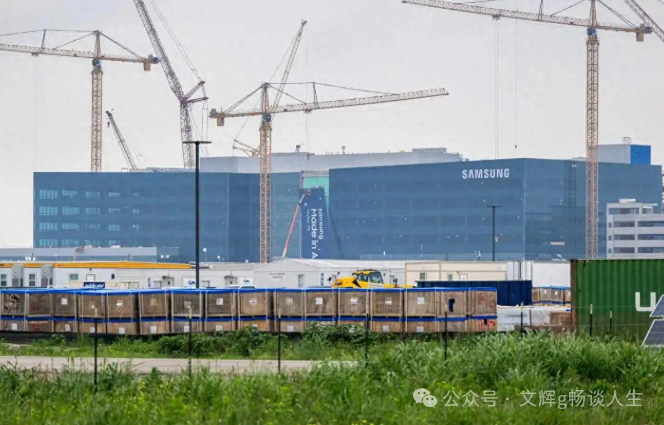
In the past 24 hours, the Texas night sky has not yet faded. SpaceX and Samsung Semiconductor have put their signatures on the contract —an advanced packaging production line worth 100 billion yuan. More dramatically, Musk made the decision on the spot, dropping a hardcore catchphrase: ‘I will personally oversee the battle!’ The adrenaline of the executives on site surged. What does this mean? The chip industry is about to change its script.
Who is Playing the Cards Behind the ‘100 Billion Contract’
The number is large, but don’t be misled by appearances. I flipped through the prospectus and supply chain contracts and found three hidden lines: 1. Packaging is the second half. TSMC is still the leader in computing chip manufacturing. However, high-density packaging is shifting to terminal factories. Whoever controls the capacity will guard the profit pool. Samsung’s move to ‘lower its stance and kneel to deliver a game-changer’ is actually betting on the last mile. 2. SpaceX wants not inventory but timeliness. The xAI training cluster is pulling in 200,000 H100s this year. Delaying for another six months would turn it into an electric tiger. There is an urgent need to finalize the self-developed Dojo D2 and high-bandwidth HBM packaging locally. Shipping time is a critical factor. 3. The Chinese market has huge variables. The customs database I obtained shows that in the past 12 months, China’s imports of advanced packaging equipment increased by 47% year-on-year. The buyer list includes both complete machine manufacturers and new energy vehicle companies. Who says only the U.S. is burning money?
The data is clear. The logic is also clear. Samsung is exchanging packaging technology for orders. SpaceX is exchanging cash for delivery times. Both sides want to choke their opponent’s valve core.
What Does Musk’s ‘Personal Oversight’ Actually Manage?
Don’t mistake him for just a social media loudmouth. The operational details are even more intense.• First, the production line is leveled. The new factory in Austin will use hybrid bonding + silicon through-hole 3D packaging, and Samsung will bring in equipment and personnel to set up the entire line. What Musk wants to intervene in is the rhythm. The output rhythm of each packaging island must align with the xAI training window. A one-day delay could push back an update of the autonomous driving algorithm.• Second, the quality red line. SpaceX’s rocket components have long implemented a ‘one board all the way’ accelerated aging test. This time, he is bringing the same process to chip packaging. Stress impact + vacuum cycling compresses the original 28-hour validation into 12 hours. Samsung engineers are losing hair, but they have to grit their teeth and comply.• Furthermore, the supply chain is de-dollarizing. The contract stipulates: bulk raw materials will be settled in offshore RMB. Chinese quartz ring manufacturers and specialty gas manufacturers will directly receive long-term orders. Costs are reduced, and exchange rate risks are locked in.
In short, Musk is not focused on the screws but on the clock. Whoever can keep the clock steady will win.
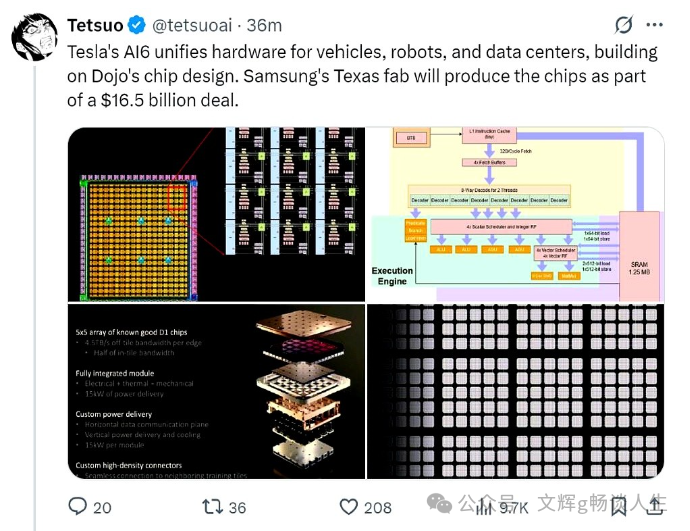
100 Billion Yuan Invested in the Packaging Circle: The Global Landscape is Slightly Shifting
Outsiders love to talk about the ‘chip cold war,’ but I prefer to call it a ‘puzzle race.’ Design, manufacturing, packaging, and testing are four boards. Now, each board wants to stabilize its own grip.• The U.S. is providing subsidies to domestic manufacturers. The EU is intercepting with carbon tariffs. Japanese companies are frantically clearing out photoresists.• China has not loudly shouted slogans. Instead, it is quietly drilling down packaging, materials, and EDA tools. In the first three quarters, domestic 2.5D + 3D packaging shipments increased by 48%. Against the backdrop of a sluggish consumer market, this growth rate is exceptionally eye-catching.• South Korea is betting on SpaceX this time, putting all its eggs in the private aerospace basket. The risk is high, but the rewards are great. If Dojo 2 climbs smoothly, Samsung’s packaging share could rise back to 25%. If delayed, the funding chain could tighten instantly.
Therefore, the 100 billion contract is not a solo act. It is a dynamic adjustment of the global supply chain. The chessboard has not been flipped, but the squares are sliding.
How Wide is the Opportunity Window for China?
First, look at the policy. This year, four pilot provinces for data factor markets have emerged. The demand for domestic AI training computing power has been cranked up to the maximum. Who will package the domestic accelerated chips? The answer is clear.Next, look at capital. Two advanced packaging equipment companies on the Beijing Stock Exchange have just received oversubscription, and three more are queued this month. The influx of money proves that expectations are heating up.Finally, look at technology. Wuhan’s high-throughput solder ball jetting process has been mass-produced, with a yield rate climbing to 97% within six months. I have seen samples at automotive MCU manufacturers. Their performance is on par with foreign products.
The window is here. Dare to rush, and there is a chance.Don’t forget, Musk’s choice to settle in RMB is itself a side confirmation of the hard power of the Chinese supply chain.
I believe that treating the packaging link as a system engineering project is far more important than a single-point technological breakthrough. For the industry to run smoothly, capital, orders, and talent need to be pressed together. Musk’s phrase ‘personal oversight’ sounds arrogant but reminds everyone: the focus of the chip value chain is shifting. Whoever can keep the rhythm will gain the voice. This moment is crucial for testing industrial collaboration. One step slow, and the production line idles; one step fast, and it may lead to a new paradigm. The future depends on the speed of action and system thinking.