Hello everyone, I am Engineer Ning! A serious frontline developer dedicated to solving any confusion regarding PCBs!
Brothers, I haven’t run away. Today, I will document some insights on flexible boards.
Considerations for Circuit Design:
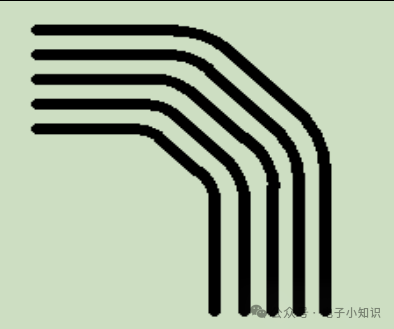
1. Use arc routing to reduce stress caused by bending. Avoid using 45-degree angles.
2. At the corners of the outline, add protective lines to increase lifespan and prevent signal lines from breaking.
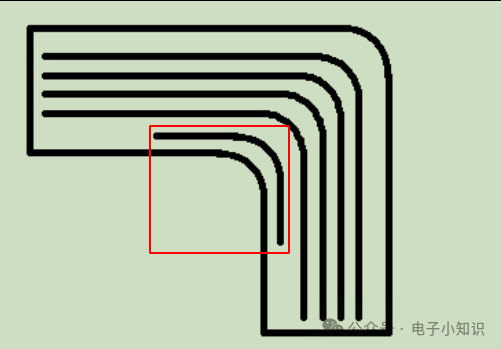 3. Use grid copper for copper pouring, which is more reliable. Avoid using solid copper.Considerations for Pad Design:1. If space allows, the pad diameter should be larger than the opening of the cover film (CVL) so that the cover film covers part of the pad, thereby increasing the bonding strength of the pad. (Covering the pad by 5MIL is sufficient)2. If space is insufficient and the pad cannot be enlarged, you can increase the bonding strength by adding pad toes.
 The size of the pad/cover film opening/hole generally corresponds to the following table (unit: MIL):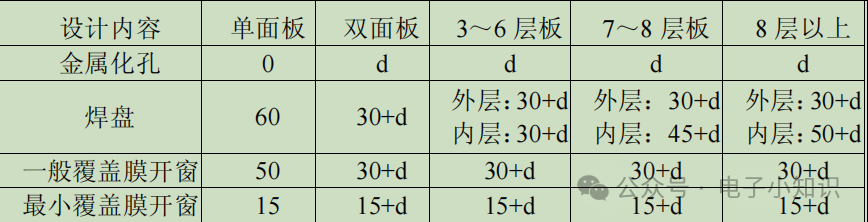
Continuously updated, feel free to leave comments for additions!
As usual: Old friends like, new friends follow, continuously sharing practical PCB design tips to enhance the value of technical personnel! 
Contact me on WeChat for occasional outsourcing needs. Note: Outsourcing