With the rapid development of electronic technology, the component density on PCB boards has doubled, and the signal transmission speed has increased, leading to more severe heat accumulation problems. This poses a significant challenge to the heat dissipation performance of circuit boards. If you are still troubled by poor heat dissipation on circuit boards, you might want to check out the methods below!
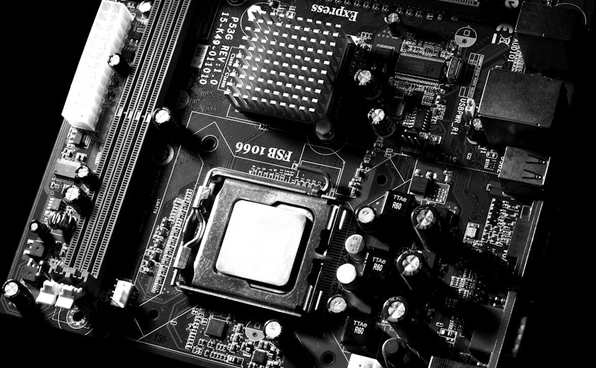
1. Optimize Component Layout
When arranging components, temperature-sensitive devices, except for temperature sensors, should be placed near the air intake and upstream of high-power, heat-generating components, as far away as possible from heat-generating components to avoid radiant heat effects. At the same time, components that generate heat but are heat-resistant should be placed near the air outlet or at the top. If they cannot withstand high temperatures, they should be placed near the air intake and staggered in position with other heat-generating and temperature-sensitive components in the direction of rising air. High-power components should be dispersed to avoid concentrated heat sources, and components of different sizes should be arranged as evenly as possible to distribute airflow resistance evenly.
2. Use Heatsinks Wisely
For components that generate a lot of heat, heatsinks or heat pipes can be added for cooling. When it is impossible to lower the temperature, heatsinks with fans can be used to enhance cooling effects. Additionally, the configuration of the heatsinks should facilitate the circulation of heat exchange air within the cabinet. When relying on natural convection for heat exchange, the length of the heatsink fins should be perpendicular to the ground; when relying on forced air cooling, it should be oriented in the same direction as the airflow.
3. Utilize PCB Heat Dissipation
By using large areas of copper plating or thermal vias to conduct heat to the plane layers of the PCB, the entire PCB can be utilized for heat dissipation. Additionally, consider using a heatsink backplane, which is a heat sink placed on the back of the PCB that can improve heat dissipation by increasing the heat dissipation area.
4. Use Thermal Materials
Thermal paste is a material that can fill tiny gaps and improve thermal conductivity, commonly used on contact surfaces between heat-generating components and heatsinks, enhancing cooling effects. Furthermore, consider using PCB materials with excellent thermal performance, such as aluminum substrates.
5. Optimize Heat Dissipation Structure
Structures such as heat pipes and heat shields can be arranged on the PCB to accelerate heat transfer and improve overall heat dissipation performance; heat shields can cover heat-generating components to prevent heat loss and interference from the external environment.
This article is an original piece by Fan Yi Education. Please indicate the source when reprinting!