Produced by 21ic China Electronics Network Cai Lu
Website: 21ic.com
Despite 2020 being a challenging year, STMicroelectronics’ STM32 has made efforts to provide opportunities for developers to communicate face-to-face. From September 13 to September 25, the 2020 STMicroelectronics STM32 National Roadshow successfully concluded after 13 days. As an annual event for engineers to gain insights into the latest products in the embedded field and trends in artificial intelligence and IoT technology, this year’s STM32 theme was “Secure Connections, Intelligent Innovations”, collaborating with IoT ecosystem partners to visit 14 cities, including Shenzhen, Hangzhou, Zhengzhou, Changsha, and Nanjing.
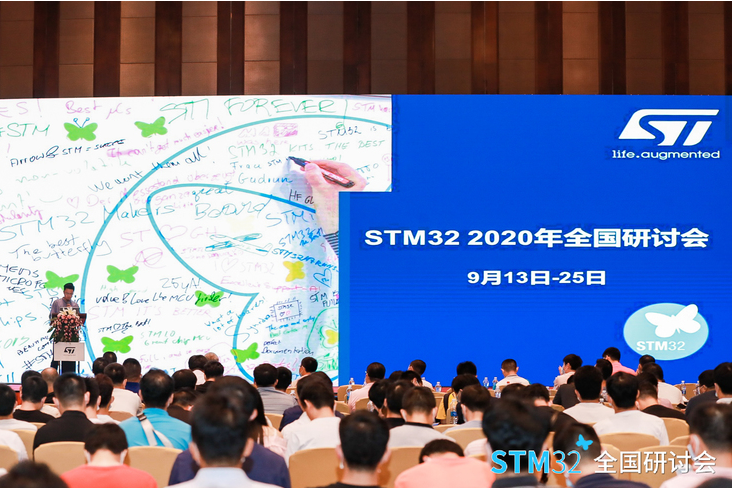
Figure: 2020 STM32 National Seminar SceneDuring this seminar, STMicroelectronics presented the latest technological innovations based on STM32, along with product solutions and diverse application examples in the fields of IoT security, smart industry, wireless connectivity, edge artificial intelligence, and graphical user interfaces.Next, let’s savor the charm of STM32.01Product Iteration Upgrade, Supporting IoT InnovationAs a leading representative in the embedded chip field, STM32’s applications can be seen everywhere, from fast-moving consumer goods to industrial products, and various cutting-edge applications. Meanwhile, to welcome the era of interconnected devices, STM32’s product capabilities are continually evolving.For instance, to simplify the complex software development challenges faced by IoT node developers, STMicroelectronics recently launched the latest STM32 exploration kit—B-L4S5I-IOT01A STM32. This new kit includes a programming interface for the FreeRTOS™ operating system, certified according to relevant standards, fully integrated within the STM32Cube development ecosystem, with direct connectivity to Amazon Web Services (AWS).The hardware tools include an STM32L4+ microcontroller development board, equipped with various MEMS sensors from STMicroelectronics, an STSAFE-A110 security unit, a Bluetooth® 4.2 module, a Wi-Fi® module, and an NFC tag with a printed antenna for low-power cloud connectivity, along with the X-CUBE-AWS v2.0 STM32Cube Expansion Pack software package.This development kit can serve as a reference design, greatly simplifying and accelerating the development of final products.The STM32L4+ board can meet market demands for IoT node performance and power consumption, featuring the ultra-low-power STM32L4S5VIT6 Arm® Cortex® -M4 microcontroller with 2MB flash memory, 640KB RAM, digital and analog peripherals, and a hardware encryption accelerator.Onboard sensors include the HTS221 capacitive digital relative humidity and temperature sensor, LIS3MDL high-performance 3-axis magnetometer, LSM6DSL 3D accelerometer and gyroscope, LPS22HB digital output absolute pressure barometer, and VL53L0X time-of-flight and gesture detection sensor, along with two digital omnidirectional microphones.
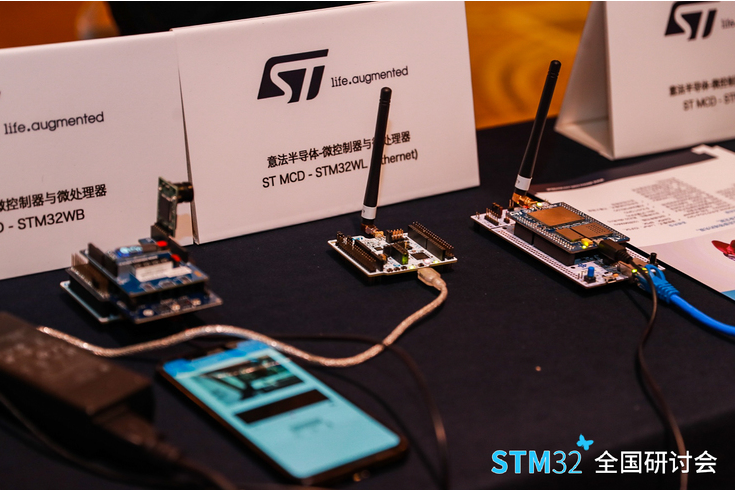
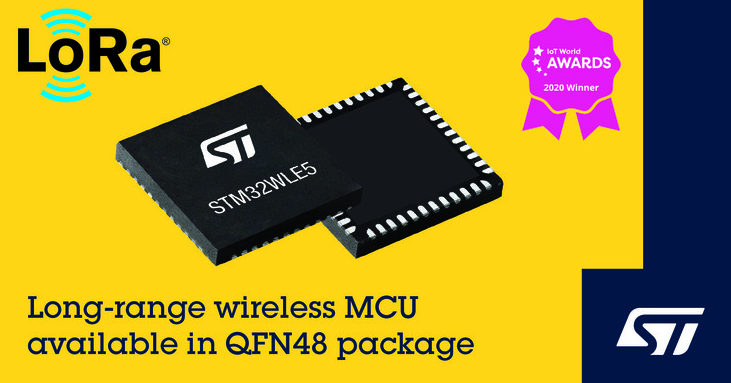
Figure: STMicroelectronics STM32 Series Product DisplayAdditionally, STMicroelectronics introduced a new QFN48 package for the STM32WLE5 series, enabling various integrated functions, energy efficiency, and flexible modulation for multiple industrial wireless applications.Notably, the STM32WLE5 is the world’s first system-on-chip supporting LoRa®, characterized by high performance, low power consumption, and compact packaging, significantly simplifying the product manufacturing process and effectively reducing bill of materials (BOM) costs.Furthermore, the STM32WLE5 supports various RF modulation methods, including LoRa spread spectrum modulation, as well as (G)FSK, (G)MSK, and BPSK signal modulation methods used in various Sub-GHz remote protocols, including proprietary protocols.The chip’s RF stage is designed and manufactured by STMicroelectronics, capable of addressing RF design issues in the global market, featuring both low power (14dBm) and high power (22dBm) transmission modes, with excellent linear performance across the 150MHz to 960MHz frequency bands, covering unlicensed bands below 1GHz, ensuring compliance with global RF regulations; meanwhile, the minimum receive sensitivity is -148dBm, which helps maximize RF reception distance.Given these excellent characteristics, the system-on-chip was awarded the “Best IoT Connectivity Solution” at the 2020 World IoT Conference.
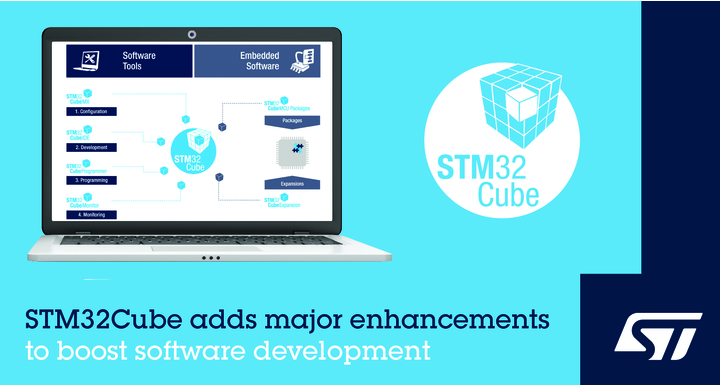
02Improving Ecosystem, Enhancing Development EfficiencyFor embedded development, merely having a strong product lineup is far from sufficient; a complete ecosystem must be established to accommodate various development environments. In this regard, STMicroelectronics has launched a rich STM32 development ecosystem to meet the diverse needs of developers. The STM32Cube tool family is a crucial component of the STM32 ecosystem.Recently, STMicroelectronics updated the STM32Cube® ecosystem software, making it easier for users to filter software examples, collect and utilize development tools, and customize, use, and share STM32Cube expansion software packages.Reportedly, these updates have introduced new enhanced features to the MCU configuration and project settings tools (STM32CubeMX version 6.0) and the STM32CubeIDE v1.4 multi-OS C/C++ development platform. Now, both tools can directly access the latest STM32Cube MCU software packages and expansion packs, which include the software needed to operate STM32® microcontrollers and peripherals, as well as external components like sensors or communication interfaces.Additionally, users can start project development by selecting any software example from a vast collection, while easily viewing software examples through both tools.The STM32Cube MCU package is a software package dedicated to specific microcontrollers and product series, facilitating developers’ use of microcontroller functions and peripherals, including peripheral drivers, middleware, examples, and board support packages (BSP). The STM32Cube expansion package is software developed by STMicroelectronics or third parties, allowing developers to flexibly add new features like board support packages or middleware within the software package while maintaining the integrity of the STM32Cube ecosystem.This update has introduced a new STM32PackCreator tool in STM32CubeMX 6.0, allowing users to create and share their developed STM32Cube expansion packages. STM32PackCreator guides users through the development of expansion software packages and helps ensure that the newly developed expansion packages can be opened and configured in both STM32CubeMX and STM32CubeIDE tools.Meanwhile, the STM32CubeMX 6.0 version also assists users in finding all available development tools within the STM32Cube ecosystem, as well as other design tools from STMicroelectronics, and launches STM32PackCreator and eDesignSuite software from STM32CubeMX 6.0, facilitating the design of related system functions, including signal conditioning circuits, power conversion, and RF circuits.
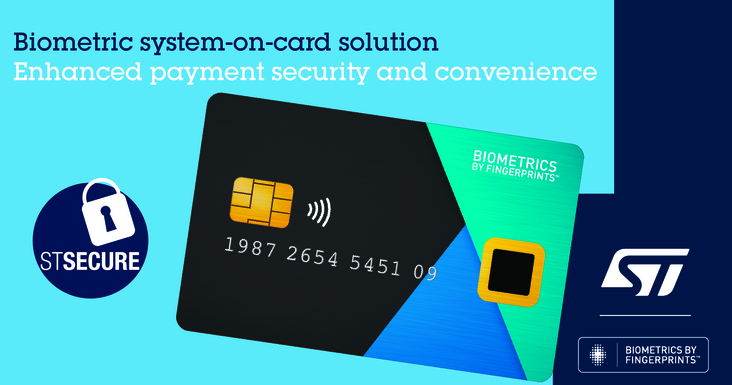
To accelerate the development process of advanced and efficient power solutions, STMicroelectronics has also launched the STM32 digital power ecosystem, assisting designers in developing digital power solutions using STM32 microcontrollers (MCUs).Digital power refers to a new class of devices that can optimize energy efficiency and achieve diagnostic and safety protection functions by capturing rich data. Designers can improve power density through digital control, reducing product size and weight. This is crucial for data centers, 5G infrastructure, smart lighting, and mobile devices.The STM32 D-Power website integrates all resources needed for developing digital power, including the STM32 Discovery Kit multi-functional digital power development kit, embedded software components, software tools developed by ST-authorized partners Biricha Digital, demonstration boards for various designs and power values, as well as technical documents, video tutorials, and guides suitable for developers at all levels from beginners to professional power designers.This ecosystem can support three levels of STM32 digital power microcontrollers, which integrate the advantages of the industry-standard Arm® Cortex® -M core with on-chip features optimized for digital power applications. The STM32F334 entry-level, STM32G474 mid-range, and high-performance STM32H7 series MCUs all include a flexible high-resolution timer for generating high-precision pulse-width modulation (PWM) signals, achieving stable control over switch-mode power supply circuits.03Strengthening Strategic Cooperation, Building a Smart EcosystemIn addition to focusing on technological innovation and user experience, strengthening strategic cooperation is also an indispensable part of the STM32 ecosystem. To enhance technical capabilities and expand domestic and international market capabilities, STMicroelectronics has established long-term partnerships with numerous companies both domestically and internationally.For example, STMicroelectronics recently collaborated with biometric technology company Fingerprint Cards to develop an advanced biometric card-on-chip solution based on fingerprint recognition technology—BSoC integrated system. By integrating STMicroelectronics’ latest generation of secure payment technology based on the ST31/STPay chipsets and STM32 general-purpose microcontrollers with Fingerprints’ next-generation T-shaped sensor module, a complete battery-free secure payment solution has been provided for the banking market.
Additionally, as a partner of STMicroelectronics, the AI software development company Cartesiam recently released an optimized version of the NanoEdge™AI Studio software tool for STM32 development boards. Cartesiam’s NanoEdge AI Studio development environment eliminates traditional AI development barriers, targeting enterprises lacking machine learning expertise. The new version allows any embedded developer to quickly develop powerful AI solutions using STM32 microcontrollers. Among its many optimization features, it can also directly record field data in NanoEdge AI Studio via the serial/USB ports of STM32 and Cartesiam’s enhanced automatic data compliance checks and quality validation tools.The NanoEdge AI Studio developed by Cartesiam is a user-friendly software tool that enables system designers to leverage low-power Arm® microcontrollers to integrate machine learning algorithms directly into IoT devices, home appliances, industrial machinery, and various other product devices, making the entire process quick, easy, and cost-effective.This software allows devices to learn normal behavior and detect any changes in that behavior, even in complex and noisy environments, enabling the detection of anomalies.Additionally, the new version offers a new hardware platform option, allowing developers to directly select STMicroelectronics’ Nucleo-F401RE or Nucleo-L432KC development boards. Upon selecting these boards, users can unlock the final step of the design process and download custom machine learning libraries that can run immediately on the selected hardware platform.
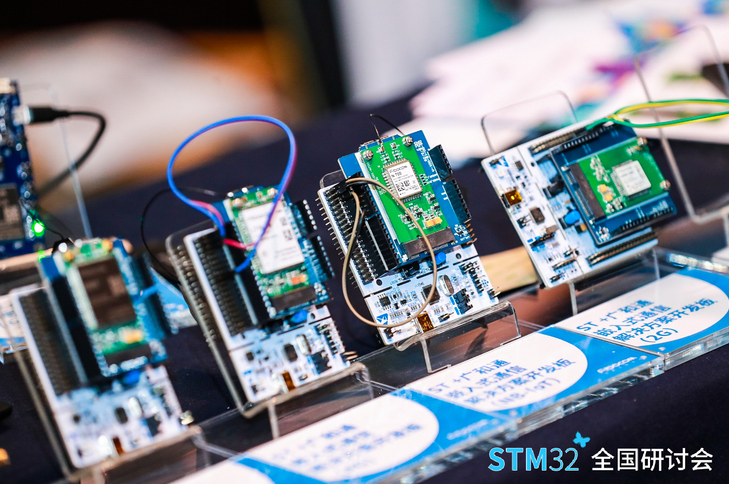
Figure: STMicroelectronics and Guanghetong jointly launched embedded communication solution development boardsFurthermore, to further enhance the wireless connectivity capabilities of STM32 microcontrollers, STMicroelectronics has also signed two acquisition agreements—acquiring 100% of the equity of ultra-wideband technology design company BeSpoon and the cellular IoT connectivity assets of Riot Micro. After the normal regulatory approval process is completed, STMicroelectronics will further enhance its services in wireless connectivity technology, particularly improving the product planning of STM32 microcontrollers and secure microcontrollers.Reportedly, BeSpoon is a fabless semiconductor design company specializing in ultra-wideband (UWB) communication technology. By adopting this company’s technology, STMicroelectronics can achieve centimeter-level accuracy for secure real-time indoor positioning in adverse conditions. Integrating this important secure positioning technology into the STM32 product portfolio will enable developers of IoT, automotive, and mobile communication applications to provide secure access control and accurate indoor and outdoor mapping services.Riot Micro, on the other hand, is a developer of cellular IoT solutions, providing market-tested low-power Bluetooth (BLE), Wi-Fi, LTE Cat-M, and NB-IoT technology-optimized systems for cost and power consumption. Integrating cellular communication capabilities into the STM32 product portfolio will enhance the product features offered to developers for applications like asset tracking, metering, and fleet management.
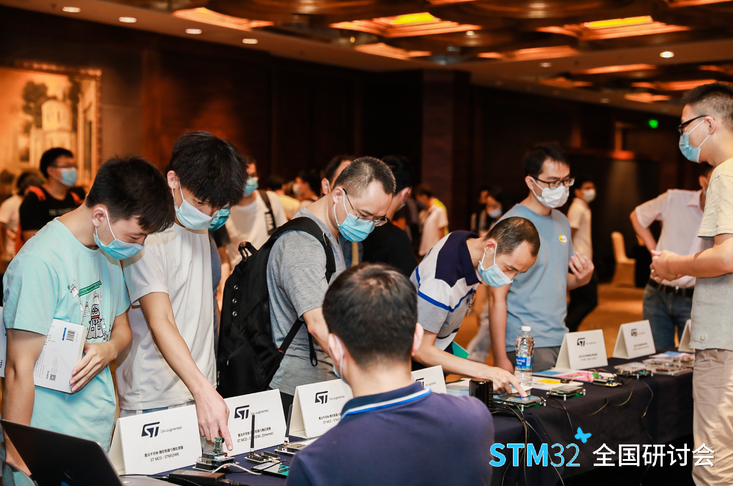
Figure: STM32 Product Communication SceneIn summary, after more than a decade of growth, the product performance and ecosystem of STM32 have undergone significant upgrades. These embedded development “tools” are sure to meet the expectations of developers!
Recent Hot News
[1]In the run-up to the IPO, Ant Group launched another “Alipay”[2] x86 Crisis? Tencent and Baidu’s “Preference” for Arm Doubles Again![3] No EUV lithography machine needed, SMIC’s N+1 process to begin trial production by the end of the year
Practical Skills Articles
[1]About PCB Reflow, This Article Is Enough![2] Essential Reading for PCB Practitioners: Special Routing Techniques and Tips![3] Practical! Protection Circuits in Port Design What’s the Difference Between You and Expert Engineers?Join the Technical Exchange Group for Face-to-Face Interaction with Experts Add the Admin’s WeChat