After work, you want to enjoy a hot cup of coffee but are faced with a table full of dishes, and on weekends, piles of dirty laundry accumulate while you try to catch up on sleep—this is the household anxiety of workers today, which AI is now set to solve. Recently, two popular smart household robots have brought “future living” into our daily lives.The tech industry’s popular “household helper” Memo resembles Wall-E from the movie “WALL-E” and stands 1.7 meters tall while being highly mobile. During a demonstration in California, it was able to accurately complete the entire coffee brewing process upon receiving a voice command, and it can even single-handedly pick up two wine glasses and place them in the dishwasher, successfully operating even in a messy kitchen.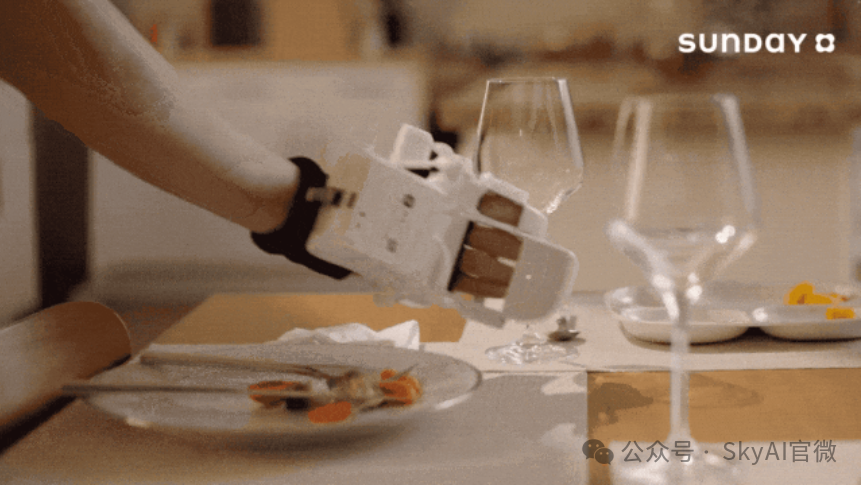 The agility of Memo comes from advanced technology: the development team used a $400 sensing glove to capture human movements, generating 10 million sets of data to train the AI, enabling it to better understand the details of daily life, which has been recognized by experts from the University of California. It will begin home testing next year and will be capable of tasks such as folding clothes and organizing items.
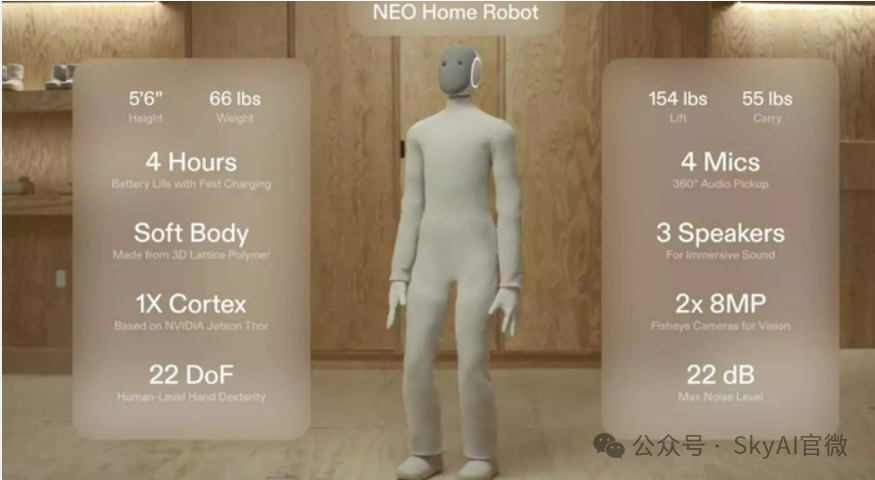
 The humanoid household robot Neo, invested in by OpenAI, is officially described as the world’s first humanoid robot designed to change family life for consumer use. This robot can operate for up to 4 hours on a single charge, stands 1.68 meters tall, weighs 30 kg, has a maximum load capacity of 25 kg, and is equipped with a camera that allows users to view the robot’s perspective remotely. Neo can be controlled via a mobile app or voice commands and can be programmed to perform various household chores, such as watering plants, cleaning the dishwasher, or tidying up rooms.
 AI household robots have evolved from cleaning tools to family members. As the CEO of Sunday Robotics stated, their mission is to free humans from mundane tasks. Although the price is relatively high, they can save time for family companionship and enjoying life.