Playingfootball, makingclaypot rice, folding clothes…
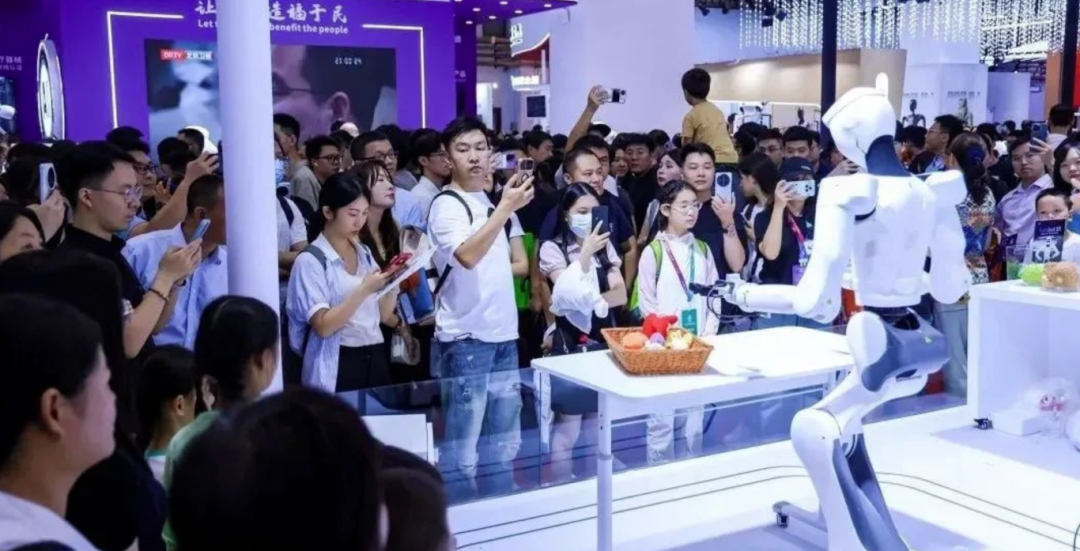
At the 2025 World Robot Conference, robots showcased their “skills” in the coolest ways, supply chain companies took center stage, and domestic robots competed alongside international giants… This “robot mobilization” clearly points to a trend – robots are getting closer to the daily lives of ordinary people.
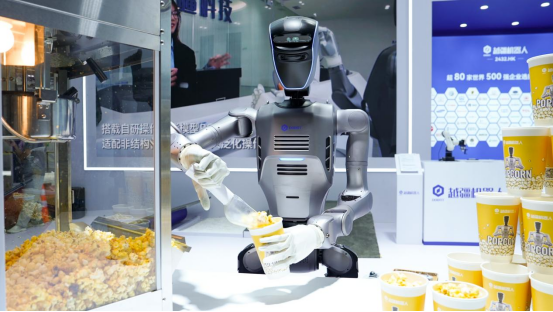
Inside the venue, over 30 robotics companies from Guangdong made their presence felt; outside, the world’s first robot 6S store recently opened in Shenzhen… “Three minutes on stage, ten years of hard work off stage,” Guangdong’s solid strength in the robotics field is backed by a deep industrial foundation. According to statistics from the Tianyancha platform, as of August 4, 2025, there are over 10,000 robotics companies clustered in 22 cities across the country, with Shenzhen, Guangzhou, and Shanghai leading with 65,291, 53,288, and 45,801 robotics companies respectively.
From stumbling to walking steadily, and then to running fast, robots are getting closer to daily life, while Guangdong is moving closer to a high-end position in the global robotics industry value chain.
Precision Instruments Transform into “Workers”
After touring the entire venue, the biggest impression is that robots have begun to enter our lives. Various robots competed on the same stage, trying to prove that they are no longer just precision instruments in laboratories or cold technical parameter displays, but living, moving “workers”.
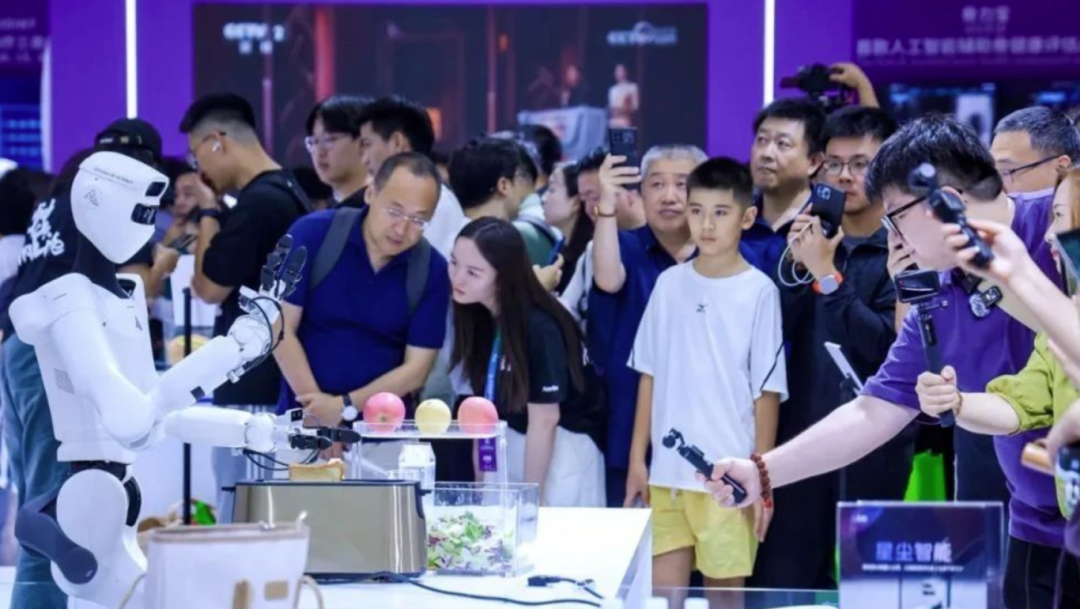
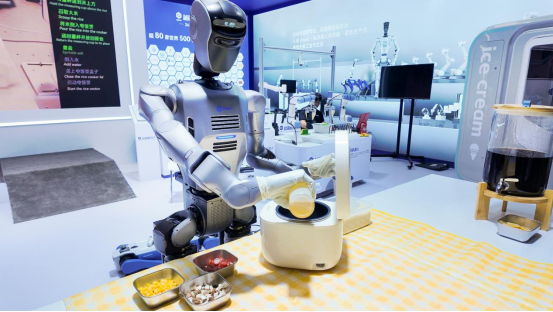
The hottest “job-seeking” field is service robots. For example, the “One-Day Robot Partner Scenario” showcased by Stardust Intelligence features robots as accessible daily companions: in the morning, S1 prepares a nutritious breakfast, then efficiently organizes the owner’s belongings; in the afternoon, S1 seamlessly switches to commercial service mode, completing the entire process of grinding, filtering, and brewing coffee with millimeter-level trajectory precision in a simulated boutique café, serving fragrant customized afternoon tea. Additionally, companies like Zhifang, Yujian, Elephant Antai, Self-Variable, and Zero-Order are also transforming into “nannies” and taking up their roles.
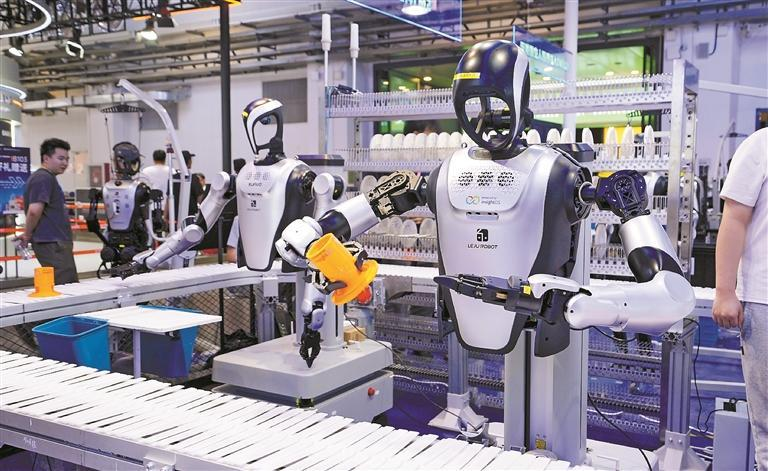
Another popular track is in the industrial sector. Companies like Leju Robotics, UBTECH, Guangzhou Ligong Industry, and Zhifang have moved their production lines to the venue. In practice, these robots have entered manufacturing workshops of companies like FAW, BAIC, and Dongfeng Liuqi, undertaking specific production tasks, including loading and unloading materials, towing material carts, labeling windshields, and storing protective cloths, covering multiple aspects of assembly, inspection, logistics, and operation.
Some robots are applying for roles in firefighting and rescue, rehabilitation assistance, etc. Stardust Intelligence and Zhujidongli have launched remote operation platforms, consisting of VR headsets and handheld joysticks. The hand gestures captured by the joystick are mapped to the position and direction of the robot’s end effector, which are then converted into joint commands through whole-body control (WBC). In simple terms, when you move, the robot moves, completely mimicking human actions. In extreme environments like rescue operations, people can stay in safe locations while sending such robots into action remotely.
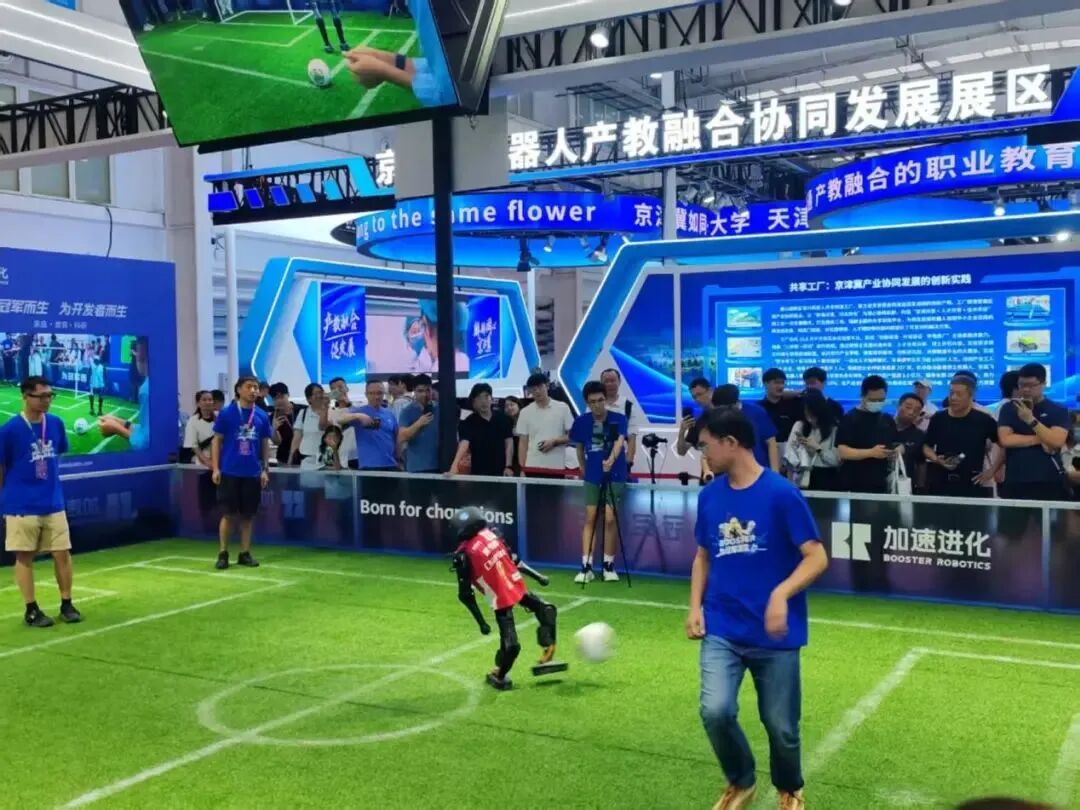
Elements close to life have surged into the venue, showcasing the breakthrough results of humanoid robots integrated with technologies like 5G-A and AI large models. In the past, robots were mostly driven by preset programs, and could not perform actions slightly beyond the set range. However, the robotics industry in the field of embodied intelligence has utilized large models, with various open-source and self-developed VLA (Vision-Language-Action) models bringing more possibilities to robot functions. It can be said that while robots used to rely on rote memorization, they now have smarter brains and more flexible bodies, leading to an explosion in learning capabilities.
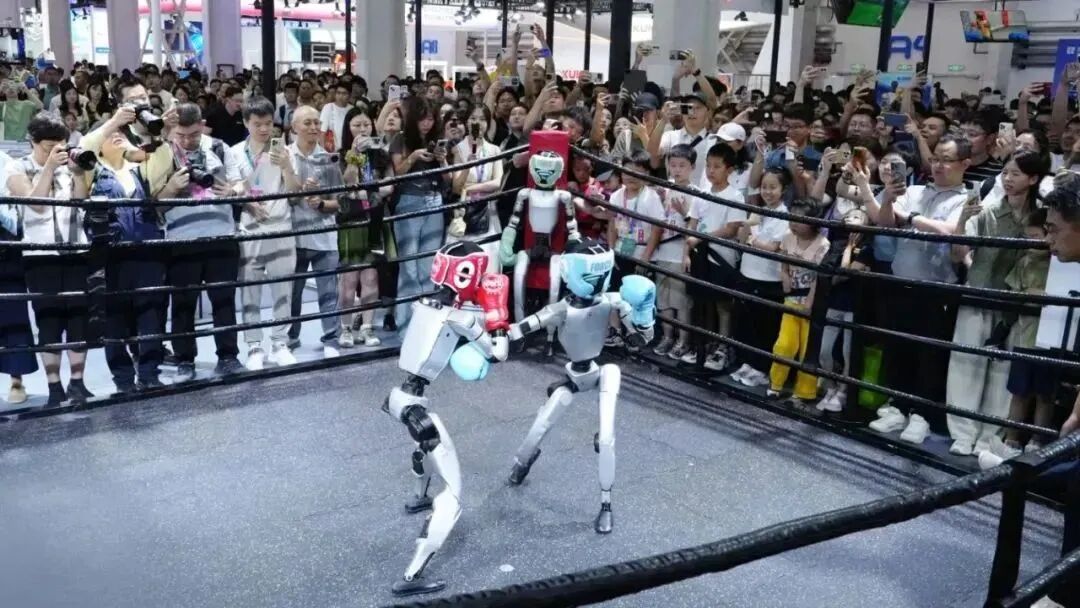
The adaptability of robots has also significantly improved. At the exhibition, staff casually tossed a crumpled piece of paper, and the robot was able to autonomously locate and retrieve it. Additionally, robots can complete diverse tasks. For instance, a robot from Zero-Order can pick up a toy from the ground and hand it to passing children, and then autonomously wipe coffee stains off a table. The seamless switching of scenarios is a hallmark of the “evolution” of general embodied intelligent robots.
Industry Chain and Supply Chain Draw Closer
Among the Guangdong companies participating in the exhibition, in addition to application-oriented robotics companies, there is also a group of supply chain companies stepping into the spotlight. For example, Damiou provides motor drivers, Kemeng offers robotic joint modules and components, Xinjingcheng supplies pressure sensors, Sutech provides laser radar and perception solutions, and Yiwei Lithium Energy and Grep supply batteries… From precision planetary gear reducers to modular robot chassis, to dexterous robotic hands, they all made their appearances.
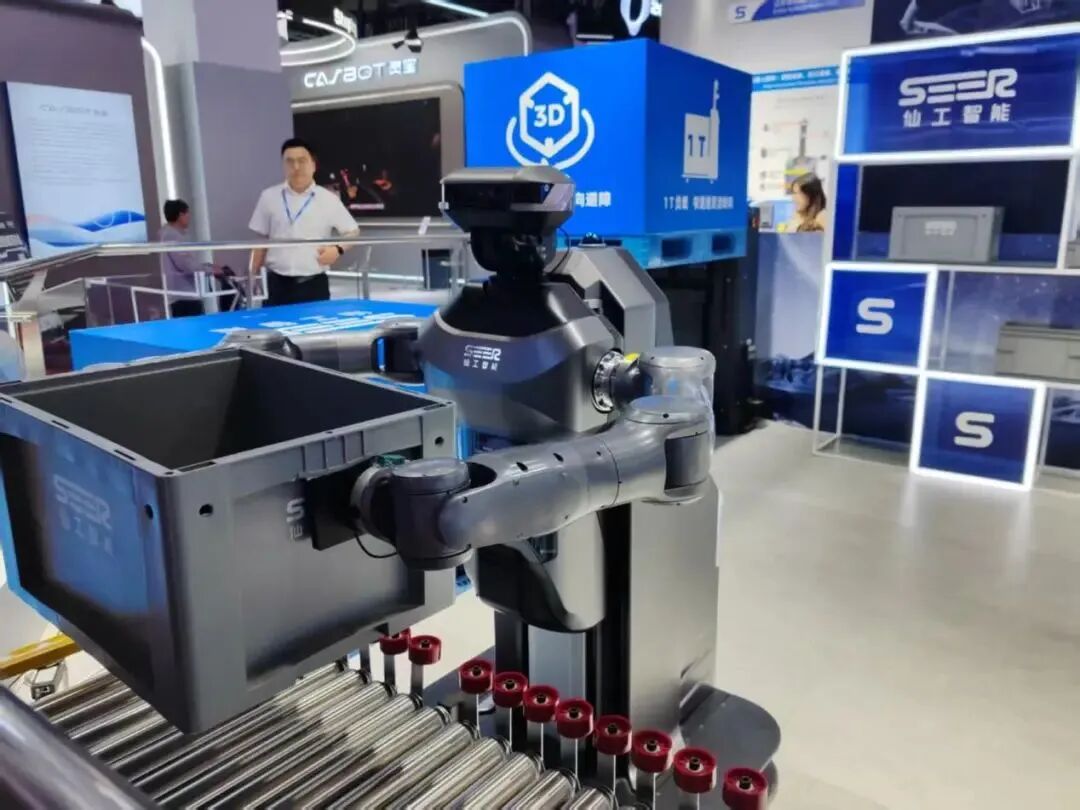
This sends a signal – the rise of upstream forces in the industry chain and the simultaneous warming of the industrial ecosystem.
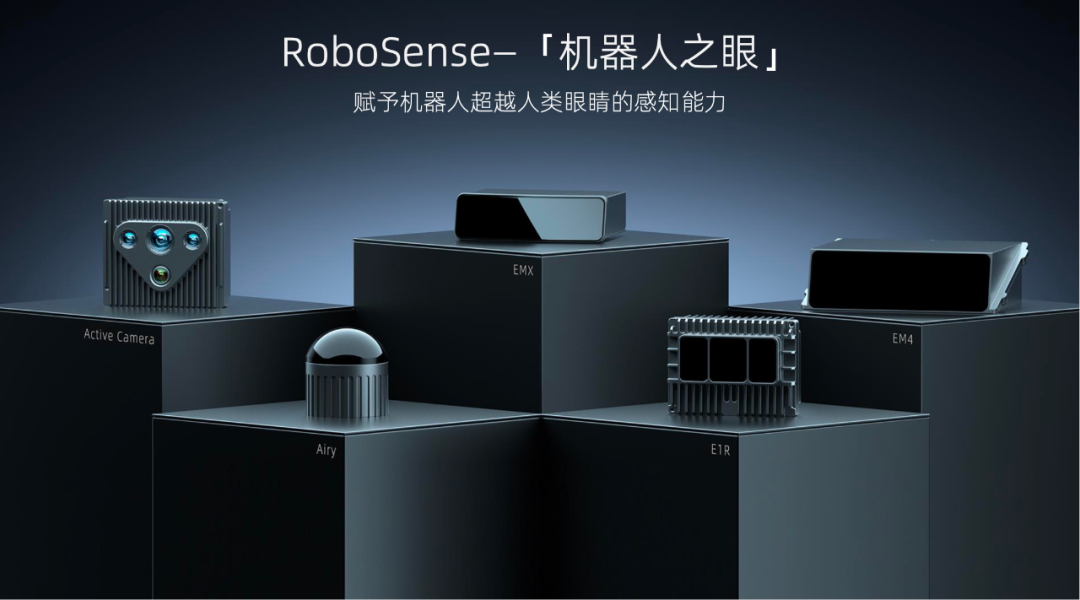
Shenzhen Sutech, originally a developer of laser radar, showcased its “Robot Eye” series – Active Camera, breaking through the technical bottlenecks of traditional 3D vision that “cannot see clearly, cannot see accurately, and reacts slowly”.
What level has the domestic supply chain developed to? Sutech’s marketing director, Xie Tiandi, gave an example: a foreign logistics client developed an operational vehicle that initially installed dual cameras, but would “go blind” when switching between indoor and outdoor due to changes in lighting, or when going up and down stairs due to height differences. To meet the needs of different scenarios, functions were continuously piled on, resulting in the vehicle having over 20 sensor groups, each requiring dedicated code to drive. “Later, they adopted our product, using only 2 sensor groups, which can be applied in both high-speed and long-distance scenarios,” Xie Tiandi said, which can accelerate the entire robot development efficiency.
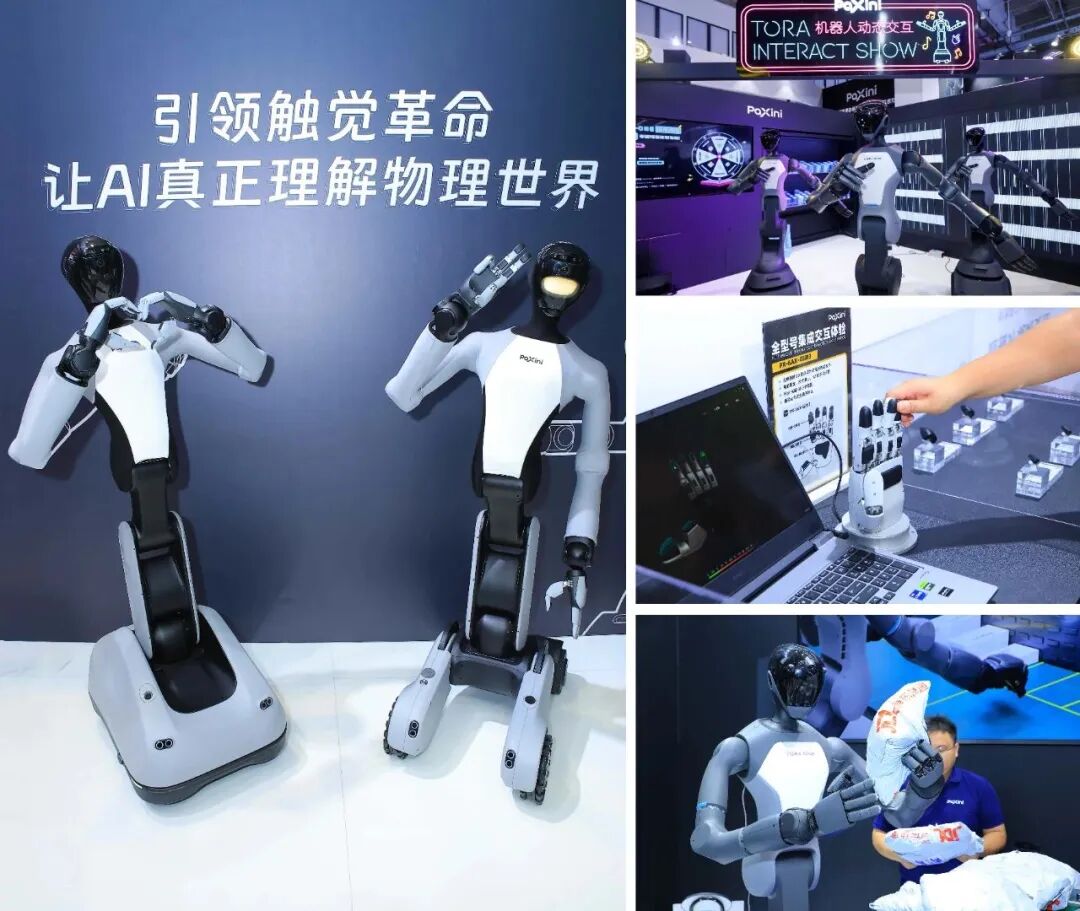
Pasini also brought various testing instruments from the laboratory to the venue, allowing the audience to intuitively feel the degree of “evolution” of sensors. One limitation of robots is that while humans can perceive and recognize external stimuli through their sensory systems, robots often do not know what they are “touching” and find it difficult to truly interact with the physical world. However, the sensors developed by Pasini can convert interactions with the external world into digital signals.
For robots to provide household services close to daily life, they need to perceive many intricate details. For example, a simple action of serving tea and pouring water, if too much force is applied, may crush a paper cup, while too little force may not be able to hold it. Robots equipped with Pasini sensors can detect changes in force, even down to 0.01N, endowing them with finely tuned sensitivity.
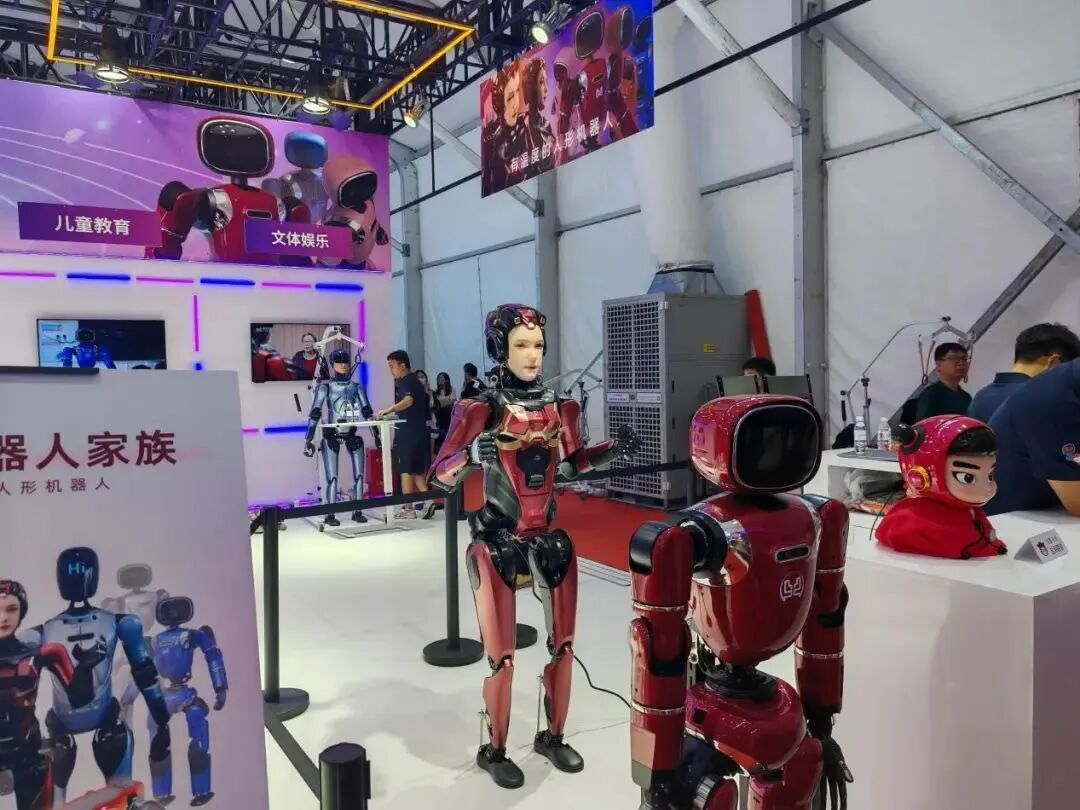
A large number of robotics companies have gathered in Guangdong, forming an efficient and unique agglomeration ecosystem. Shenzhen, with over 60,000 robotics companies, firmly holds the title of “First City”; Guangzhou ranks second in the country, with over 50,000 robotics companies. Currently, Guangdong has a complete industrial chain from AI chips and sensors to complete machine manufacturing, as well as a super-large urban agglomeration providing rich application scenarios.
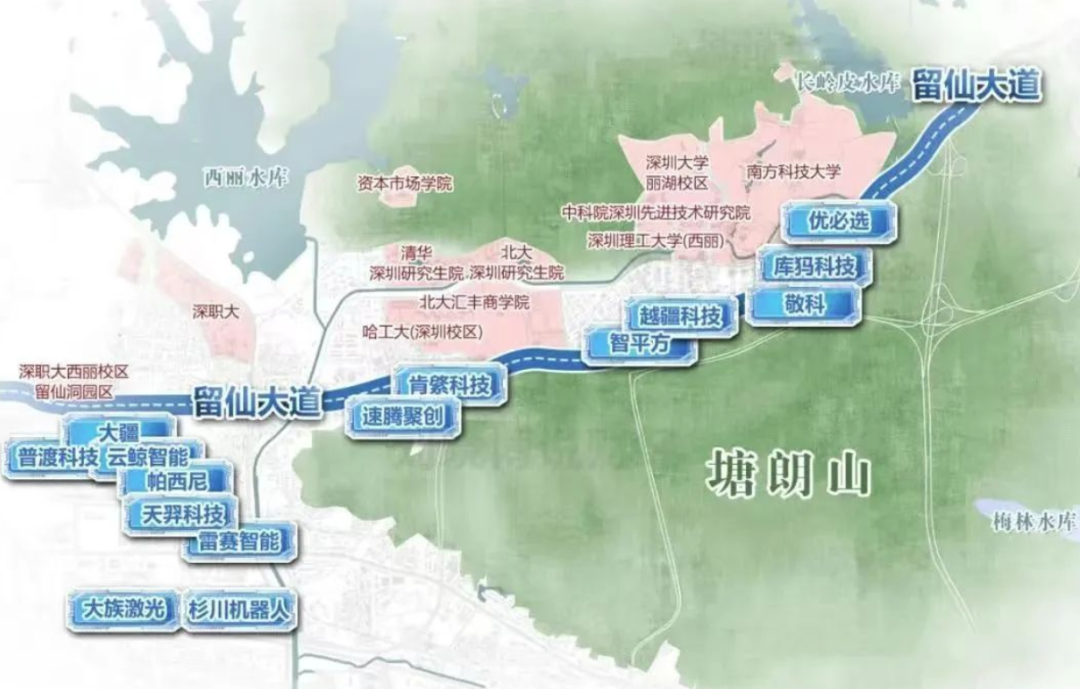
Nanshan District in Shenzhen is renowned as “China’s New Silicon Valley,” and the “Robot Valley” is located in the northern area of Nanshan. This narrow valley is home to many stars: listed companies in the robotics industry chain such as Yujian Technology, Sutech, and UBTECH, as well as leading companies in niche fields like Kengjing Technology, Yunji Intelligent, and Pudu Technology. At the same time, nearly 10 universities and research institutions, including Southern University of Science and Technology, Harbin Institute of Technology (Shenzhen), Shenzhen Institute of Advanced Technology, and Tsinghua University Shenzhen International Graduate School, are gathered in the “valley,” with many robotics companies extending their layout along the canyon, leading Shenzhen to become one of the key robotics industry clusters in the country and even globally.
Yao Qiyuan, co-founder of Zhongqing Robotics, deeply feels the convenience of the “valley”: “When I send the design drawings of new products to suppliers, they can bring back samples on the same day.”
Just half a month ago, the world’s first robot 6S store opened in Longgang District, Shenzhen. Here, the spare parts supplier downstairs is in close proximity to the complete machine manufacturer upstairs, allowing R&D companies and application parties to communicate face-to-face at any time, and technical problems can be solved within hours – this “cluster-style” industrial layout significantly reduces communication, logistics, and collaboration costs for enterprises, enhancing innovation efficiency.
Many entrepreneurs at the exhibition coincidentally mentioned the words of NVIDIA founder Jensen Huang regarding the robotics industry in the Guangdong-Hong Kong-Macao Greater Bay Area: “This is the only region in the world that combines electromechanical and artificial intelligence technologies, and the robotics industry is entering a golden development period.” The industrial advantages of Guangdong have become a consensus.
Forming Competition and Cooperation with International Giants
This exhibition not only showcased the “new forces” of humanoid robots but also gathered international giants in the traditional industrial robotics field such as ABB, Yaskawa Electric, and KUKA.
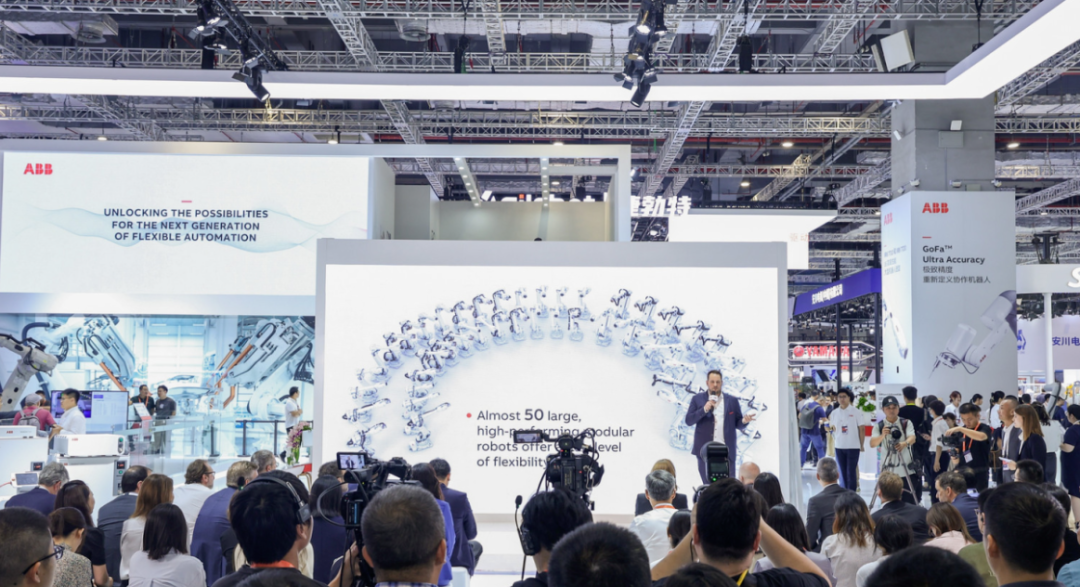
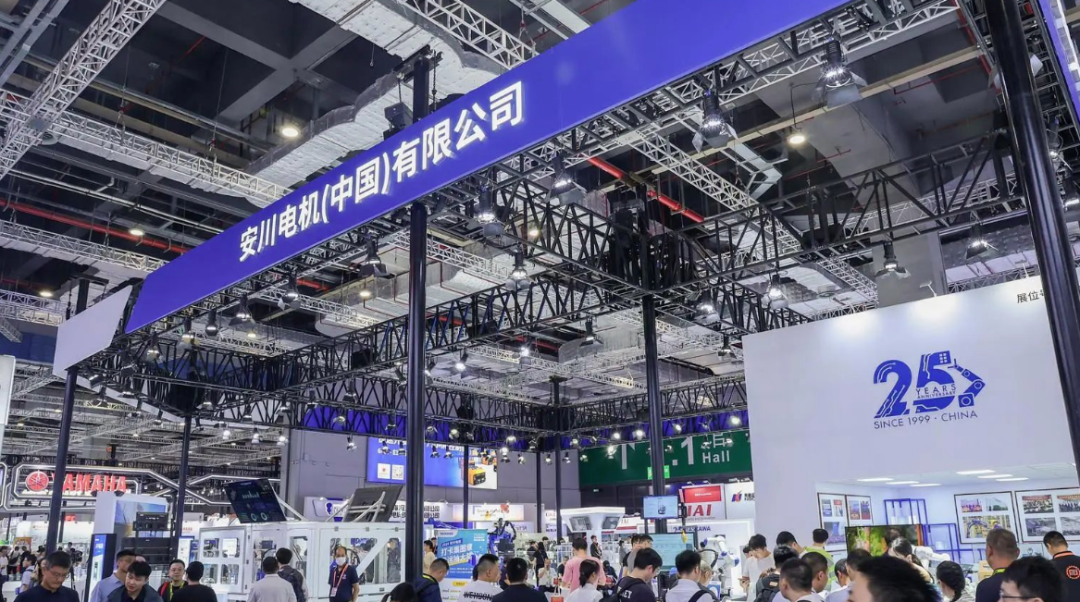
The once clearly defined lines between humanoid robots and industrial robots now clearly show a trend of competition and integration: humanoid robots are accelerating their penetration into industrial scenarios, while industrial robot giants are increasingly investing in humanoid robots.
One notable feature of multinational industrial robot companies is their stable performance and high control precision. For example, a typical robotic arm executing high-precision tasks, such as grasping materials with slight oscillation and accurately inserting them into slots, will pause briefly to ensure the material is completely still, thus achieving flawless operation. However, in modern production lines where every second counts, even such imperceptible pauses can become efficiency bottlenecks, leading to subsequent process blockages. In this regard, multinational companies excel in refining details, taking less time.
For instance, domestic robots may require a heavy base to fix them due to displacement issues arising from long-term use. However, China’s unique “engineer dividend” has spawned innovative solutions: by equipping robotic arms with cameras for precise control, using software to compensate for hardware deficiencies has become a clever strategy in Chinese manufacturing. This method is cost-effective and easy to deploy, using a “rural encircling the city” strategy to first capture the low-end market and then gradually move towards the high-end.
While multinational companies plan for a 10-year lifespan for their robots, domestic robots with a 5-year stability period, combined with lower costs and rapid response capabilities, precisely meet the market demand for “sufficient, easy to use, and quick iteration”.
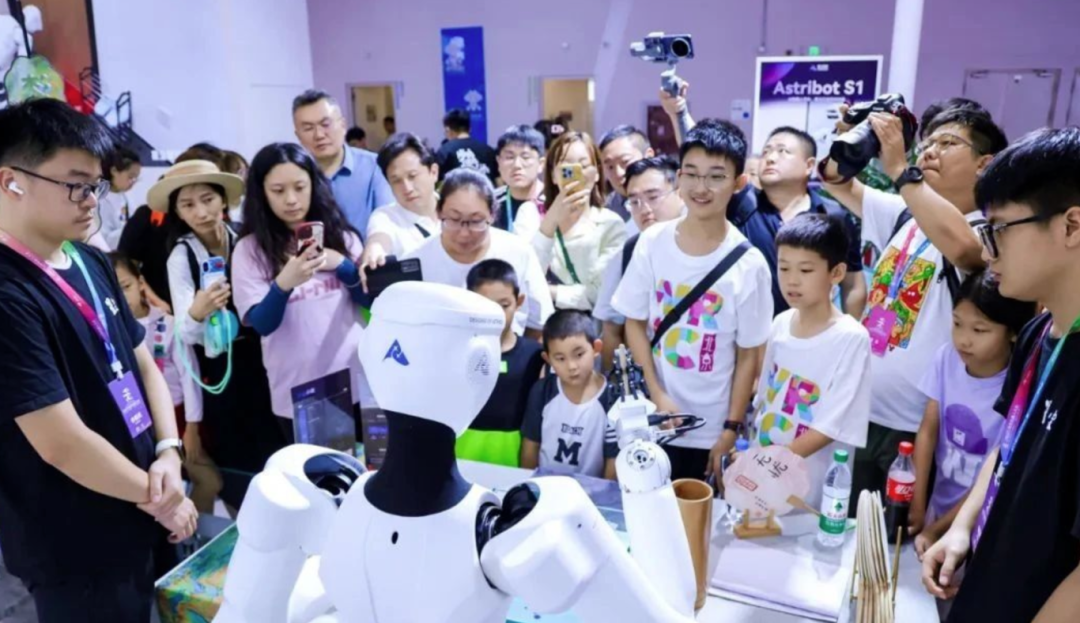
Looking across the entire exhibition hall, the booths of domestic robots were exceptionally busy. With the strong support of an increasingly mature industrial chain, the performance of domestic robots is continuously optimizing, and cost advantages are expanding. Although there are still gaps in some top performance indicators between Guangdong and international giants, the pace of catching up is firm and rapid.
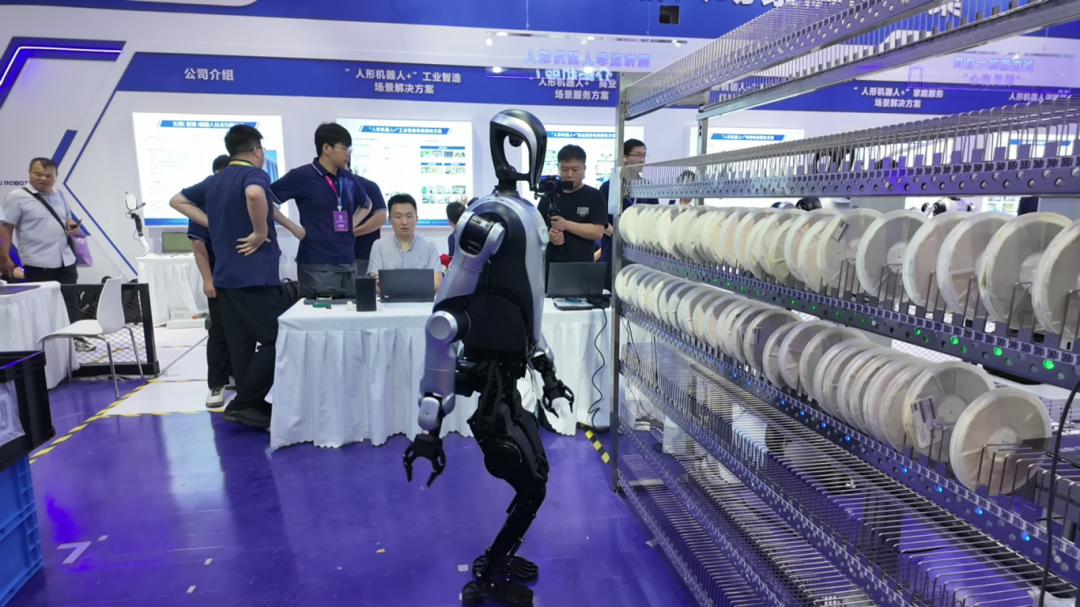
As domestic humanoid robots actively explore application scenarios across various industries, accumulating data and optimizing technology, it is foreseeable that they will continuously and powerfully impact the market dominance of international giants.
This inevitably brings to mind the journey of the new energy vehicle sector: the rise of domestic new forces 10 years ago, although experiencing brutal reshuffling, ultimately matured the industrial chain and achieved leadership in key areas such as intelligence. International luxury brands, once known for fuel efficiency and comfort, must now face the comprehensive surpassing of domestic vehicles in intelligent networking and user experience. For example, features that were once standard in million-dollar luxury cars, such as “refrigerator, color TV, and large sofa,” have now become standard in domestic cars priced at 300,000.
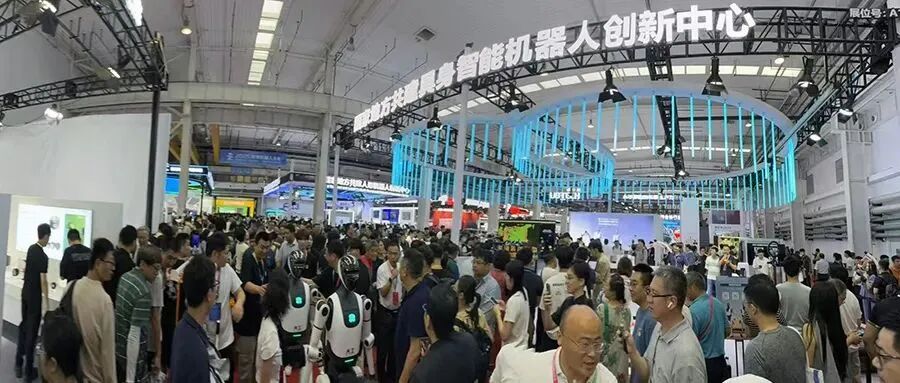
Similarly, although current humanoid robots may not achieve the absolute efficiency of specialized industrial robots in specific workshop positions, the momentum and immense potential demonstrated by domestic forces in the robotics field, their path and energy, resemble the impact of new energy vehicles on traditional automotive giants.
The vibrant scene at the exhibition clearly conveys a message: in the robotics race that will determine the future, domestic forces hold infinite possibilities.
Editor | Su Yunjia, Nandu Bay FinanceProofreader | Nandu Bay Finance Zheng ShuifengExecutive Editor | Xuan Tiao Department Gao ChaoContent Source | Nandu DailyImage Source | China Industry Expo Humanoid Robot Release Nanshan District Intelligent Economy Industry Association
Recommended Reading

Xi Jinping: The Development Prospects of the Private Economy Are Broad and Promising, and It Is Time for Private Enterprises and Entrepreneurs to Shine

Leading the Development of New Productive Forces and Building a Modern Industrial System – The Guangdong Provincial Private Enterprises Conference on Promoting the Construction of a Modern Industrial System Held in Dongguan
Gathering Industry Technology Wisdom to Build an Innovation High Ground for the Industry – The First Member Conference and Inaugural Meeting of the Guangdong Artificial Intelligence and Robotics Industry Alliance Held in Guangzhou