


Building Your Whole House Smart Home
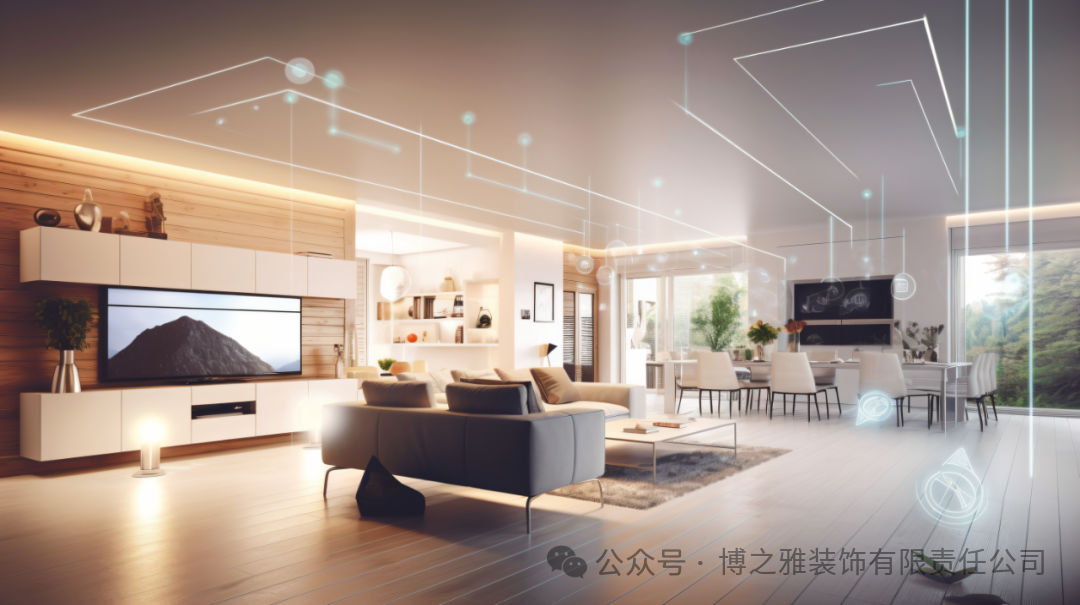



In today’s era, technology is like a magical wizard, transforming every aspect of our lives. With the continuous advancement of technology, our daily necessities are becoming increasingly intelligent, especially in home life, where various smart devices replace our hands, providing safety and convenience.

A colleague of mine previously wrote an article about smart homes, showing that he is a loyal fan of Xiaomi. He introduced his family’s Xiaomi smart devices and their applications. I would like to build upon that to provide a deeper understanding of the foundational setup and applications of a whole house smart home.
Currently, the main whole house smart home ecosystems on the market include Xiaomi’s Mijia ecosystem, Huawei’s ecosystem, and Apple’s ecosystem. Among them, the Mijia ecosystem has the most product categories, the largest user base, and offers the highest playability and cost-effectiveness. There is a common misconception: Xiaomi equals Mijia. This is not the case; Mijia includes Xiaomi products but is not limited to them. Many brands in the Mijia ecosystem can connect to the Mijia smart home system as long as they use Xiaomi smart chips.
To build a basic whole house smart home system using Mijia, the required devices include smart switches, human presence sensors, curtain motors and tracks, the Xiao Ai speaker, and the Xiaomi central gateway. Based on this basic framework of smart devices, additional smart home devices can be integrated to enhance your smart experience.
Smart Switches: Wiring for smart switches requires adding a neutral wire for each switch box, avoiding dual control lines. It is advisable to choose two-way and three-way switches; having an extra switch allows for more smart scene settings, enabling all smart switches to interconnect and control each other, as well as implement smart scene modes, allowing even regular lights to be controlled smartly.
Human Presence Sensors: These should be installed at the top of the kitchen door, bathroom ceiling, and corridor ceiling. Their main function is to link the sensors with the kitchen, bathroom, and corridor lights through smart switches, achieving the functionality of turning lights on when someone is present and off when they leave.
Curtain Motors: These should be paired with curtain tracks, and a power outlet should be reserved at one end of the track. Their function is to enable the opening and closing of electric curtains, voice control, and customized smart services.

The Xiaomi central gateway is the core device of the whole house smart system, similar to the human brain. It enables local connection and management of devices, efficient data processing, smart scene linkage, security assurance, and device interoperability, establishing a home local area network that allows devices to function even in a disconnected environment.
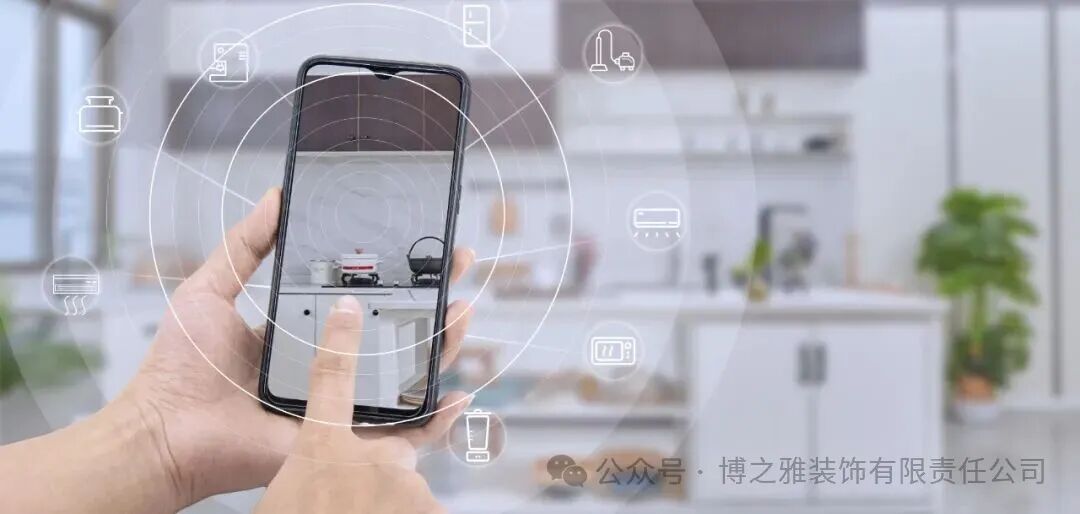
The Xiao Ai speaker: You should use the Pro version of the Xiao Ai speaker, which comes with a built-in gateway and infrared learning capabilities. It can learn the remote controls of various smart appliances, even those not from Mijia, allowing you to control them via voice commands. As an interactive entry point for smart homes, you can convey your smart needs to the Xiao Ai speaker through voice commands, such as turning lights on and off, opening and closing curtains, and controlling appliances, achieving convenient centralized control.
Smart devices such as smart locks, smart cameras, Xiaomi water leak detectors, Xiaomi smoke detectors, and Xiaomi gas detectors can monitor water and gas usage in the home, preventing and ensuring household safety. If there are any leaks, the mobile app will send an alarm notification, nipping safety risks in the bud.
After installing the smart devices, when debugging and setting up automation, you first need to connect to the network, pairing and connecting all devices with the control center (adding them to the Mijia app and Xiaomi central gateway). Test the functionality of each device, such as light switch control, curtain opening and closing, human presence sensor detection, and alarm testing for water leak detectors, gas detectors, and smoke detectors. Then, set up automation scene modes in the Mijia app. Home mode: After unlocking the door, activate home mode, turning on the entrance and living room lights, closing the curtains, and having Xiao Ai play a welcome message. Leaving mode: One-click to turn off all lights and smart devices in the home, starting the robot vacuum for immersive cleaning, with smart control of lights and automated curtain adjustments.
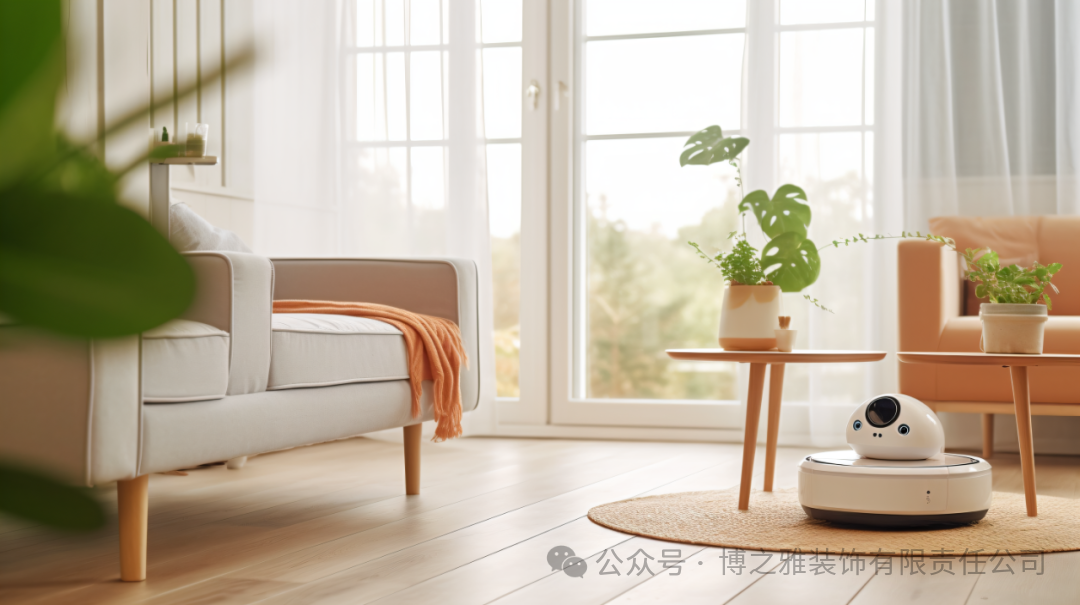
A whole house smart home is not just a collection of smart hardware; it is a design of intelligent interaction. It not only liberates your hands and provides convenience when you are at home but also allows you to control water, electricity, and other appliances from your phone when you are away, enhancing safety in your life. Technology should no longer be aloof but serve the people. If you are also interested in whole house smart homes, we can communicate and learn from each other.

【End】

Disclaimer:The articles and images contained in this public account are original or compiled from the internet. The copyright of the articles belongs to the original author.If there are any issues regarding the content, copyright, or other matters, please contact us!The content of the article represents the author’s personal views and does not necessarily reflect the views or support of this public account.This public account reserves the final interpretation rights of this statement.