Keywords: Smartwatches; Fitness Trackers; Wearable Devices; Apple Watch; Atrial Fibrillation; Heart Rate; Blood Oxygen;
This article has 2992 words and takes about 12 minutes to read.
In the past decade, the technology behind wearable devices has rapidly advanced, and “wrist-worn” smart devices like smartwatches and fitness trackers are becoming increasingly intelligent. Their use in daily life has expanded from initial applications in sports and message notifications to health monitoring and management.
“I believe that the ability to check, monitor, and record atrial fibrillation is a significant breakthrough for smartwatches and fitness trackers as health monitoring tools. The risk of stroke for patients with atrial fibrillation is five times higher than that of the general population. From this perspective, smartwatches and fitness trackers can serve as a life-saving early warning system at critical moments.” Dr. Michael Shehata, an electrophysiologist at Cedars-Sinai Medical Center in Los Angeles, stated.
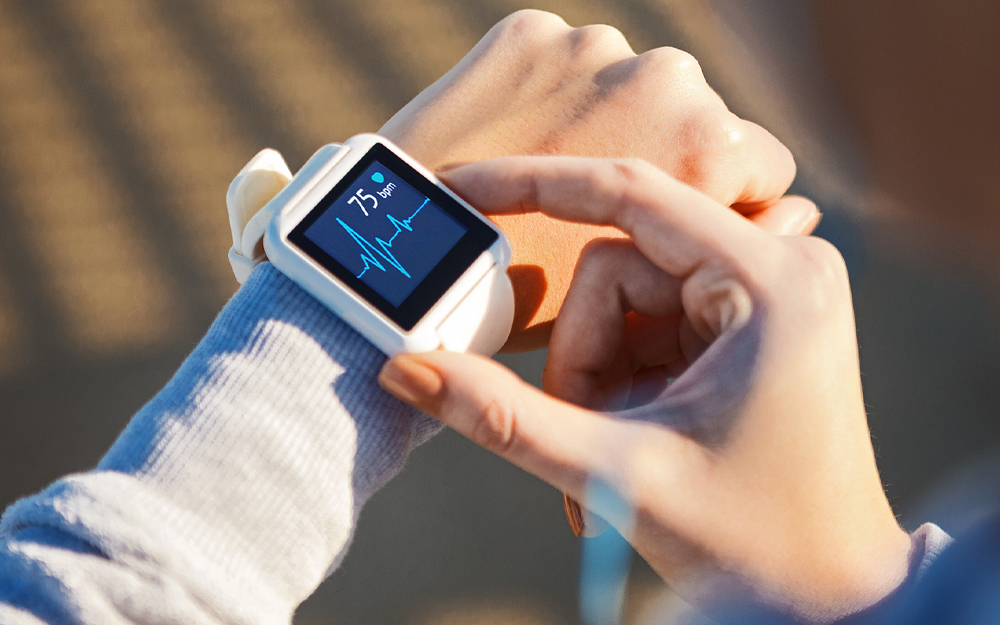
Image source: Cedars-Sinai Medical Center
What kind of technology do wearable devices use to assess atrial fibrillation? How reliable are these assessments? Which types of patients can benefit the most from wearable devices? What should atrial fibrillation patients pay attention to? Besides atrial fibrillation, what other diseases can wearable devices monitor?
Today, Dr. Michael Shehata, Dr. Archana Ramiredy from the Smidt Heart Institute at Cedars-Sinai Medical Center, and Dr. Dan Theodorescu, director of the Samuel Oschin Comprehensive Cancer Institute at Cedars-Sinai Medical Center, will answer these questions for us.
Question 1
What are the common health monitoring indicators of smartwatches and fitness trackers?
“
Dr. Michael Shehata: Currently, the most common and effective health monitoring indicators of wearable devices are heart rate, blood oxygen saturation, and atrial fibrillation monitoring.
1
Heart Rate Monitoring: Generally, resting heart rates vary from person to person, but a person’s normal resting heart rate is quite consistent over time. If the resting heart rate is significantly higher than the average, or if the lowest heart rate is much lower than the average, these can be signs of potential heart disease.
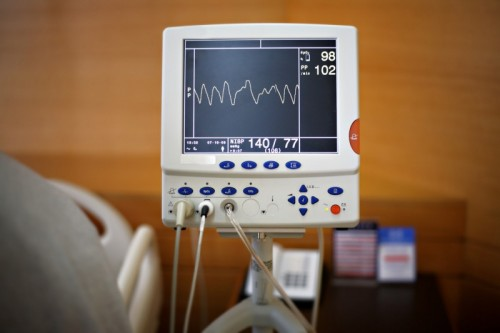
Image source: Cedars-Sinai Medical Center
2
Blood Oxygen Saturation Monitoring: Blood oxygen saturation reflects the oxygen content in arterial blood and is an important indicator for assessing respiratory and circulatory health. Under normal circumstances, blood oxygen saturation should be above 95%, with young people approaching 100%. If arterial blood oxygen saturation falls below 90%, it indicates hypoxemia, which is not only a common critical condition but also an important manifestation of respiratory failure that requires timely oxygen therapy; if it drops below 60%, it can be life-threatening. Some elderly individuals with severe underlying diseases, especially older adults infected with the COVID-19 virus, are at risk of lung damage, affecting their oxygen supply and leading to hypoxemia. However, elderly individuals may exhibit a delayed response to low oxygen levels. Even when blood oxygen saturation is very low, they may not experience symptoms like shortness of breath, and their respiratory rate may not significantly increase, with heart rate and blood pressure remaining stable. This dangerous condition is known as “silent hypoxemia.” At this time, monitoring blood oxygen saturation through wearable devices can help detect whether elderly individuals are hypoxic and enable timely treatment.
3
Atrial Fibrillation Monitoring: Optical sensors on smartwatches and fitness trackers can detect irregular pulses during atrial fibrillation episodes and record them as ECG results uploaded to the cloud, making them an effective means for daily monitoring of high-risk atrial fibrillation populations.
Question 2
What is atrial fibrillation? What are its dangers?
“
Dr. Archana Ramiredy: Atrial fibrillation (AF/Afib) is characterized by chaotic electrical activity in the atria and is one of the most common arrhythmias, with its prevalence increasing with age. Symptoms include palpitations, chest tightness, and shortness of breath. The risk of stroke for patients with atrial fibrillation is five times that of the general population, and early diagnosis and treatment can reduce the stroke risk for these patients. It is important to note that female patients may experience different symptoms from male patients; women may only feel fatigue and dizziness, and they are more likely to experience paroxysmal atrial fibrillation, which means they may have “silent” episodes of atrial fibrillation without any symptoms or warning. In the past, clinicians often screened for atrial fibrillation using traditional methods such as 12-lead ECG and pulse palpation, but paroxysmal atrial fibrillation is difficult to diagnose because it is hard for doctors to “capture” it on an ECG.

Image source: Cedars-Sinai Medical Center
Question 3
Are the atrial fibrillation monitoring data from smartwatches and fitness trackers reliable?
“
Dr. Michael Shehata: The cardiac function data monitored by these devices is largely reliable. Smartwatches and fitness trackers are not only adept at detecting the presence of atrial fibrillation but can also compile and record ECG results during atrial fibrillation episodes to timely reflect the severity of the patient’s atrial fibrillation to healthcare professionals.
For example, the Apple Watch can monitor a patient’s ECG using Photoplethysmography (PPG) and generate clear ECG data, including P waves, QRS complexes, and T waves, through KardiaMobile 6L (the first FDA-approved 6-lead ECG device). If a patient experiences atrial fibrillation, the Apple Watch will alert the patient to seek medical attention promptly. The Apple Watch also records the patient’s ECG data in PDF format and can send it to the patient’s physician via email or upload it to the patient’s electronic medical record for the physician’s overall review of the patient’s condition.
Another advantage of wearable devices is their ability to be worn continuously for long periods, allowing for ongoing tracking of the frequency and status of atrial fibrillation, including asymptomatic episodes and infrequent paroxysmal atrial fibrillation. The recorded data will help doctors better identify atrial fibrillation and make more appropriate clinical decisions.
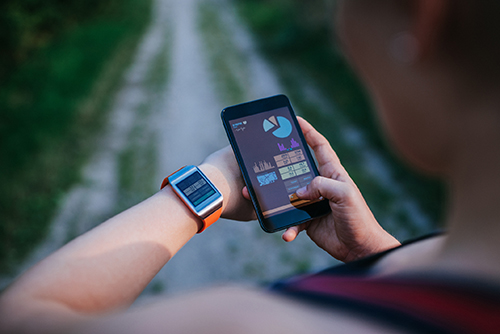
Image source: Cedars-Sinai Medical Center
Question 4
Which patients can benefit the most from wearable devices?
“
Dr. Michael Shehata: Wearable devices are effective tools for daily monitoring of high-risk atrial fibrillation populations. For patients already diagnosed with atrial fibrillation, monitoring and assessing whether they are benefiting from atrial fibrillation ablation surgery or medication regimens, smartwatches and fitness trackers are excellent tools. For those who have already experienced a stroke, the data recorded by smartwatches and fitness trackers can help determine whether the stroke was caused by atrial fibrillation.
Question 5
Have smartwatches and fitness trackers been integrated into the clinical treatment of atrial fibrillation?
“
Dr. Michael Shehata: Many of my patients own these smart devices, but they often do not know about these features. I frequently inform patients that their smartwatches and fitness trackers have functions to monitor and screen for atrial fibrillation, and I can also access this health data at any time. Most of my patients are willing to enable these features on their smartwatches and fitness trackers and use them. I increasingly appreciate using these smart devices, not because they are the only means for diagnosing or monitoring atrial fibrillation, but because they are valuable tools that help me better and more comprehensively understand my patients’ conditions.
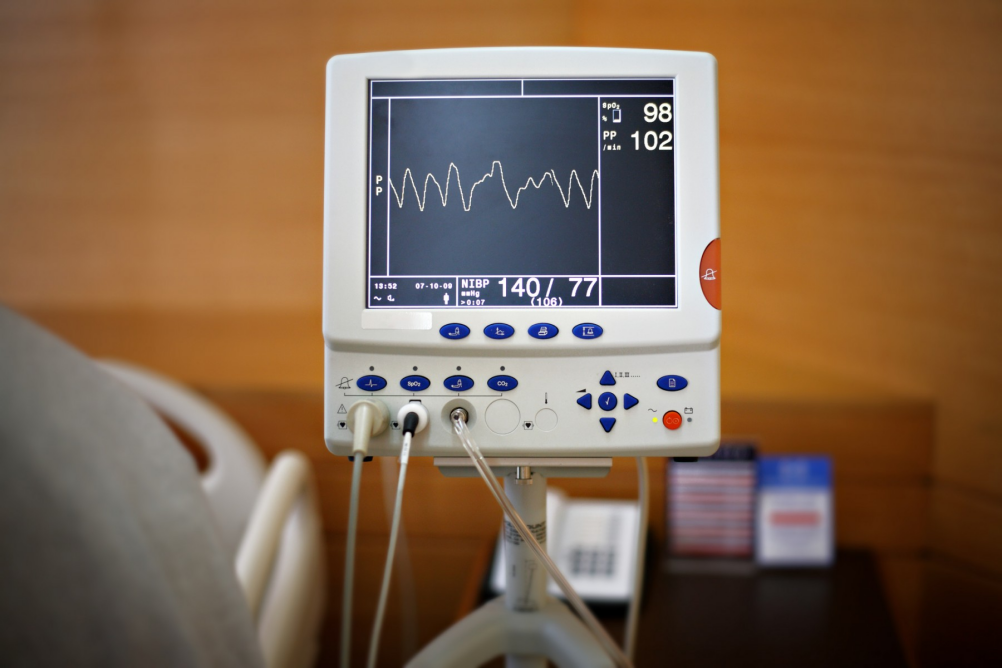
Image source: Cedars-Sinai Medical Center
Question 6
Do smartwatches and fitness trackers have weaknesses or limitations?
“
Dr. Michael Shehata: Smartwatches and fitness trackers are certainly not 100% reliable and can have false positives or missed diagnoses. For example, if the smartwatch or fitness tracker does not have good contact with the wearer’s skin, it may interfere with the normal functioning of the optical sensors, resulting in inaccurate measurements. Additionally, these smartwatches and fitness trackers currently cannot assess whether a patient has heart disease, heart failure, or is at risk of stroke.
Question 7
How should the general public correctly use wearable devices to monitor atrial fibrillation?
“
Dr. Michael Shehata: The key point is that patients need to remember that the data generated by these devices must be analyzed by a physician with experience in reading ECGs. Although wearable devices are equipped with mature ECG reading and analysis technology, the final interpretation of this data and the formulation of treatment decisions still require professional cardiologists. My patients often bring the health data from their wearable devices to me for assistance.
Question 8
What else should atrial fibrillation patients pay attention to?
“
Dr. Archana Ramiredy: First, it is essential to reduce the associated risks of atrial fibrillation. For instance, weight loss, abstaining from alcohol, and controlling chronic conditions like hypertension, diabetes, hyperlipidemia, and sleep apnea can significantly lower the risk of developing atrial fibrillation. Secondly, maintaining a healthy diet and lifestyle is crucial. Eat more fruits, vegetables, and nuts, and limit or avoid spicy foods, strong tea, and coffee. Ensure adequate sleep and rest, maintain a calm demeanor, and avoid excessive stress. Once atrial fibrillation is diagnosed, various medications can help control heart rate and reduce stroke risk; radiofrequency ablation is also significantly effective for atrial fibrillation and is suitable for most patients.
Image source: Cedars-Sinai Medical Center
Question 9
What other diseases can wearable devices monitor besides atrial fibrillation?
“
Dr. Dan Theodorescu: One of the challenges in treating patients with advanced cancer is obtaining consistent, timely, and objective data about their physical condition during treatment. After all, most of these patients are not hospitalized but are recovering at home or working, and their health status changes daily. A new study at Cedars-Sinai Medical Center found that fitness trackers can be valuable tools for assessing the quality of life and daily functioning of cancer patients during treatment.
The study involved 37 patients undergoing treatment for advanced cancer at Cedars-Sinai Medical Center. Throughout the study, they wore fitness trackers except when bathing or swimming, collecting data on steps, stair climbing, calories burned, heart rate, and sleep. Researchers then compared the fitness tracker data with patients’ self-assessments of symptoms, including pain, fatigue, and sleep quality. Continuous activity monitoring data has the potential to help doctors assess the impact of specific cancer treatments on patients’ daily functioning, predict and monitor treatment complications, and allow oncologists to intervene more timely and appropriately. We hope that future research on wearable devices will promote the development of personalized cancer treatments and exercise plans, thereby improving patients’ treatment tolerance and survival outcomes.
As wearable devices continue to evolve, they are playing an increasingly significant role in medical settings, serving as one of the many tools for doctors to provide optimal clinical care for patients.
References:
1.Can a Smartwatch Save Your Life? .www.cedars-sinai.org
2.Treating Atrial Fibrillation: Risks and Complications .www.cedars-sinai.org
3.Atrial Fibrillation: Know the Warning Signs .www.cedars-sinai.org
4.Fitness Trackers Prove Helpful in Monitoring Cancer Patients .www.cedars-sinai.org
5.Smart Watch Benefits Limited by User Base .www.cedars-sinai.org

Related Reading
AI Tools May Detect Early Signs of Pancreatic Cancer
Smartphone Eye? Smartphone Neck? Smartphone Finger? Beware of “Smartphone Disease”!
Artificial Heart – An Additional Option for Heart Failure Patients
Beware of High-Risk Signs of Atrial Fibrillation: Prevention + Treatment to Reduce Risks
Disclaimer: The information in this article is for reference only and is not a substitute for diagnosis and medical advice.

For inquiries, please contact via hotline/email
Cedars-Sinai Medical Center
Phone (USA): 001-310-423-7890
Phone (China): 400-966-5810
Email (recommended): [email protected]
WeChat (recommended): yaweikong
Click “Read Original” to visit the Cedars-Sinai Chinese website: