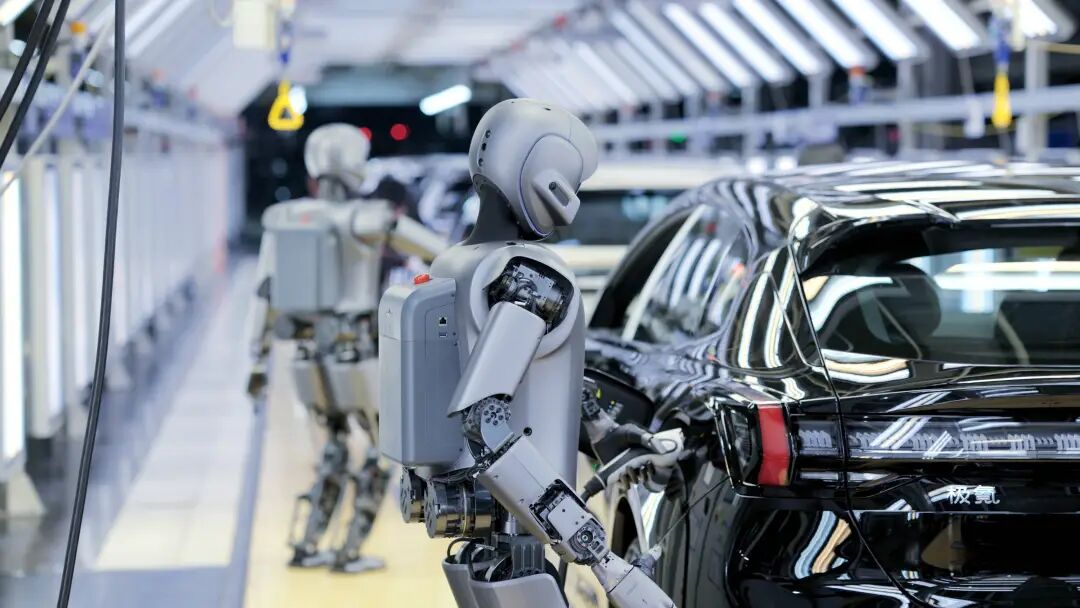
With the acceleration of commercialization of humanoid robots, motors, as key components for driving joint movements, vary in type based on their design objectives and functional requirements. The main types include servo motors, brushless DC motors, stepper motors, and other special motors.
These motors are typically selected based on the robot’s movement patterns, load requirements, and precision needs. Among them, permanent magnet motors have become the core power source for joint drives in humanoid robots due to their high power density, precise control, and lightweight characteristics. Permanent magnet motors are mainly used in joint drive systems and power support systems for humanoid robots, including types such as frameless torque motors and hollow cup motors. These motors achieve flexible movement of robot joints through high-precision control.
01Frameless Torque Motor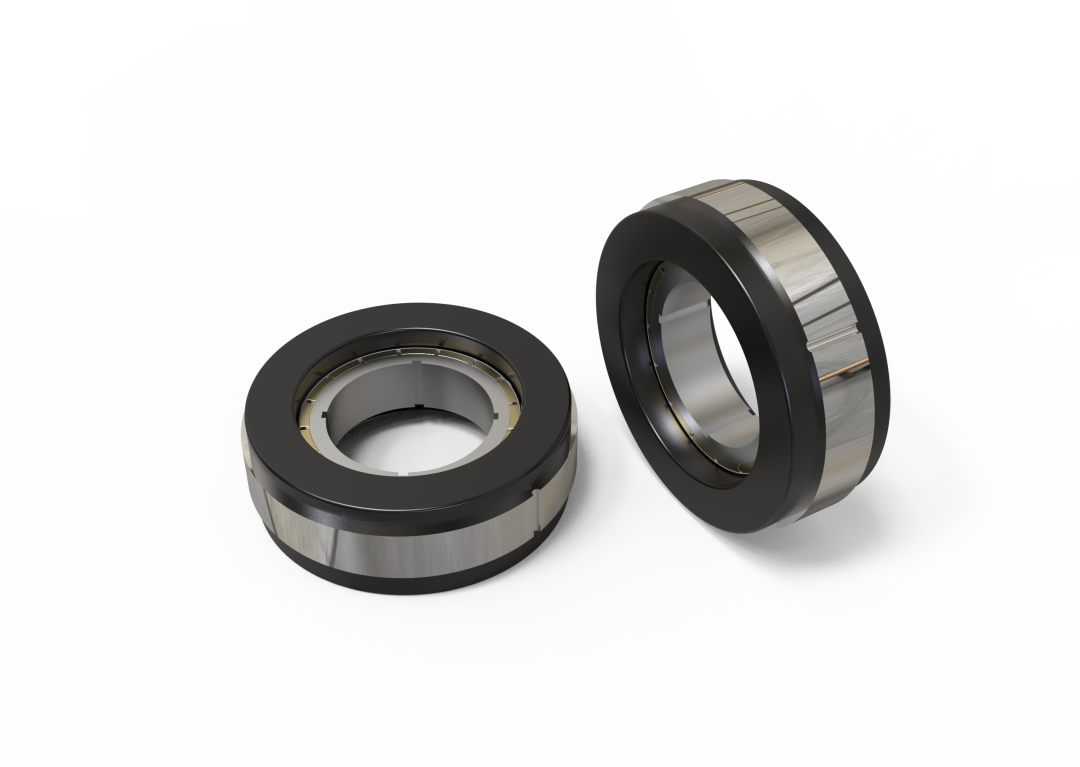
-
Features:Compact structure, consisting only of a rotor and stator, without outer casing, bearings, or other components, allowing direct integration into robot joints to achieve high torque density, low weight, and high response speed. Suitable for medium to low-speed movements, it can provide strong torque in limited spaces, meeting the high precision control requirements of humanoid robot joints.
-
Applications:Mainly used for driving the rotating joints of humanoid robots, such as shoulders, elbows, hips, and knees. By integrating with components like reducers and encoders, it forms joint actuators that enable precise motion control of joints, supporting actions such as walking, raising hands, and bending.
02Hollow Cup Motor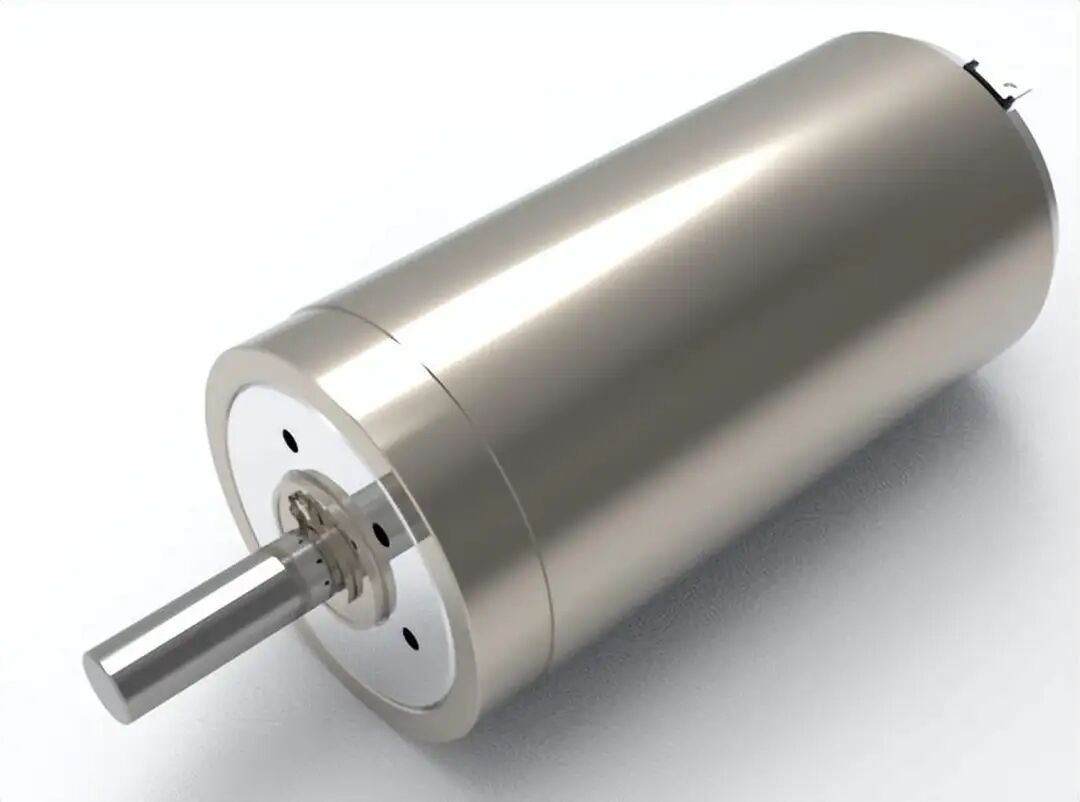
-
Features:It is a brushless DC permanent magnet servo motor with a non-core rotor design, featuring a small size, light weight, high speed, high acceleration, low inertia, and high dynamic response characteristics, with high energy conversion efficiency, suitable for scenarios requiring high precision and flexibility.
-
Applications:Mainly used for the dexterous hand joints of humanoid robots, such as finger bending, stretching, and grasping actions. Its miniaturization and high precision characteristics can meet the complex motion requirements of finger joints, enabling fine operations such as grasping objects and manipulating tools.
These two types of permanent magnet motors, through their different designs and performance characteristics, provide core power support for the motion control of humanoid robots, being key components for achieving flexible movement and precise operation.Humanoid robots need to perform complex actions (such as walking, jumping, and grasping), which places high demands on motor performance. As core driving components, the measurement of permanent magnet motors must verify key indicators such as torque output, speed stability, and energy conversion efficiency, ensuring precise control of joint movements even under extreme conditions.
Source: Today’s Motor