Citation Format: Wang Rujing. Agricultural Sensors: Research Progress, Challenges, and Perspectives[J]. Smart Agriculture (Bilingual), 2024, 6(1): 1-17.
DOI: 10.12133/j.smartag.SA202401017
WANG Rujing. Agricultural Sensor: Research Progress, Challenges and Perspectives[J]. Smart Agriculture, 2024, 6(1): 1-17.
DOI: 10.12133/j.smartag.SA202401017

Full text available for free on the official website
Read on CNKI
Agricultural Sensors: Research Progress, Challenges, and Perspectives

Wang Rujing1,2*
(1. Hefei Institute of Physical Science, Chinese Academy of Sciences, Intelligent Machinery Research Institute, Anhui Provincial Smart Agriculture Engineering Laboratory, Hefei, Anhui 230031, China; 2. Collaborative Innovation Research Institute of Smart Agriculture, Agricultural Sensors and Intelligent Perception Technology Innovation Center of Anhui Province, Hefei, Anhui 231131, China)
Abstract:
[Purpose/Significance] Agricultural sensors are the foundational technology for modern agricultural development models such as digital agriculture, information agriculture, and smart agriculture. They are also a significant driving force for the iterative upgrade of agricultural technology and the transformation of agricultural production methods. The application environment of agricultural sensors (water, air, and soil) and monitoring targets (plants and animals) is diverse and complex, and therefore, agricultural sensors with high environmental adaptability, high reliability, and low cost are fundamental and core to achieving smart agriculture.
[Progress] This paper classifies agricultural sensors and analyzes the cutting-edge research trends in agricultural sensors, reviewing the research status of agricultural sensors in different application scenarios. It provides an in-depth analysis of four major categories: agricultural environmental sensors (water, atmosphere, and soil), life information sensors for plants and animals, agricultural product quality safety sensors, and agricultural machinery sensors, summarizing the generalities and limitations of existing agricultural sensors in the research and application process.
[Conclusion/Perspectives] In the challenges and perspectives faced by agricultural sensors, the core bottlenecks of the current insufficient large-scale application of agricultural sensors are analyzed, including low cost, specialization, high stability, and adaptability. The concept of “ubiquitous perception in agriculture” is summarized to provide ideas and references for the technological development of agricultural sensors.
Keywords: Agricultural sensors; ubiquitous perception; environmental sensors; soil nutrient sensors; phenotypic sensors; smart agriculture


Article Images

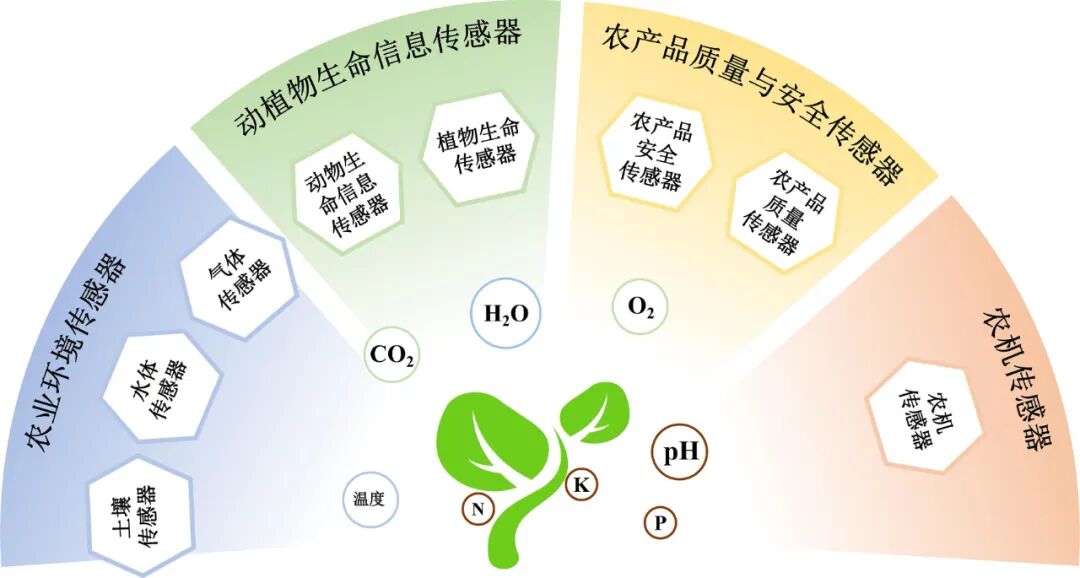
Fig. 1 A classification method of agricultural sensors based on monitoring areas and objects
Fig. 1 A classification method of agricultural sensors based on monitoring areas and objects
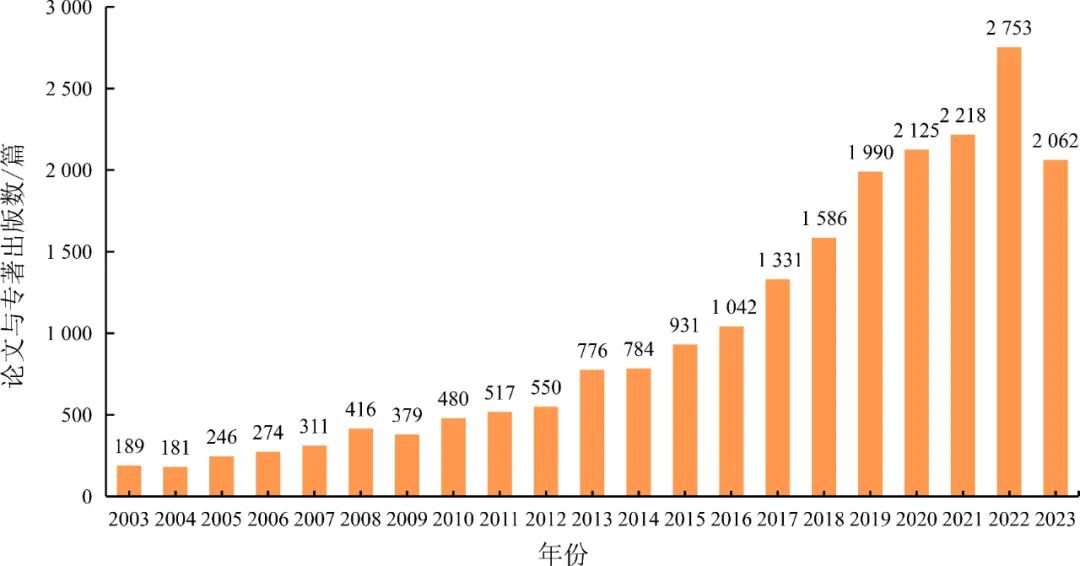
Fig. 2 The number of papers published on agricultural sensors as the subject in 2003‒2023
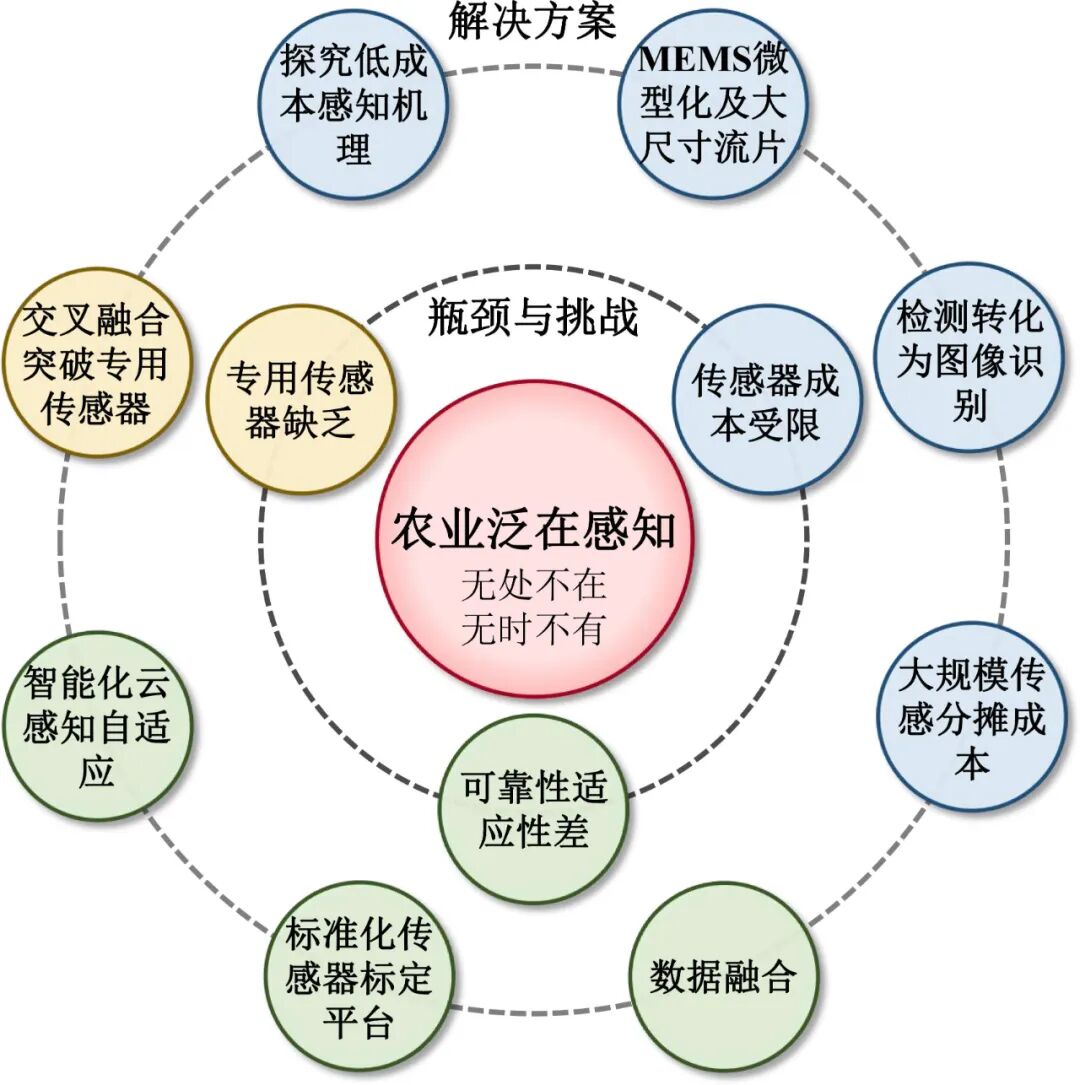
Fig. 3 Schematic diagram of challenges and solutions for agricultural sensors
 Reprinted from Smart Agriculture Journal
 First Review: Li XiaonanSecond Review: Zhang WeisongThird Review: Wang Lijiao