Study on Blood Collection and Storage Using 3D Printed Caps and Sterilized 500mL Beverage Bottles
Background and Purpose
During wars and crises, disruptions in the blood supply chain force the search for innovative blood collection solutions. This document reports in detail on a feasibility and safety study of using 3D printed caps (BC2L) with standard 500mL beverage bottles as containers for whole blood collection. The study aims to assess the potential of this innovative method as an alternative to traditional blood collection systems, particularly in resource-limited or crisis environments.
Study Design and Methods
Study Design
The research team consisted of experts from the Norwegian Special Operations Command, the Norwegian Armed Forces, the Department of Immunology and Transfusion Medicine at Haukeland University Hospital in Bergen, and the Norwegian Navy Special Operations Command. The study employed a randomized controlled trial design, selecting 20 healthy adult volunteers who were randomly divided into two groups:
- Experimental Group: Blood collection using the BC2L cap combined with the beverage bottle.
- Control Group: Blood collection using conventional single-use blood bags.
Collection and Storage Process
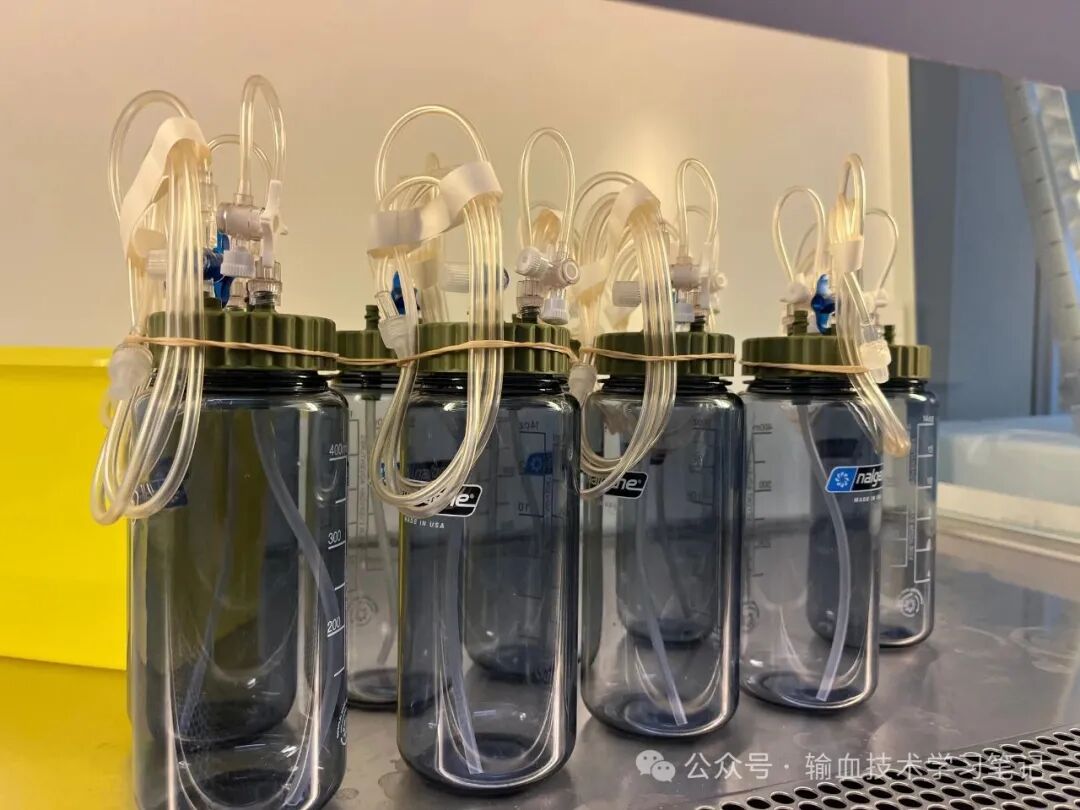
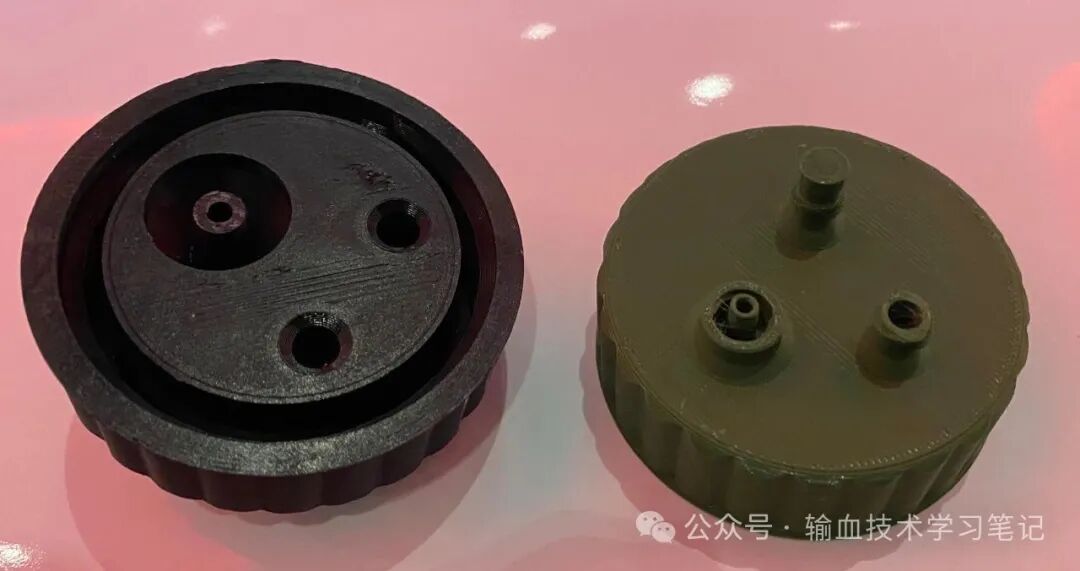
- Equipment Preparation: The BC2L cap is specifically designed for 500mL Nalgene wide-mouth beverage bottles, equipped with one male and two female Luer lock connectors. The cap is 3D printed from polyethylene terephthalate glycol (PETG) material and is sterilized before use.
- Blood Collection: All participants completed blood donation while comfortably seated in recliners. The experimental group used the BC2L cap with the beverage bottle, while the control group used standard blood collection bags. CPDA-1 anticoagulant was used during the collection, with a controlled volume of 400mL or 455mL.
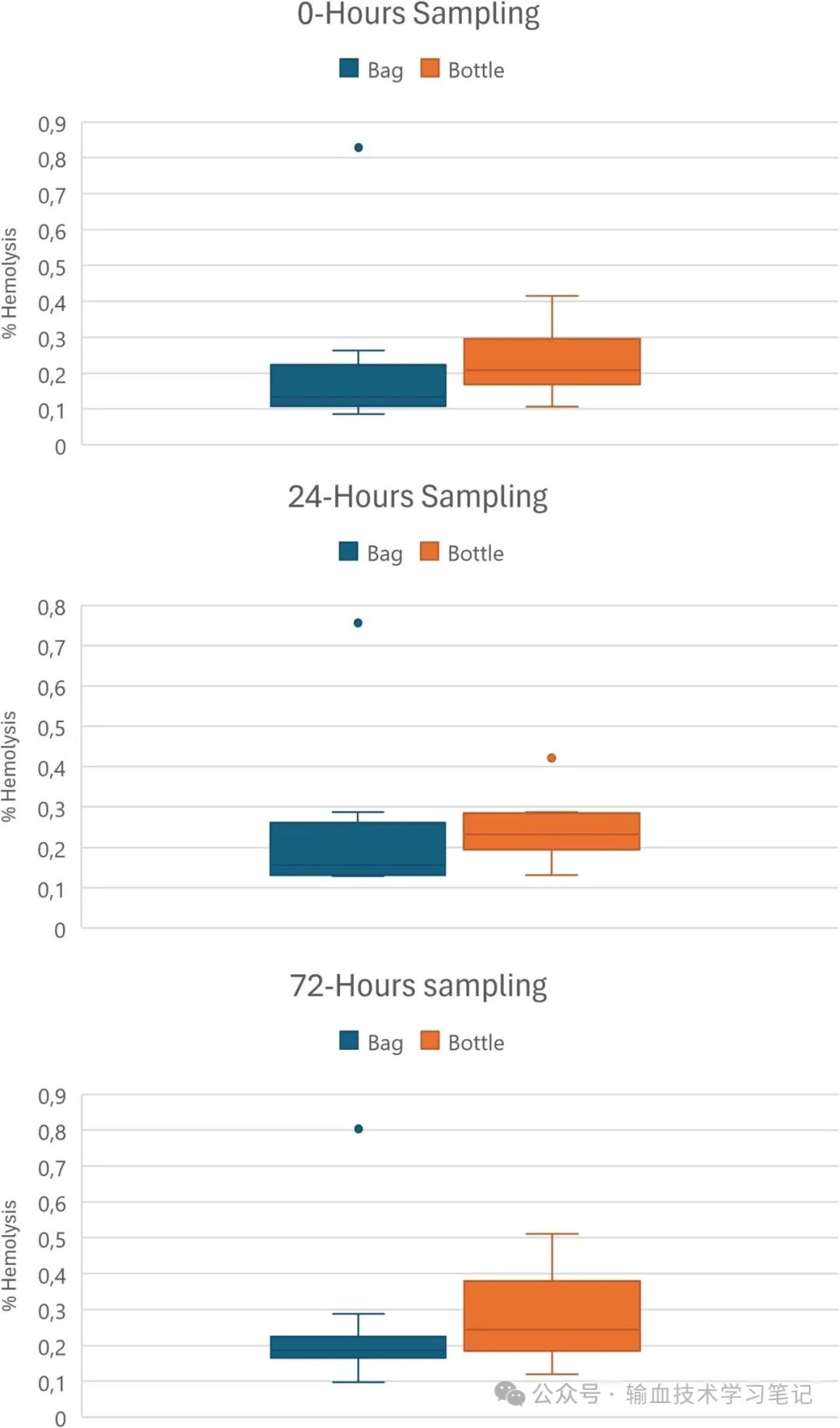
- Sample Analysis: Collected blood samples were immediately tested for hemolysis, bacterial contamination, and mechanical integrity, with repeat testing at 24 hours and 72 hours.
Results
Collection Time and Volume
- Collection Time: The average collection time for both groups was 7 minutes, but the BC2L system had a slightly slower flow rate, possibly due to the decrease in bottle height as the volume of blood increased.
- Collection Volume: The experimental group had an average collection volume of 400mL, while the control group had 455mL.
Hemolysis and Bacterial Contamination
- Hemolysis Levels: Hemolysis levels in both groups were below the clinically significant threshold (0.8%), and no significant changes were observed during storage.
- Bacterial Contamination: No bacterial growth was detected in any samples during collection or storage.
Leakage Issues
- Leakage During Transport: Some BC2L caps experienced minor leakage during transport from the study site to the Haukeland University Hospital laboratory. This may be due to limitations in the 3D printing process, such as insufficient internal fill density.
Discussion
Safety and Feasibility
- Safety: The study results indicate that using the BC2L cap and beverage bottle combination for blood collection is safe for donors, with no observed backflow or other safety concerns.
- Feasibility: The BC2L system successfully completed the blood collection task, and the blood quality was comparable to that of traditional collection bags. However, the leakage issue during transport needs further resolution.
Historical Background and Modern Applications
- Historical Background: The document reviews the history of human blood transfusion, from experimental direct transfusions in the 17th century to the invention of glass bottles and sodium citrate storage techniques during World War II, and the widespread use of modern plastic blood bags.
- Modern Applications: The development of the BC2L system is based on historical technologies and equipment, aiming to enhance the redundancy and crisis response capabilities of blood collection devices.
Conclusion
This study demonstrates that using 3D printed caps and sterilized 500mL beverage bottles for blood collection and storage is a feasible and low-cost alternative, especially in resource-limited or crisis environments. The BC2L system shows comparable safety and mechanical integrity to traditional systems. However, due to the small sample size and issues such as transport leakage, further research is needed to validate these findings and assess their clinical relevance.
Future Research Directions
- Improving Manufacturing Processes: Addressing leakage issues during transport by selecting denser fill patterns or adopting other manufacturing processes such as injection molding.
- Expanding Sample Size: Conducting larger-scale studies to validate the applicability of the BC2L system in different populations and environments.
- Clinical Testing: Evaluating whether the collected blood can be safely used for patient transfusions and testing for contaminants such as microplastics.
Ethics and Funding Information
- Ethical Approval: This study has received approval from the Norwegian Medical and Health Research Ethics Committee.
- Funding Information: The study did not receive specific funding but was supported by the Department of Immunology and Transfusion Medicine at Haukeland University Hospital and the Norwegian Special Operations Command.
In summary, this study provides an innovative solution for blood collection in crisis environments, although it still faces some challenges, its potential is worth further exploration and validation.