40°C high temperatures have become a litmus test, highlighting the ‘anti-human’ designs in new energy vehicles that leave owners in despair!
Recently, during these hot days, observing open-air parking lots or ride-hailing waiting areas reveals a clear phenomenon: many new energy vehicle owners grimace as they get into their cars, or absurdly hold up an umbrella just to avoid the scorching sun from the panoramic sunroof above.
This is actually a concentrated outbreak of design flaws in new energy vehicles under extreme weather conditions. In the era of fuel vehicles, sunshades were standard and could basically meet heat insulation needs. However, in the new energy era, in pursuit of a so-called ‘technological feel’ and to address the headroom issues caused by battery packs, panoramic sunroofs have become standard.
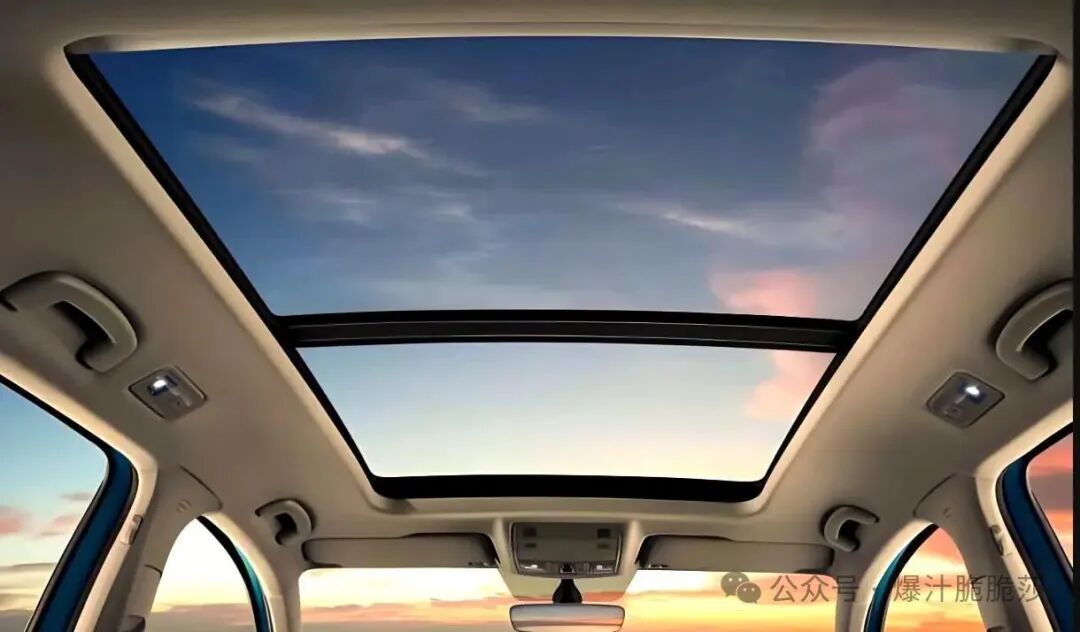
A couple of days ago, I rode in a friend’s Tesla Model Y, with the air conditioning set to maximum, yet it still felt like undergoing ‘light wave therapy’ under the sun. Whether for short commutes or weekend outings, this experience of ‘scorching sun above and air conditioning below’ feels extremely disjointed, making the later installation of sunshades a necessary norm.
I checked some data, and currently, mainstream models like the Zhiji LS6, NIO ET5, and Xpeng P7 mostly adopt this design. The reason given by car manufacturers is to gain an extra 3-5 cm of vertical space because the chassis is packed with a thick battery pack. This is a very unfortunate compromise. Therefore, when high temperatures hit, this design, which sacrifices comfort for aesthetics, naturally becomes less human-friendly.
This shift in demand has also prompted a reflection on other ‘anti-human’ designs. Especially the hidden door handles, which are not just about reducing drag but also neglecting safety hazards. I have never recommended this design, although many netizens have commented on my articles, believing it looks cooler and more high-tech.
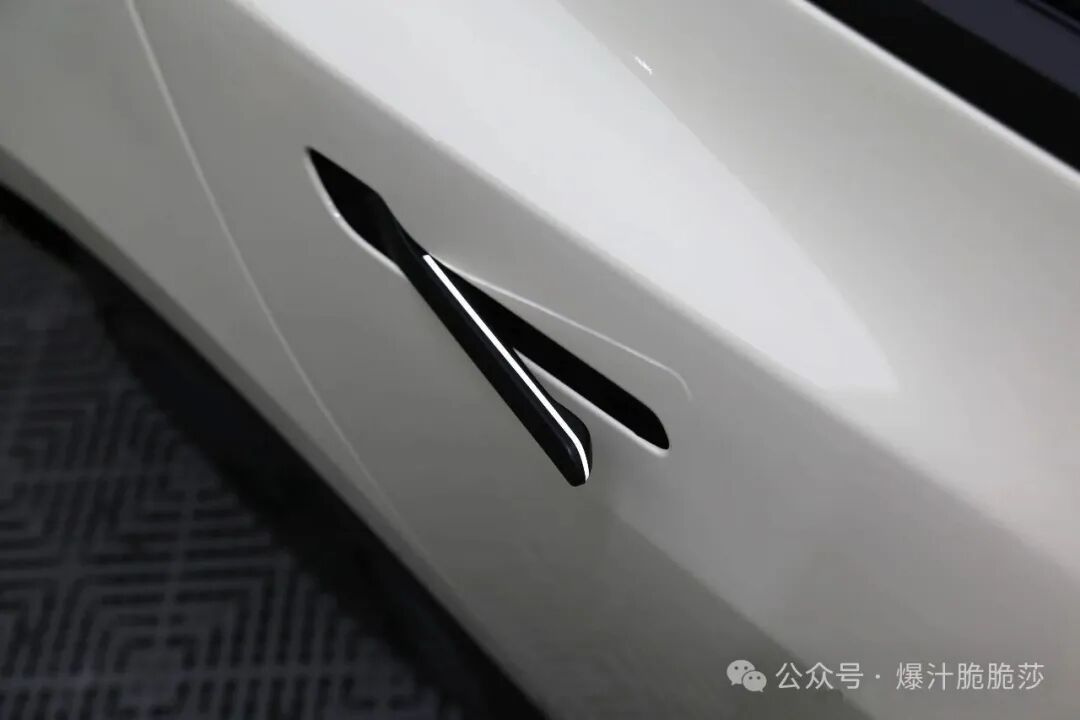
I understand that those who think this way probably haven’t experienced winter in the north. Traditional mechanical handles, to be honest, can still be opened even if frozen, while hidden door handles, once frozen or in extreme situations like the Xiaomi SU7 collision causing power failure, can lead to the door being inoperable, which is fatal. Nowadays, the repair cost for a complete electronic handle assembly often runs into thousands, ten times that of mechanical handles, which is indeed frustrating for car owners.
Currently, major car manufacturers are still following the trend of full touch screens and half-width steering wheels. For example, the Volkswagen ID series and Xpeng P7 require several layers of menu navigation on the screen just to adjust the air conditioning airflow or defogging. When I test drove the Zhiji L7 and Geely Galaxy E8, the half-width steering wheel often left me grasping at air during turns, which is not just a matter of habit but a safety hazard. Additionally, the electronic side mirrors of the Avita 12, while looking cool, suffer from delayed and blurry images in heavy rain, making them far less practical than two pieces of glass.
What worries me the most is the single-pedal mode. Although it can increase range, forcibly changing the driver’s muscle memory for ‘braking’ is very dangerous. Fortunately, the Ministry of Industry and Information Technology has intervened, stating that single-pedal mode will be banned by default after 2026.
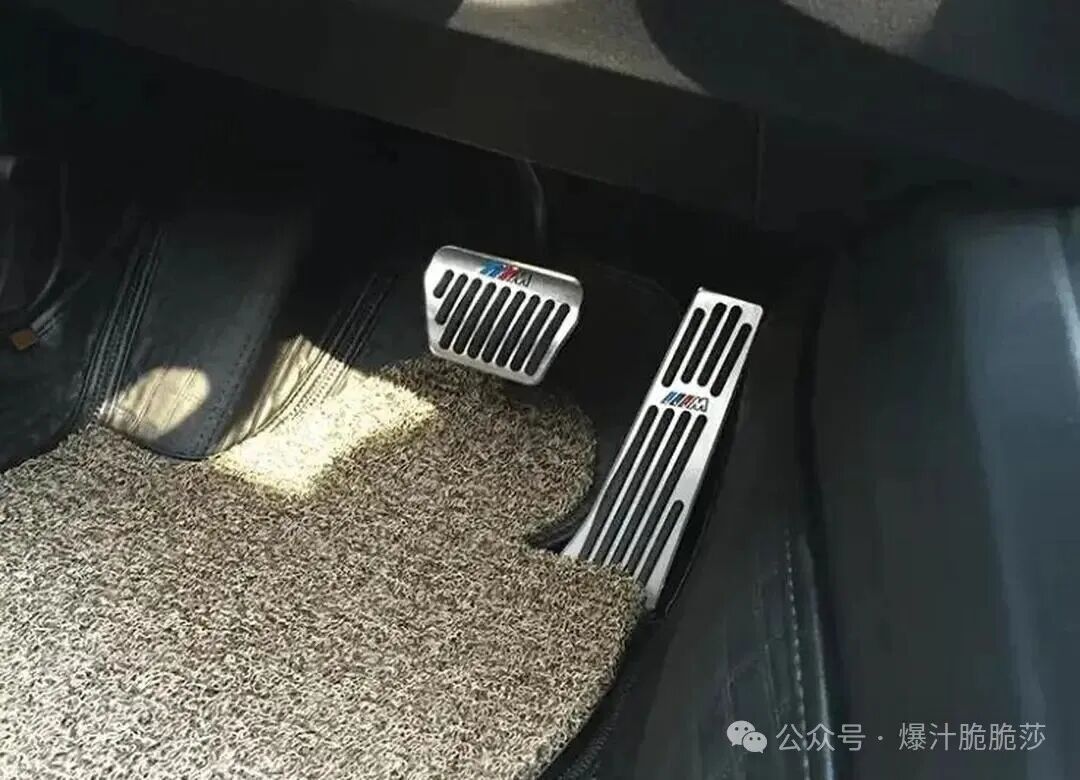
At the auto show, you can clearly feel that today’s rational consumers are more inclined to return to physical buttons and comfortable experiences. Compared to those flashy ‘innovations’, consumers’ primary needs are safety and usability. Instead of playing tricks with screens and handles, car manufacturers should think more about how to make cars less hot in 40°C summers and easier to open in -20°C winters. After all, cars are meant to be driven, not just to be displayed.