On September 13, the Chinese Ministry of Commerce took decisive action, announcing an anti-dumping investigation into American analog chips and initiating a discrimination investigation against the US “chip tax” policy.
This news immediately attracted international attention, as this move by China is not only a direct response to the US chip blockade but also a significant signal of China’s proactive stance in global technological competition. Previously, the US government restricted China’s chip supply through various means, but now China is shifting from defense to offense, and the landscape of the chip war is quietly changing. American elites cannot help but reflect: China is suited for protracted warfare, unlike the US.
What strategic wisdom lies behind China’s actions? Why has China responded so decisively this time? How will the US government react? Let’s discuss further.
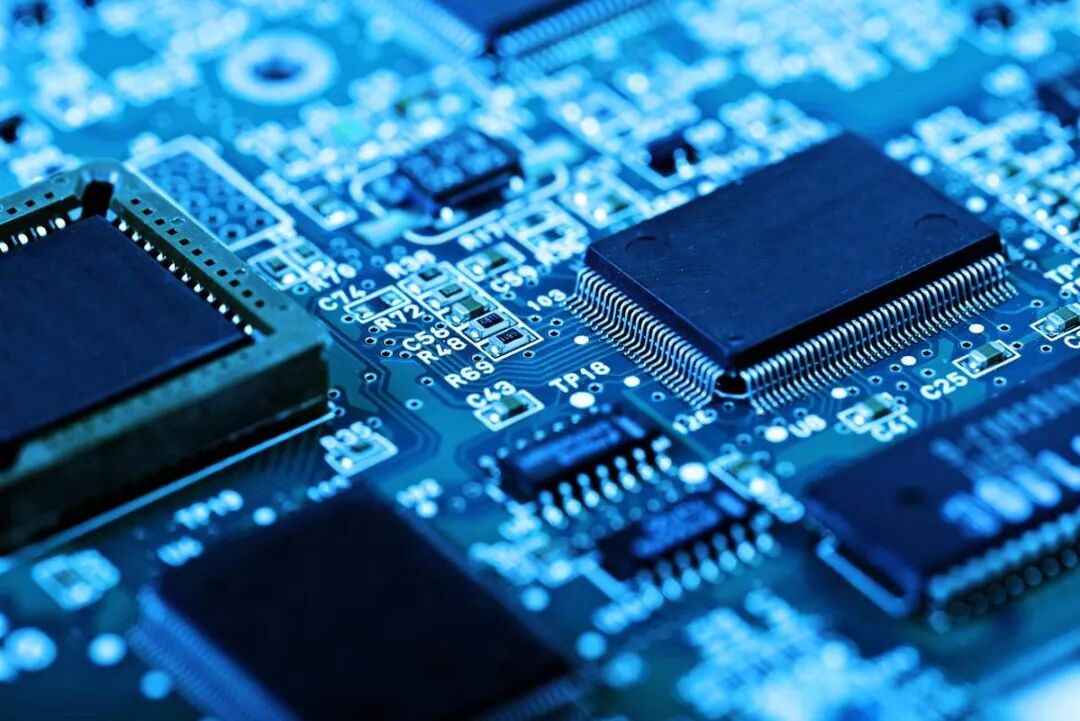
Why is China Willing to Strike Back? The Deeper Reasons Behind
After a preliminary investigation, China has announced that Nvidia has violated antitrust laws and will conduct further investigations.
It is certain that this counteraction by China is not a spur-of-the-moment decision but a choice made after careful consideration. The chip market is crucial for both China and the US, as well as other countries. China is not only the world’s largest semiconductor consumer market but has also gradually caught up with the West in fields such as AI, 5G, and intelligent manufacturing in recent years, which is evident to the whole world.
The US’s previous technological blockade against China, to some extent, has accelerated China’s independent innovation in technology, propelling China’s rise in the semiconductor field.
Huawei’s Ascend 920 chip is one of the important milestones in this process. Faced with pressure from the US, China did not compromise but instead increased its independent research and development, reducing reliance on foreign technology, which is something the US government never anticipated. Thus, China’s achievements have caused significant anxiety within the US government.
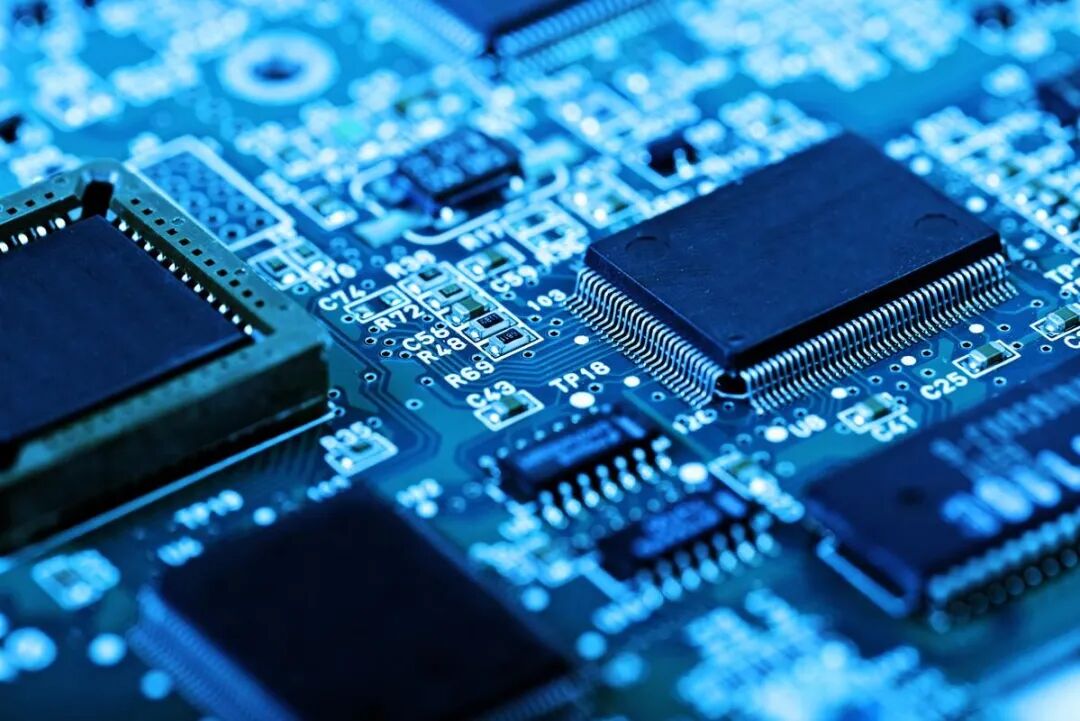
Why Does the US Frequently Pressure China?
The fundamental reason for the US’s frequent pressure on China is that the Chinese market has a significant influence on the global semiconductor industry. China is not only the largest consumer of semiconductors but also the world’s largest electronic product manufacturing base. US chip companies, such as Nvidia and AMD, heavily rely on the Chinese market. However, in recent years, China’s semiconductor technology has developed rapidly, even gradually surpassing the West, which has caused these companies to feel anxious. This is why the US constantly pressures China.
Struggles in the “Protracted War”: The US Soybean Dilemma and China’s Strategic Resolve
American elites often lament: China excels in protracted warfare. This statement is not unfounded; the US government is always eager for quick results, attempting to resolve issues through simple economic sanctions, with predictable outcomes. In contrast, China focuses more on long-term planning. A typical example is US soybeans; over the past few years, China has gradually reduced its purchases of US soybeans, turning to South American countries for procurement, which has severely impacted the US soybean market.
It is important to note that the US soybean market has always been highly dependent on the Chinese market. However, since the Trump administration increased tariffs on China, China has begun to reduce imports of US soybeans, leading to significant price fluctuations in the US soybean market. Trump personally urged China to increase orders for US soybeans, but evidently, this had no effect, and China continued to refrain from purchasing, which has made the US government increasingly anxious, attempting to negotiate to restore its dependence on the Chinese market.
Conclusion: The Key to Winning in Technological Competition Lies in Patience and Innovation
In simple terms, the ultimate winner in the competition in the technology field depends on who can persist in their strategy and who can continue to innovate technologically. Although the US government has consistently attempted to use blockades and suppression to hinder China’s development, China has not retreated; instead, it has increased its investment in technological innovation and is gradually catching up with the West.
In the future, global technological competition will become more diversified. The US’s eagerness for quick results will ultimately backfire, while China will steadily advance, going further in this competition.